

Quick Answer
Fasting, according to the Bible, is the voluntary abstaining from food (and sometimes drink) for a spiritual purpose. Jesus assumed his followers would fast, saying “when you fast” not “if you fast” (Matthew 6:16). Biblical fasting is meant to humble oneself before God, express repentance, seek God’s will, and draw closer to Him through focused prayer and devotion. While not commanded, fasting is commended as a valuable spiritual discipline when done with the right motives.
Fasting has been a significant spiritual practice throughout biblical history and continues to be relevant for Christians today. This ancient discipline, when understood and practiced correctly, can deepen one’s relationship with God, strengthen faith, and provide spiritual clarity. In this comprehensive exploration of fasting, we’ll examine its biblical foundations, purposes, Jesus’ teachings on the subject, principles for proper practice, warnings to heed, and practical considerations for those wishing to incorporate fasting into their spiritual lives.
Definition of Biblical Fasting
Fasting in Scripture refers to voluntarily abstaining from food (and sometimes drink) for a spiritual purpose. It is typically done in conjunction with prayer and seeking God. Some key aspects of biblical fasting include:
- It is voluntary, not commanded
- It involves abstaining from food and sometimes drink
- It is for a set period of time
- It has a spiritual purpose (not merely for health/diet reasons)
- It is often paired with prayer
- It expresses humility, repentance, and earnest seeking of God
Types of Fasts in the Bible
Normal fast
Abstaining from all food but not water. Example: Jesus’ 40-day fast (Matthew 4:2, Luke 4:2).
Partial fast
Limiting certain foods/drinks. Example: Daniel’s vegetable and water fast (Daniel 1:12) and Daniel’s abstention from choice foods (Daniel 10:3).
Absolute fast
Abstaining from both food and water. Example: Esther’s 3-day fast (Esther 4:16) and Paul’s 3-day fast after his Damascus road experience (Acts 9:9).
Corporate fast
Community or national fasting. Example: Nineveh’s fast at Jonah’s warning (Jonah 3:5-7) and Israel’s fast led by Samuel (1 Samuel 7:6).
Regular fast
Set fasting practices. Example: Anna’s regular fasting at the temple (Luke 2:37) and the Pharisee’s twice-weekly fast (Luke 18:12).
Occasional fast
As needed for specific purposes. Example: David fasting for his sick child (2 Samuel 12:16) and Nehemiah fasting in response to Jerusalem’s condition (Nehemiah 1:4).
Biblical Examples of Fasting
- Moses fasted 40 days on Mount Sinai (Exodus 34:28)
- David fasted when his child was ill (2 Samuel 12:16-23)
- Elijah fasted for 40 days (1 Kings 19:8)
- Esther called for a 3 day fast (Esther 4:16)
- Daniel engaged in partial fasts (Daniel 1:8-16, 10:3)
- Jesus fasted 40 days in the wilderness (Matthew 4:2)
- The early church fasted when commissioning leaders (Acts 13:2-3, 14:23)
Purposes of Fasting in Scripture
- To humble oneself before God (Psalm 35:13, Ezra 8:21)
- Fasting reminds us of our dependence on God and helps cultivate humility
- It’s a physical act that represents spiritual submission to God’s will
- To repent and seek forgiveness of sin (1 Samuel 7:6, Jonah 3:5-9)
- Fasting often accompanies confession and repentance in Scripture
- It demonstrates the seriousness of one’s desire for forgiveness and change
- To petition God for help/deliverance (2 Chronicles 20:3-4, Ezra 8:21-23)
- Fasting can intensify our prayers during times of great need or danger
- It shows our reliance on God’s intervention rather than our own efforts
- To seek God’s guidance and will (Acts 13:2-3, 14:23)
- Fasting can help clear our minds to better discern God’s voice and direction
- It’s often used when making important decisions or seeking clarity
- To prepare for spiritual battle/temptation (Matthew 4:1-11)
- Fasting can strengthen our spiritual resolve and resistance to temptation
- It helps us focus on God’s power rather than our own weaknesses
- To express grief and sorrow (2 Samuel 1:12, Nehemiah 1:4)
- Fasting is a way to physically express deep emotional and spiritual pain
- It can be part of the mourning process, showing reverence for loss
- To draw closer to God through focused devotion (Luke 2:37)
- Fasting removes distractions and creates space for deeper communion with God
- It can heighten spiritual sensitivity and awareness of God’s presence
- To overcome sinful desires and strengthen self-discipline (1 Corinthians 9:27)
- Fasting helps develop self-control and mastery over physical appetites
- This discipline can extend to other areas of life, promoting overall spiritual growth
See more: Bible Verses about Fasting
Jesus’ Teaching on Fasting
- Jesus assumed his followers would fast (Matthew 6:16-18, 9:15)
- He spoke of fasting as an expected practice, not as something optional
- This implies fasting should be a normal part of Christian spiritual life
- He warned against fasting to be seen by others (Matthew 6:16-18)
- Jesus criticized the hypocritical fasting of the Pharisees done for show
- He emphasized the importance of sincerity and right motives in fasting
- He taught fasting should be done privately as unto God (Matthew 6:17-18)
- Jesus instructed his followers to fast in secret, known only to God
- This ensures fasting remains a personal act of devotion, not public performance
- He indicated fasting would be appropriate after his departure (Matthew 9:15)
- Jesus linked fasting to mourning his absence, suggesting it as a way to express longing for his return
- This teaches that fasting can be an expression of our desire for Christ’s presence
- He fasted himself for 40 days before beginning his ministry (Matthew 4:2)
- Jesus set an example of fasting as preparation for significant spiritual work
- This shows the potential power of fasting in equipping us for God’s service
Principles for Proper Fasting
- Have the right motives (Matthew 6:16-18)
- Seek God sincerely, not to impress others
- Focus on connecting with God rather than appearing spiritual
- Humble yourself and repent (Joel 2:12-13)
- Use fasting for self-examination and repentance
- Approach God with a contrite heart
- Combine with other spiritual disciplines (Luke 2:37, Acts 13:2-3)
- Accompany fasting with prayer and Bible study
- Use meal times for spiritual activities
- Maintain normal appearance and activities (Matthew 6:17-18)
- Don’t draw attention to your fast
- Continue fulfilling responsibilities
- Be led by the Holy Spirit (Acts 13:2)
- Seek God’s guidance on timing and nature of fasts
- Avoid fasting out of mere habit or obligation
- Focus on spiritual growth
- Aim for closeness to God, not just physical abstinence
- Use hunger as a prompt for prayer and reflection
- Understand God’s grace
- Fasting doesn’t earn God’s favor or manipulate Him
- It positions you to receive what God wants to give
Cautions and Warnings About Fasting
- Avoid manipulative motives (Isaiah 58:3-4)
- Fasting can’t coerce God to act
- Submit to God’s will rather than trying to control it
- Guard against ritualism (Isaiah 58:5-7)
- Ensure fasting leads to genuine heart change and obedience
- Remember God values mercy and justice over outward piety
- Beware of spiritual pride (Luke 18:9-14)
- Don’t feel superior because of your fasting practices
- Fasting is about humility, not spiritual achievement
- Protect your health
- Avoid extreme fasting that could cause physical harm
- Consult a doctor if you have health concerns
- Respect others’ practices
- Don’t judge those who fast differently or not at all
- Remember fasting is personal, not a measure of spirituality
Practical Considerations
- Start with shorter fasts (one meal, one day) before attempting longer fasts
- Build up your fasting “muscles” gradually to avoid discouragement
- Learn how your body responds to fasting before trying extended periods
- Stay hydrated and rest as needed, especially during longer fasts
- Drink plenty of water to prevent dehydration
- Allow for extra rest as your body adjusts to the absence of food
- Break extended fasts gradually with light foods
- Reintroduce food slowly to avoid digestive discomfort
- Start with easily digestible foods like fruits or vegetables
- Those with health conditions should consult a doctor before fasting
- Certain medical conditions may make fasting unsafe
- Pregnant women, children, and the elderly should be especially cautious
- Fasting can include abstaining from things besides food (e.g. media, hobbies)
- Consider fasting from activities or habits that distract you from God
- Use the time and energy usually spent on these things for spiritual pursuits
Conclusion
While not commanded for Christians, fasting remains a valuable spiritual discipline when practiced with the right motives and attitude. It allows believers to humble themselves, focus on God, and strengthen their relationship with Him. When combined with prayer and devotion to God’s Word, fasting can be a powerful tool for spiritual growth and seeking God’s will.
References
- https://www.ligonier.org/guides/fasting
- https://www.ligonier.org/learn/devotionals/role-fasting
- https://www.ligonier.org/learn/devotionals/new-covenant-fasting
- https://www.ligonier.org/learn/devotionals/discipline-of-fasting
- https://www.ligonier.org/learn/devotionals/fasting-worship
- https://www.gty.org/library/bibleqnas-library/QA0151/is-fasting-a-command
- https://www.gty.org/library/blog/B110107/the-heart-of-christian-fasting-part-1-fasting-in-the-old-testament
- https://www.gty.org/library/blog/B110114/The-Heart-of-Christian-FastingbrPart-3-Fasting-in-the-New-Testament
- https://www.gty.org/library/sermons-library/2232/fasting-without-hypocrisy-part-2
- https://www.gotquestions.org/fasting-Christian.html
- https://www.desiringgod.org/articles/why-do-christians-fast
- https://www.desiringgod.org/interviews/is-intermittent-fasting-sacrilegious
- https://www.desiringgod.org/articles/fasting-for-beginners
- https://www.desiringgod.org/interviews/what-is-the-purpose-of-fasting
- https://in.thegospelcoalition.org/blogs/faith-not-sight/the-true-benefit-of-fasting
- https://www.thegospelcoalition.org/article/fasting-not-spiritually-elite-hurting
- https://www.thegospelcoalition.org/article/christians-fast-satan-hungry
- https://africa.thegospelcoalition.org/article/does-fasting-seem-strange-to-you
- https://www.thegospelcoalition.org/blogs/trevin-wax/jesus-lost-in-transmission-an-interview-with-nick-perrin
- https://bible.org/question/what-does-bible-say-about-fasting
- https://bible.org/seriespage/27-how-fast-properly-matthew-616-18
- https://answersingenesis.org/christianity/christian-life/definition-of-fasting
- https://www.compellingtruth.org/types-of-fasting.html
- https://www.compellingtruth.org/how-to-fast.html
- https://www.compellingtruth.org/Christian-fasting.html
- https://www.compellingtruth.org/prayer-fasting.html
- https://www.compellingtruth.org/Christians-fast.html
- https://www.challies.com/articles/fast-from-food-not-facebook
- https://www.challies.com/quotes/how-should-christians-fast
- https://www.neverthirsty.org/bible-qa/qa-archives/question/can-a-person-make-love-when-fasting
- https://www.neverthirsty.org/bible-qa/qa-archives/question/is-fasting-going-without-food
- https://www.neverthirsty.org/bible-qa/qa-archives/question/when-fasting-how-often-do-you-pray
- https://www.neverthirsty.org/bible-qa/qa-archives/question/what-does-fasting-include
- https://bible.org/seriespage/chapter-1-fasting-old-testament-and-ancient-judaism-mourning-repentance-and-prayer-hope-g
- https://www.neverthirsty.org/bible-qa/qa-archives/question/did-jesus-drink-water-when-he-was-fasting-for-40-days
- https://tabletalkmagazine.com/posts/should-christians-fast
Must-Read Christian Books

Holiness
A rich, pastoral treatment of sin, sanctification, and the fight for holiness in the Christian life, deeply rooted in Scripture.
View on Amazon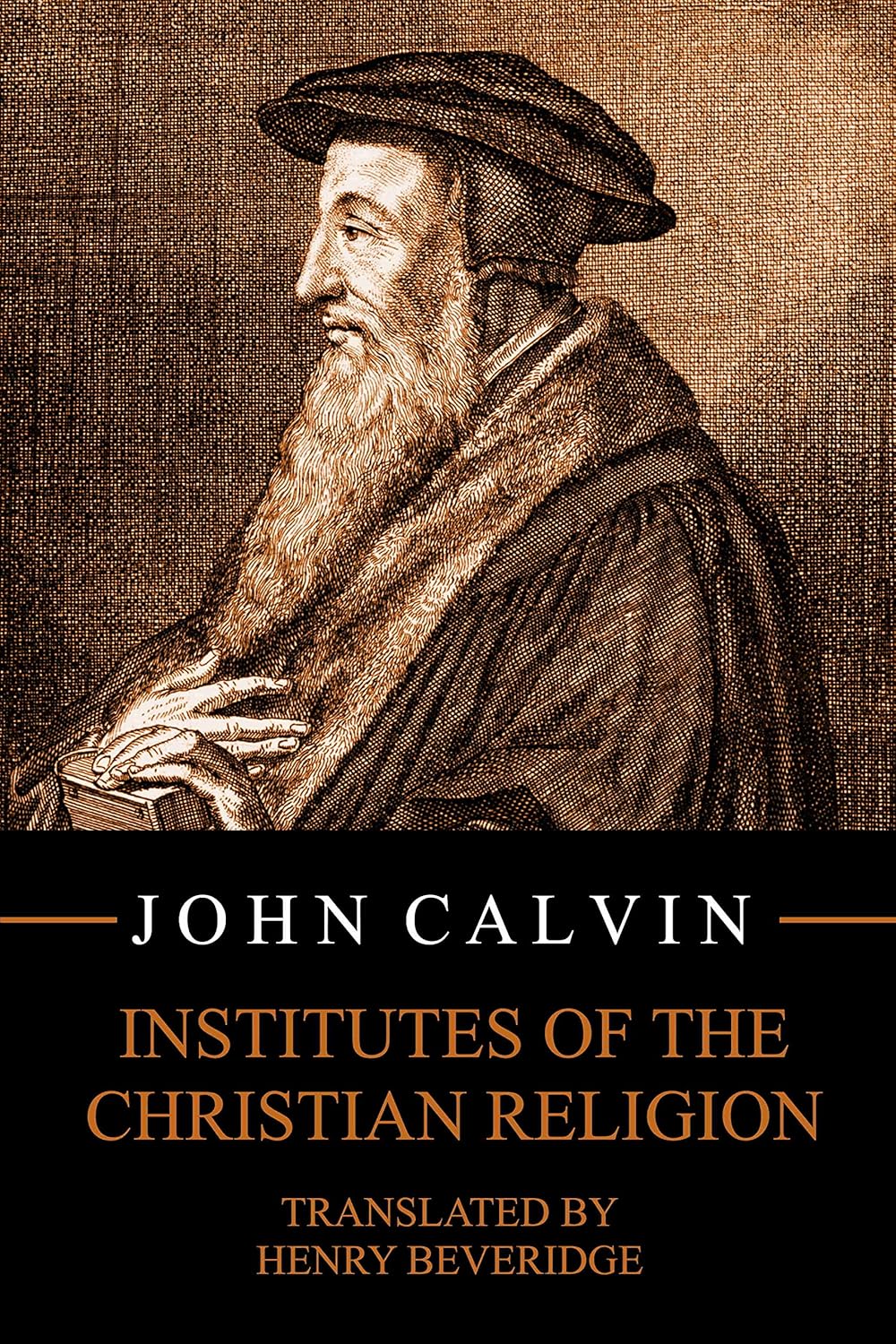
Institutes of the Christian Religion
A classic work of Reformed theology in an accessible form, laying out Christian doctrine with deep biblical roots.
View on Amazon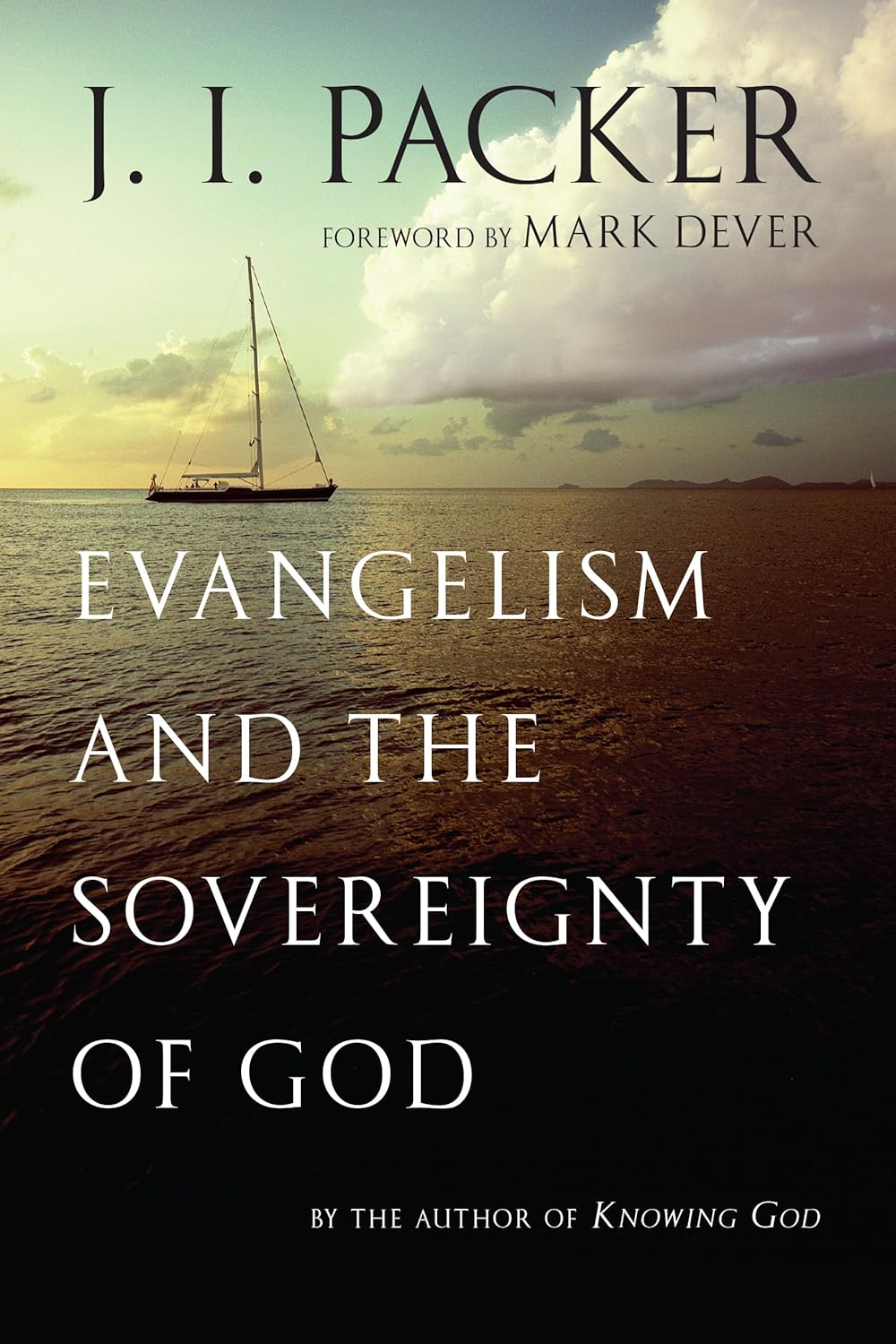
Evangelism and the Sovereignty of God
Shows how God's sovereignty in salvation fuels, rather than hinders, faithful evangelism.
View on Amazon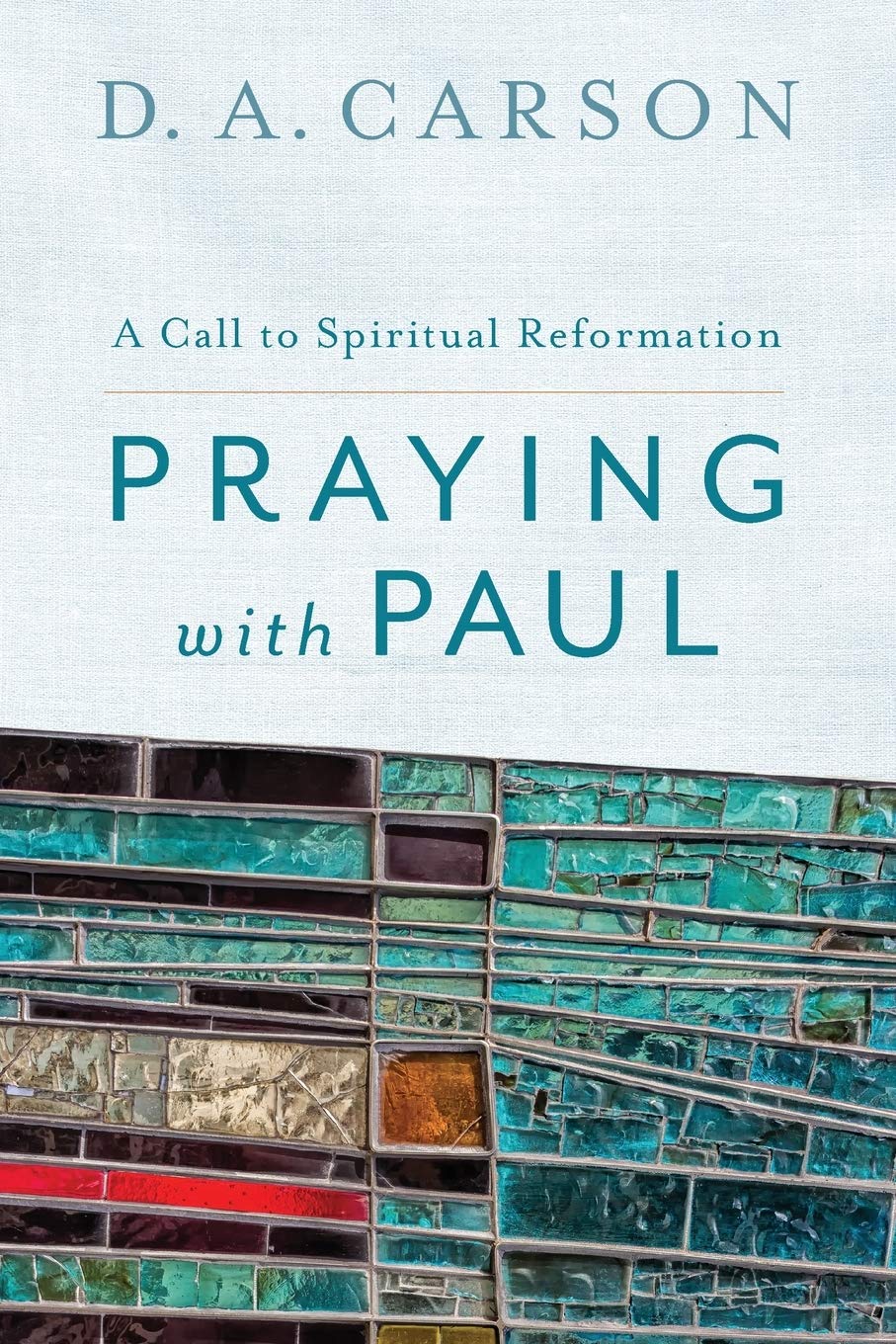
A Call to Spiritual Reformation
Walks through Paul's prayers to teach believers how to pray biblically and God-centeredly.
View on Amazon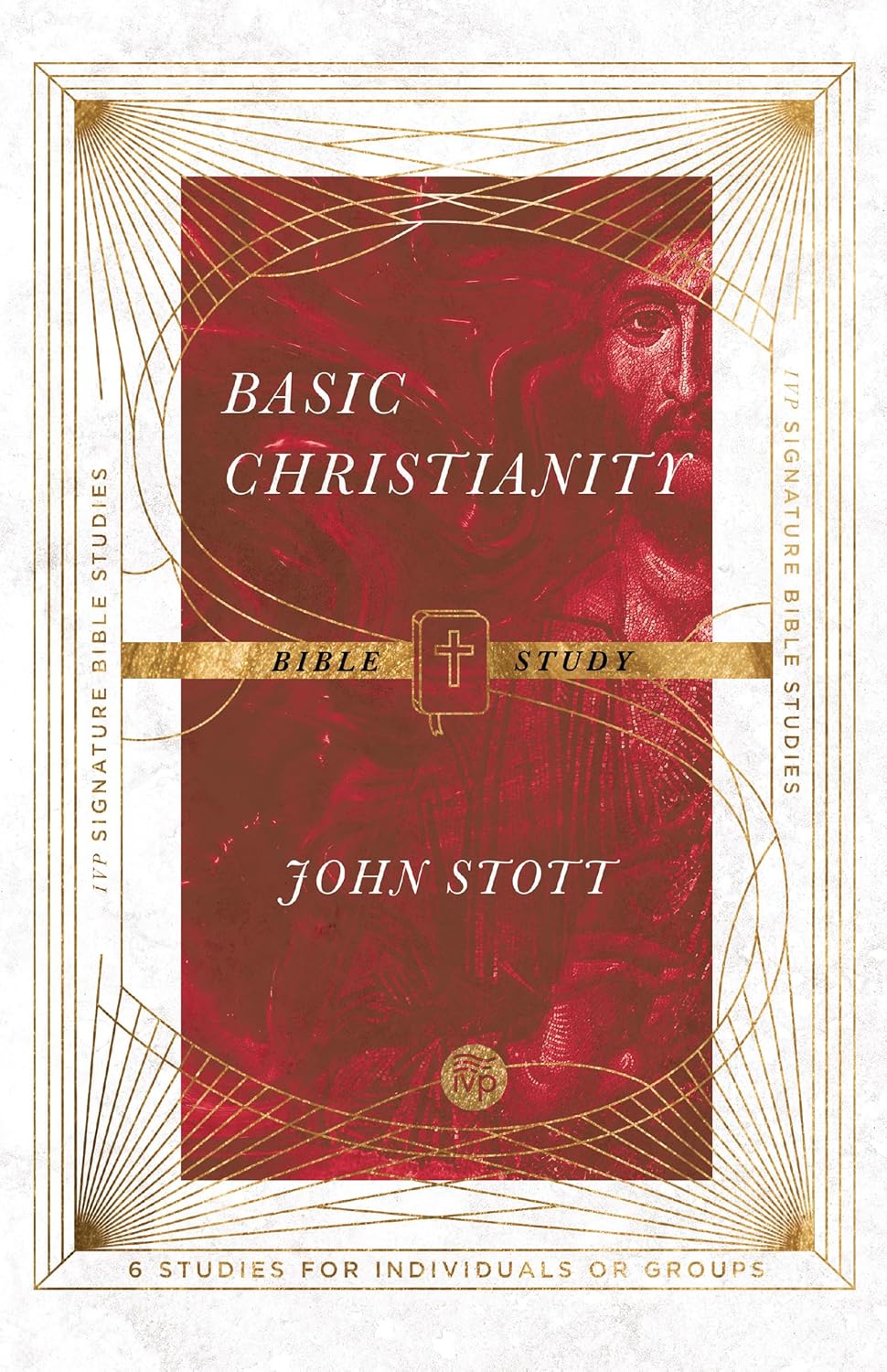
Basic Christianity
A timeless introduction to who Jesus is and what it means to follow Him according to Scripture.
View on Amazon
Don't Waste Your Life
A passionate plea to live for Christ's glory rather than trivial pursuits.
View on Amazon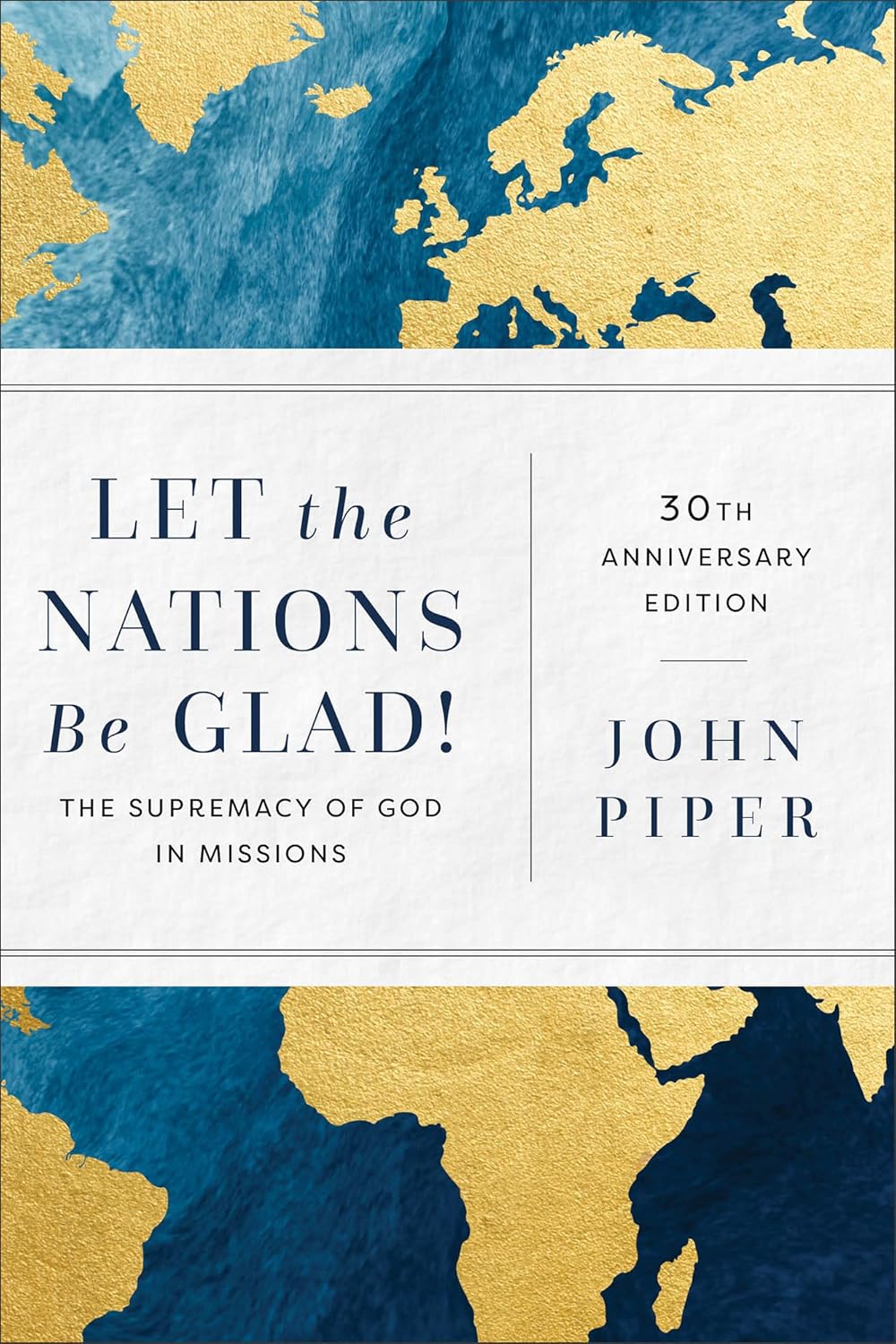
Let the Nations Be Glad!
Missions-focused theology showing that worship is the goal of evangelism to the nations.
View on Amazon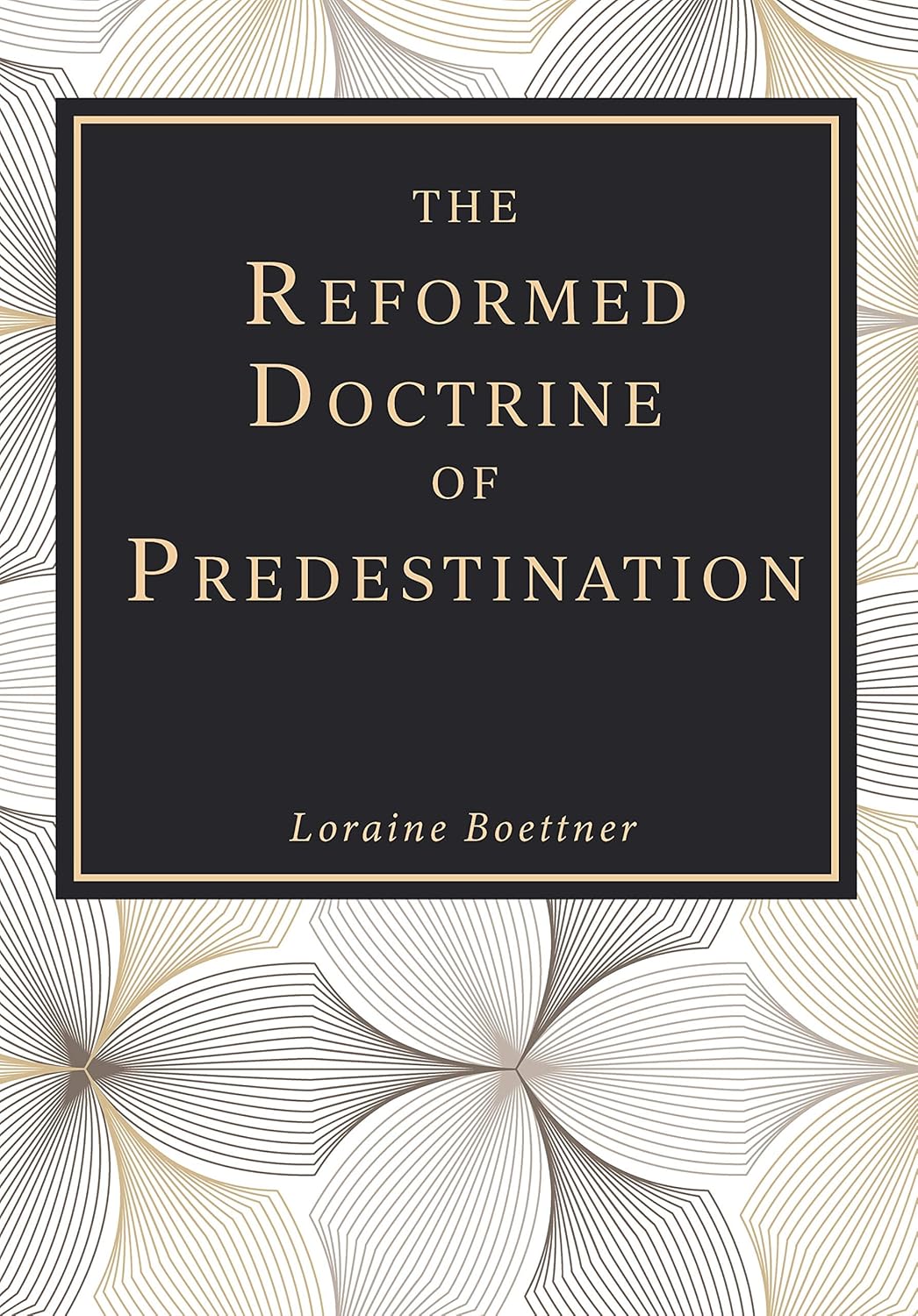
The Reformed Doctrine of Predestination
Explains and defends the doctrines of grace and God's sovereign election from Scripture.
View on Amazon
Spiritual Leadership
Biblical principles for godly leadership in the church, home, and workplace.
View on Amazon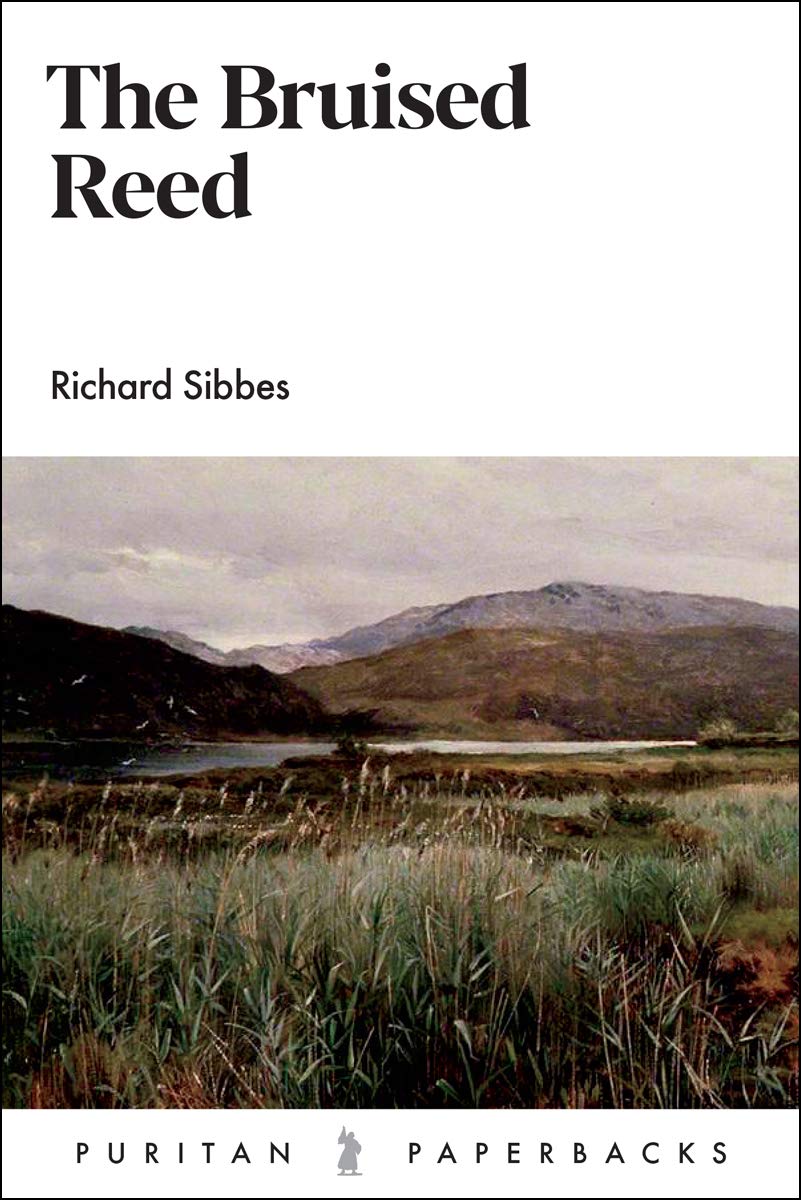
The Bruised Reed
A tender Puritan work on Christ's gentleness toward weak and struggling believers.
View on Amazon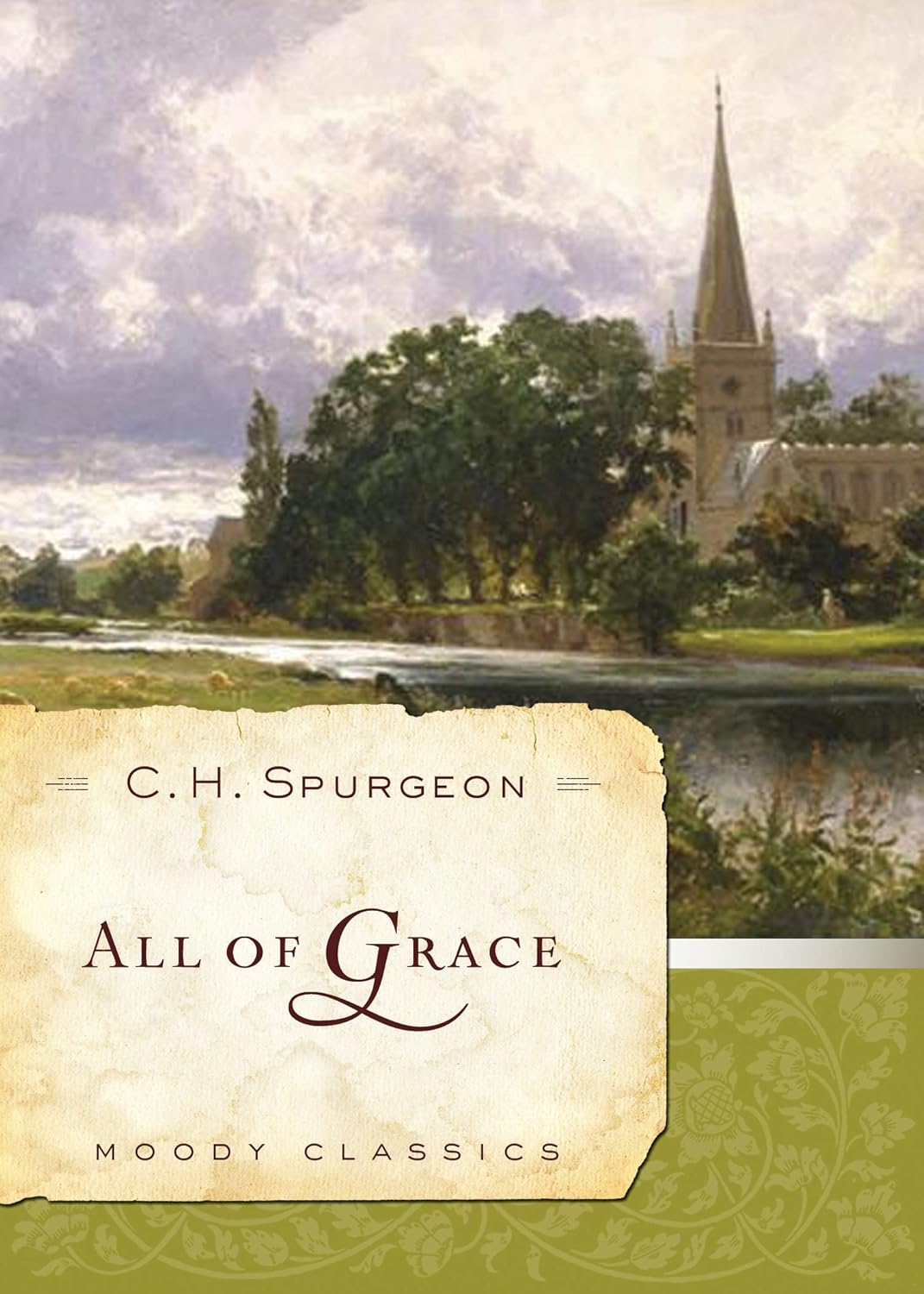
All of Grace
A simple, powerful explanation of salvation by grace through faith in Christ alone.
View on Amazon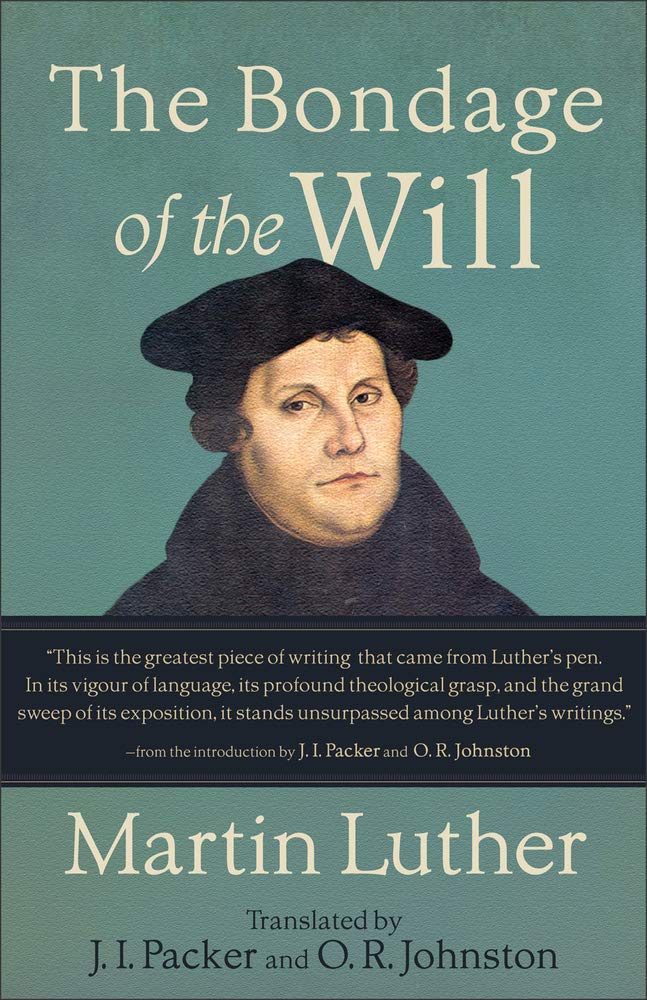
The Bondage of the Will
Luther's classic defense of the Bible's teaching on human sin and God's sovereign grace.
View on Amazon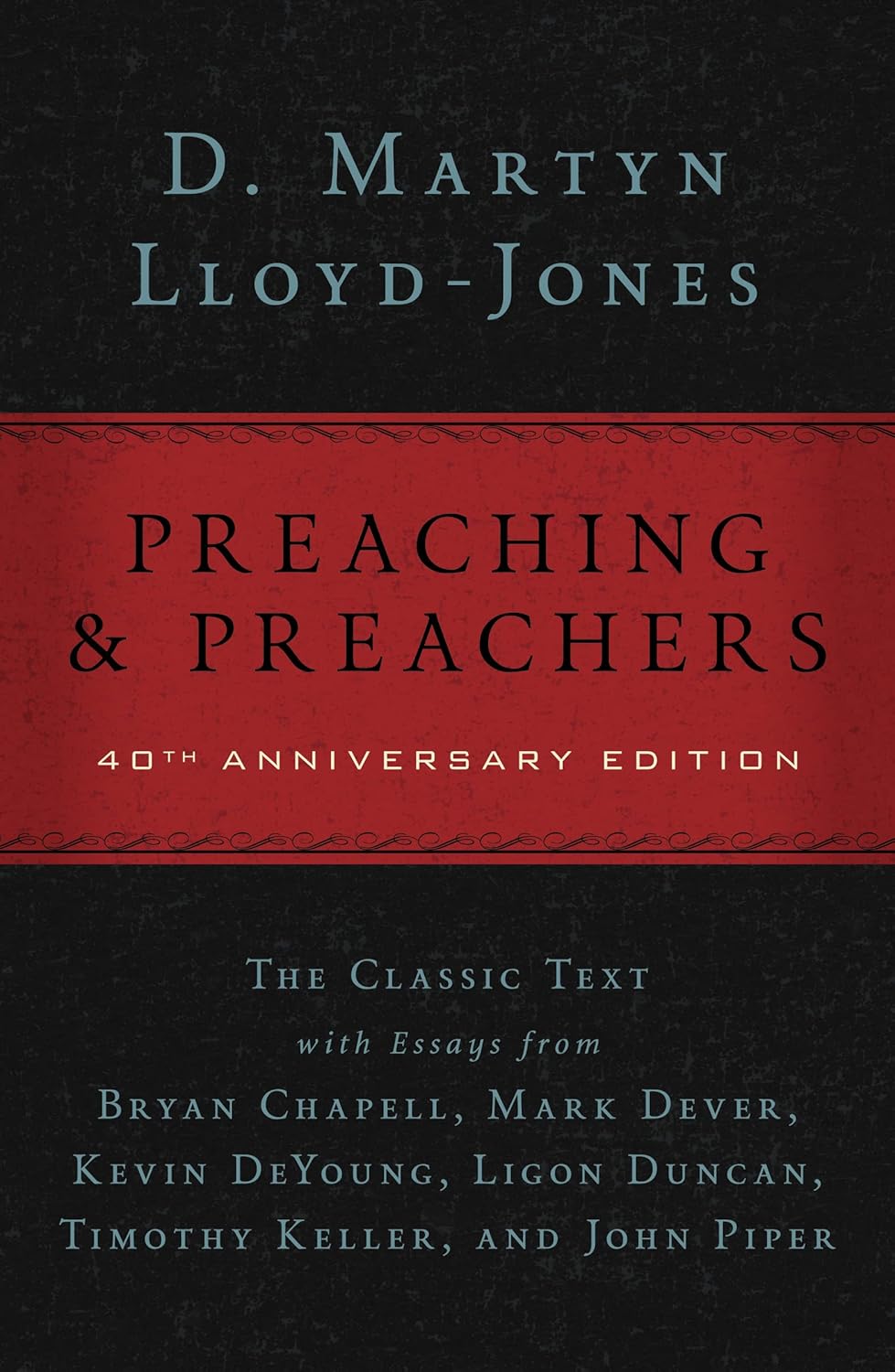
Preaching and Preachers
Classic lectures on the nature and power of biblical preaching.
View on Amazon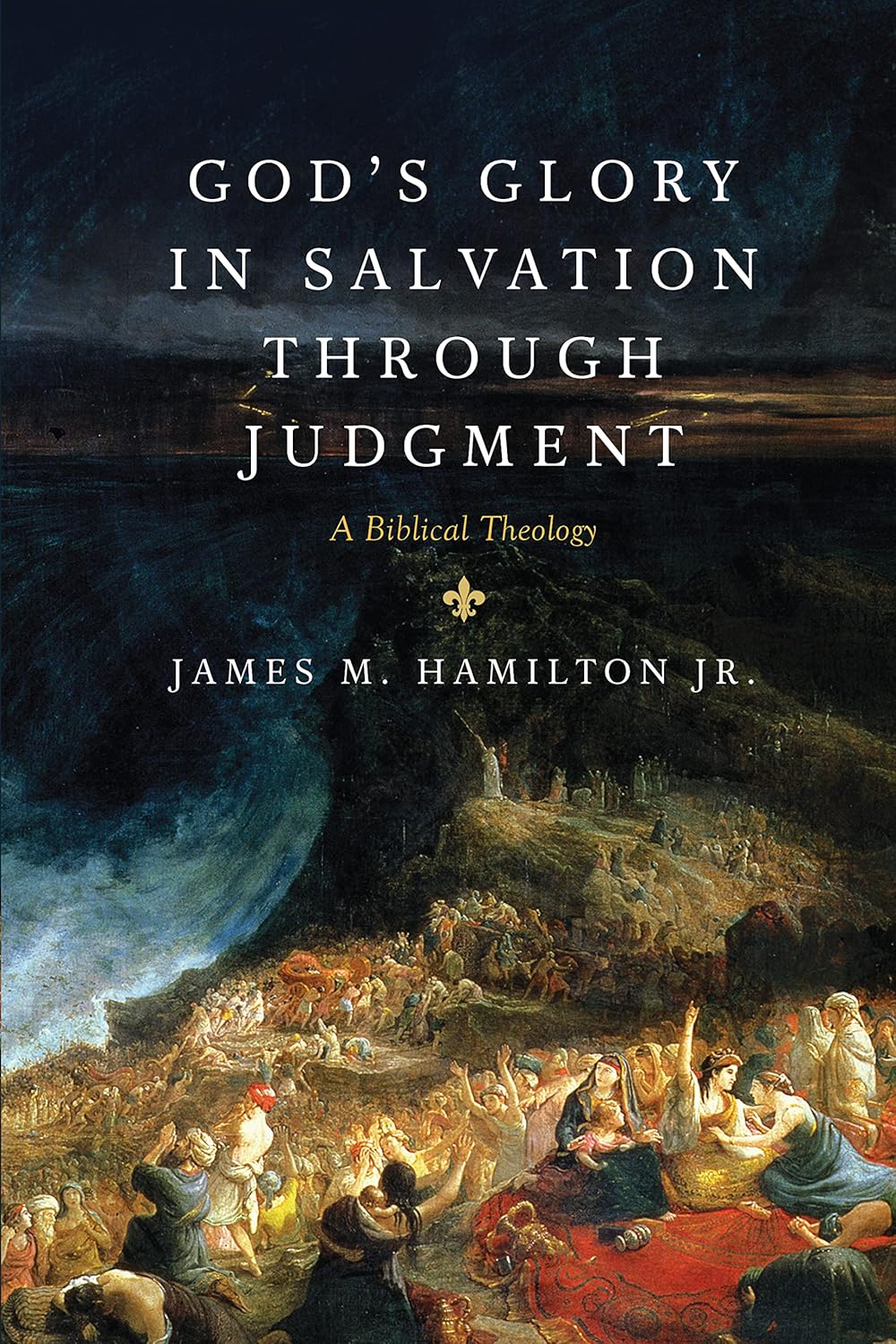
God's Glory in Salvation through Judgment
Argues that God's glory in salvation through judgment is the central theme of Scripture.
View on Amazon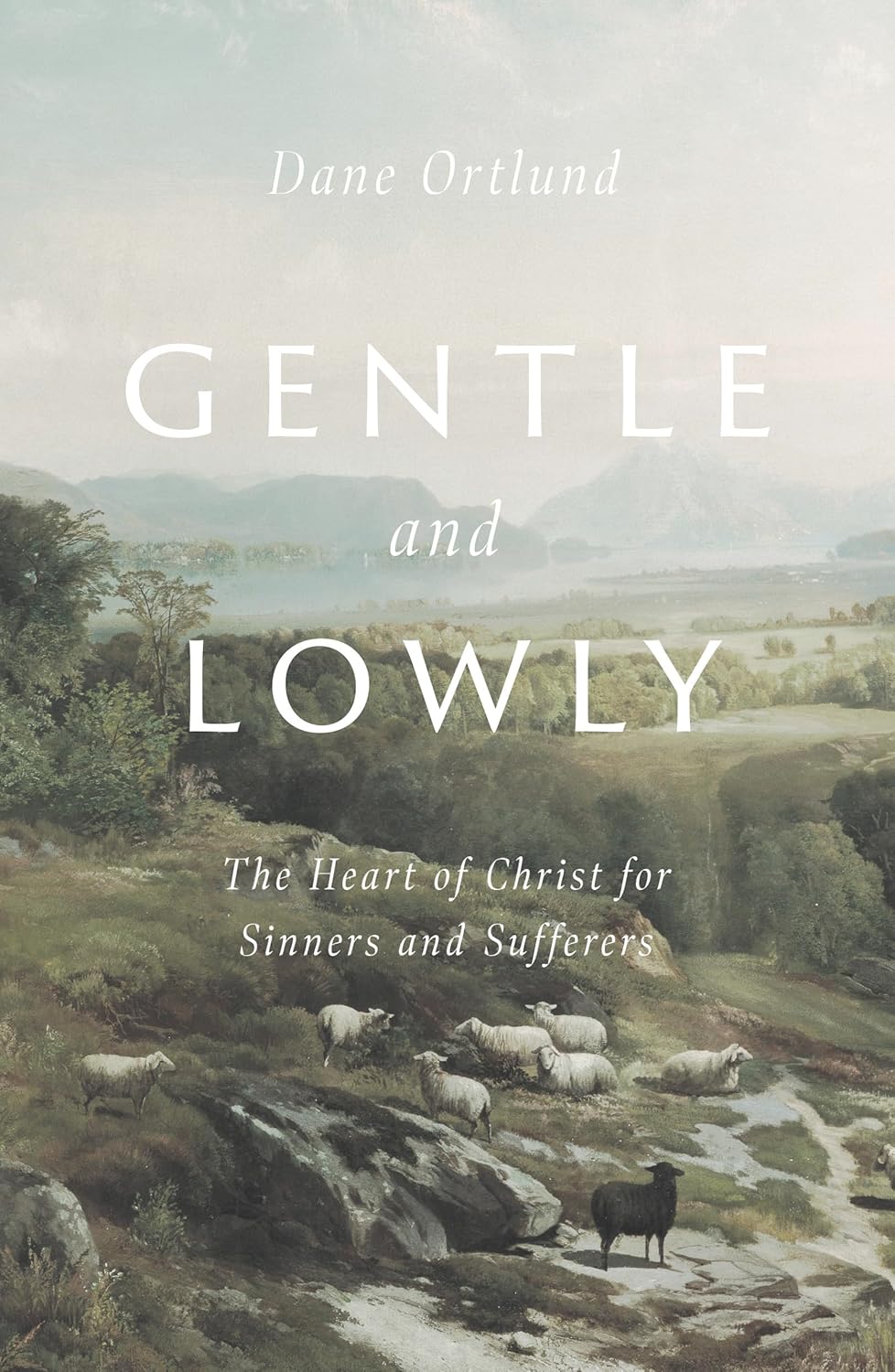
Gentle and Lowly
Meditates on Christ's heart for sinners and sufferers from key biblical texts.
View on Amazon
Christian Mission in the Modern World
Clarifies key biblical concepts like evangelism, mission, and social action.
View on Amazon
Counterfeit Gods
Exposes modern idols of the heart and points to Christ as our true treasure.
View on Amazon