

Quick Answer
The Bible does not support the existence of ghosts as disembodied spirits of dead people that can interact with the living. Scripture teaches that after death, souls go immediately to either heaven or hell. What people perceive as ghosts are likely demonic spirits masquerading as deceased humans to deceive the living. The Bible strictly forbids attempting to contact the dead or engaging in any occult practices.
Interest in ghosts and the paranormal has surged in recent years, with ghost-hunting shows, haunted tours, and psychic mediums becoming increasingly popular forms of entertainment. But what does the Bible actually say about the existence of ghosts? This article will examine the biblical perspective on ghosts, spirits, and the afterlife to determine if ghosts as commonly understood today are real according to Scripture.
Biblical Definition of Ghosts
The term “ghost” appears in some English Bible translations, but the original Hebrew and Greek words have a range of meanings including spirit, apparition, or breath. For example:
- In the Old Testament, the Hebrew word
'ôbis sometimes translated as “ghost” but more accurately means a spirit of divination or necromancy (Isaiah 29:4). - In the New Testament, the Greek word
phantasmais used when the disciples thought they saw a ghost walking on water (Matthew 14:26, Mark 6:49). This word means apparition or phantom. - The King James Version uses “ghost” frequently, including “Holy Ghost” for the Holy Spirit, but this reflects older English usage rather than a distinct biblical concept.
So biblically, “ghost” can refer to spirits in general, not specifically the disembodied souls of dead humans lingering on earth.
See more: Bible Verses about Ghosts
What Happens After Death According to the Bible?
To understand the biblical view on ghosts, we must first examine what Scripture teaches about death and the afterlife:
- At death, the soul is separated from the body (Ecclesiastes 12:7).
- The souls of believers go immediately to be with Christ in heaven (2 Corinthians 5:8, Philippians 1:23).
- The souls of unbelievers go to Hades to await final judgment (Luke 16:22-23).
- There is no intermediate state where souls wander the earth (Hebrews 9:27).
- The dead cannot normally return to earth or contact the living (Luke 16:19-31).
This biblical outline leaves no room for the standard concept of ghosts as spirits of the dead lingering in earthly locations. After death, souls face judgment and their eternal destiny – they do not remain on earth to haunt the living.
See more: Bible Verses about After Death
Biblical Examples of Spirits Appearing
While the Bible does not support ghosts as usually defined, there are a few instances of spirits of the dead appearing:
- The prophet Samuel appeared to Saul when summoned by the Witch of Endor (1 Samuel 28:3-25). However, this was a unique event allowed by God, not a normal occurrence.
- Moses and Elijah appeared with Jesus at the Transfiguration (Matthew 17:1-8). Again, this was a special circumstance, not ghosts haunting a location.
- After Jesus’ resurrection, some thought He was a ghost (Luke 24:37-39). Jesus corrected this misunderstanding, showing He had a physical body.
These examples show that while God may rarely allow the dead to appear for specific purposes, this is not the norm and does not align with popular ghost beliefs.
Spiritual Beings in the Bible
While ruling out ghosts as popularly conceived, the Bible does affirm the existence of spiritual beings that can interact with the physical world:
- Angels are spirits sent by God to minister to believers (Hebrews 1:14).
- Demons are fallen angels who oppose God and can possess humans (Mark 5:1-20).
- Satan and other evil spirits can masquerade as “angels of light” to deceive (2 Corinthians 11:14-15).
These spiritual entities may account for some perceived paranormal activity, but they are not human ghosts.
Biblical Warnings Against Occult Practices
The Bible strictly forbids attempting to contact the dead or engaging in any form of occult practice:
There shall not be found among you anyone who burns his son or his daughter as an offering, anyone who practices divination or tells fortunes or interprets omens, or a sorcerer or a charmer or a medium or a necromancer or one who inquires of the dead, for whoever does these things is an abomination to the Lord. And because of these abominations the Lord your God is driving them out before you.
Deuteronomy 18:10-12 (ESV)
Other passages also condemn necromancy and divination (Leviticus 19:31, Isaiah 8:19). These prohibitions indicate that while the occult may tap into real spiritual forces, they are demonic in nature and not the ghosts of dead humans.
Explaining Ghostly Experiences
If ghosts as popularly understood don’t exist according to the Bible, how can we explain reported ghostly encounters? Several possibilities align with a biblical worldview:
- Demonic deception: Evil spirits masquerading as human ghosts to mislead people.
- Psychological factors: Grief, suggestion, or mental health issues causing perceived experiences.
- Misinterpreted natural phenomena: Environmental factors mistaken for ghostly activity.
- Fabrication or exaggeration: Some claims may simply be untrue or embellished.
- Rare divine intervention: In some cases, God may allow a genuine appearance for His purposes.
Conclusion
In conclusion, the Bible does not support the existence of ghosts as the disembodied spirits of dead people lingering on earth. Scripture teaches that after death, souls face judgment and their eternal destiny. While the Bible affirms the reality of angels and demons as spiritual beings, it forbids attempts to contact the dead or engage in occult practices.
Reported ghostly encounters are better explained by demonic deception, psychological factors, misinterpreted phenomena, or fabrication. Christians should avoid any involvement with ghost hunting, séances, or other occult activities, instead trusting in God’s sovereignty over life and death.
As believers, we can find comfort in knowing that our departed loved ones are in God’s presence, not trapped between worlds. Rather than seeking contact with the dead, we should focus on following Christ and ministering to the living.
References
- https://www.gotquestions.org/ghosts-hauntings.html
- https://au.thegospelcoalition.org/article/lets-tell-ghost-stories
- https://blogs.bible.org/are-ghosts-real
- https://answersingenesis.org/angels-and-demons/do-you-believe-in-ghosts
- https://www.compellingtruth.org/ghosts-hauntings.html
- https://www.compellingtruth.org/paranormal-activity.html
- https://www.compellingtruth.org/familiar-spirits.html
- https://www.neverthirsty.org/bible-qa/qa-archives/question/are-ghosts-real
- https://www.neverthirsty.org/bible-qa/qa-archives/question/are-ghosts-and-spirits-angels-according-to-the-bible
- https://www.neverthirsty.org/bible-qa/qa-archives/question/can-angels-or-evil-spirits-come-and-stay-in-ones-house
- https://www.neverthirsty.org/bible-qa/qa-archives/question/are-the-holy-spirit-and-the-holy-ghost-the-same
- https://www.neverthirsty.org/bible-qa/qa-archives/question/what-can-i-do-about-my-family-members-who-deal-with-ghosts
Must-Read Christian Books

Desiring God
Piper unpacks "Christian Hedonism": that God is most glorified in us when we are most satisfied in Him, grounded in Scripture.
View on Amazon
Spiritual Disciplines for the Christian Life
Practical, biblical guidance on disciplines like prayer, Bible intake, worship, and fasting to grow in godliness.
View on Amazon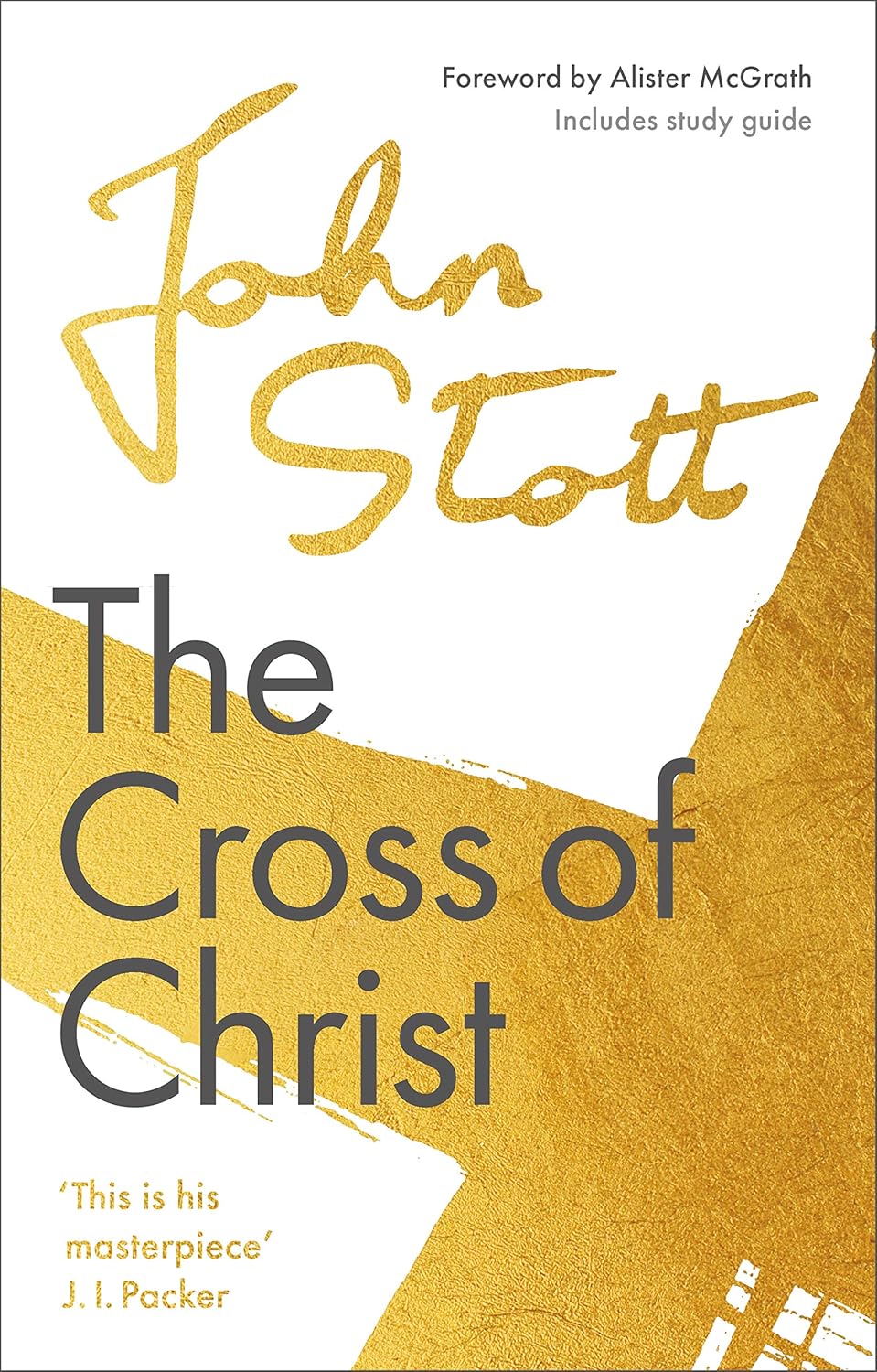
The Cross of Christ
A profound exploration of the meaning and power of the cross at the center of Christian faith and life.
View on Amazon
Scripture Alone
Explains and defends the authority and sufficiency of Scripture over all human traditions.
View on Amazon
Future Grace
Argues that faith in God's future grace frees believers from the enslaving power of sin.
View on Amazon
The Mortification of Sin
A Puritan classic urging believers to put sin to death by the power of the Spirit.
View on Amazon
The Sovereignty of God
A strong, Scripture-based defense of God's absolute rule over all things.
View on Amazon
Spiritual Leadership
Biblical principles for godly leadership in the church, home, and workplace.
View on Amazon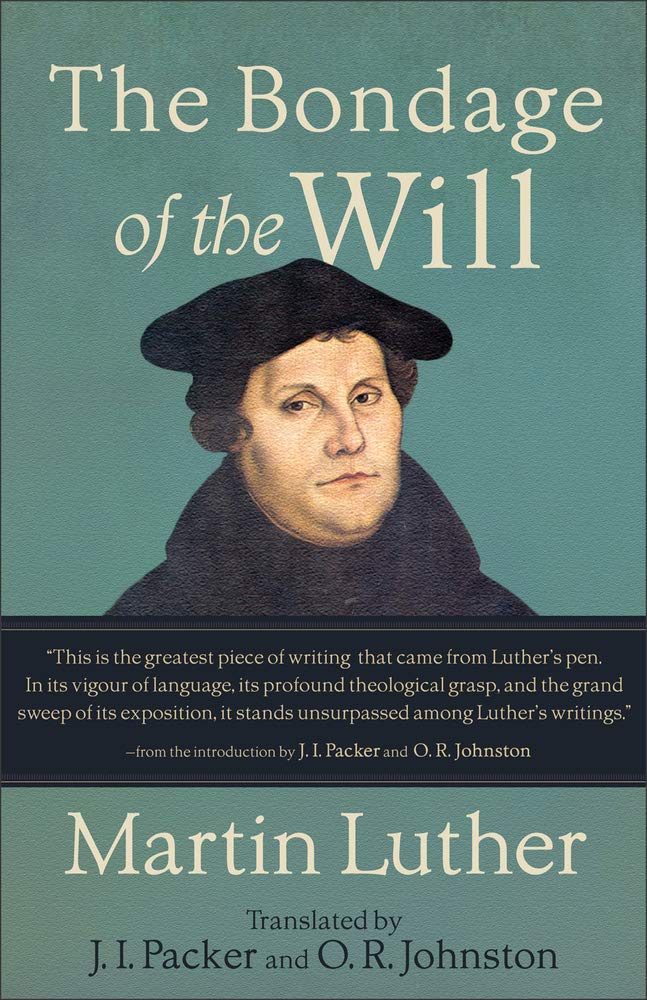
The Bondage of the Will
Luther's classic defense of the Bible's teaching on human sin and God's sovereign grace.
View on Amazon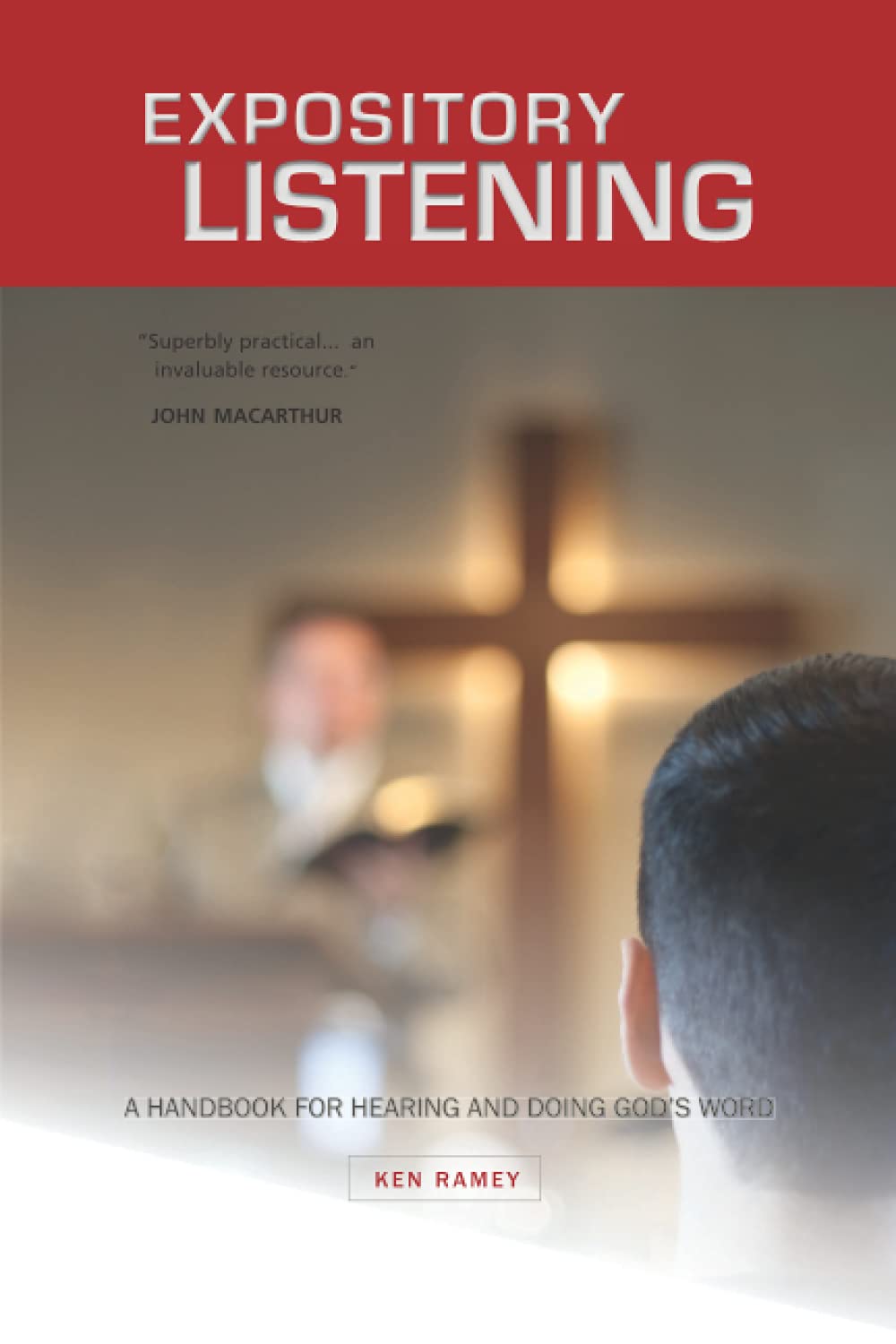
Expository Listening
Teaches Christians how to listen to expository preaching in a way that bears fruit.
View on Amazon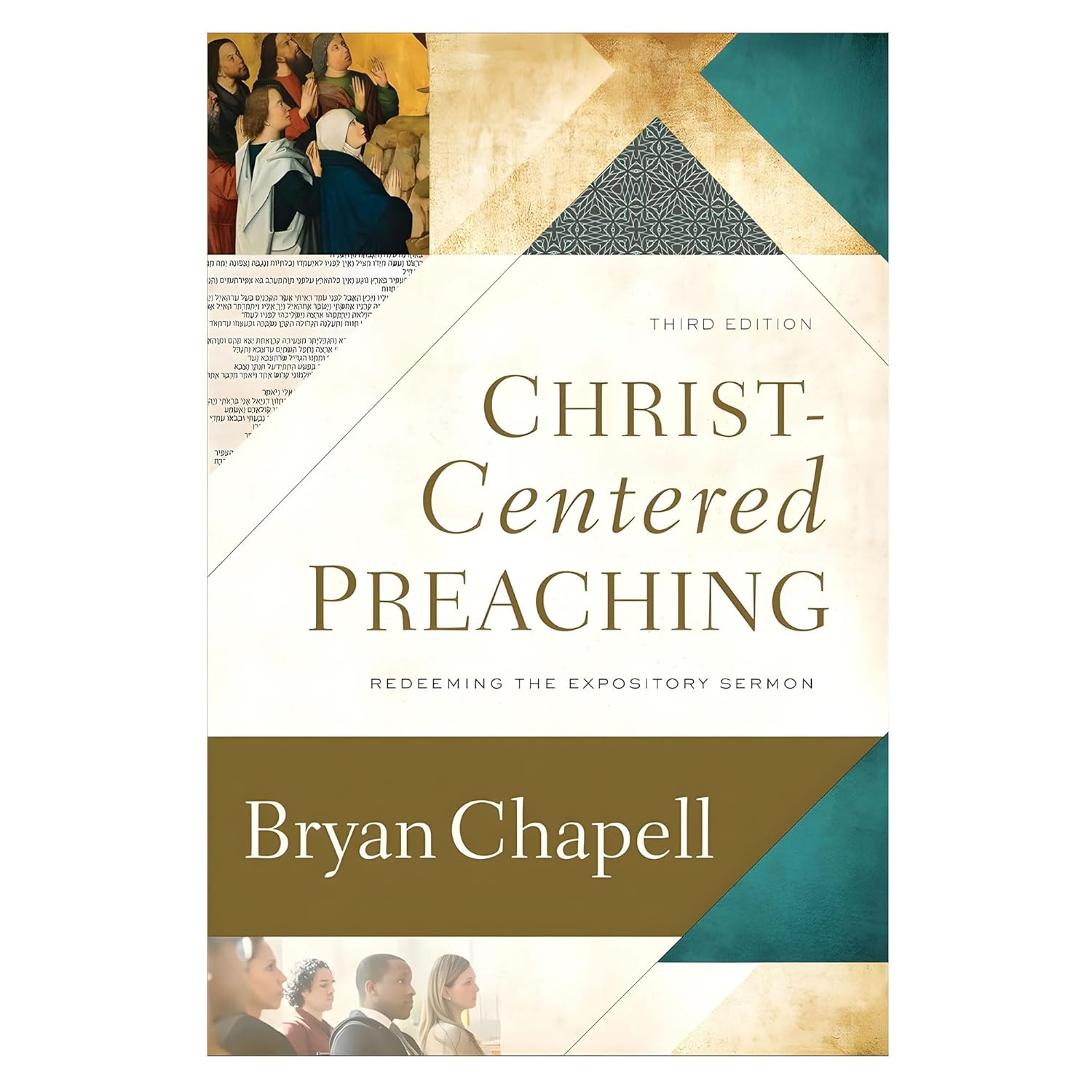
Christ-Centered Preaching
A standard textbook on preaching that shows how to proclaim Christ from all of Scripture.
View on Amazon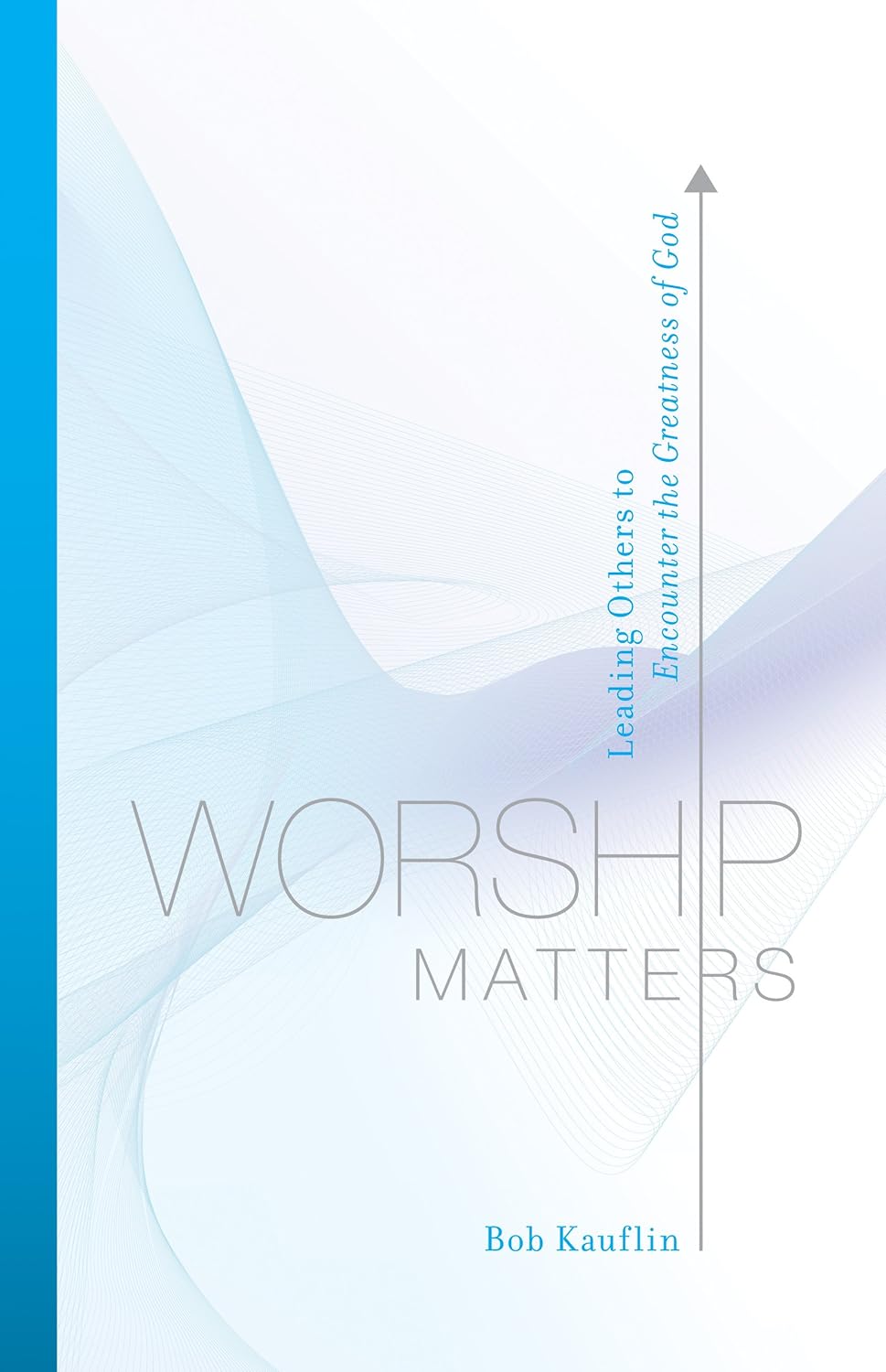
Worship Matters
Helps worship leaders and churches keep the gospel central in congregational worship.
View on Amazon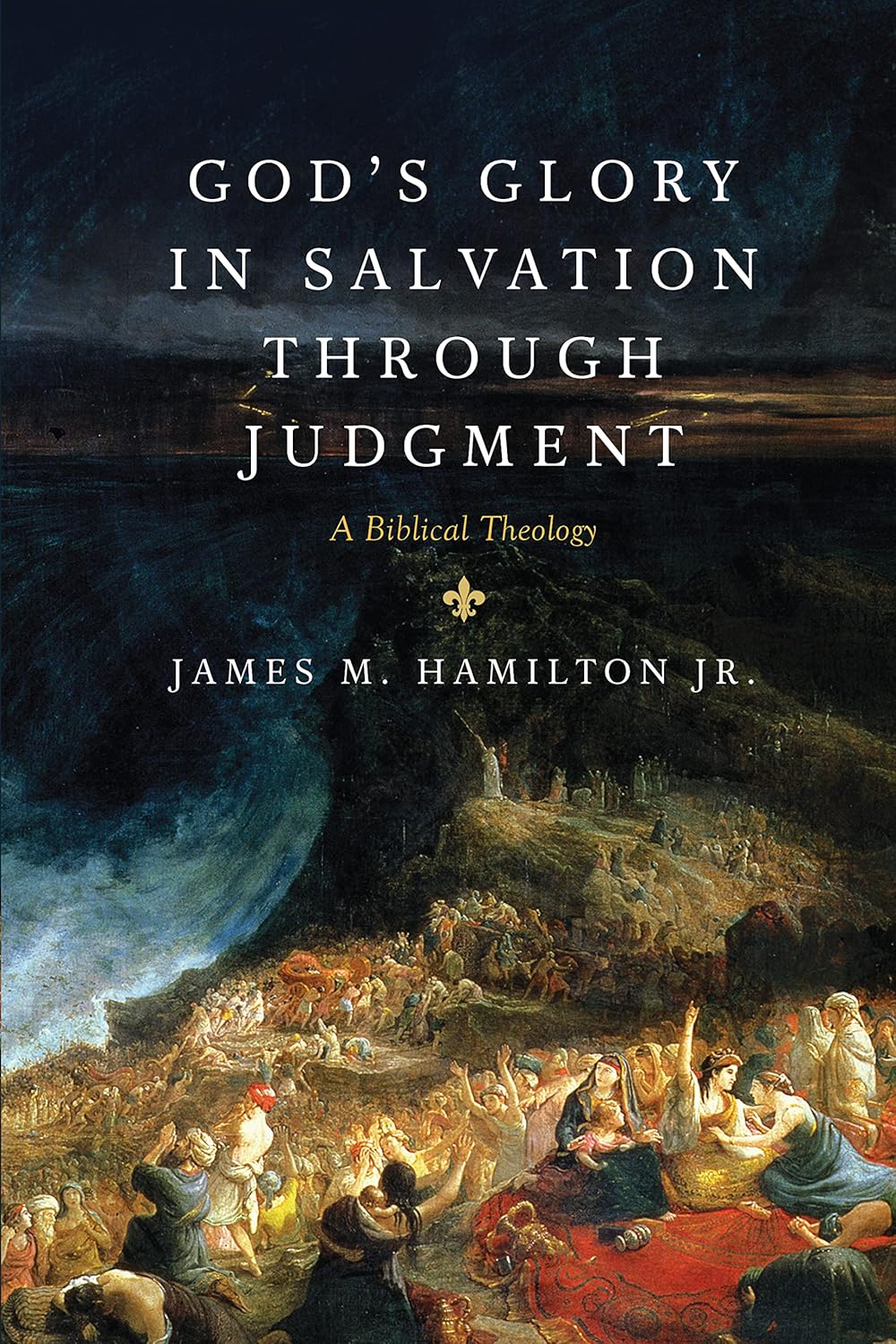
God's Glory in Salvation through Judgment
Argues that God's glory in salvation through judgment is the central theme of Scripture.
View on Amazon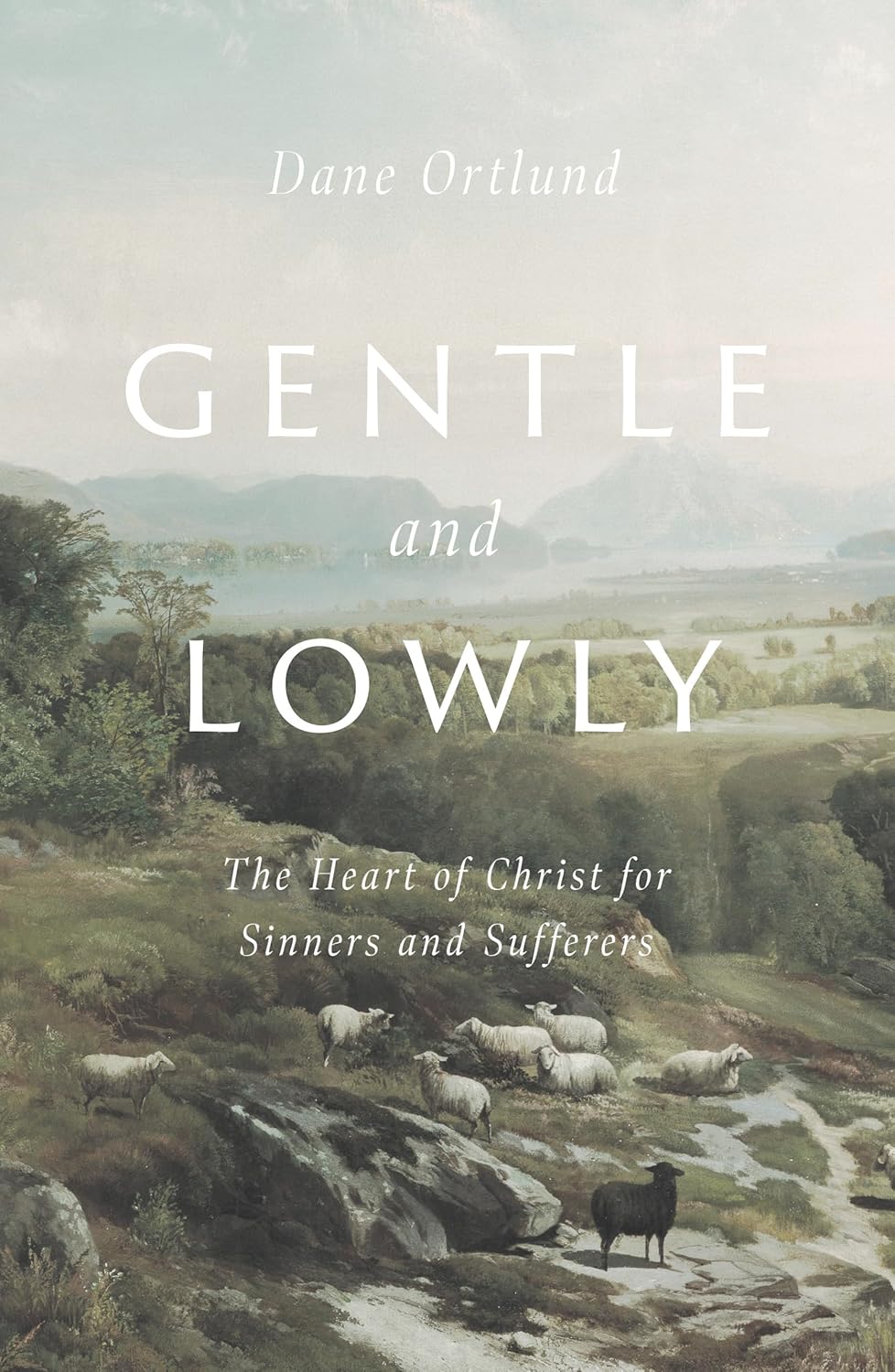
Gentle and Lowly
Meditates on Christ's heart for sinners and sufferers from key biblical texts.
View on Amazon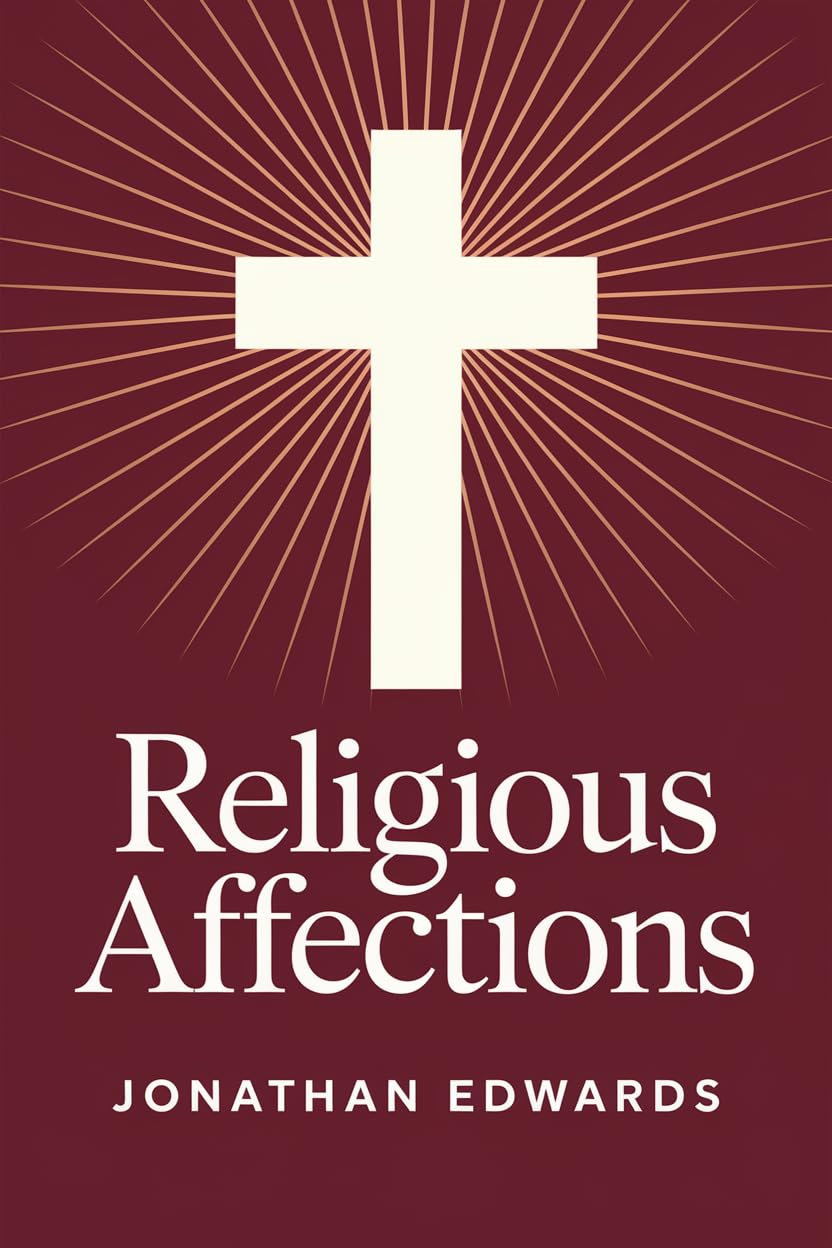
Religious Affections
Examines the nature of true spiritual experience and the marks of genuine conversion.
View on Amazon
Shepherding a Child's Heart
Biblical parenting that aims at a child's heart, not just outward behavior.
View on Amazon