

The Gospel is the heart of the Christian faith, a message of unparalleled love, hope, and redemption. At its core, the Gospel proclaims that despite our brokenness and separation from God due to sin, there is a path to reconciliation and eternal life through Jesus Christ.
The Bad News: Our Sin and Its Consequences
The Bible, God’s Word, begins by telling us that God created everything, including humanity, and it was all very good (Genesis 1:31). But this perfect creation did not last. The first humans, Adam and Eve, disobeyed God’s command, bringing sin into the world (Genesis 3). Since then, all people have sinned (Romans 3:23).
Sin is more than just making mistakes or bad choices. It is rebellion against God, a failure to live according to His perfect standard. It affects every part of our being and every aspect of our lives, leading to broken relationships, suffering, and death (Romans 6:23).
What’s more, our sin separates us from God, who is holy and just. He cannot ignore or tolerate sin. His justice requires a penalty for sin—the punishment of death (Ezekiel 18:20). This is not just physical death, but spiritual death, a state of eternal separation from God’s presence and blessing. This is the reality of hell—eternal punishment and exclusion from God’s kingdom (Matthew 25:46).
The Good News: God’s Solution to Our Sin
But God, in His great love and mercy, has provided a solution to our sin problem. He has made a way for us to be forgiven, reconciled to Him, and restored to a right relationship with Him. This is the good news—the Gospel.
The Gospel is centered on Jesus Christ, God’s Son. Jesus, who is truly God and truly man, came into the world to save sinners (1 Timothy 1:15). He lived a perfect life, completely without sin, fulfilling God’s Law that we could not (Matthew 5:17). He then willingly died on the cross, taking the punishment for our sins upon Himself (Romans 5:8).
But the story doesn’t end with Jesus’ death. On the third day, He rose from the dead, demonstrating His victory over sin and death (1 Corinthians 15:3-4). Through His death and resurrection, Jesus has made it possible for us to be forgiven and have eternal life.
Our Response: Repentance and Faith
How do we receive this gift of salvation? It is not something we can earn or achieve by our good works or religious efforts (Ephesians 2:8-9). Instead, we must respond with repentance and faith (Mark 1:15).
Repentance involves a change of mind and heart, a turning away from sin and self, and a turning to God (Acts 3:19). It is acknowledging our sin, confessing it to God, and deciding to follow His ways.
Faith involves trusting in Jesus Christ alone for our salvation (John 14:6). It is believing that He has paid the penalty for our sins and accepting His gift of eternal life. It is entrusting ourselves to Him, submitting to His Lordship, and committing to follow Him.
The Result: A New Life in Christ
When we repent and believe in Jesus, we are born again into a new life (John 3:3). We become children of God, members of His family (John 1:12). We are freed from the power of sin and given the Holy Spirit to help us live according to God’s ways (Romans 8:2; Galatians 5:16). We have the assurance of eternal life, a future resurrection, and an eternal inheritance in God’s kingdom (John 10:28; 1 Peter 1:3-4).
Moreover, as followers of Jesus, we are called to live lives of love, holiness, and service, reflecting God’s character and proclaiming His Gospel to others (Matthew 28:19-20; Ephesians 2:10). While we will still face challenges and struggles in this life, we can have peace, joy, and hope in Christ (John 16:33; Romans 15:13).
This is the Gospel, the good news of salvation in Jesus Christ. It is the power of God for the salvation of everyone who believes (Romans 1:16). It is the message of hope for a broken world. It is the truth that can set us free (John 8:32).
Must-Read Christian Books
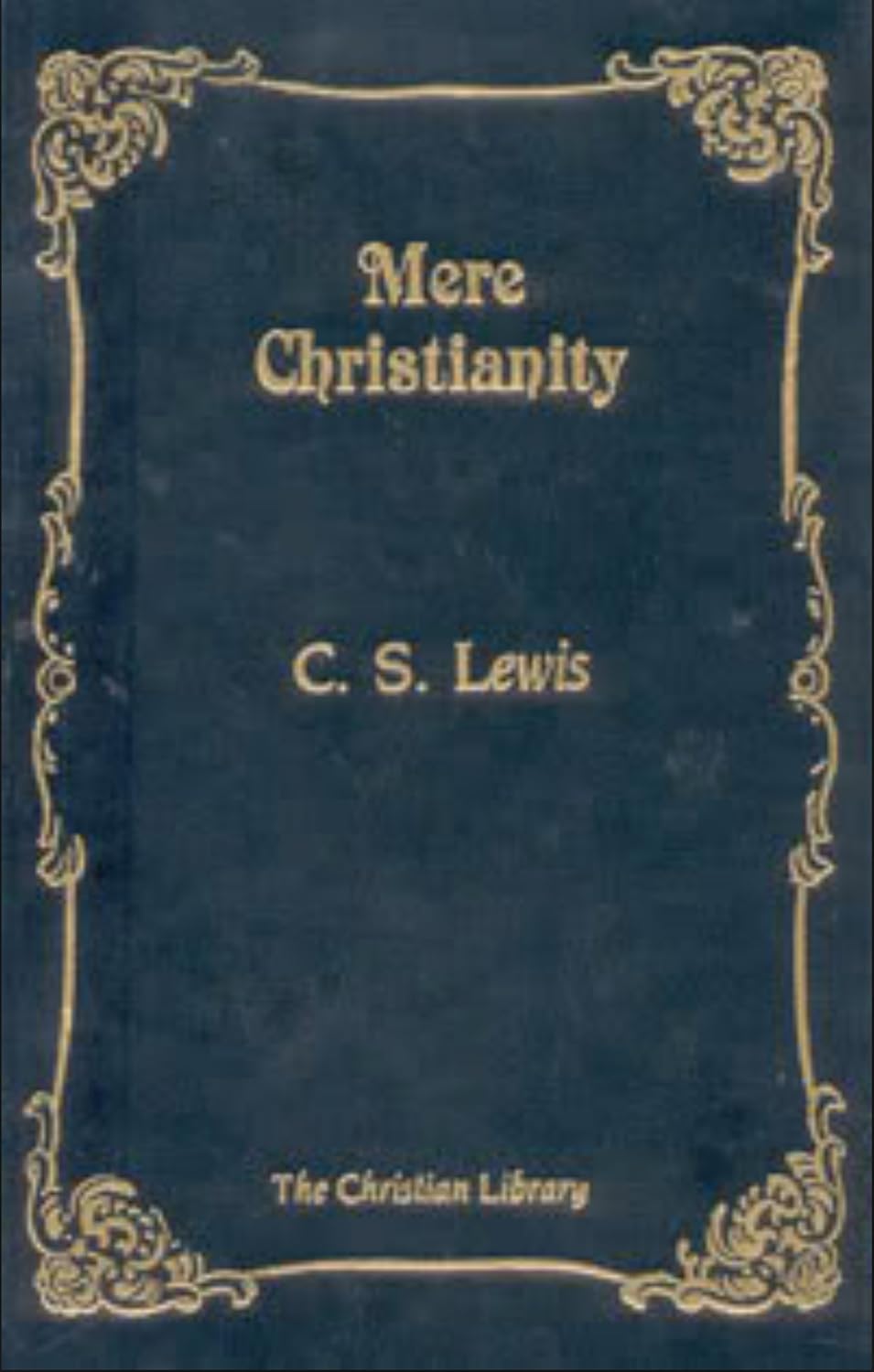
Mere Christianity
Lewis lays out the core beliefs of the Christian faith with clarity, logic, and imagination, rooted in Scripture.
View on Amazon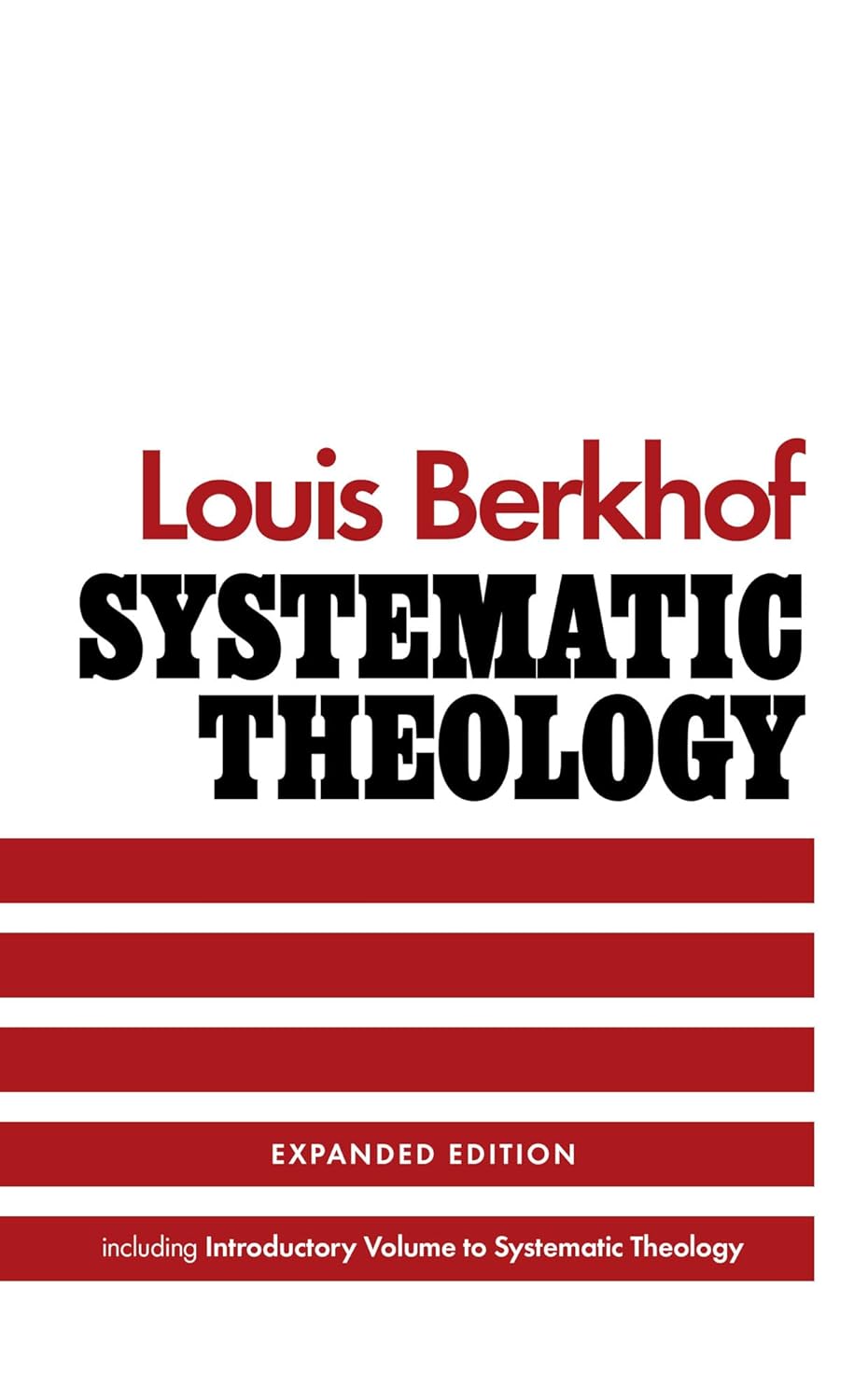
Systematic Theology
A classic Reformed theology text, rich in biblical exegesis and doctrinal clarity.
View on Amazon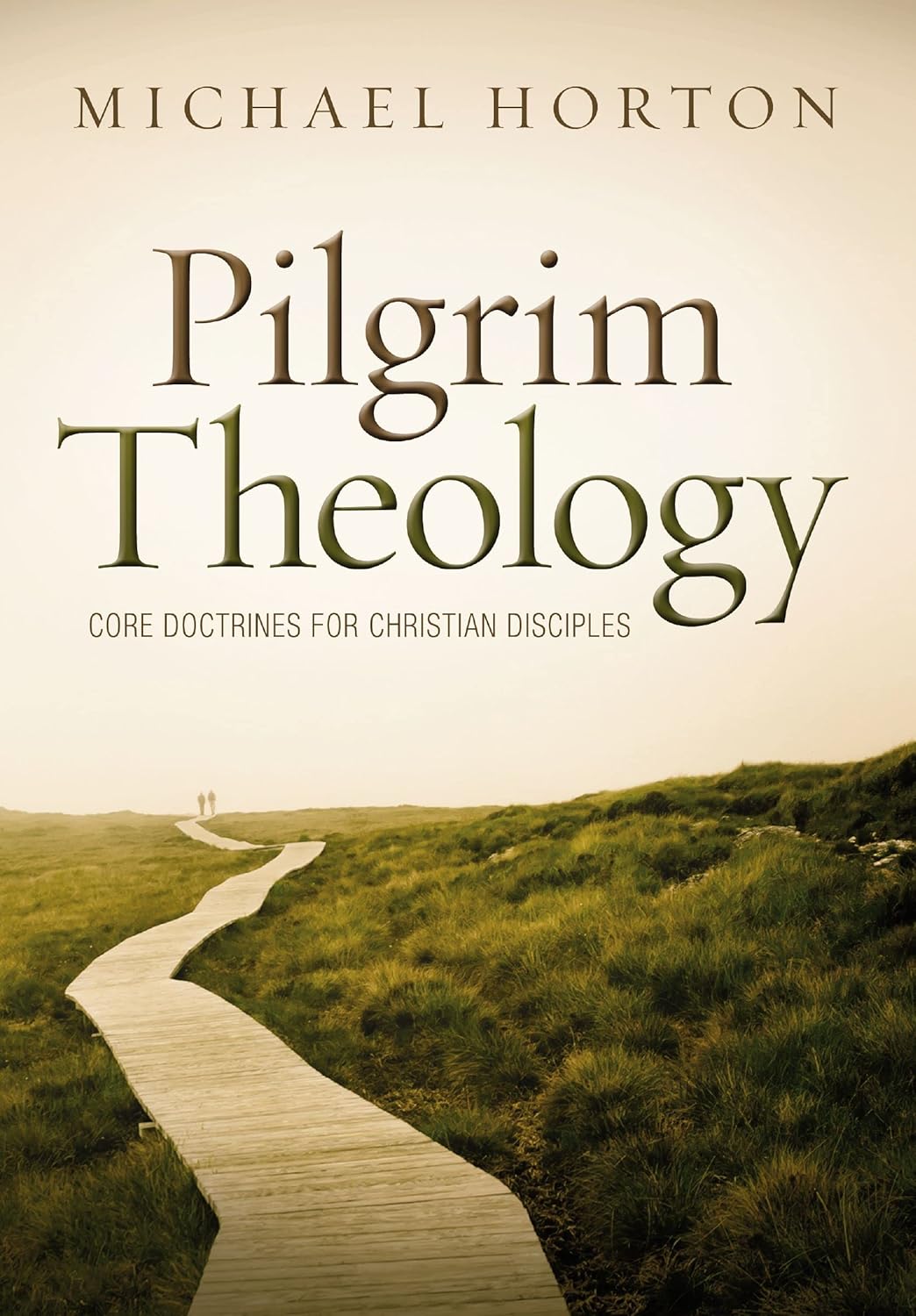
Pilgrim Theology
An accessible summary of Reformed theology that connects doctrine to the Christian life.
View on Amazon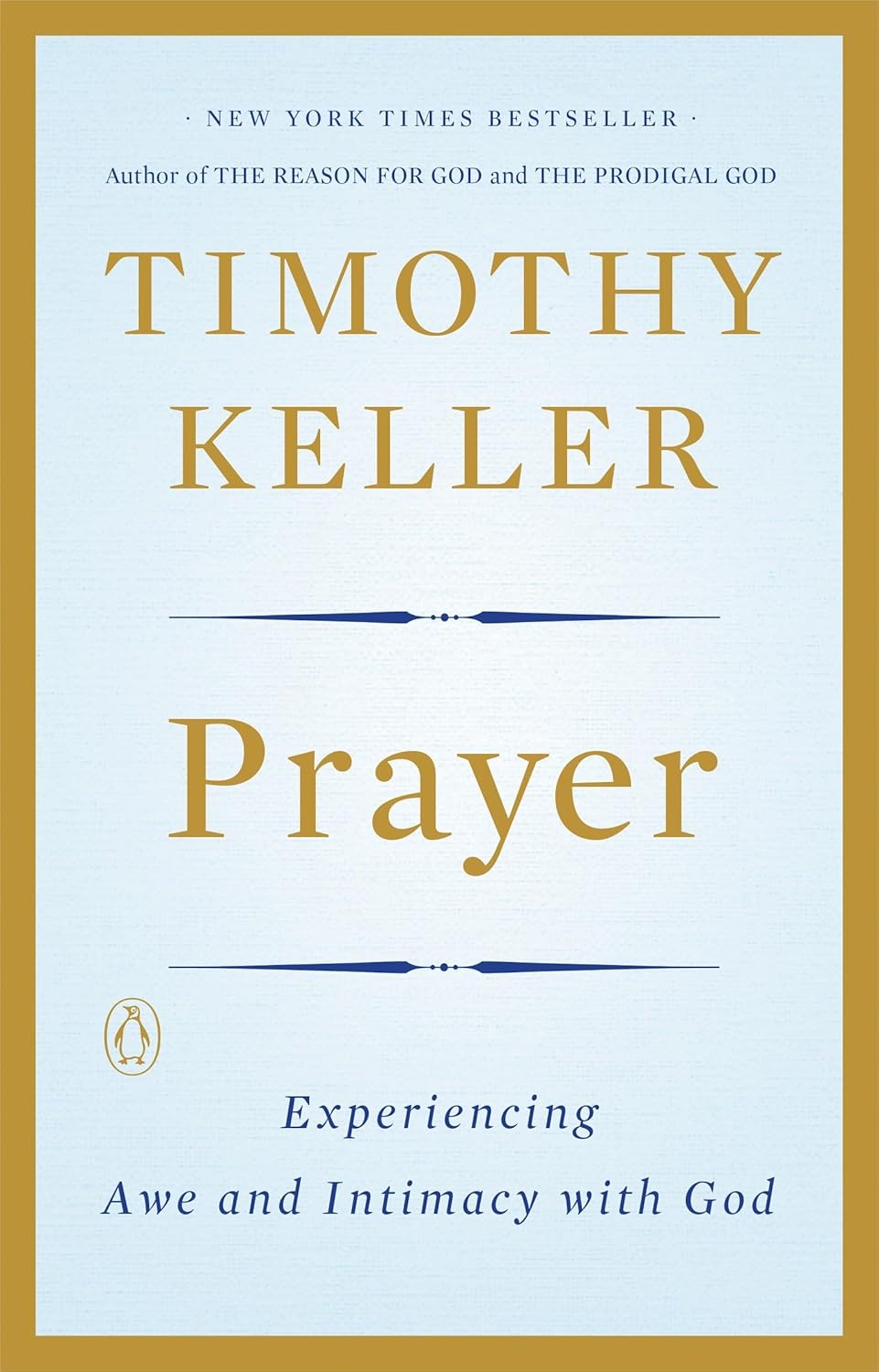
Prayer: Experiencing Awe and Intimacy with God
A robust, Scripture-saturated theology of prayer with practical guidance for deepening communion with God.
View on Amazon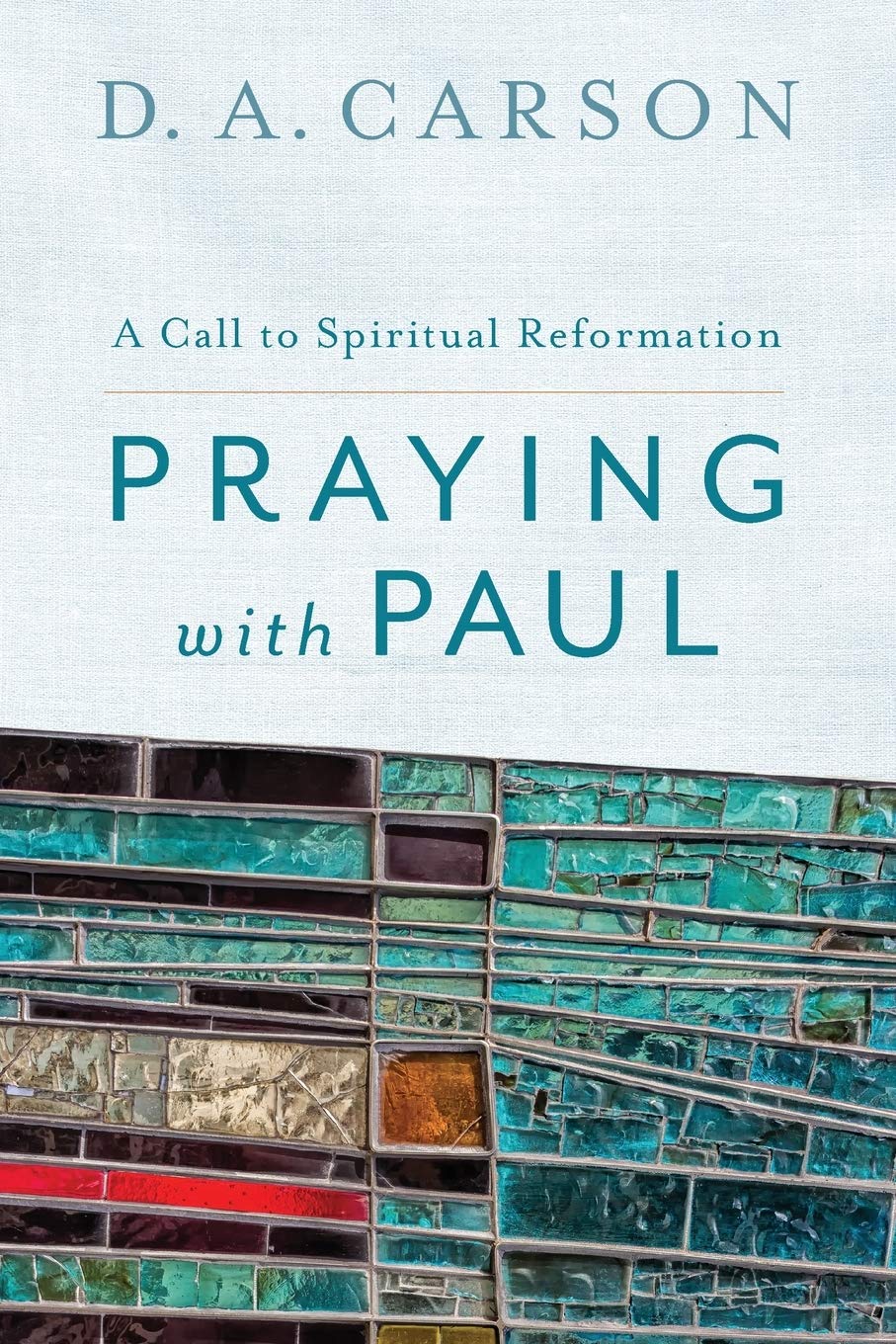
A Call to Spiritual Reformation
Walks through Paul's prayers to teach believers how to pray biblically and God-centeredly.
View on Amazon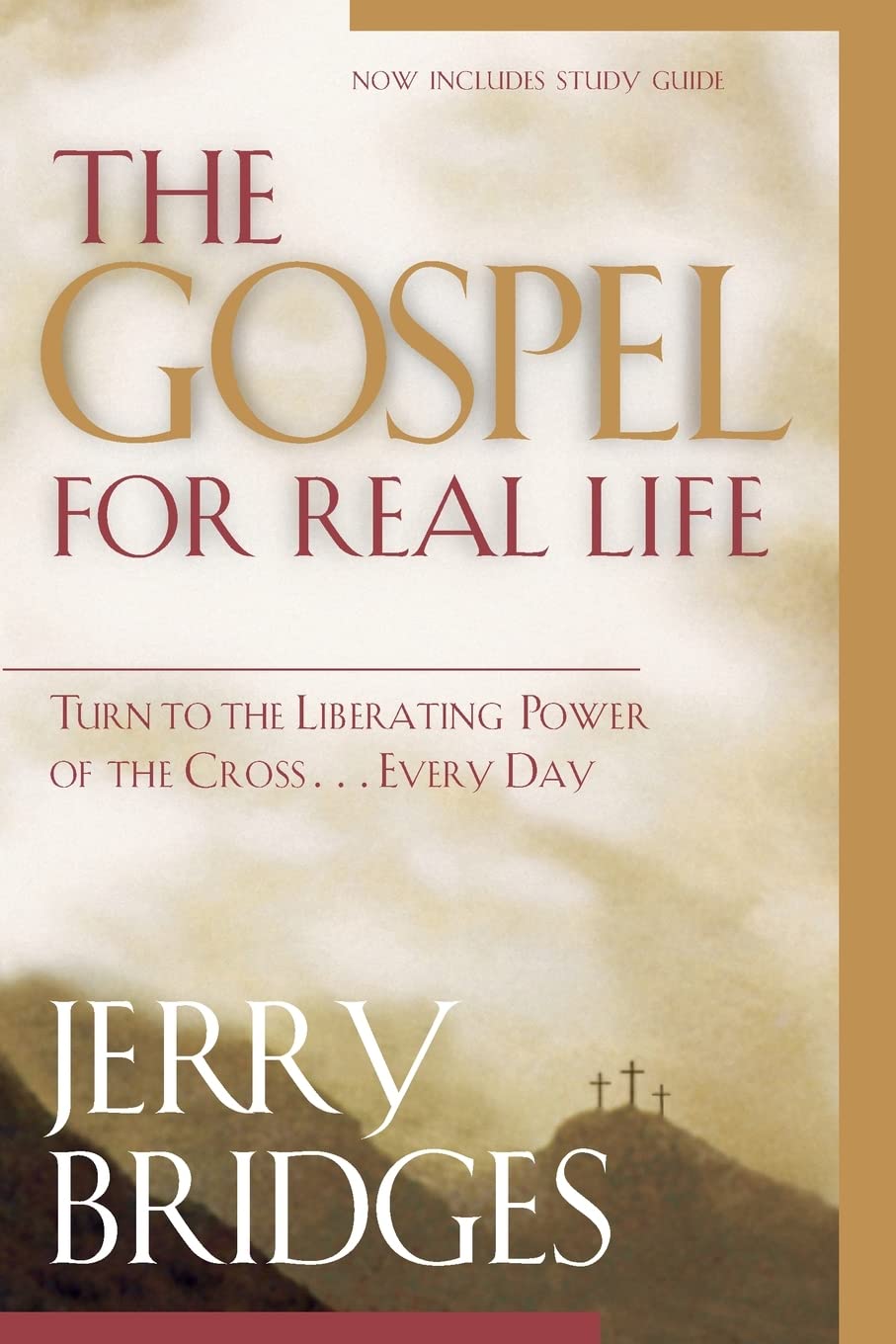
The Gospel for Real Life
Shows how the finished work of Christ applies to everyday struggles and assurance.
View on Amazon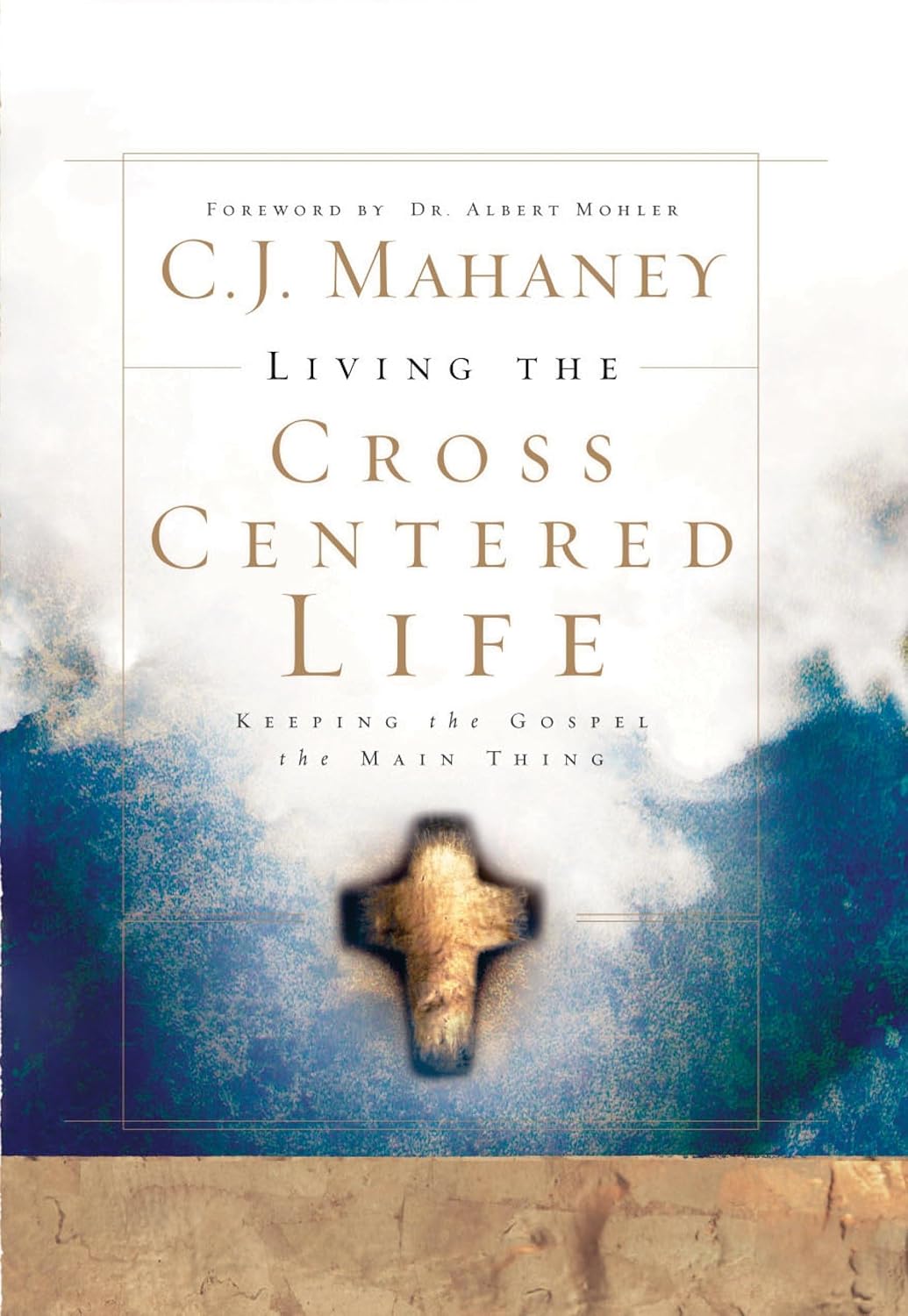
Living the Cross-Centered Life
A call to keep Christ's cross at the center of our thinking, worship, and daily living.
View on Amazon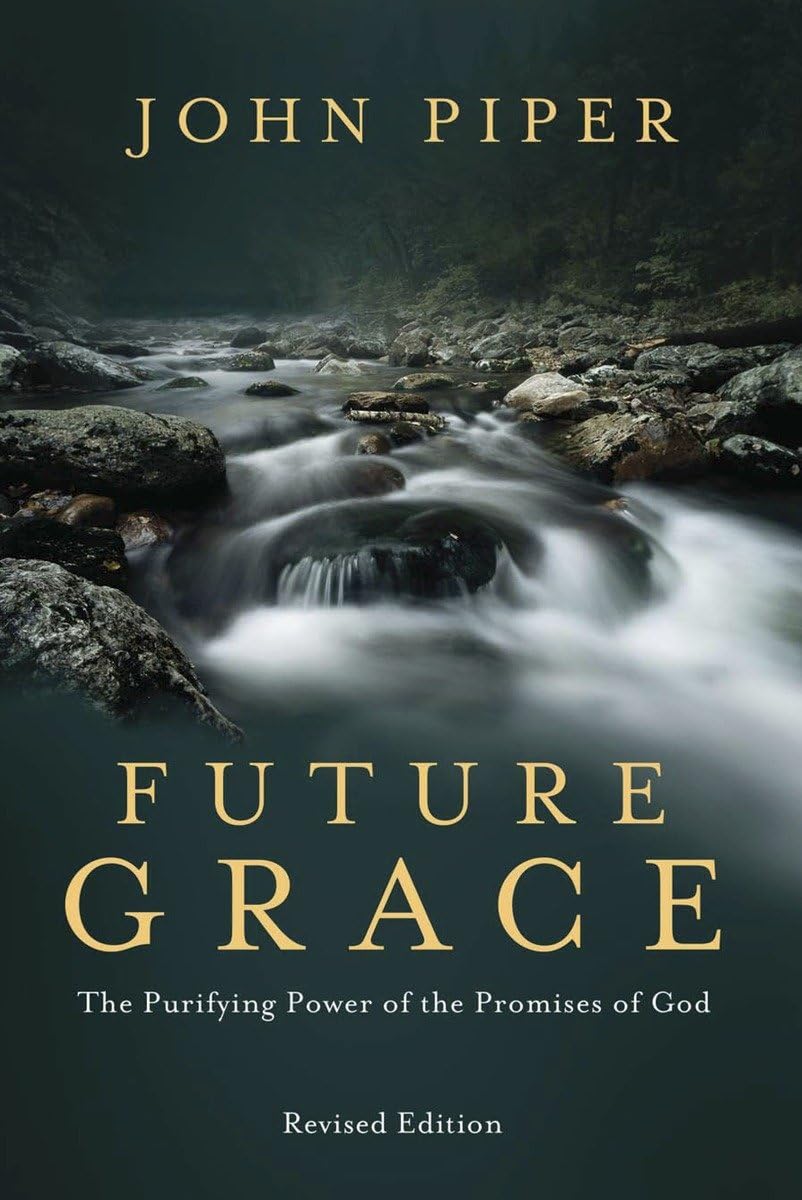
Future Grace
Argues that faith in God's future grace frees believers from the enslaving power of sin.
View on Amazon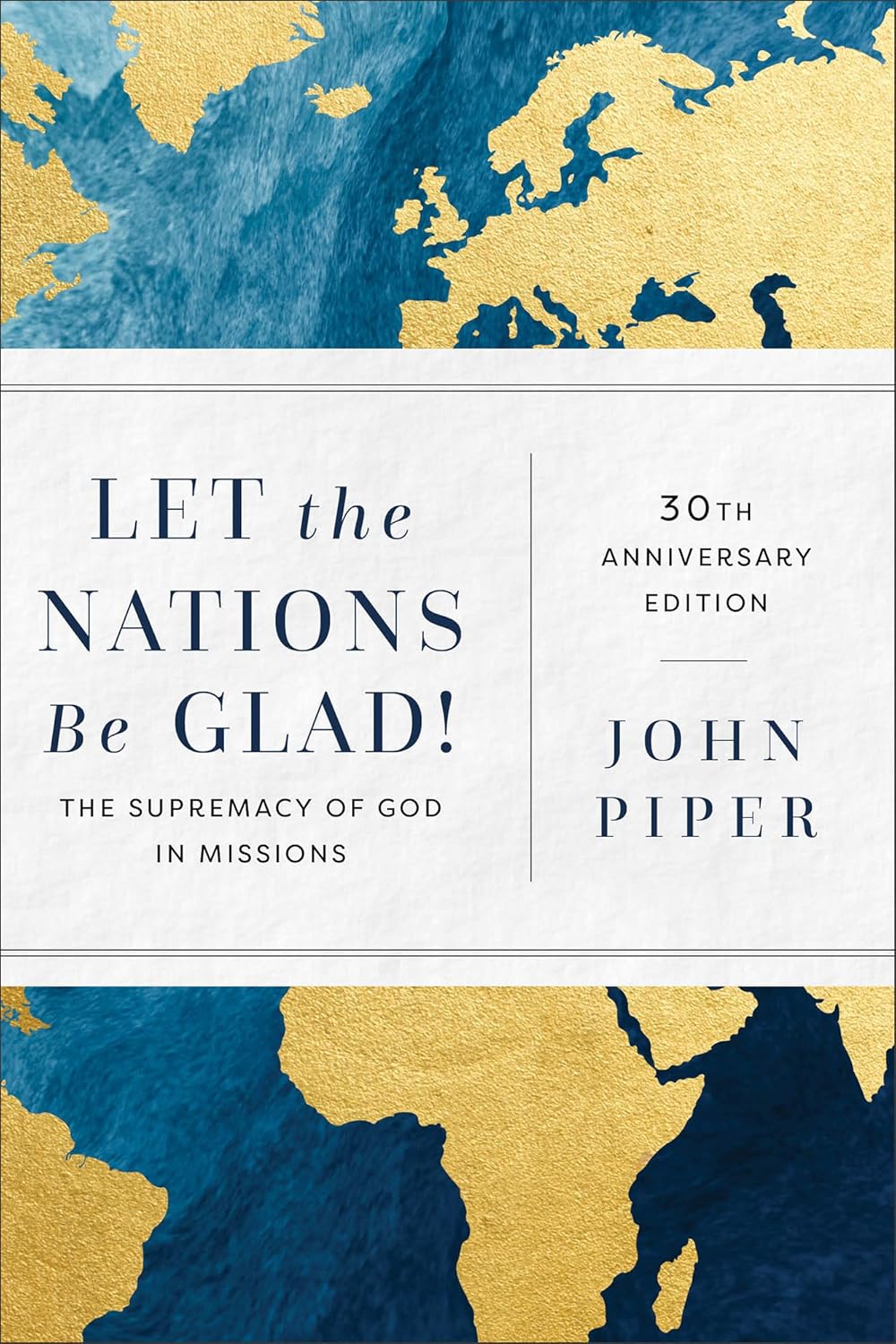
Let the Nations Be Glad!
Missions-focused theology showing that worship is the goal of evangelism to the nations.
View on Amazon
According to Plan
An introduction to biblical theology that shows how all Scripture points to Christ.
View on Amazon
The Sovereignty of God
A strong, Scripture-based defense of God's absolute rule over all things.
View on Amazon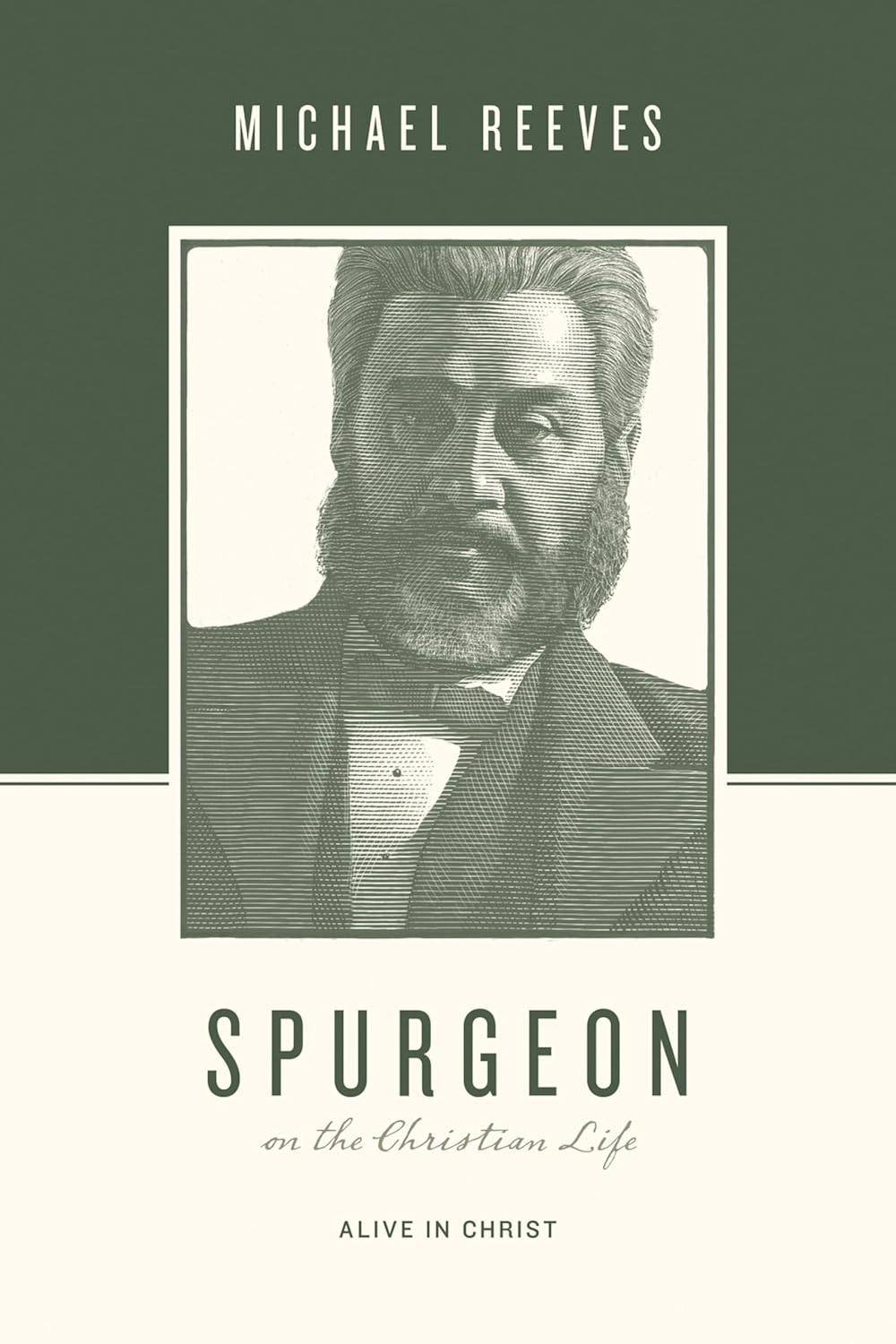
Spurgeon on the Christian Life
A portrait of Charles Spurgeon's Christ-centered theology and joyful piety.
View on Amazon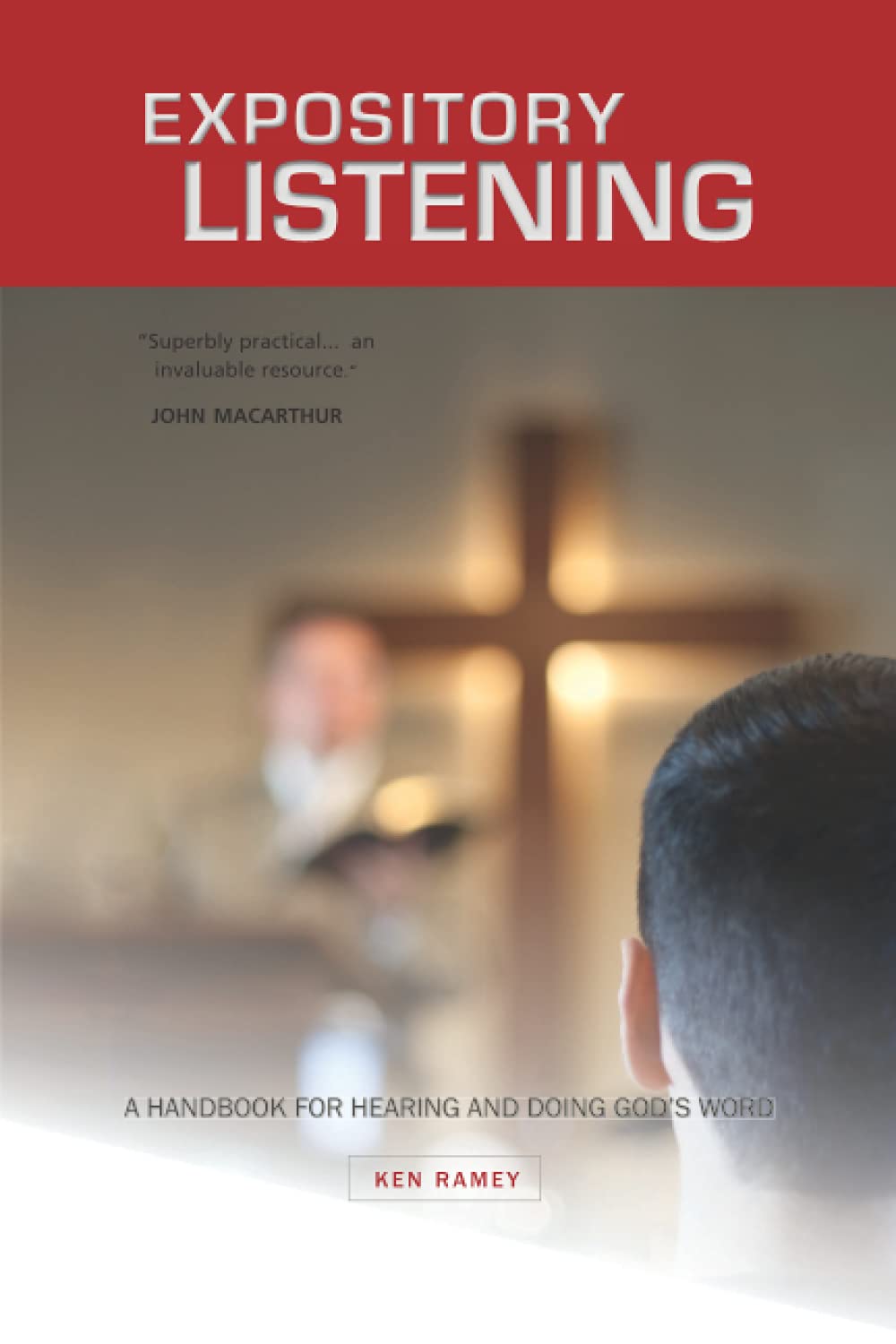
Expository Listening
Teaches Christians how to listen to expository preaching in a way that bears fruit.
View on Amazon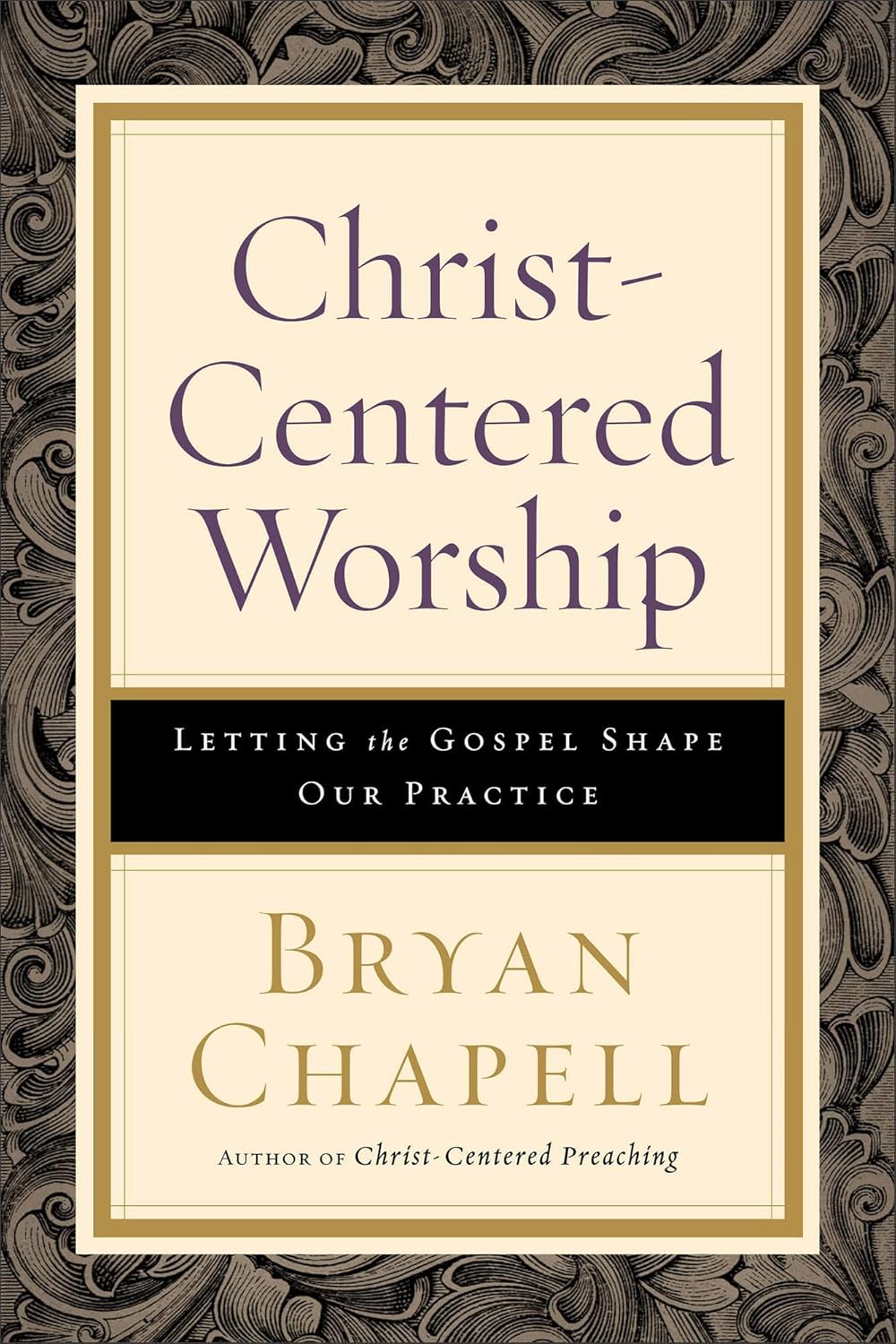
Christ-Centered Worship
Traces historic worship patterns and shows how to shape Christ-focused services today.
View on Amazon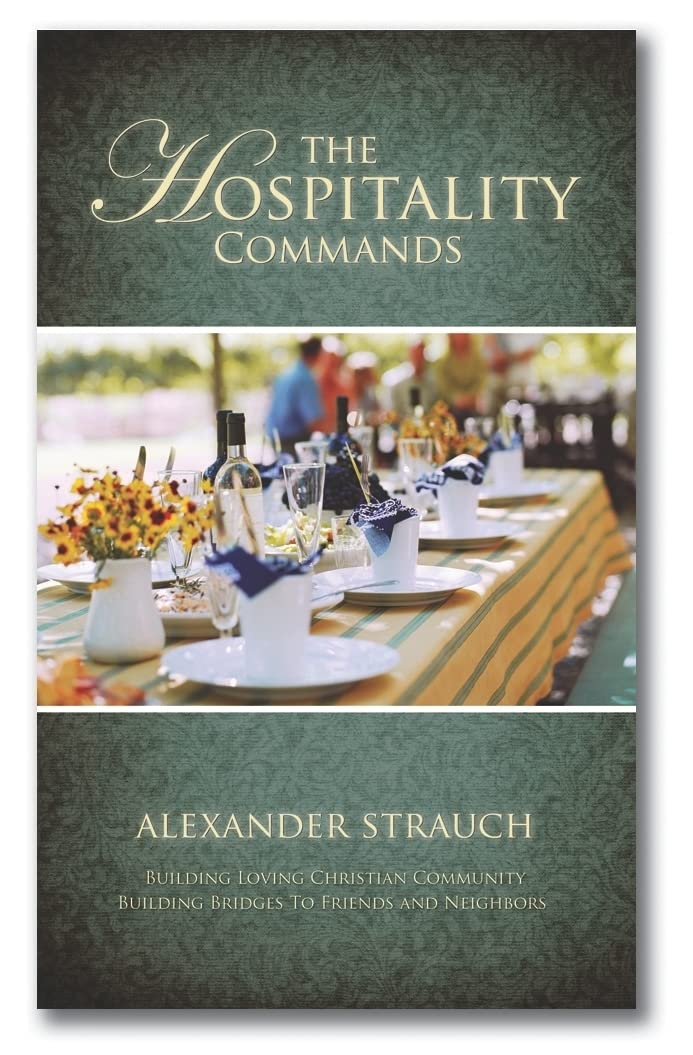
The Hospitality Commands
Shows from Scripture how vital hospitality is to Christian obedience and fellowship.
View on Amazon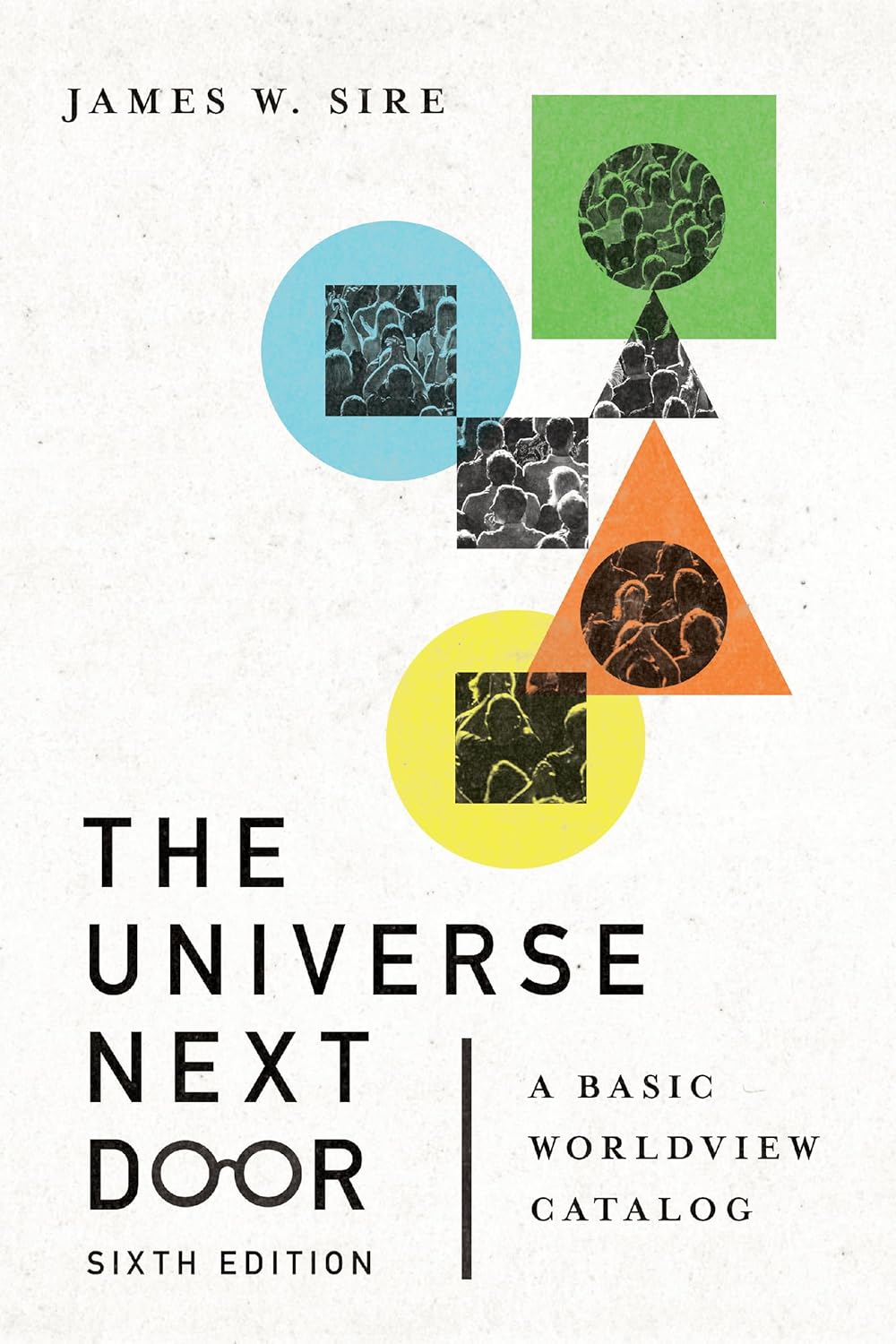
The Universe Next Door
Surveys competing worldviews and contrasts them with the Christian view of reality.
View on Amazon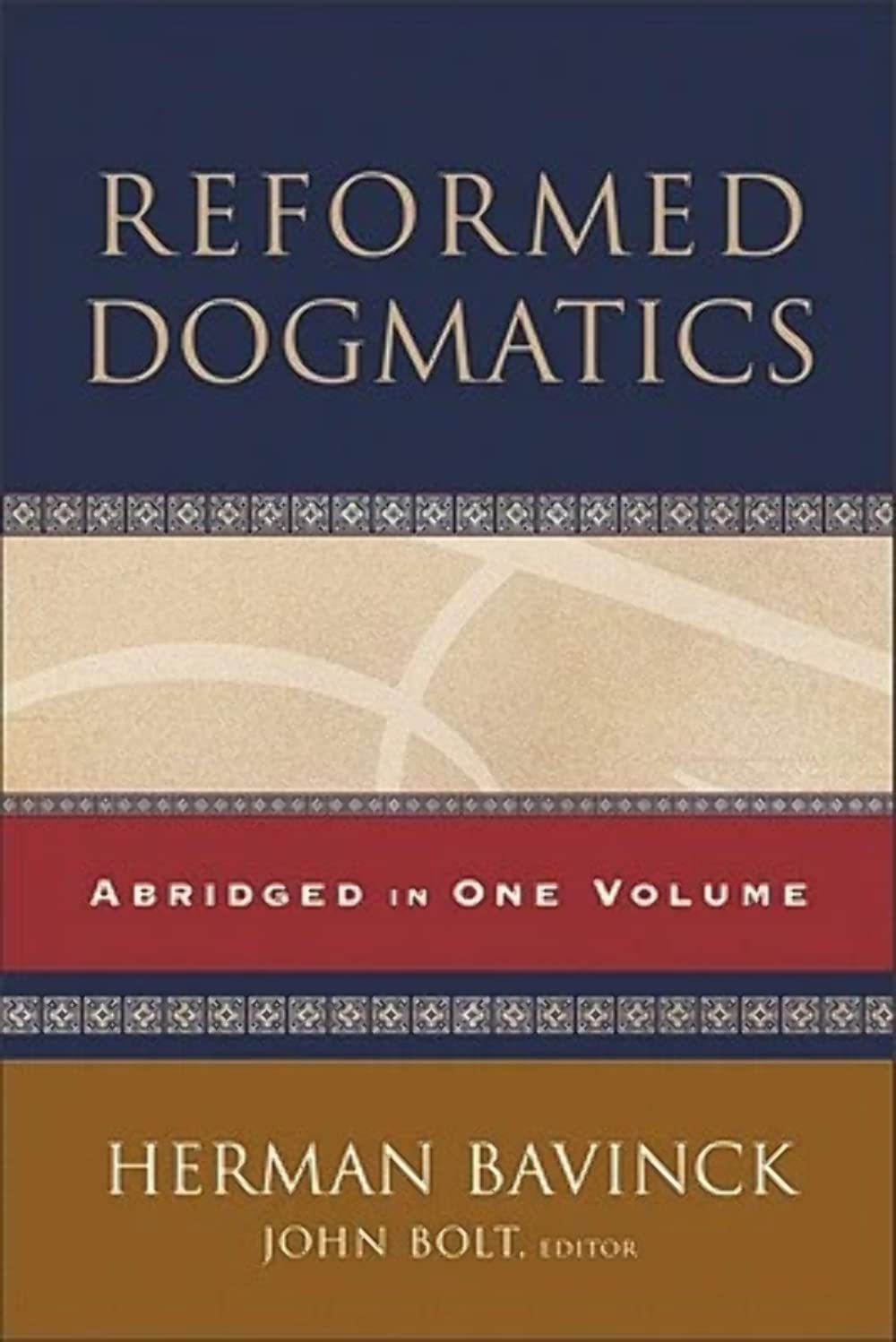
Reformed Dogmatics (Single Volume Abridgement)
A rich, Reformed systematic theology that is deeply biblical and Christ-centered.
View on Amazon
This Momentary Marriage
Shows how marriage is designed to display the covenant love of Christ and His church.
View on Amazon