
Quick Answer
The Bible teaches that God hates divorce (Malachi 2:16) and sees marriage as a lifelong commitment (Matthew 19:6). Divorce is permissible in cases of sexual immorality (Matthew 5:32; 19:9) and abandonment by an unbelieving spouse (1 Corinthians 7:15). Remarriage, however, is a complex issue, with many biblical texts indicating it is generally prohibited except possibly under specific conditions. Divorce and remarriage should always be approached with careful biblical consideration and pastoral counsel.
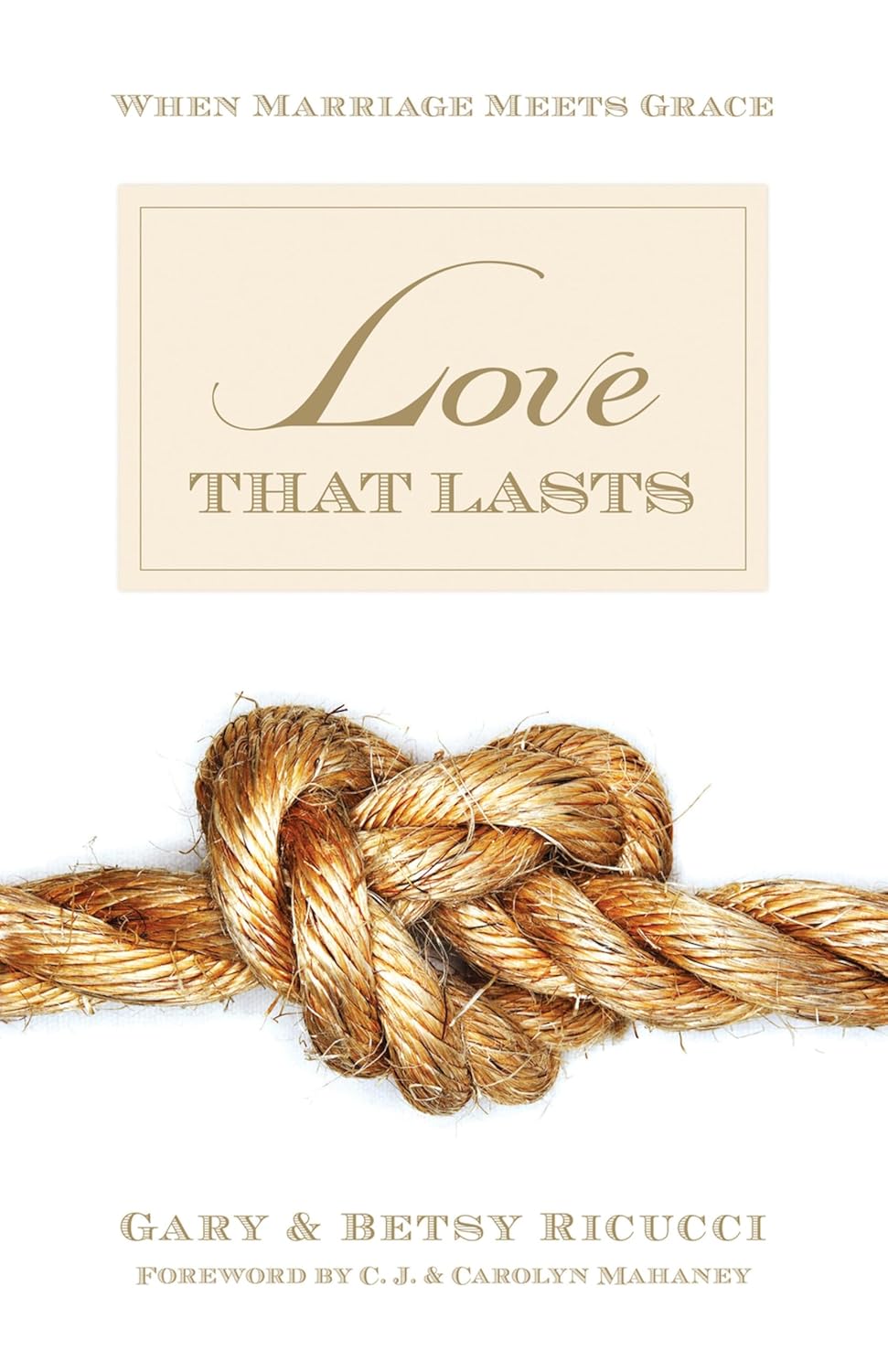
Divorce is a deeply sensitive and complex issue, particularly within Christian communities. The Bible provides specific teachings on this topic, underscoring the sanctity of the marital covenant and offering guidance for believers navigating this challenging situation. This article explores biblical teachings on divorce, providing scriptural insights and understanding based on key passages.
God’s Design for Marriage
The Sanctity and Permanence of Marriage
From the beginning, God’s design for marriage was for it to be a lifelong union between one man and one woman. Genesis 2:24 states, “Therefore a man shall leave his father and his mother and hold fast to his wife, and they shall become one flesh.” Jesus reaffirms this in Matthew 19:6, saying, “So they are no longer two but one flesh. What therefore God has joined together, let not man separate.”
Marriage is depicted as a divine covenant, symbolizing Christ’s unwavering commitment to His Church (Ephesians 5:25-32). This covenant is intended to be permanent, reflecting God’s enduring love and faithfulness. Malachi 2:16 emphatically declares God’s stance on divorce: “For I hate divorce, says the Lord, the God of Israel.”
See also: Bible Verses about Marriage
Biblical Grounds for Divorce
While God hates divorce, Scripture acknowledges that it can occur due to human sinfulness. The Bible outlines specific grounds where divorce may be permissible.
Sexual Immorality
In Matthew 5:32 and 19:9, Jesus provides an exception for divorce: “except for sexual immorality.” The Greek word “porneia” used here includes various sexual sins, such as adultery, fornication, and other illicit behaviors. This allowance recognizes the severe breach of trust and bond in a marriage caused by infidelity. Jesus’ teaching allows divorce in cases where the marital bond has been broken by such acts, although it is not mandated.
Abandonment by an Unbelieving Spouse
The Apostle Paul addresses another scenario in 1 Corinthians 7:15: “But if the unbelieving partner separates, let it be so. In such cases the brother or sister is not enslaved. God has called you to peace.” This passage acknowledges that if an unbelieving spouse abandons the marriage, the believing spouse is not bound to maintain the union.
Additional Considerations
While adultery and abandonment are the primary biblical grounds for divorce, some theologians argue that severe cases of abuse might also justify separation to protect the victim. However, this perspective must be approached with caution and pastoral guidance, given the lack of explicit biblical references.
See also: Bible Verses about Divorce
Remarriage After Divorce
Remarriage is a nuanced topic within biblical teaching, with various interpretations and positions.
Biblical Prohibition of Remarriage
Several passages suggest that remarriage after divorce constitutes adultery, reflecting the view that marriage is a lifelong covenant that cannot be dissolved by anything but death:
- Luke 16:18 (ESV): “Everyone who divorces his wife and marries another commits adultery, and he who marries a woman divorced from her husband commits adultery.”
- Mark 10:11-12 (ESV): “Whoever divorces his wife and marries another commits adultery against her, and if she divorces her husband and marries another, she commits adultery.”
- Romans 7:2-3 (ESV): “For a married woman is bound by law to her husband while he lives, but if her husband dies she is released from the law of marriage. Accordingly, she will be called an adulteress if she lives with another man while her husband is alive. But if her husband dies, she is free from that law, and if she marries another man she is not an adulteress.”
These passages indicate that remarriage is generally prohibited while the original spouse is still alive.
See also: Bible Verses about Remarriage
Exception Clauses and Interpretations
1 Corinthians 7:15 suggests that a believer is “not bound” if an unbelieving spouse leaves. However, this passage does not explicitly address remarriage. The focus is on allowing the believing spouse to live in peace without the obligation to maintain the marriage.
Matthew 19:9 includes an “exception clause” for sexual immorality, which some interpret as permitting remarriage. However, interpretations vary widely. Some believe this clause permits remarriage in cases of adultery, while others argue it only addresses the permissibility of divorce, not remarriage.
Forgiveness and Reconciliation
Even in cases of infidelity, the Bible encourages forgiveness and reconciliation where possible. Ephesians 4:32 urges believers to “be kind and compassionate to one another, forgiving each other, just as in Christ God forgave you.” Marriages can be restored through God’s grace, even after serious breaches like adultery.
See also: Bible Verses about Reconciliation
Practical Considerations
Marital Apathy
One of the subtle yet pervasive threats to marriage is marital apathy. Ephesians 5:25 and 5:24 call husbands and wives to love and respect each other, but apathy can erode these commitments over time. Couples must actively pursue spiritual growth, personal holiness, and mutual love to prevent this.
Abuse and Divorce
While the Bible does not explicitly address abuse as grounds for divorce, it recognizes the necessity of protecting individuals from harm. Separation in cases of abuse is advised for safety and well-being, with the hope of eventual reconciliation if possible.
See also: Bible Verses about Abuse from a Spouse
Seeking Godly Counsel
Divorce involves complex emotional, spiritual, and social factors. It is imperative to seek godly counsel from church leaders and mature Christians to navigate these challenging situations wisely and biblically (Proverbs 11:14).
Conclusion
The Bible’s teachings on divorce emphasize the sanctity and lifelong commitment of marriage while recognizing human fallibility and sin. Divorce is permissible under specific conditions such as marital unfaithfulness and abandonment by an unbelieving spouse. Remarriage is generally discouraged and often viewed as adulterous if the original spouse is still alive. Above all, forgiveness, reconciliation, and seeking God’s guidance through prayer and counsel are crucial in handling marital difficulties.
References
- https://www.desiringgod.org/interviews/does-the-bible-allow-for-divorce-in-the-case-of-adultery
- https://www.desiringgod.org/interviews/divorce-remarriage-and-honoring-god
- https://ca.thegospelcoalition.org/columns/ad-fontes/what-the-bible-teaches-about-divorce-and-remarriage
- https://www.thegospelcoalition.org/blogs/kevin-deyoung/a-sermon-on-divorce-and-remarriage
- https://www.ligonier.org/learn/devotionals/when-god-allows-divorce
- https://www.ligonier.org/learn/devotionals/divorce-and-adultery
- https://www.ligonier.org/learn/devotionals/when-the-unbelieving-spouse-separates
- https://bibleproject.com/articles/divorce-bible-how-jesus-responded-debate
- https://bibleproject.com/podcast/jesus-marriage-and-law
- https://www.gty.org/library/sermons-library/1212/what-god-thinks-of-divorce
- https://www.gty.org/library/articles/DD04/divorce-and-remarriage
- https://answersingenesis.org/blogs/ken-ham/2010/03/09/setting-the-record-straight-on-marriage-and-divorce-in-the-church
- https://www.compellingtruth.org/grounds-for-divorce.html
- https://www.compellingtruth.org/divorce-and-remarriage.html
- https://www.compellingtruth.org/abuse-divorce.html
- https://www.challies.com/articles/10-common-but-illegitimate-reasons-to-divorce
- https://www.9marks.org/mailbag/mailbag27
- https://www.9marks.org/article/is-pornography-use-ever-grounds-for-divorce
- https://www.neverthirsty.org/bible-qa/qa-archives/question/god-allow-marriage-divorced-person
- https://www.neverthirsty.org/bible-qa/qa-archives/question/what-does-god-say-about-a-person-marrying-someone-who-has-been-divorced
- https://www.truthforlife.org/resources/sermon/marriage-divorce
- https://tabletalkmagazine.com/article/2023/06/marriage-and-divorce
- https://www.gotquestions.org/divorce-remarriage.html
Must-Read Christian Books
The Knowledge of the Holy
Short, powerful meditations on the attributes of God that lift the reader into a bigger, more biblical view of who He is.
View on Amazon
Pilgrim Theology
An accessible summary of Reformed theology that connects doctrine to the Christian life.
View on Amazon
The God Who Is There
Shows how the God of the Bible speaks into modern philosophical and cultural confusion.
View on Amazon
Don't Waste Your Life
A passionate plea to live for Christ's glory rather than trivial pursuits.
View on Amazon
Redemption Accomplished and Applied
A concise, biblical study of Christ's atonement and the application of salvation to believers.
View on Amazon
Trusting God
Encourages believers to trust God's sovereignty, wisdom, and love in every circumstance.
View on Amazon
Morning and Evening
Devotional readings for each day that point believers to Christ and His promises.
View on Amazon
The Bondage of the Will
Luther's classic defense of the Bible's teaching on human sin and God's sovereign grace.
View on Amazon
The Westminster Confession of Faith
A historic confession that systematically sets forth Reformed theology from Scripture.
View on Amazon
Expository Listening
Teaches Christians how to listen to expository preaching in a way that bears fruit.
View on Amazon
Biblical Preaching
Introduces the "big idea" approach to expository sermons, rooted in the biblical text.
View on Amazon
Total Truth
Equips believers to see all of life through a biblical worldview and challenge secular thinking.
View on Amazon
Christ of the Covenants
Explains the biblical covenants and how they reveal Christ and God's plan of redemption.
View on Amazon
Reformed Dogmatics (Single Volume Abridgement)
A rich, Reformed systematic theology that is deeply biblical and Christ-centered.
View on Amazon
The Freedom of Self-Forgetfulness
Shows how the gospel frees us from self-obsession to live in joy and service.
View on Amazon
The Gospel and Personal Evangelism
Encourages and equips Christians to share the gospel faithfully and simply.
View on Amazon
Idols of the Heart
Helps believers identify and repent of heart-idols through the lens of Scripture.
View on Amazon