

Quick Answer
The Bible acknowledges the existence of slavery in ancient times but does not explicitly endorse it. While it provides regulations for the treatment of slaves, it also lays the groundwork for the eventual abolition of slavery through principles of human dignity, equality before God, and love for one’s neighbor. The New Testament, in particular, emphasizes spiritual freedom in Christ and the equal worth of all believers, regardless of their social status.
Slavery is a complex and sensitive topic, especially when discussed in relation to the Bible. Many wonder how a book that preaches love and compassion could contain passages that seem to condone or regulate slavery. This article aims to provide a thorough, balanced examination of what the Bible actually says about slavery, considering both Old and New Testament teachings, historical context, and the broader biblical narrative of human dignity and freedom in Christ.
Historical Context of Biblical Slavery
To understand the Bible’s treatment of slavery, we must recognize that slavery in ancient times differed significantly from the race-based chattel slavery of recent centuries.
Ancient Near Eastern Slavery
In the Old Testament era, slavery often served as a means of paying debts or providing for oneself during economic hardship. It wasn’t typically race-based and was often temporary.
Greco-Roman Slavery
In New Testament times, slavery was widespread throughout the Roman Empire. Slaves came from various ethnicities and could sometimes hold positions of responsibility or even be highly educated.
Old Testament Teachings on Slavery
Regulations and Protections
The Old Testament provides various regulations regarding slave treatment:
- Exodus 21:2-6 outlines Hebrew slave release after six years.
- Deuteronomy 15:12-15 requires masters to provide liberally for freed slaves.
- Exodus 21:20-21, 26-27 prohibits excessive violence against slaves.
Prohibition of Kidnapping
Exodus 21:16 explicitly forbids kidnapping and selling people into slavery, prescribing the death penalty for such actions.
Jubilee and Redemption
Leviticus 25:39-55 describes the Year of Jubilee, when all Israelite slaves were to be freed, and outlines provisions for slave redemption.
New Testament Teachings on Slavery
Equal Worth in Christ
Galatians 3:28 proclaims that in Christ, there is “neither slave nor free,” emphasizing all believers’ spiritual equality.
Instructions to Slaves and Masters
- Ephesians 6:5-9 and Colossians 3:22-4:1 instruct slaves to obey their earthly masters sincerely and wholeheartedly, as if serving Christ, while masters are told to treat their slaves justly and fairly, remembering that they too have a Master in heaven. These passages emphasize mutual respect and accountability before God, regardless of social status.
- In 1 Timothy 6:1-2 and Titus 2:9-10, Paul instructs slaves to respect and honor their masters, whether the masters are believers or not, and to serve them well so that God’s name and the Christian teaching are not spoken against. These passages emphasize that slaves should work diligently and honestly, not just to please their earthly masters, but as a testimony to their faith in Christ.
The Example of Onesimus
In Philemon, Paul appeals for kind treatment and possible release of the slave Onesimus, calling him a “beloved brother” (Philemon 1:16).
Biblical Principles Undermining Slavery
Human Dignity
Genesis 1:26-27 teaches that all humans are created in God’s image, implying inherent worth and dignity for all people.
Love Your Neighbor
Jesus’ teaching to love one’s neighbor as oneself (Mark 12:31) is incompatible with slavery’s dehumanization.
The Golden Rule
Matthew 7:12 instructs believers to treat others as they would want to be treated, challenging the concept of owning another person.
Freedom in Christ
2 Corinthians 3:17 and Galatians 5:1 teach that through Christ, believers experience spiritual freedom from sin and the constraints of the law. This spiritual freedom can influence how believers view and interact with others in society, potentially challenging existing social hierarchies and promoting equality and mutual respect among all people, regardless of their social or economic status.
See also: Bible Verses about Slavery
Conclusion
The Bible doesn’t simply say slavery is good or bad. It gives rules about it for those times, but it also teaches ideas that led to ending slavery. The Bible’s big story is about human value, equality in God’s eyes, and freedom in Jesus. These ideas have helped fight against slavery and still help fight for human rights today.
For more information, read the Bible passages mentioned and think about how God’s love and saving work applies to all people.
References
- https://www.gotquestions.org/Bible-slavery.html
- https://www.desiringgod.org/messages/the-horror-and-hope-in-slavery
- https://www.desiringgod.org/articles/slavery-old-and-new
- https://www.desiringgod.org/messages/slaves-to-god-sanctification-eternal-life
- https://www.desiringgod.org/messages/dont-go-back-from-sonship-to-slavery
- https://www.thegospelcoalition.org/article/why-wrong-say-bible-pro-slavery
- https://africa.thegospelcoalition.org/article/does-the-new-testament-support-slavery
- https://www.thegospelcoalition.org/article/is-bible-pro-slavery
- https://au.thegospelcoalition.org/article/bible-slavery
- https://www.thegospelcoalition.org/blogs/justin-taylor/does-the-bible-support-slavery
- https://bible.org/seriespage/submission-slaves-masters-1-peter-218-25
- https://bible.org/seriespage/25-submission-and-slavery-ephesians-65-9
- https://bible.org/article/free-slaves-christ
- https://bible.org/seriespage/nobleman-his-slaves-and-his-citizens-luke-1911-27
- https://www.ligonier.org/learn/devotionals/the-law-and-slavery
- https://www.ligonier.org/learn/devotionals/slaves-righteousness
- https://www.ligonier.org/learn/devotionals/christian-slaves-and-masters
- https://www.gty.org/library/sermons-library/80-321/slaves-for-christ
- https://www.gty.org/library/sermons-library/GTY129/servant-or-slave
- https://www.gty.org/library/bibleqnas-library/BQ010813/what-is-scriptures-view-of-slavery
- https://www.gty.org/library/Print/Blog/B110406
- https://www.gty.org/library/sermons-library/81-91/the-joyful-slaves-of-christ
- https://answersingenesis.org/bible-history/the-bible-and-slavery
- https://answersingenesis.org/bible-questions/doesnt-the-bible-support-slavery
- https://answersingenesis.org/bible-questions/feedback-does-bible-encourage-masters-beat-their-slaves
- https://answersingenesis.org/kids/bible-questions/kids-feedback-does-the-bible-promote-slavery
- https://answersingenesis.org/blogs/ken-ham/2019/07/19/does-bible-condone-slavery-rape
- https://www.compellingtruth.org/slavery-Old-Testament.html
- https://www.compellingtruth.org/Bible-slavery.html
- https://www.compellingtruth.org/slave-to-sin.html
- https://www.compellingtruth.org/slavery-New-Testament.html
- https://www.neverthirsty.org/bible-qa/qa-archives/question/what-does-the-bible-say-about-slavery
- https://www.neverthirsty.org/bible-qa/qa-archives/question/what-does-the-bible-say-about-reparations-due-to-slavery
Must-Read Christian Books
The Cross of Christ
A profound exploration of the meaning and power of the cross at the center of Christian faith and life.
View on Amazon
Institutes of the Christian Religion
A classic work of Reformed theology in an accessible form, laying out Christian doctrine with deep biblical roots.
View on Amazon
Instruments in the Redeemer's Hands
Biblical counseling and discipleship that helps believers speak God's truth into one another's lives.
View on Amazon
The Gospel for Real Life
Shows how the finished work of Christ applies to everyday struggles and assurance.
View on Amazon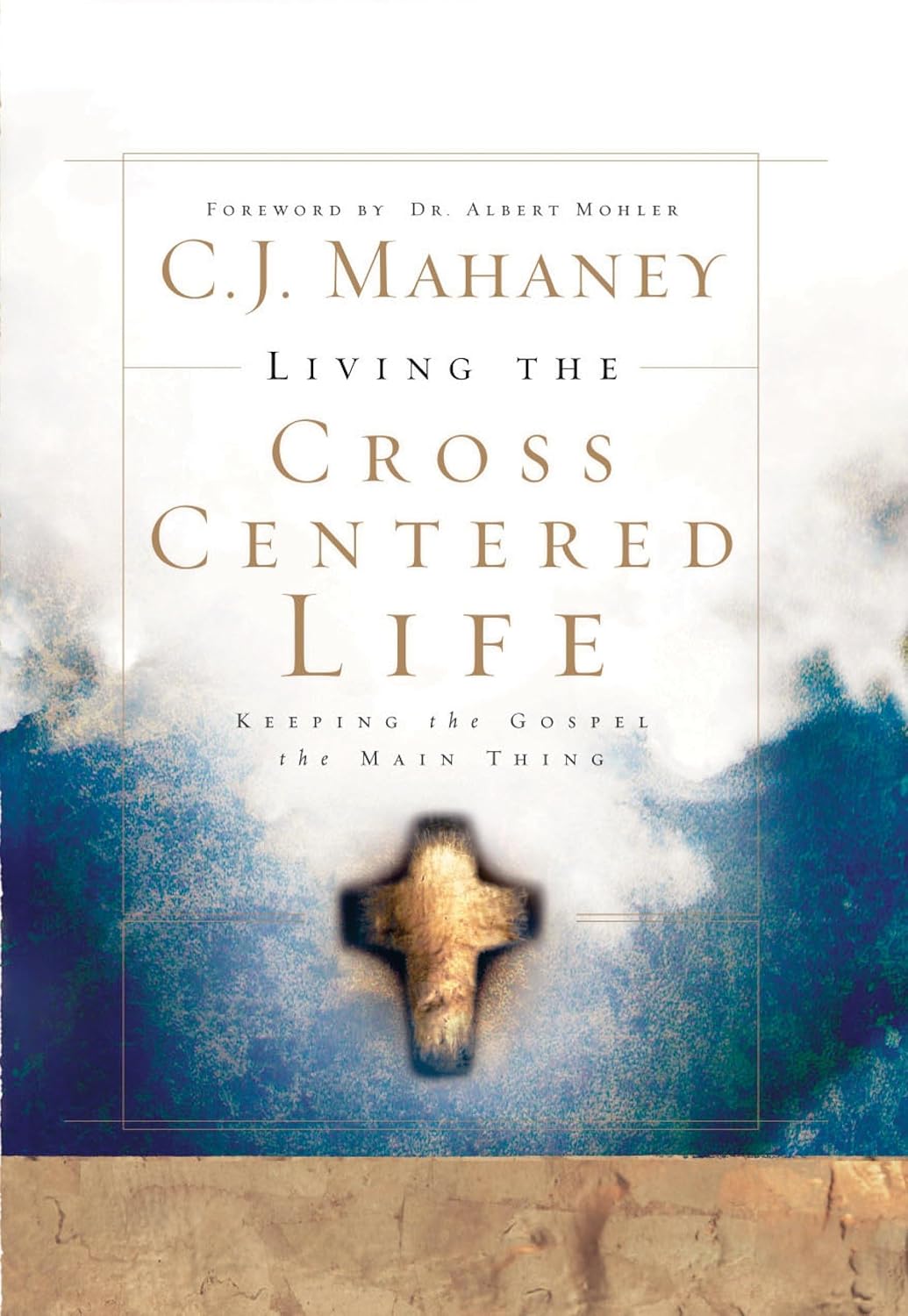
Living the Cross-Centered Life
A call to keep Christ's cross at the center of our thinking, worship, and daily living.
View on Amazon
Future Grace
Argues that faith in God's future grace frees believers from the enslaving power of sin.
View on Amazon
Don't Waste Your Life
A passionate plea to live for Christ's glory rather than trivial pursuits.
View on Amazon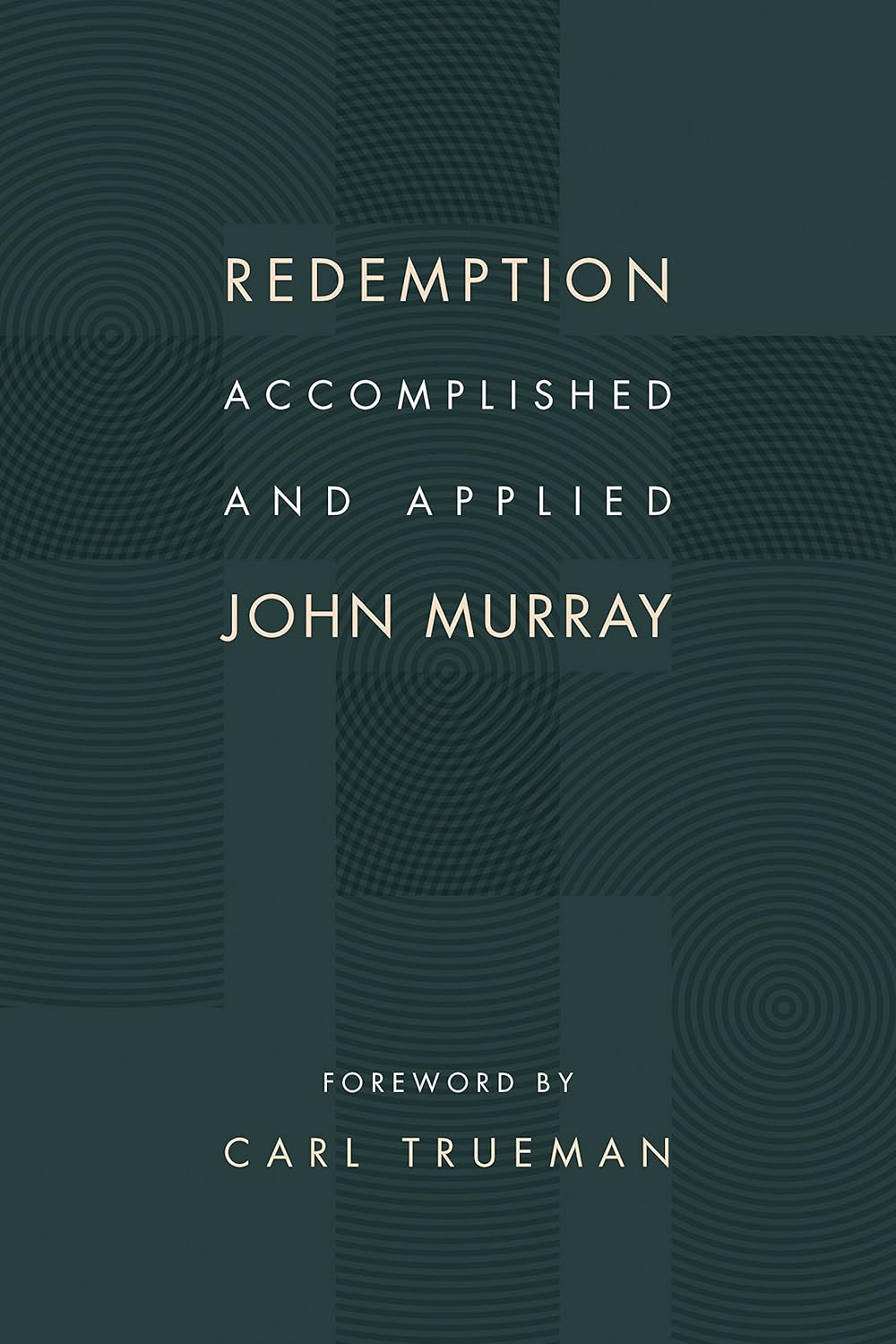
Redemption Accomplished and Applied
A concise, biblical study of Christ's atonement and the application of salvation to believers.
View on Amazon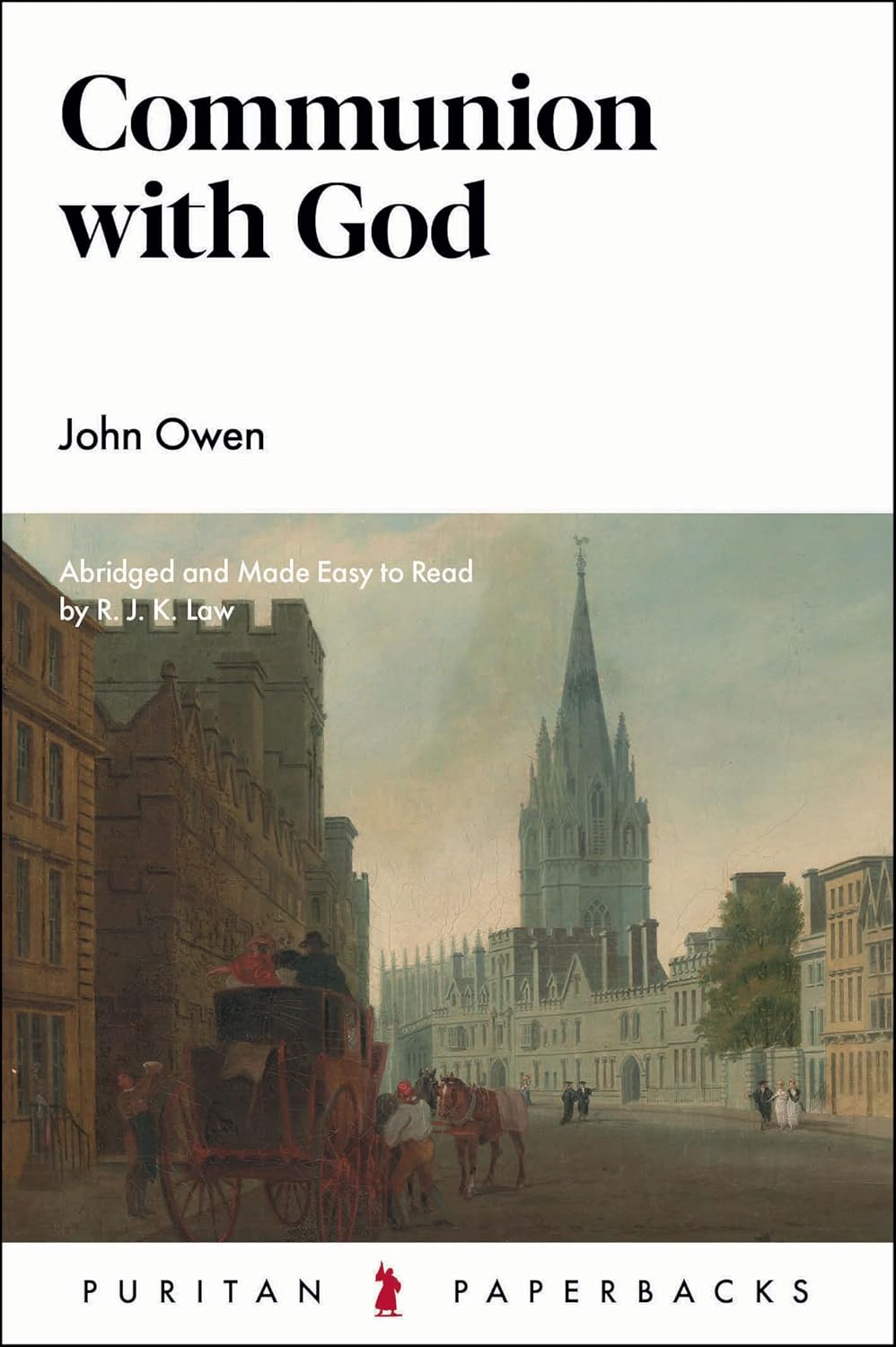
Communion with God
Explores how believers enjoy distinct fellowship with the Father, Son, and Holy Spirit.
View on Amazon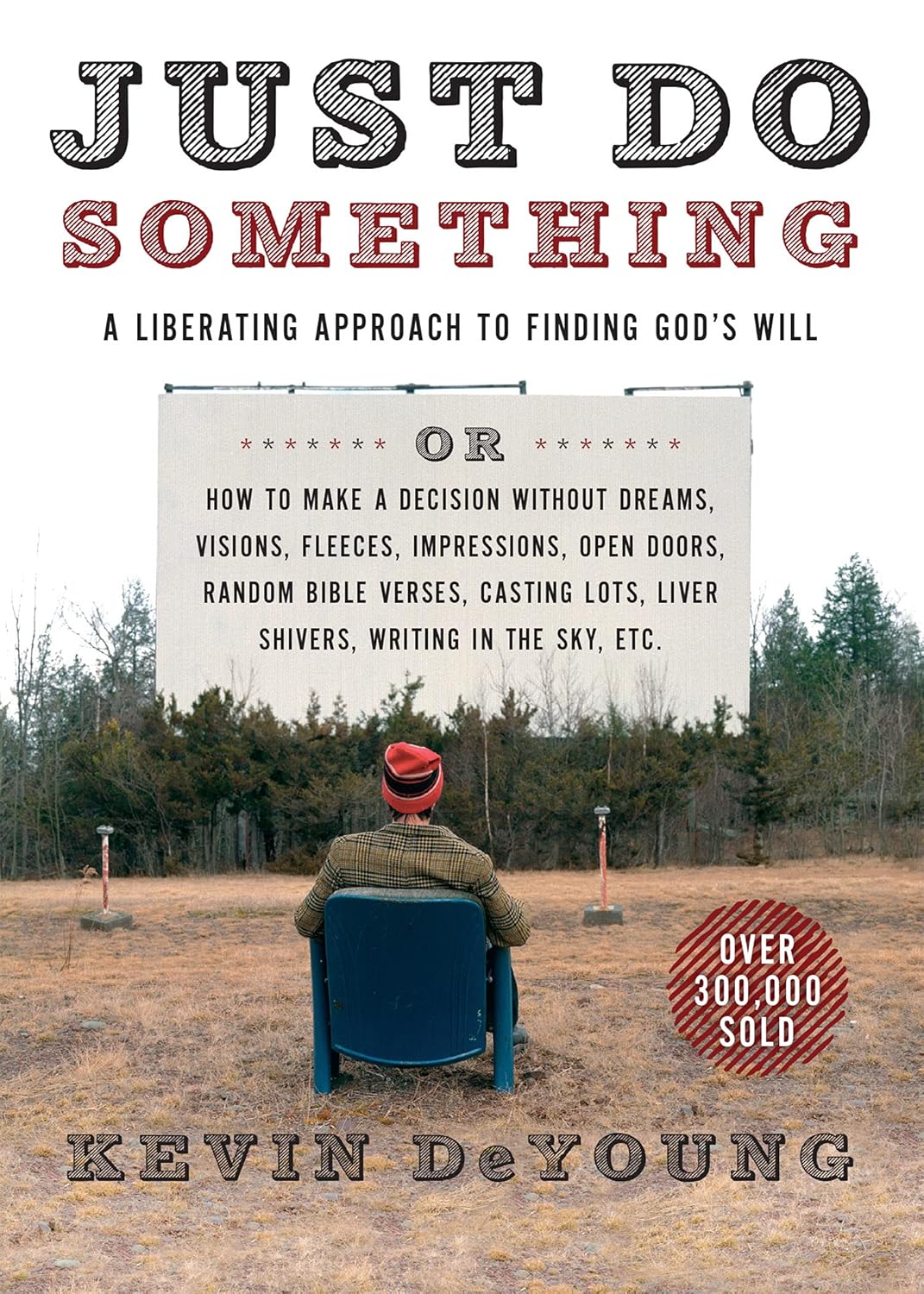
Just Do Something
A wise, biblical approach to knowing God's will without paralysis or mysticism.
View on Amazon
Spiritual Leadership
Biblical principles for godly leadership in the church, home, and workplace.
View on Amazon
The Westminster Confession of Faith
A historic confession that systematically sets forth Reformed theology from Scripture.
View on Amazon
Religious Affections
Examines the nature of true spiritual experience and the marks of genuine conversion.
View on Amazon
The Whole Christ
Deals with legalism, antinomianism, and the grace of God in union with Christ.
View on Amazon
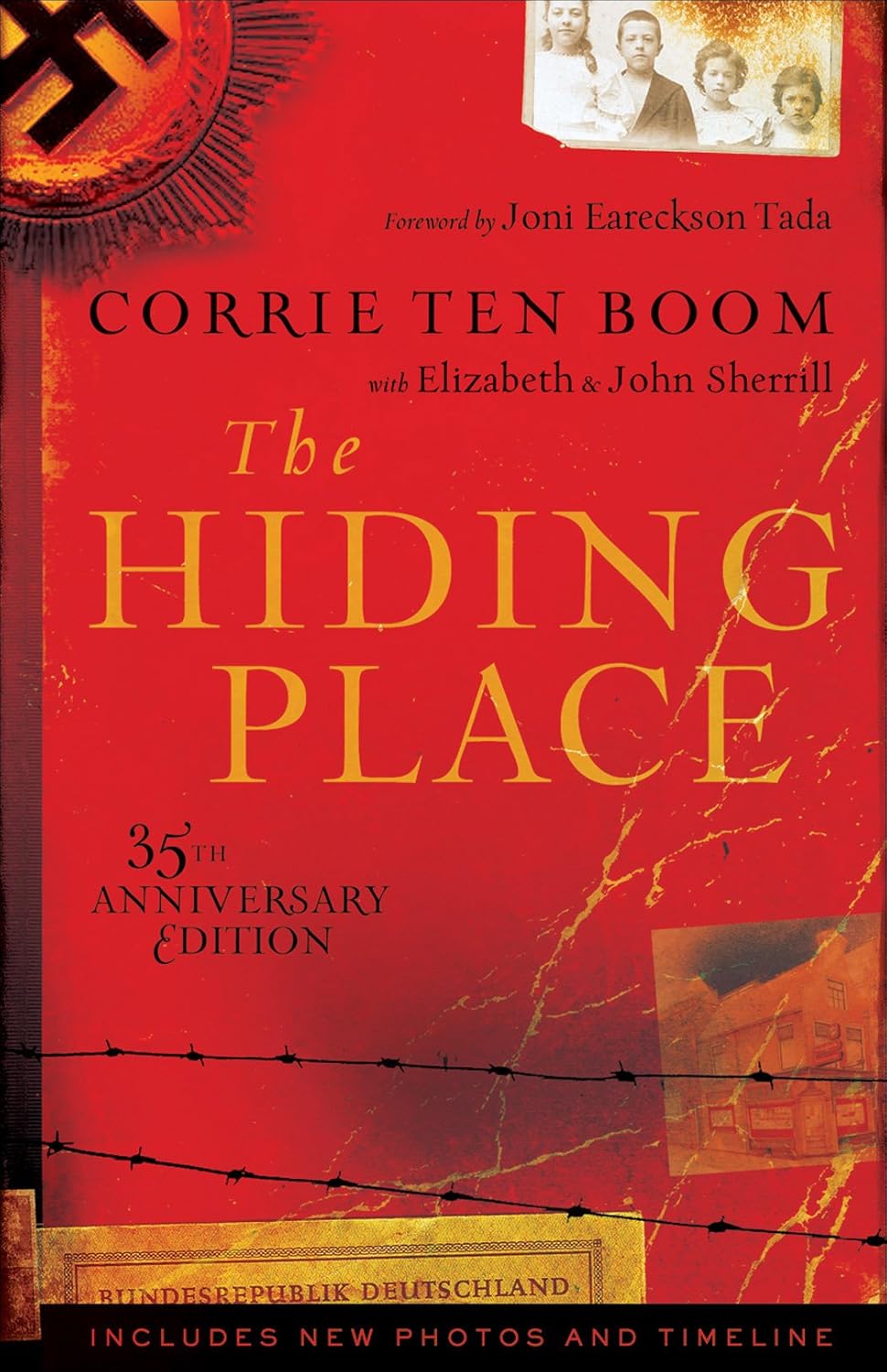
The Hiding Place
The story of Corrie ten Boom's faith and forgiveness in the midst of Nazi persecution.
View on Amazon
Family Worship
A short, practical guide to leading your home in daily worship of God.
View on Amazon
This Momentary Marriage
Shows how marriage is designed to display the covenant love of Christ and His church.
View on Amazon