

Quick Answer
In 1 Corinthians 15:29, Paul alludes to a practice—seemingly familiar to some Corinthians—of being “baptized for the dead.” While the exact nature of this practice is unclear, Paul’s purpose is to highlight the inconsistency of denying the resurrection while engaging in a ritual that presupposes future resurrection. He doesn’t explicitly endorse or explain the practice; he simply uses it to reinforce the vital truth that believers will indeed be raised from the dead, just as Christ was.
1 Corinthians 15:29 is one of the most puzzling verses in the New Testament. The Apostle Paul refers to people being “baptized for the dead,” yet he doesn’t explain exactly what that means. What was this practice, and why does Paul mention it at all? This post explores the context, possible interpretations, and key takeaways for Christians today.
The Context of 1 Corinthians 15
Paul’s overarching theme in 1 Corinthians 15 is to defend the reality of the resurrection. Some members of the Corinthian church were doubting or denying the future resurrection of believers. Paul’s key arguments include:
- Christ’s Own Resurrection (vv. 1–19)
If Christ was not raised, then Christian faith is worthless. - Christ the Firstfruits (vv. 20–28)
Christ’s resurrection guarantees ours—He is the “firstfruits” of those who will be raised. - Logical Consequences (vv. 29–34)
If there is no resurrection, Christian practices (including “baptism for the dead”) and even risking one’s life for Christ make no sense.
Within this flow of thought, verse 29 specifically raises the question: If there is no resurrection, why would some of you participate in a rite that only makes sense if the dead are one day raised?
Various Interpretations of “Baptized for the Dead”
Over the centuries, scholars have proposed different explanations for this phrase. Here are four main views:
- Vicarious Baptism (Proxy Baptism)
- The most literal reading: certain believers in Corinth were being baptized on behalf of deceased individuals who had died before receiving baptism.
- Paul mentions this practice but neither endorses it nor explains it.
- It appears to be a local or subgroup phenomenon, not a universal Christian practice.
- A Figurative Expression
- Some argue that “for the dead” (Greek: hyper tōn nekrōn) might be idiomatic.
- It could mean “because of the dead,” suggesting that believers were motivated to be baptized by thinking of their deceased loved ones who died in Christ.
- Identification with Christ’s Death
- Another interpretation sees Paul’s statement as referring to the normal Christian baptism that symbolizes union with Christ’s death and resurrection (Romans 6:3–4).
- This interpretation, however, stretches the text since it does not directly address why Paul specifically says “for the dead.”
- A Rhetorical Device
- Paul may be pointing out an internal contradiction among some Corinthians: if they practice a ritual signifying hope for the dead’s resurrection while denying any future resurrection, they are inconsistent.
- Essentially, Paul is showing them the logical consequences of their beliefs.
Paul’s Main Point: Underscoring the Resurrection
Regardless of the exact meaning behind “baptized for the dead,” Paul’s central goal is to emphasize the absolute necessity of the resurrection in Christian faith. If there truly is no resurrection:
- Verse 29: Any ritual like “baptism for the dead” would be pointless.
- Verses 30–32: Enduring persecution or hardship for Christ would be senseless, so people might as well live for pleasure alone.
Paul is not primarily teaching a doctrine of “baptism for the dead.” Instead, he is using the practice—whatever its form—to reinforce the central truth: the resurrection of believers is real and indispensable.
Relevance for Today
- The Passage Is Obscure
- Since Paul provides no additional explanation, 1 Corinthians 15:29 remains one of the most debated verses in the New Testament.
- We cannot build definitive doctrines or widespread practices on this single verse.
- The Core Focus Is the Resurrection
- Paul’s focus in the entire chapter is on defending and explaining the resurrection, not instituting a specific new baptism ritual.
- For Christians, the unshakable hope of resurrection remains central.
- Not an Endorsement of a Universal Practice
- No other New Testament text instructs Christians to be baptized on behalf of the dead.
- Historically, most Christian traditions have not viewed this verse as prescribing any ongoing practice.
Conclusion
When Paul writes in 1 Corinthians 15:29 about those who are “baptized for the dead,” he is alluding to a practice—presumably familiar to the Corinthian believers—that appears to assume a future resurrection. While we do not know the exact nature of this ritual, one thing is clear: Paul mentions it only to reinforce that the resurrection is real. If the dead are never raised, such a practice would be meaningless. Ultimately, 1 Corinthians 15 highlights the unshakable truth of Christ’s resurrection and the promise that believers, too, will rise with Him.
Further Reading and Reflection
- Romans 6:3–4 on the symbolism of baptism in Christ’s death and resurrection.
- 1 Corinthians 15 (full chapter) for a detailed argument on the resurrection.
Must-Read Christian Books

Holiness
A rich, pastoral treatment of sin, sanctification, and the fight for holiness in the Christian life, deeply rooted in Scripture.
View on Amazon
The Pilgrim's Progress
A classic allegory of the Christian journey from the City of Destruction to the Celestial City, saturated with Scripture.
View on Amazon
Institutes of the Christian Religion
A classic work of Reformed theology in an accessible form, laying out Christian doctrine with deep biblical roots.
View on Amazon
Instruments in the Redeemer's Hands
Biblical counseling and discipleship that helps believers speak God's truth into one another's lives.
View on Amazon
The Gospel for Real Life
Shows how the finished work of Christ applies to everyday struggles and assurance.
View on Amazon
Living the Cross-Centered Life
A call to keep Christ's cross at the center of our thinking, worship, and daily living.
View on Amazon
Let the Nations Be Glad!
Missions-focused theology showing that worship is the goal of evangelism to the nations.
View on Amazon
Nine Marks of a Healthy Church
Outlines nine biblical priorities for congregations that want to be faithful and healthy.
View on Amazon
Just Do Something
A wise, biblical approach to knowing God's will without paralysis or mysticism.
View on Amazon
The Heidelberg Catechism
A beloved Reformation catechism that teaches comfort in Christ through a Q&A format.
View on Amazon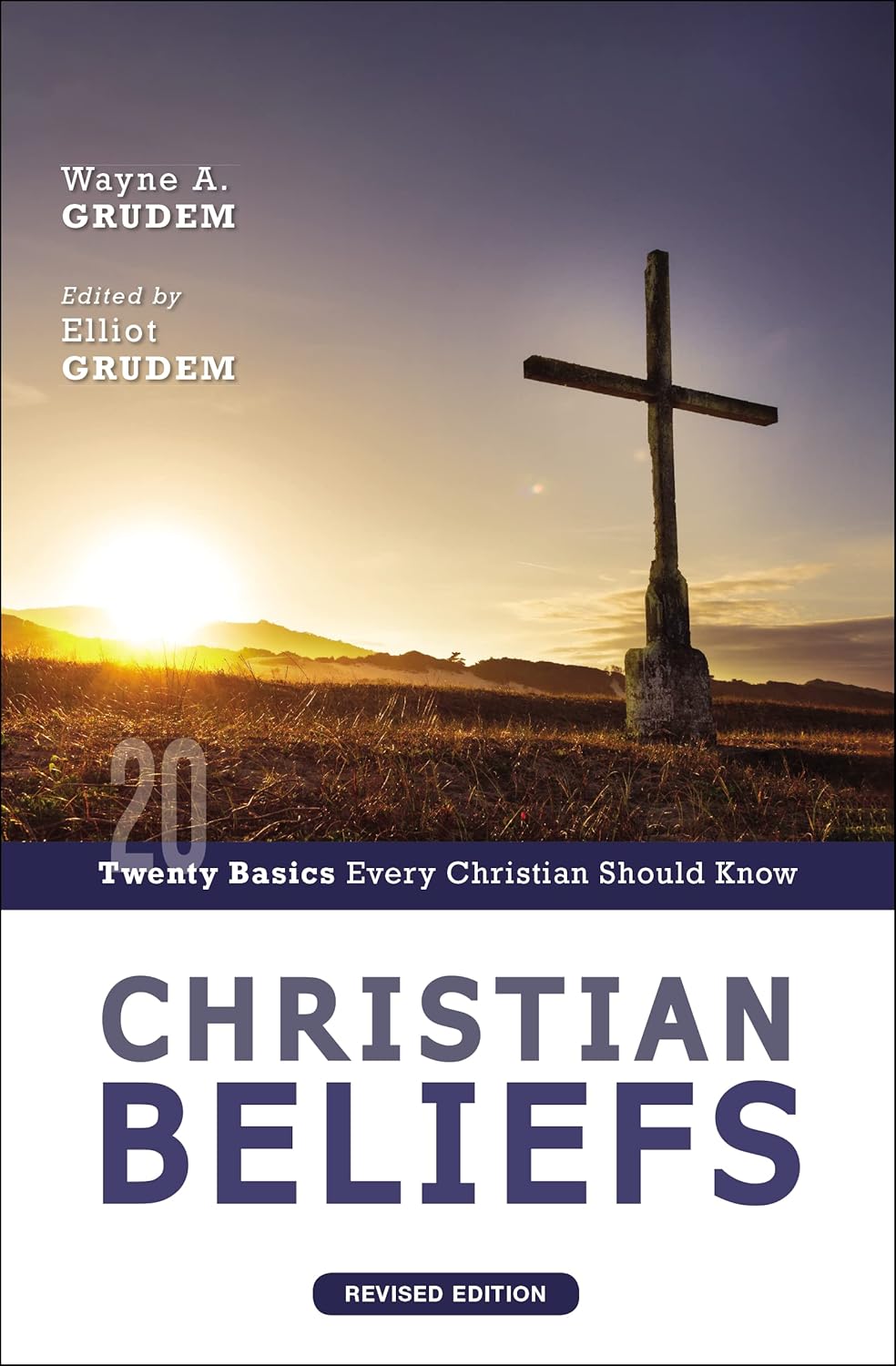
Christian Beliefs
A shorter, accessible overview of 20 basic Christian doctrines for everyday believers.
View on Amazon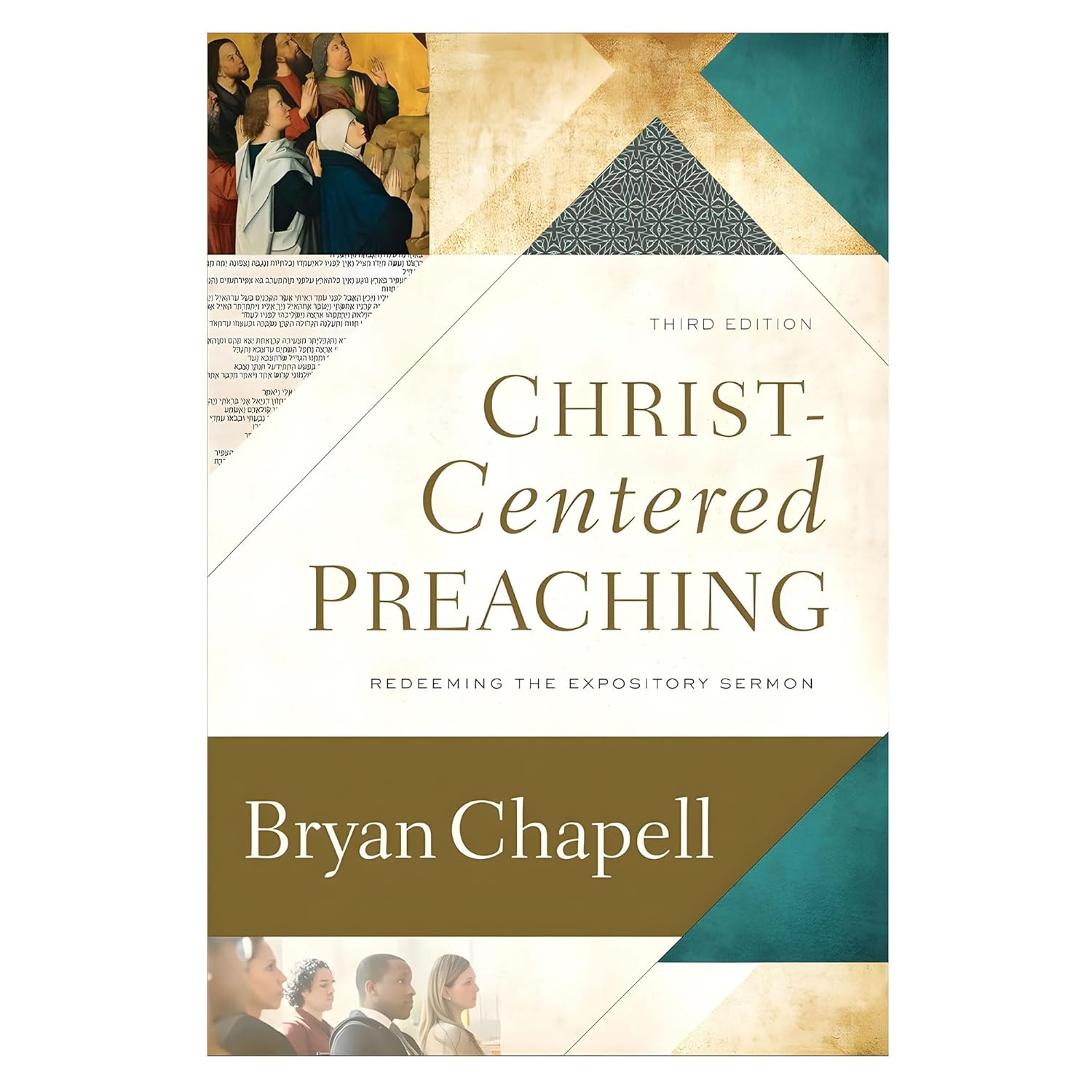
Christ-Centered Preaching
A standard textbook on preaching that shows how to proclaim Christ from all of Scripture.
View on Amazon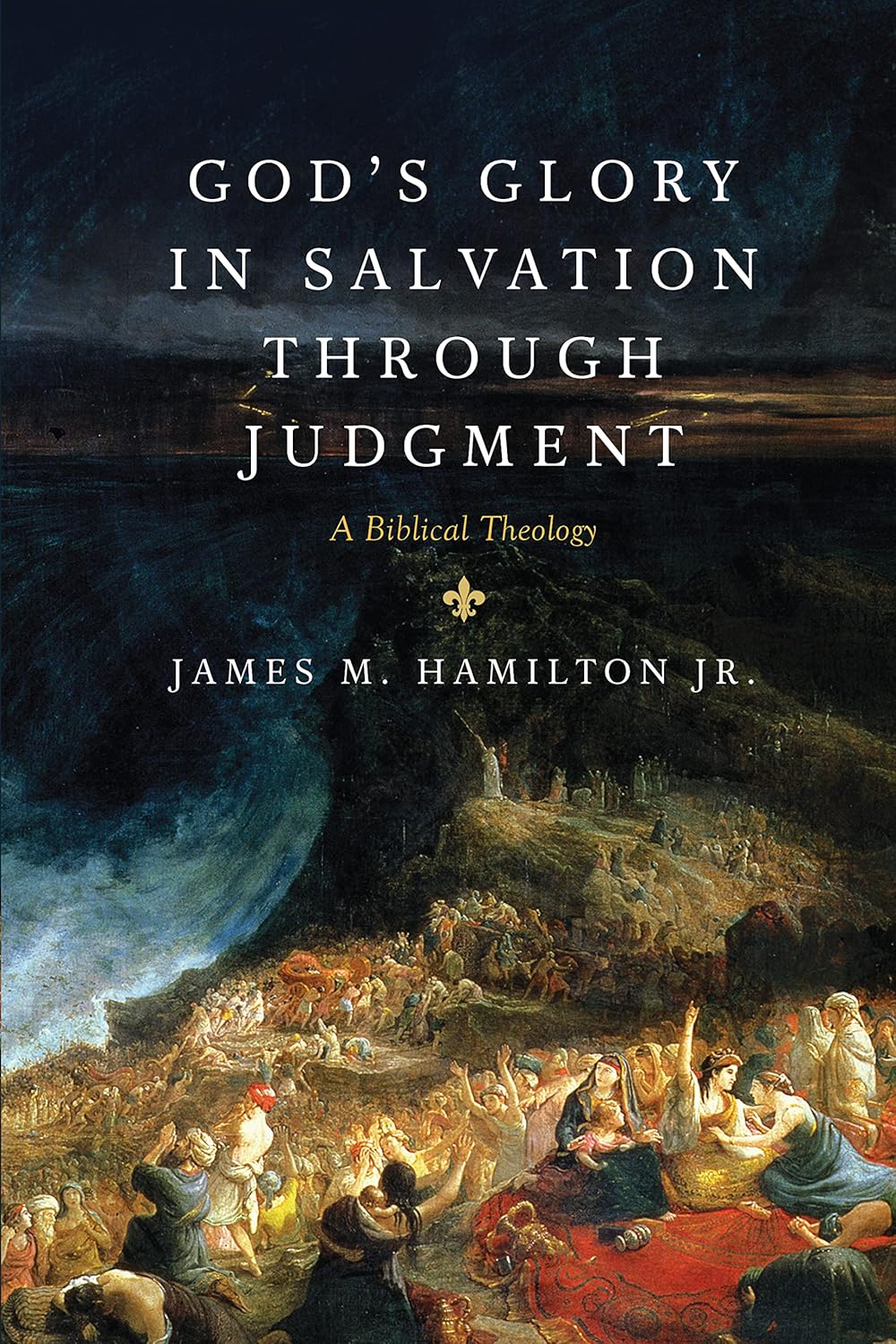
God's Glory in Salvation through Judgment
Argues that God's glory in salvation through judgment is the central theme of Scripture.
View on Amazon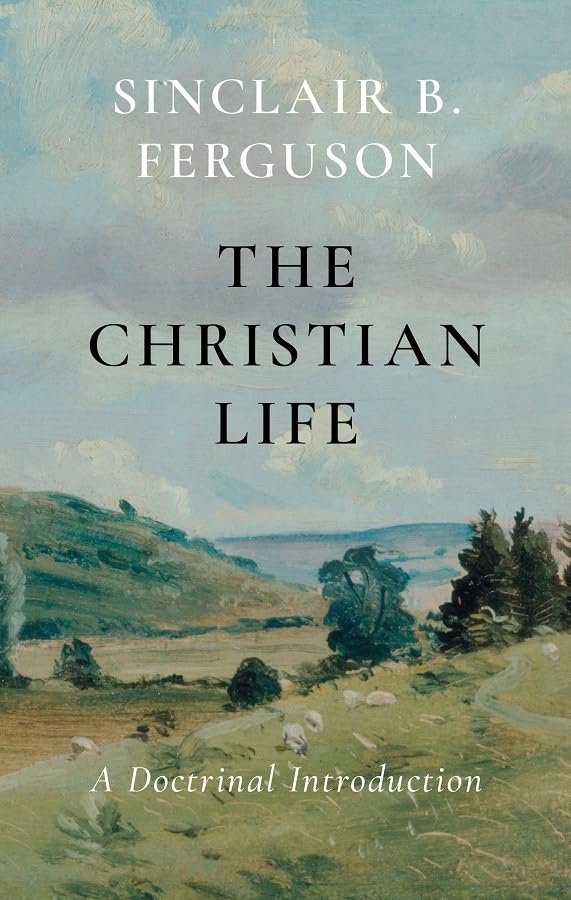
The Christian Life
A clear, doctrinally rich overview of salvation and Christian living.
View on Amazon
The Gospel and Personal Evangelism
Encourages and equips Christians to share the gospel faithfully and simply.
View on Amazon
The Hiding Place
The story of Corrie ten Boom's faith and forgiveness in the midst of Nazi persecution.
View on Amazon
Idols of the Heart
Helps believers identify and repent of heart-idols through the lens of Scripture.
View on Amazon