

Quick Answer
The Bible teaches that anger itself is not inherently sinful, but it can easily lead to sin if not properly managed. God experiences righteous anger against injustice and sin. Christians are instructed to be “slow to anger” (James 1:19), to “be angry and do not sin” (Ephesians 4:26), and to deal with anger quickly. The Bible warns against letting anger control us, holding grudges, or seeking revenge. Instead, we should seek to resolve conflicts, forgive others, and trust God’s justice.
Anger is a powerful emotion that has been a part of the human experience since the beginning of time. From Cain’s anger towards Abel in Genesis to the righteous indignation of Jesus in the temple, the Bible has much to say about this complex emotion. As Christians, it’s crucial to understand what Scripture teaches about anger, how to manage it, and how to distinguish between righteous and sinful anger.
The Nature of Anger in the Bible
Anger as a God-given Emotion
Contrary to popular belief, the Bible does not condemn all anger as sinful. In fact, anger is an emotion that God Himself experiences and expresses:
God is a righteous judge, and a God who feels indignation every day.
Psalm 7:11 (ESV)
As beings created in God’s image (Genesis 1:27), we too have the capacity for anger. The key is understanding the difference between righteous anger and sinful anger.
Righteous Anger
Righteous anger is a response to injustice, sin, and evil. It’s the kind of anger that God experiences and that Jesus demonstrated:
And he looked around at them with anger, grieved at their hardness of heart, and said to the man, “Stretch out your hand.” He stretched it out, and his hand was restored.
Mark 3:5 (ESV)
Righteous anger is characterized by:
- A focus on injustice or sin, not personal offenses
- A desire for correction and restoration, not revenge
- Control and measured response, not unrestrained outbursts
Sinful Anger
While anger itself is not sin, it can easily lead to sin if not properly managed. The Bible warns about the dangers of uncontrolled anger:
Be angry and do not sin; do not let the sun go down on your anger, and give no opportunity to the devil.
Ephesians 4:26-27 (ESV)
Sinful anger is often characterized by:
- Selfishness and pride
- Desire for revenge
- Uncontrolled outbursts
- Holding grudges
- Causing harm to others
See also: Bible Verses about Anger
Biblical Instructions on Handling Anger
Be Slow to Anger
Scripture consistently advises believers to be slow to anger:
Know this, my beloved brothers: let every person be quick to hear, slow to speak, slow to anger; for the anger of man does not produce the righteousness of God.
James 1:19-20 (ESV)
This principle echoes God’s own character as described in Exodus 34:6: “slow to anger and abounding in steadfast love and faithfulness.”
Address Anger Quickly
While we should be slow to become angry, once anger arises, we should deal with it promptly:
…do not let the sun go down on your anger
Ephesians 4:26b (ESV)
This instruction encourages us to resolve conflicts and address the root causes of our anger before they fester and lead to bitterness or resentment.
Control Your Anger
The Bible makes it clear that we are responsible for controlling our anger:
Whoever is slow to anger has great understanding, but he who has a hasty temper exalts folly.
Proverbs 14:29
Self-control, a fruit of the Spirit (Galatians 5:22-23), is crucial in managing anger.
Seek Reconciliation
Jesus emphasized the importance of reconciliation in the face of anger:
So if you are offering your gift at the altar and there remember that your brother has something against you, leave your gift there before the altar and go. First be reconciled to your brother, and then come and offer your gift.
Matthew 5:23-24 (ESV)
This teaching underscores the priority of restoring relationships over religious rituals.
Forgive and Let Go
Forgiveness is a key aspect of dealing with anger in a biblical manner:
Be kind to one another, tenderhearted, forgiving one another, as God in Christ forgave you.
Ephesians 4:32 (ESV)
Forgiveness doesn’t mean forgetting or excusing wrongdoing, but it does mean releasing the desire for revenge and trusting God’s justice.
The Consequences of Uncontrolled Anger
The Bible warns about the serious consequences of uncontrolled anger:
Damaged Relationships
A hot-tempered man stirs up strife, but he who is slow to anger quiets contention.
Proverbs 15:18 (ESV)
Poor Decision Making
Whoever is slow to anger has great understanding, but he who has a hasty temper exalts folly.
Proverbs 14:29
Spiritual Consequences
But I say to you that everyone who is angry with his brother will be liable to judgment…
Matthew 5:22a (ESV)
Overcoming Sinful Anger
Recognize the Root Causes
Often, anger is a secondary emotion masking deeper issues like fear, insecurity, or hurt. Identifying these root causes is crucial for addressing anger biblically.
Practice Self-Reflection
Search me, O God, and know my heart! Try me and know my thoughts! And see if there be any grievous way in me, and lead me in the way everlasting!
Psalm 139:23-24 (ESV)
Regular self-examination and prayer can help us identify anger issues before they become problematic.
Renew Your Mind
Do not be conformed to this world, but be transformed by the renewal of your mind, that by testing you may discern what is the will of God, what is good and acceptable and perfect.
Romans 12:2 (ESV)
Consistently studying and meditating on God’s Word can transform our thought patterns and emotional responses.
Seek Accountability
Iron sharpens iron, and one man sharpens another.
Proverbs 27:17 (ESV)
Having trusted Christian friends who can speak truth into our lives can help us recognize and address anger issues.
Cultivate the Fruit of the Spirit
But the fruit of the Spirit is love, joy, peace, patience, kindness, goodness, faithfulness, gentleness, self-control; against such things there is no law.
Galatians 5:22-23 (ESV)
As we grow in Christ-likeness, the Holy Spirit produces fruit in our lives that counteracts sinful anger.
Conclusion
The Bible’s teaching on anger is nuanced and profound. While anger itself is not sinful, it requires careful management to prevent it from leading to sin. By understanding the nature of righteous and sinful anger, following biblical instructions for handling anger, recognizing its potential consequences, and actively working to overcome sinful anger, we can navigate this powerful emotion in a way that honors God and promotes peace in our relationships.
As we strive to manage our anger biblically, let us remember the words of Paul:
Let all bitterness and wrath and anger and clamor and slander be put away from you, along with all malice. Be kind to one another, tenderhearted, forgiving one another, as God in Christ forgave you.
Ephesians 4:31-32 (ESV)
References
- https://www.gotquestions.org/Bible-anger.html
- https://www.desiringgod.org/articles/dont-go-to-bed-with-your-anger
- https://www.desiringgod.org/articles/how-can-we-be-angry-and-not-sin
- https://in.thegospelcoalition.org/blogs/better-than-life/be-angry-and-do-not-sin
- https://bible.org/seriespage/lesson-18-dealing-your-anger-colossians-38
- https://bible.org/seriespage/lesson-8the-truth-about-anger
- https://bible.org/seriespage/14-righteous-anger-ephesians-426-27
- https://bible.org/seriespage/9-loving-versus-unloving-anger-1-cor-135d
- https://www.ligonier.org/learn/devotionals/be-angry-do-not-sin
- https://www.ligonier.org/learn/articles/is-it-ok-to-be-angry
- https://www.ligonier.org/learn/articles/killing-anger
- https://www.ligonier.org/learn/articles/virtues-vices-anger
- https://www.ligonier.org/podcasts/ask-ligonier/what-does-paul-mean-when-he-says-be-angry-and-do-not-sin-ephesians-4-26
- https://www.gty.org/library/bibleqnas-library/QA0135/can-believers-be-angry-without-sinning
- https://www.compellingtruth.org/Bible-anger.html
- https://www.compellingtruth.org/managing-emotions.html
- https://www.compellingtruth.org/in-your-anger-do-not-sin.html
- https://www.compellingtruth.org/Bible-bitterness-resentment.html
- https://www.challies.com/articles/what-the-bible-says-about-anger
- https://www.neverthirsty.org/bible-qa/qa-archives/question/angry-without-a-cause-in-matthew-522-only-kjv
- https://www.neverthirsty.org/bible-studies/sermon-on-the-mount-late-a-d-31/anger-in-the-heart
- https://www.truthforlife.org/devotionals/spurgeon/7/13/2023
- https://www.truthforlife.org/resources/sermon/do-not-give-devil-foothold
- https://blog.truthforlife.org/sermons-on-dealing-with-anger
- https://tabletalkmagazine.com/article/2019/11/anger-and-the-christian-life
- https://tabletalkmagazine.com/article/2022/06/reclaiming-anger
- https://tabletalkmagazine.com/article/2022/06/the-roots-of-sinful-anger
Must-Read Christian Books

Holiness
A rich, pastoral treatment of sin, sanctification, and the fight for holiness in the Christian life, deeply rooted in Scripture.
View on Amazon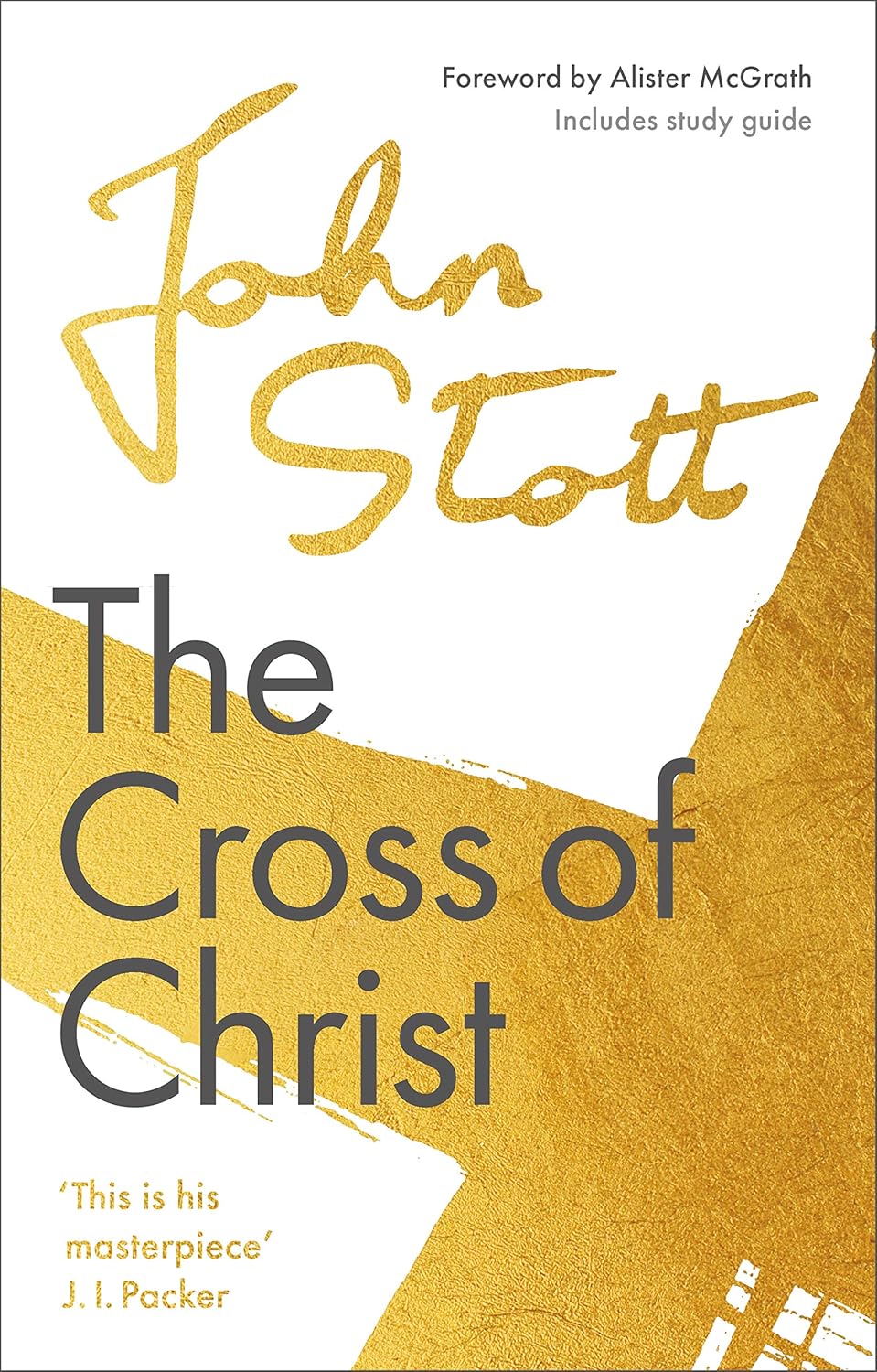
The Cross of Christ
A profound exploration of the meaning and power of the cross at the center of Christian faith and life.
View on Amazon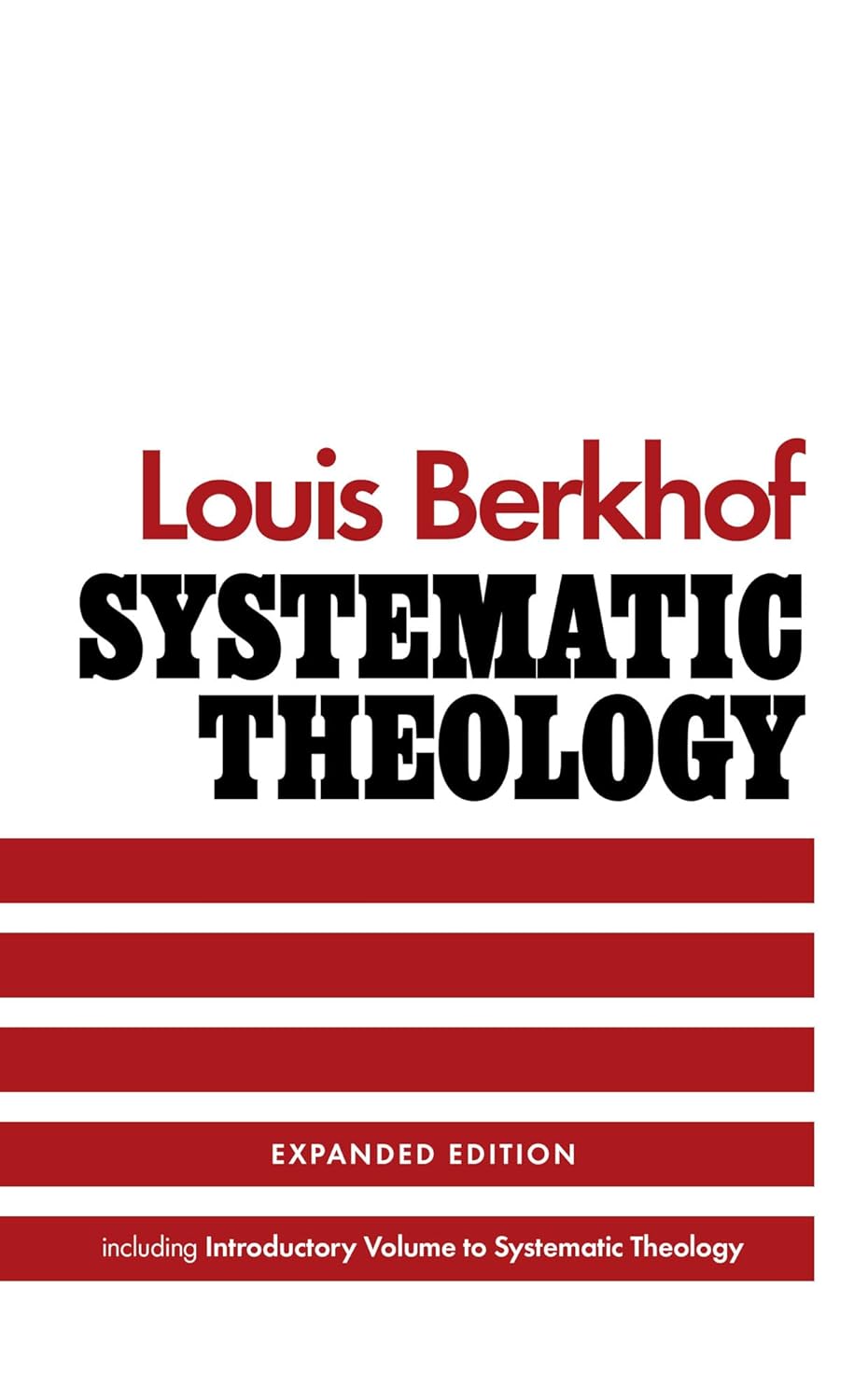
Systematic Theology
A classic Reformed theology text, rich in biblical exegesis and doctrinal clarity.
View on Amazon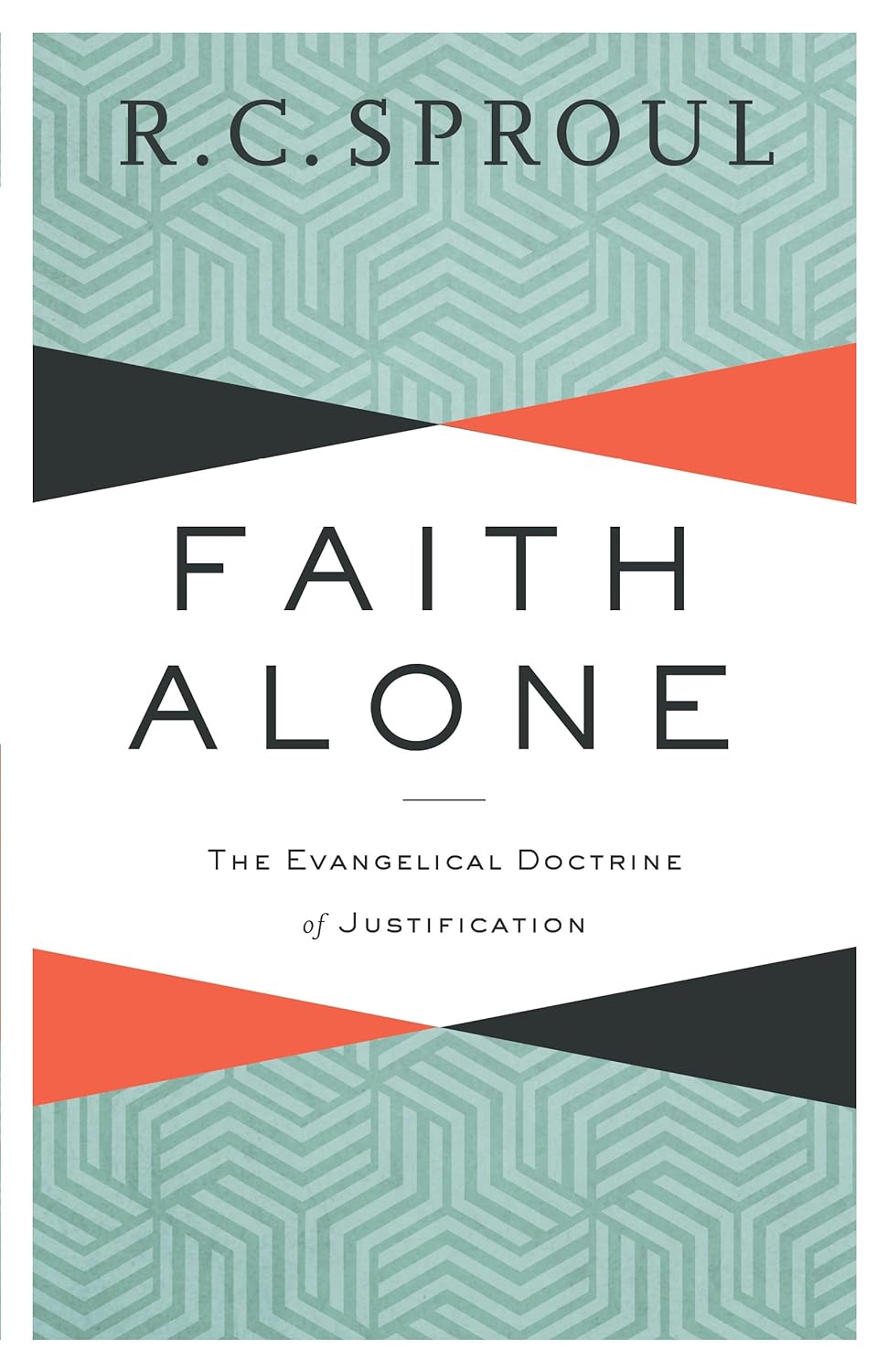
Faith Alone
Defends justification by faith alone as the heart of the biblical gospel and Reformation.
View on Amazon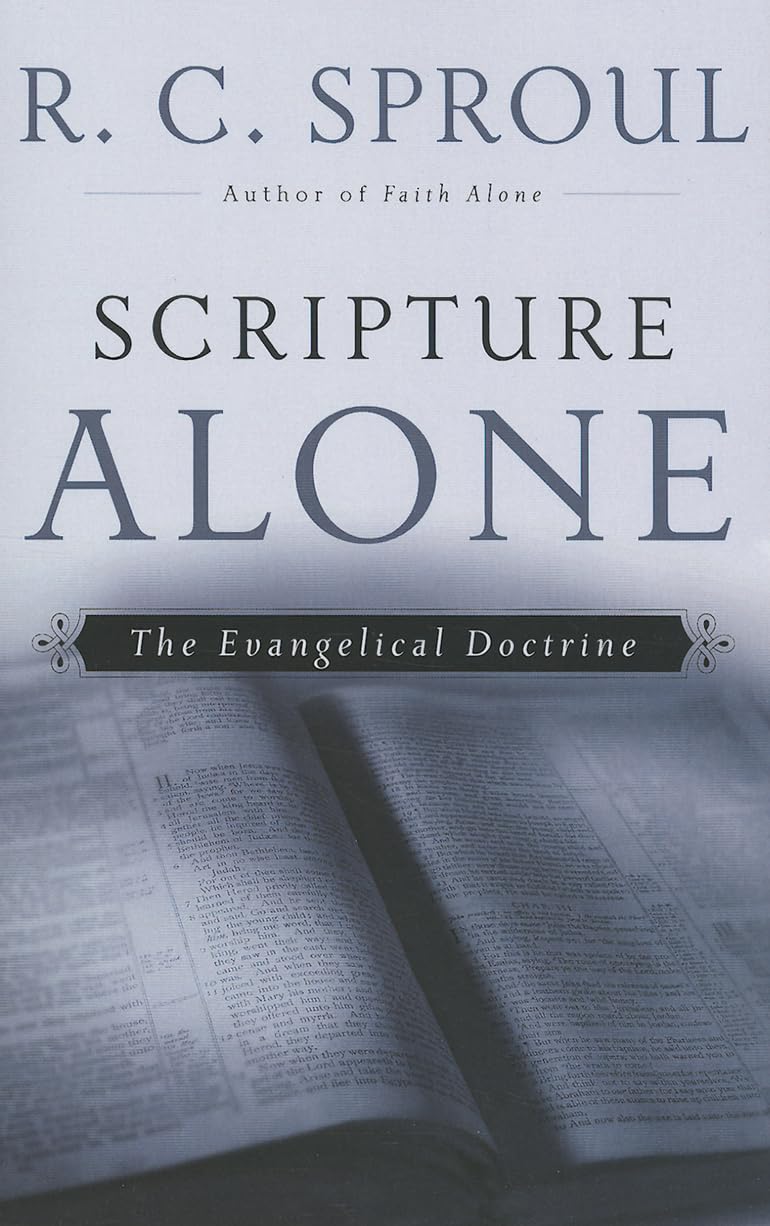
Scripture Alone
Explains and defends the authority and sufficiency of Scripture over all human traditions.
View on Amazon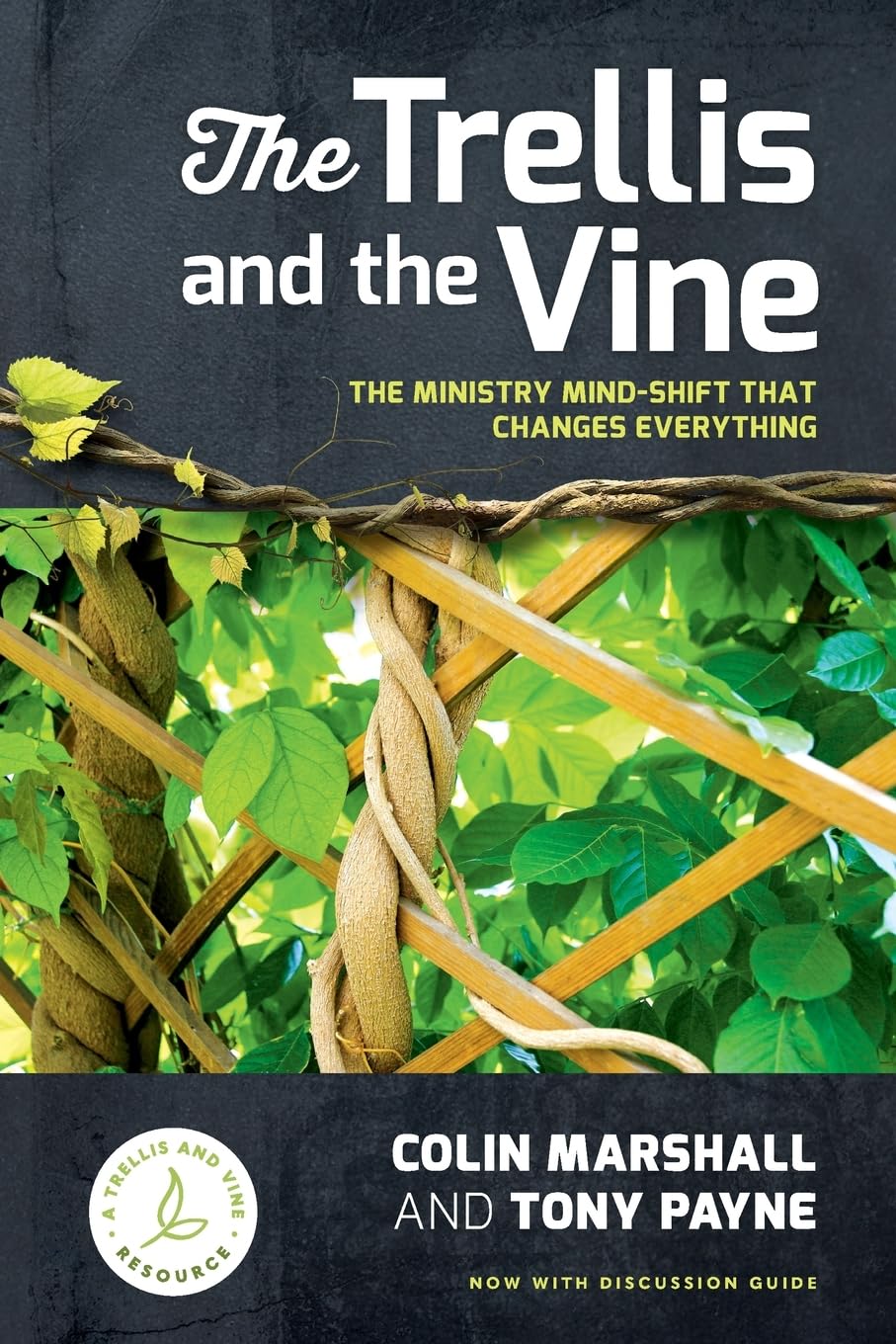
The Trellis and the Vine
A vision for church ministry centered on disciple-making rather than mere structures and programs.
View on Amazon
Future Grace
Argues that faith in God's future grace frees believers from the enslaving power of sin.
View on Amazon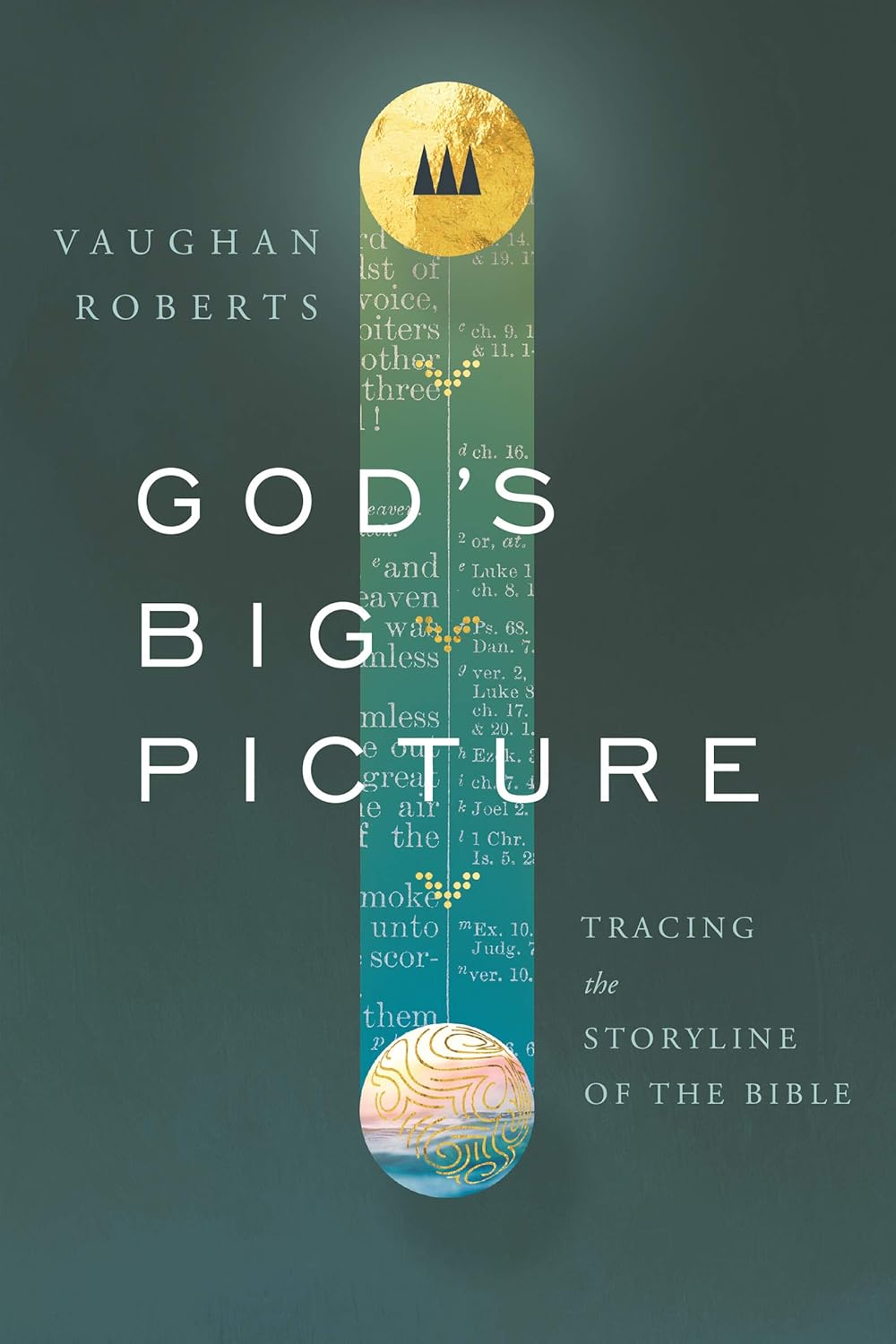
God's Big Picture
Traces the storyline of the Bible from Genesis to Revelation in a clear, Christ-centered way.
View on Amazon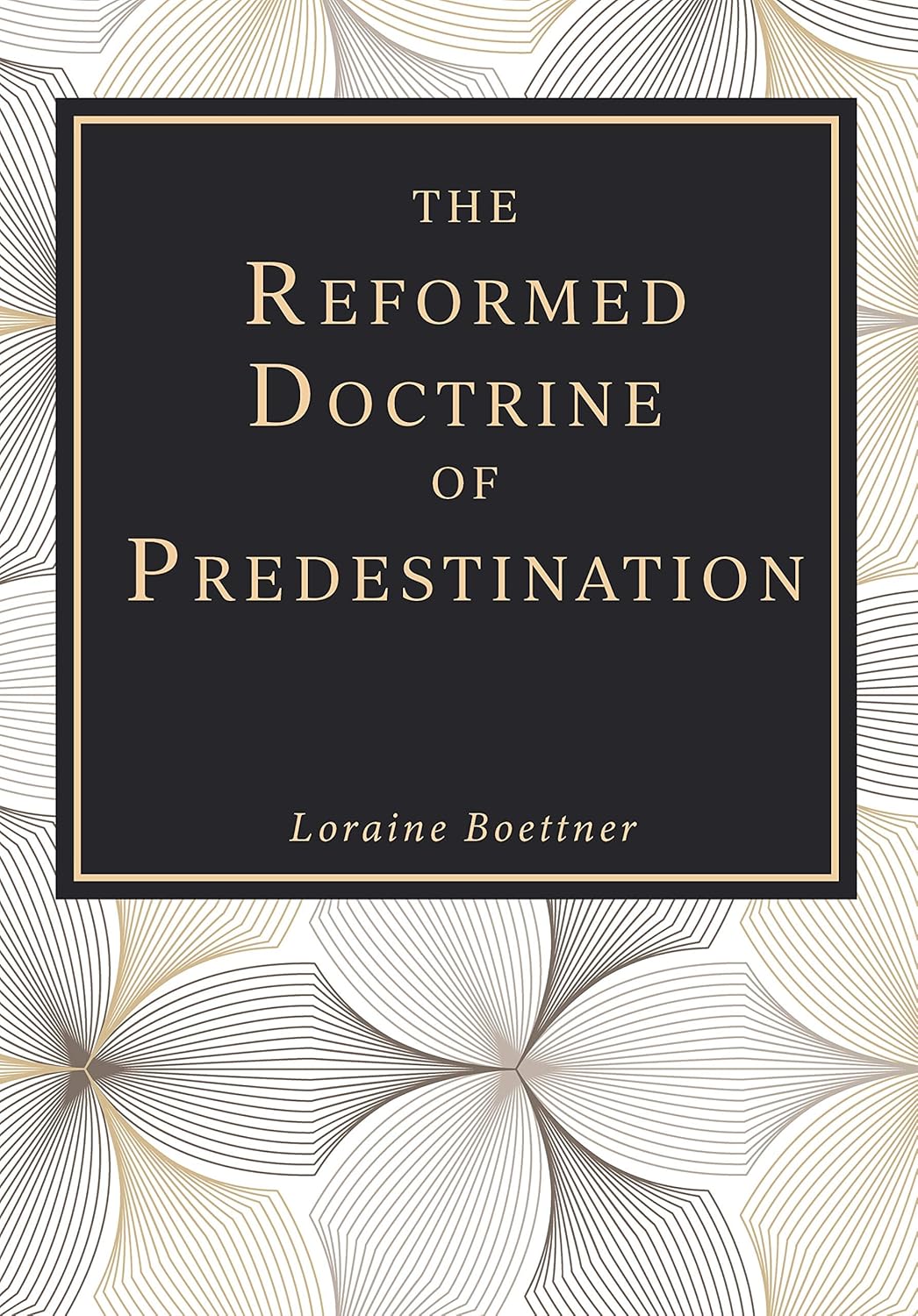
The Reformed Doctrine of Predestination
Explains and defends the doctrines of grace and God's sovereign election from Scripture.
View on Amazon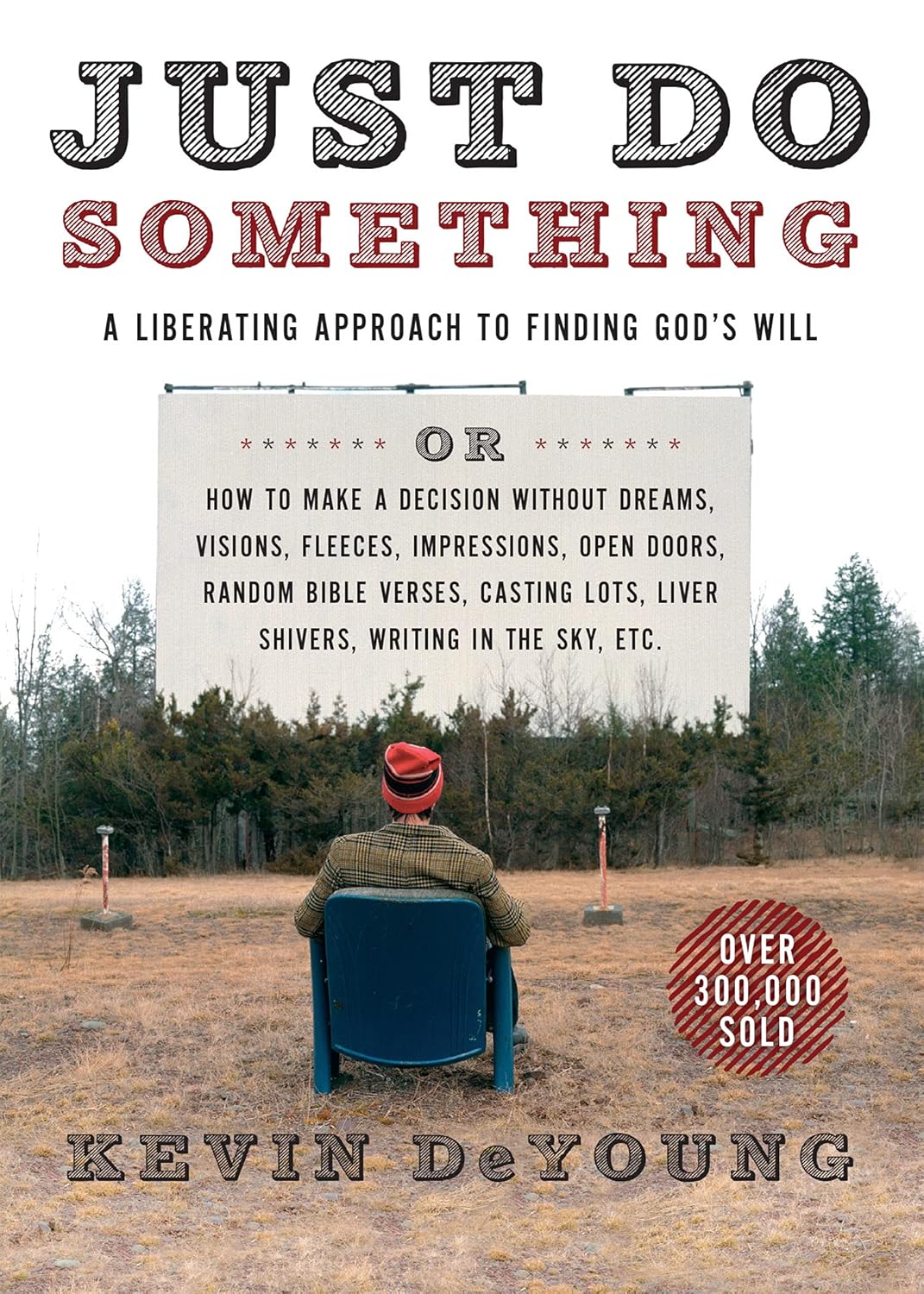
Just Do Something
A wise, biblical approach to knowing God's will without paralysis or mysticism.
View on Amazon
The Bruised Reed
A tender Puritan work on Christ's gentleness toward weak and struggling believers.
View on Amazon
The Westminster Confession of Faith
A historic confession that systematically sets forth Reformed theology from Scripture.
View on Amazon
Christ-Centered Preaching
A standard textbook on preaching that shows how to proclaim Christ from all of Scripture.
View on Amazon
Biblical Preaching
Introduces the "big idea" approach to expository sermons, rooted in the biblical text.
View on Amazon
Total Truth
Equips believers to see all of life through a biblical worldview and challenge secular thinking.
View on Amazon
The Whole Christ
Deals with legalism, antinomianism, and the grace of God in union with Christ.
View on Amazon
The Gospel and Personal Evangelism
Encourages and equips Christians to share the gospel faithfully and simply.
View on Amazon
The Peacemaker
Biblical principles for resolving conflict in a way that honors Christ and reconciles people.
View on Amazon