

Quick Answer
The Bible does not explicitly forbid tattoos for Christians, but it does provide principles that should guide a believer’s decision. While Leviticus 19:28 prohibits tattoos, it is in the context of pagan worship practices, which Christians are not bound by under the New Covenant. Therefore, Christians should consider their motivations, the cultural implications, and their personal convictions before deciding to get a tattoo.
Tattoos have become increasingly popular in modern culture, sparking debates among Christians about whether getting a tattoo is permissible according to the Bible. This article explores what the Bible says about tattoos, examining scriptural references, historical context, and guiding principles for believers.
Old Testament Context
The primary biblical reference to tattoos is found in Leviticus 19:28 (ESV), “You shall not make any cuts on your body for the dead or tattoo yourselves: I am the Lord.” This command was given to the Israelites in the context of distinguishing themselves from surrounding pagan nations, which often used tattoos and body markings as part of their religious rituals and worship of false gods (1 Kings 18:26-28).
New Testament Perspective
The New Testament does not specifically address tattoos. However, several principles can be derived from Scripture to guide Christians in making decisions about tattoos:
- Christian Freedom: According to Romans 7:4-6, Christians are no longer under the Mosaic Law but are called to live in the new way of the Spirit. Thus, the specific prohibition in Leviticus does not directly apply to New Testament believers.
- Motivations and Intentions: 1 Corinthians 10:31 urges believers to do everything for the glory of God. The motivation behind getting a tattoo should be examined. Is it for vanity, rebellion, or to fit in with worldly trends? Or does it have a meaningful, God-honoring purpose?
- Body as a Temple: 1 Corinthians 6:19-20 reminds Christians that their bodies are temples of the Holy Spirit. Any decision regarding body modification should respect and honor this truth.
- Witness and Representation: Christians are ambassadors for Christ (2 Corinthians 5:20). Tattoos should not hinder one’s ability to represent Christ effectively and share the gospel.
See also: Bible Verses about Tattoos
Cultural Considerations
Cultural context plays a significant role in how tattoos are perceived. In some cultures, tattoos are associated with paganism, witchcraft, or rebellion, while in others, they are a form of art and self-expression. Christians should consider the cultural implications of tattoos in their specific context and how it may affect their witness.
Common Objections and Responses
- Idolatry and Pagan Practices: Some argue that tattoos are inherently tied to pagan practices. While this was true historically, modern tattoos often do not carry the same religious connotations. Each believer must discern their personal motivations and avoid any associations with idolatry.
- Health Risks: Tattoos carry health risks, such as infections and allergic reactions. Believers should exercise wisdom and stewardship of their bodies when considering a tattoo.
- Permanent Decisions: Tattoos are permanent and can be difficult to remove. Christians should thoughtfully consider the long-term implications and whether they will still appreciate the tattoo in the future.
Conclusion
The Bible does not categorically forbid tattoos, but it provides guiding principles for believers to consider. Christians should examine their motivations, consider the cultural and personal implications, and seek to honor God in all their decisions. If there is any doubt or lack of faith in getting a tattoo, it is better to refrain (Romans 14:23).
References
- https://www.gotquestions.org/tattoos-sin.html
- https://www.desiringgod.org/interviews/tattoos-in-biblical-perspective
- https://www.thegospelcoalition.org/blogs/erik-raymond/qa-friday-is-it-a-sin-for-a-christian-to-get-a-tattoo
- https://sermons.logos.com/sermons/238115-should-you-get-a-tattoo
- https://www.gty.org/library/sermons-library/70-46/bible-questions-and-answers-part-70
- https://www.compellingtruth.org/tattoo-sin.html
- https://www.thegospelcoalition.org/blogs/trevin-wax/are-tattoos-worse-adultery
- https://www.neverthirsty.org/bible-qa/qa-archives/question/what-does-the-bible-say-about-tattoos
Must-Read Christian Books

Holiness
A rich, pastoral treatment of sin, sanctification, and the fight for holiness in the Christian life, deeply rooted in Scripture.
View on Amazon
Systematic Theology
A classic Reformed theology text, rich in biblical exegesis and doctrinal clarity.
View on Amazon
Prayer: Experiencing Awe and Intimacy with God
A robust, Scripture-saturated theology of prayer with practical guidance for deepening communion with God.
View on Amazon
The Trellis and the Vine
A vision for church ministry centered on disciple-making rather than mere structures and programs.
View on Amazon
Future Grace
Argues that faith in God's future grace frees believers from the enslaving power of sin.
View on Amazon
Let the Nations Be Glad!
Missions-focused theology showing that worship is the goal of evangelism to the nations.
View on Amazon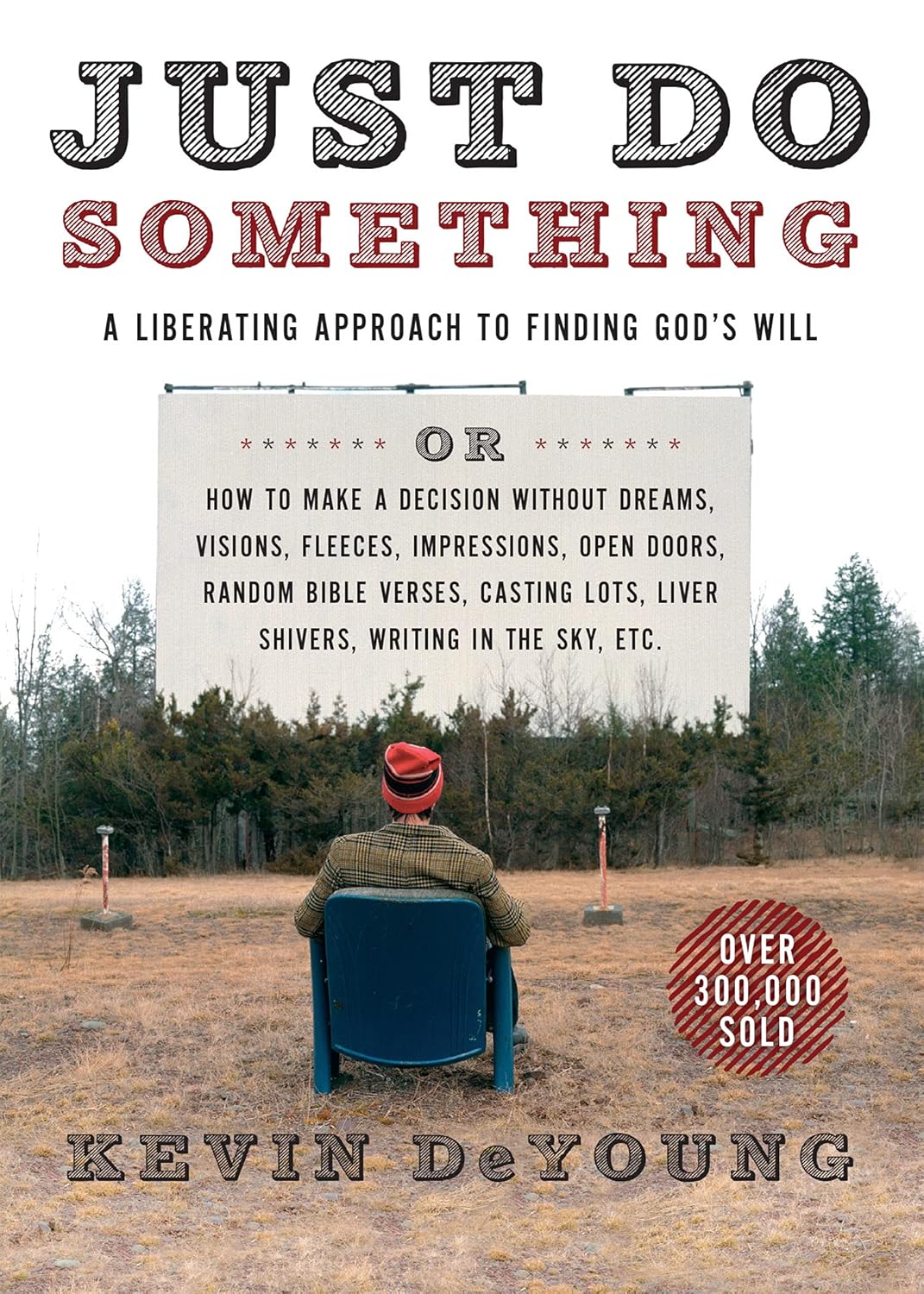
Just Do Something
A wise, biblical approach to knowing God's will without paralysis or mysticism.
View on Amazon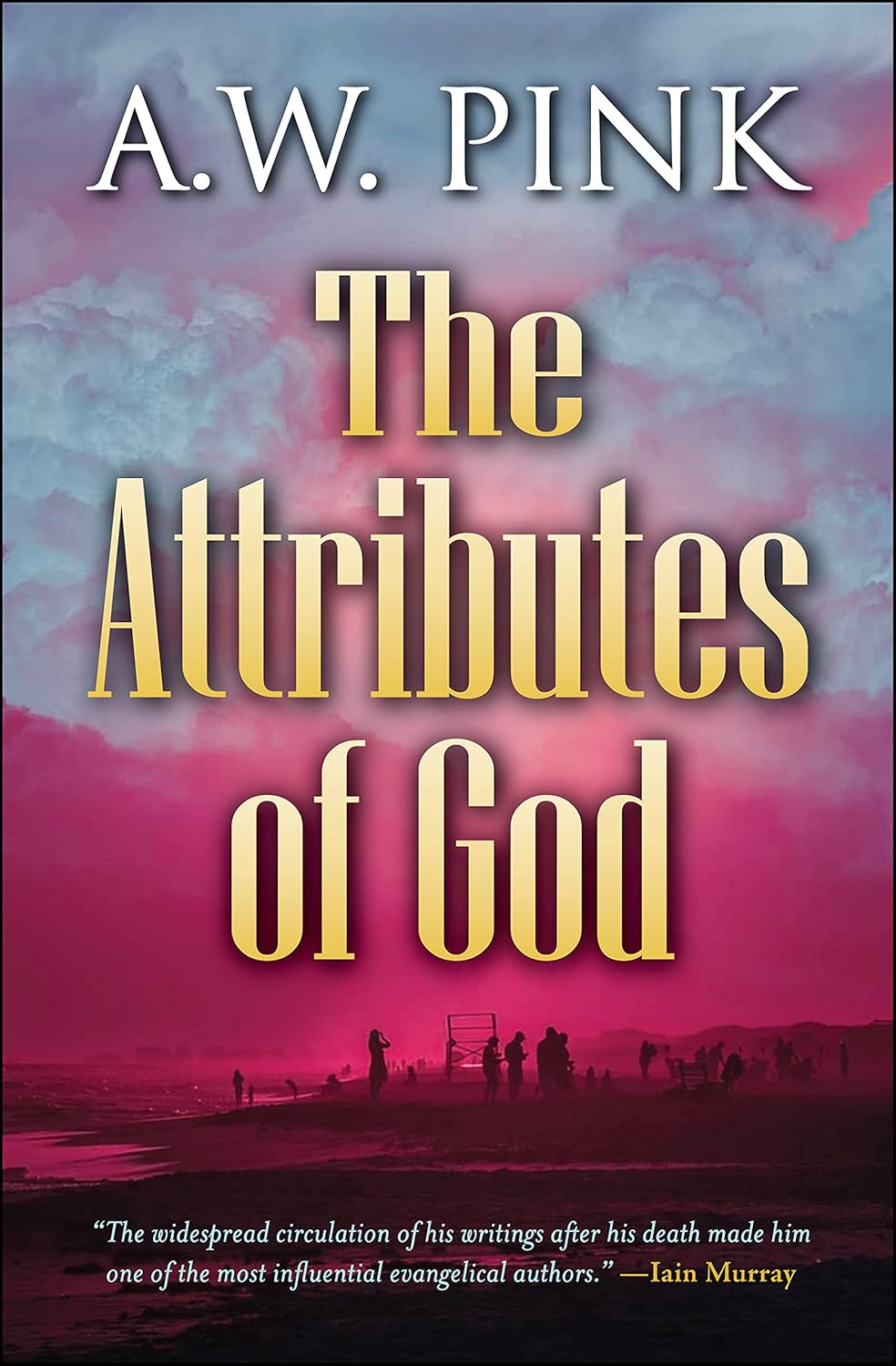
The Attributes of God
Devotional meditations on God's character that stir reverence and worship.
View on Amazon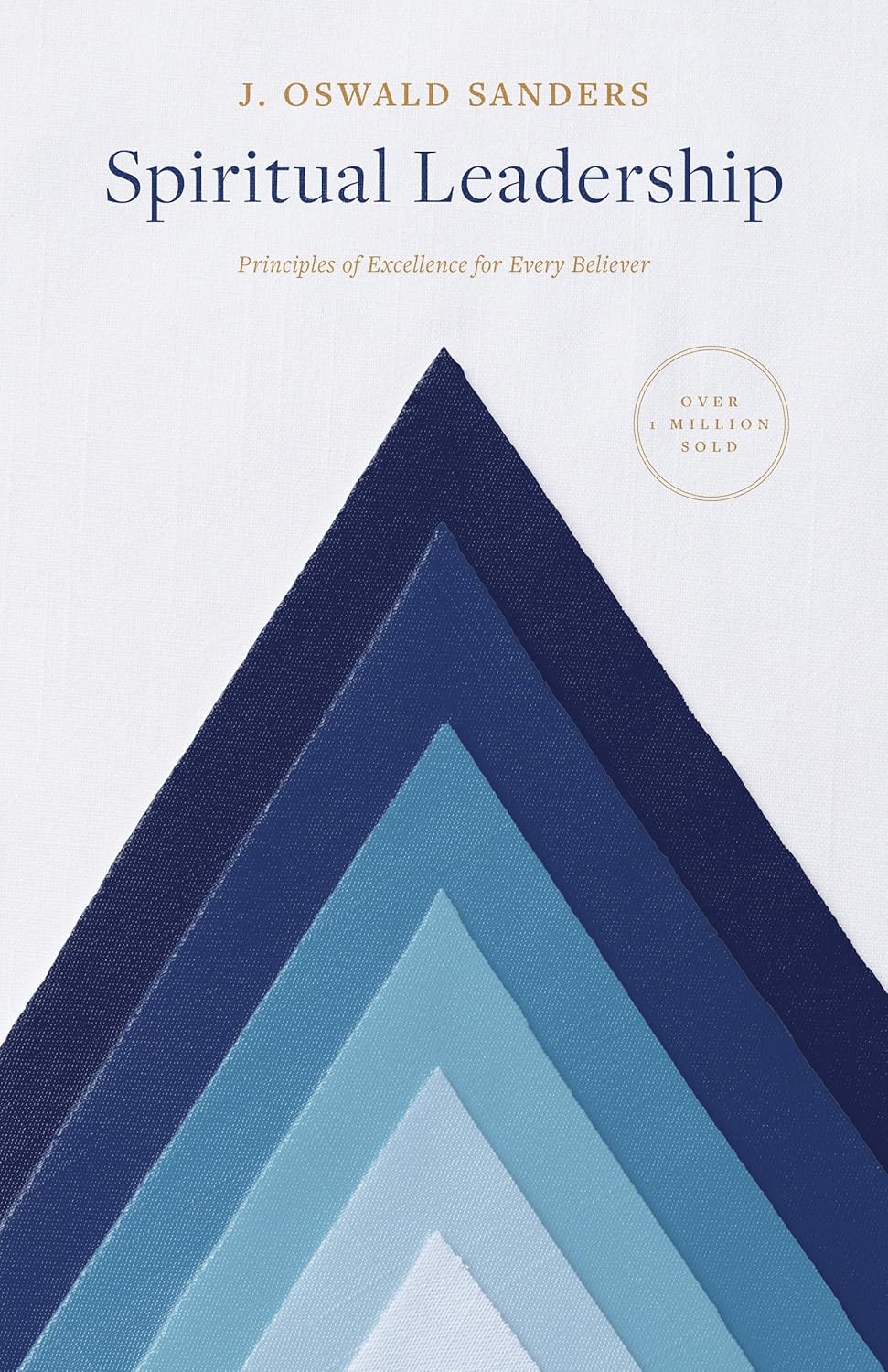
Spiritual Leadership
Biblical principles for godly leadership in the church, home, and workplace.
View on Amazon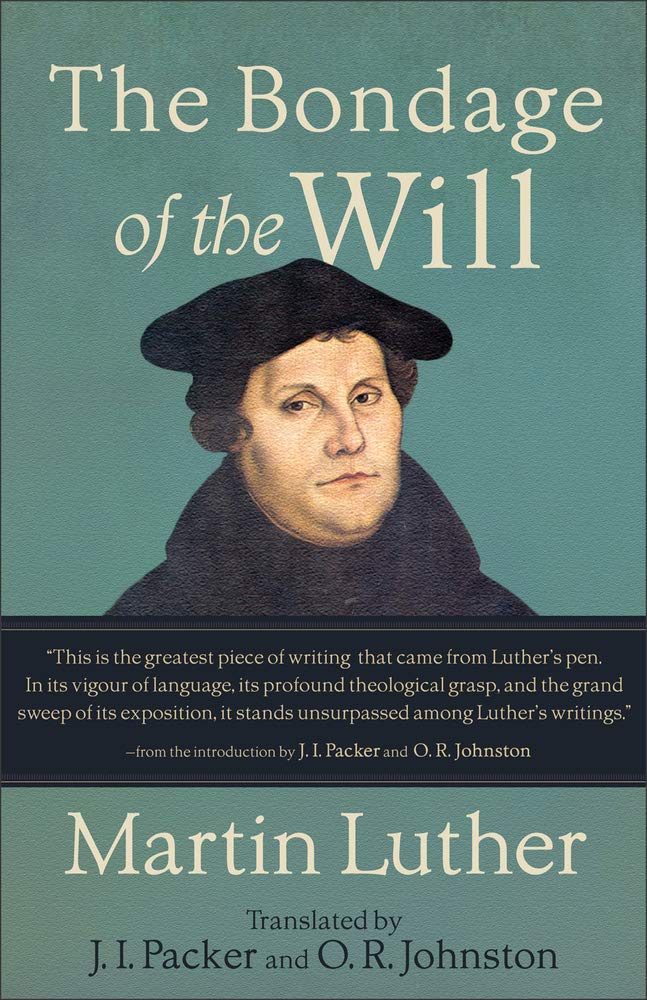
The Bondage of the Will
Luther's classic defense of the Bible's teaching on human sin and God's sovereign grace.
View on Amazon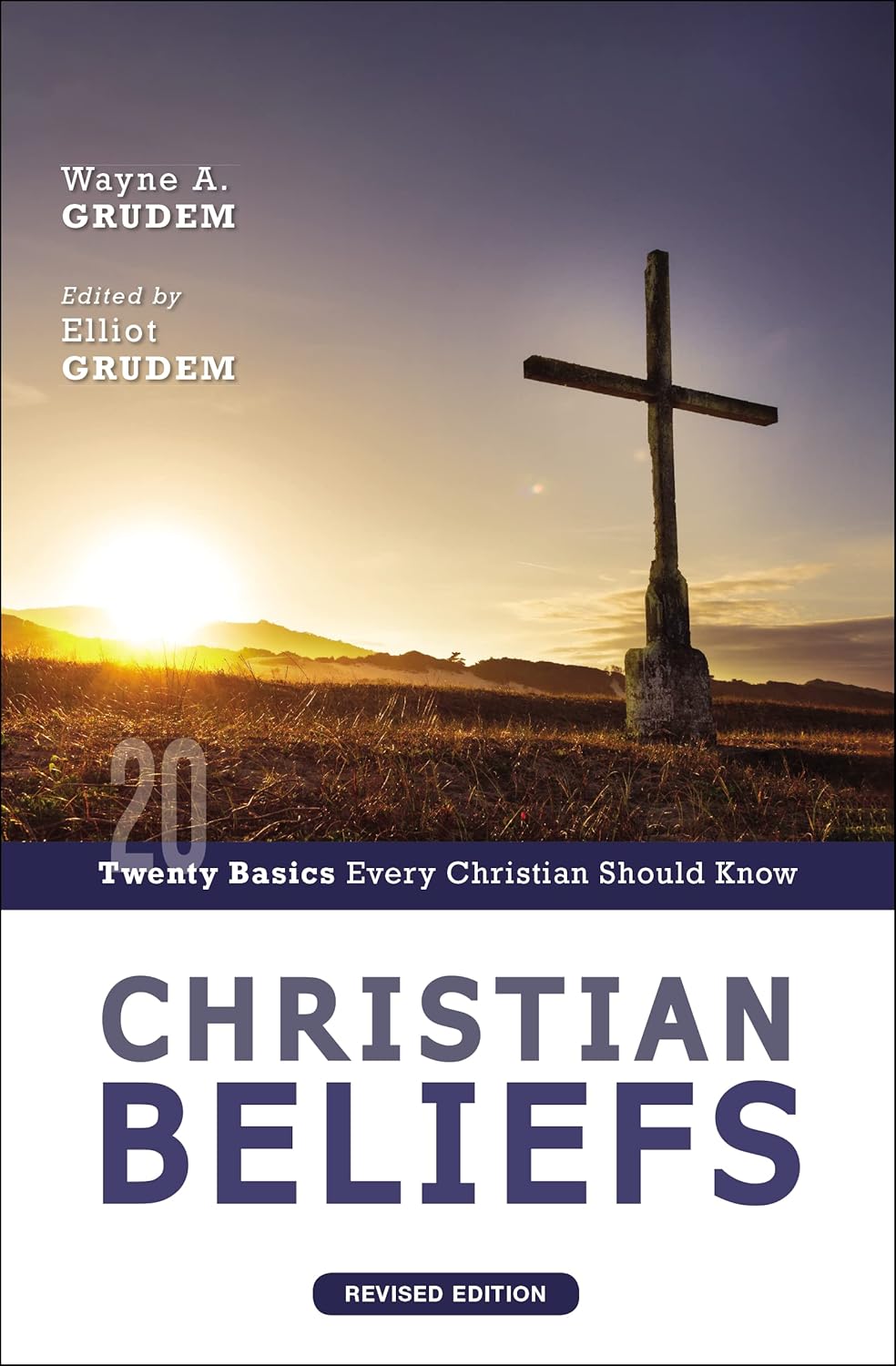
Christian Beliefs
A shorter, accessible overview of 20 basic Christian doctrines for everyday believers.
View on Amazon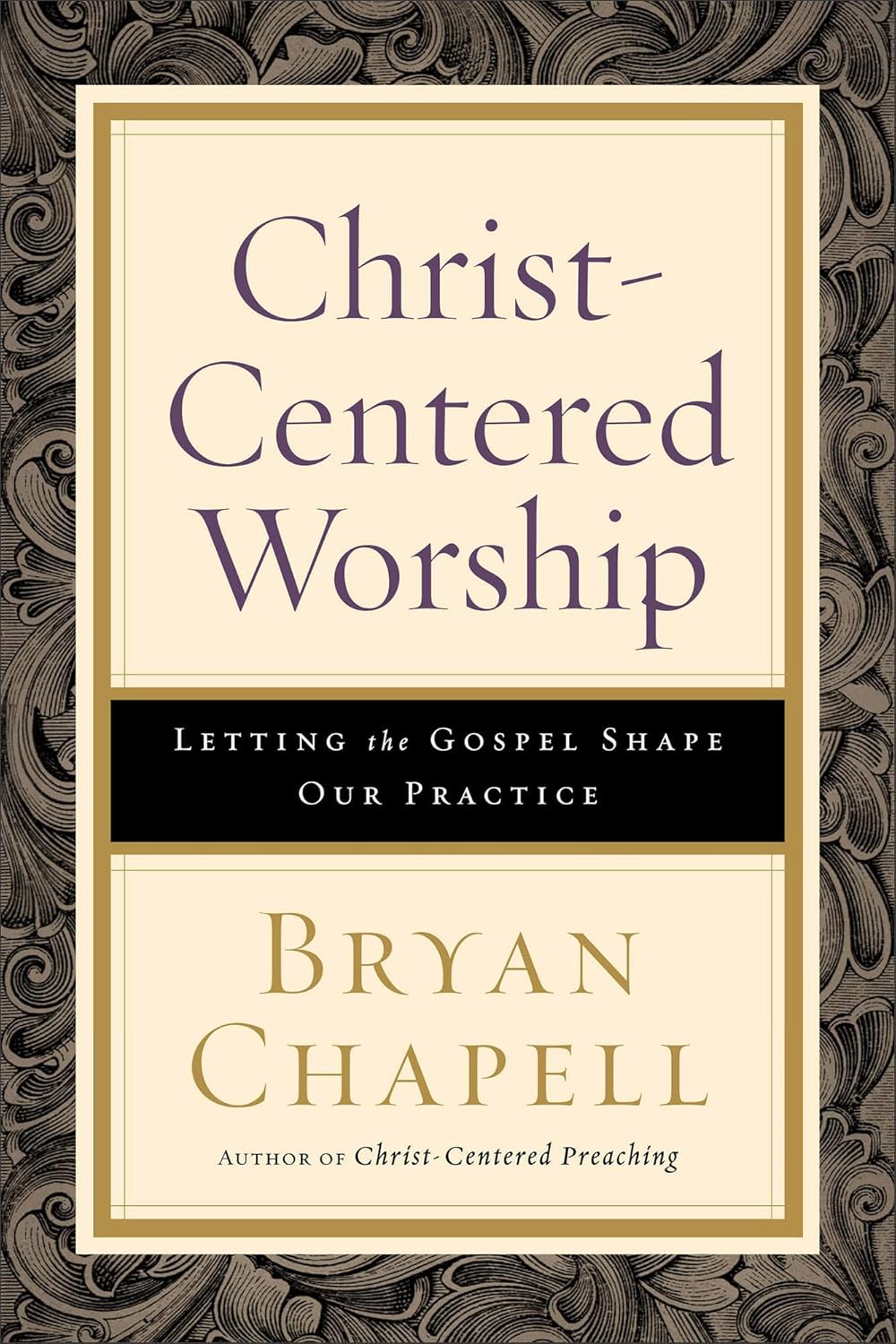
Christ-Centered Worship
Traces historic worship patterns and shows how to shape Christ-focused services today.
View on Amazon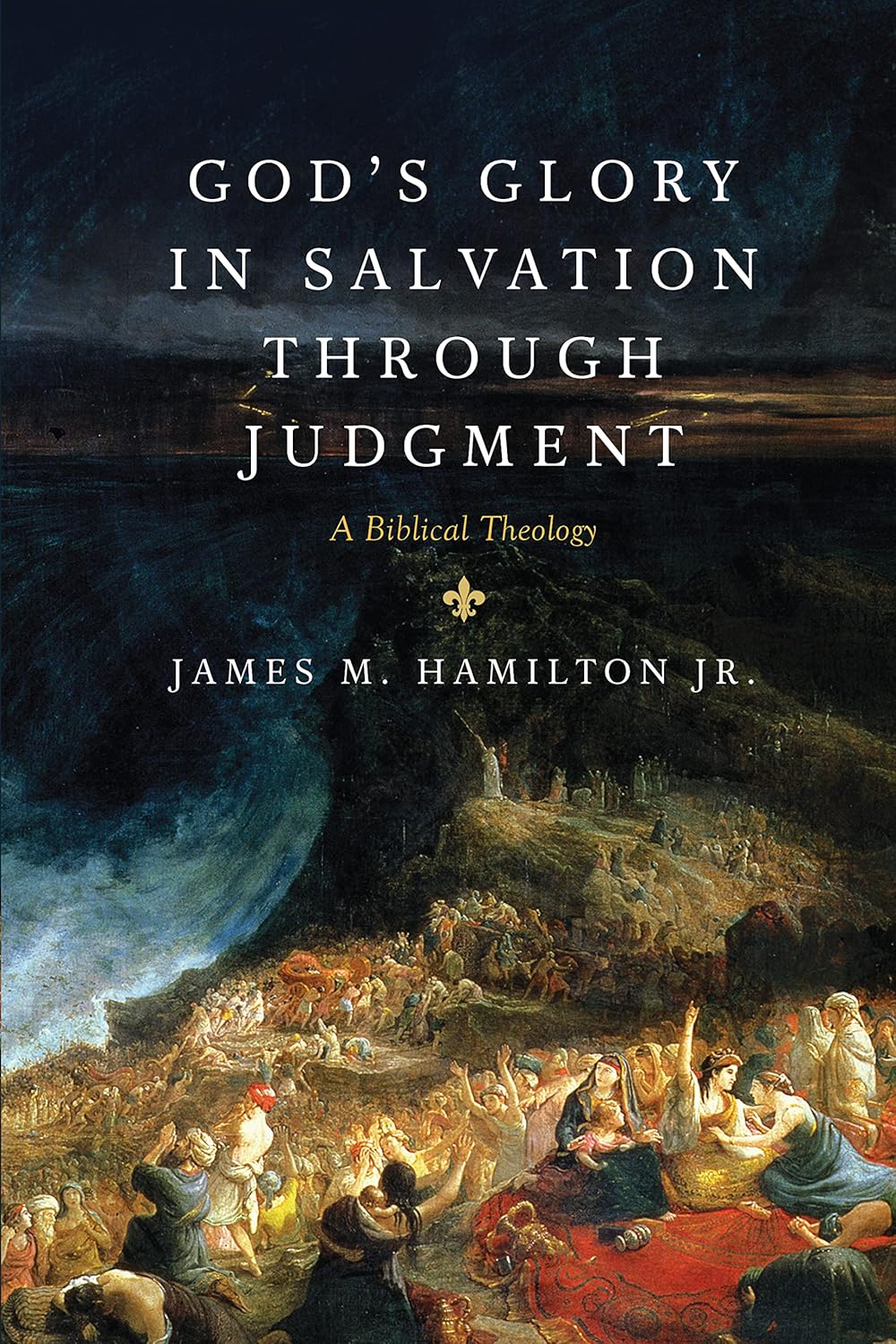
God's Glory in Salvation through Judgment
Argues that God's glory in salvation through judgment is the central theme of Scripture.
View on Amazon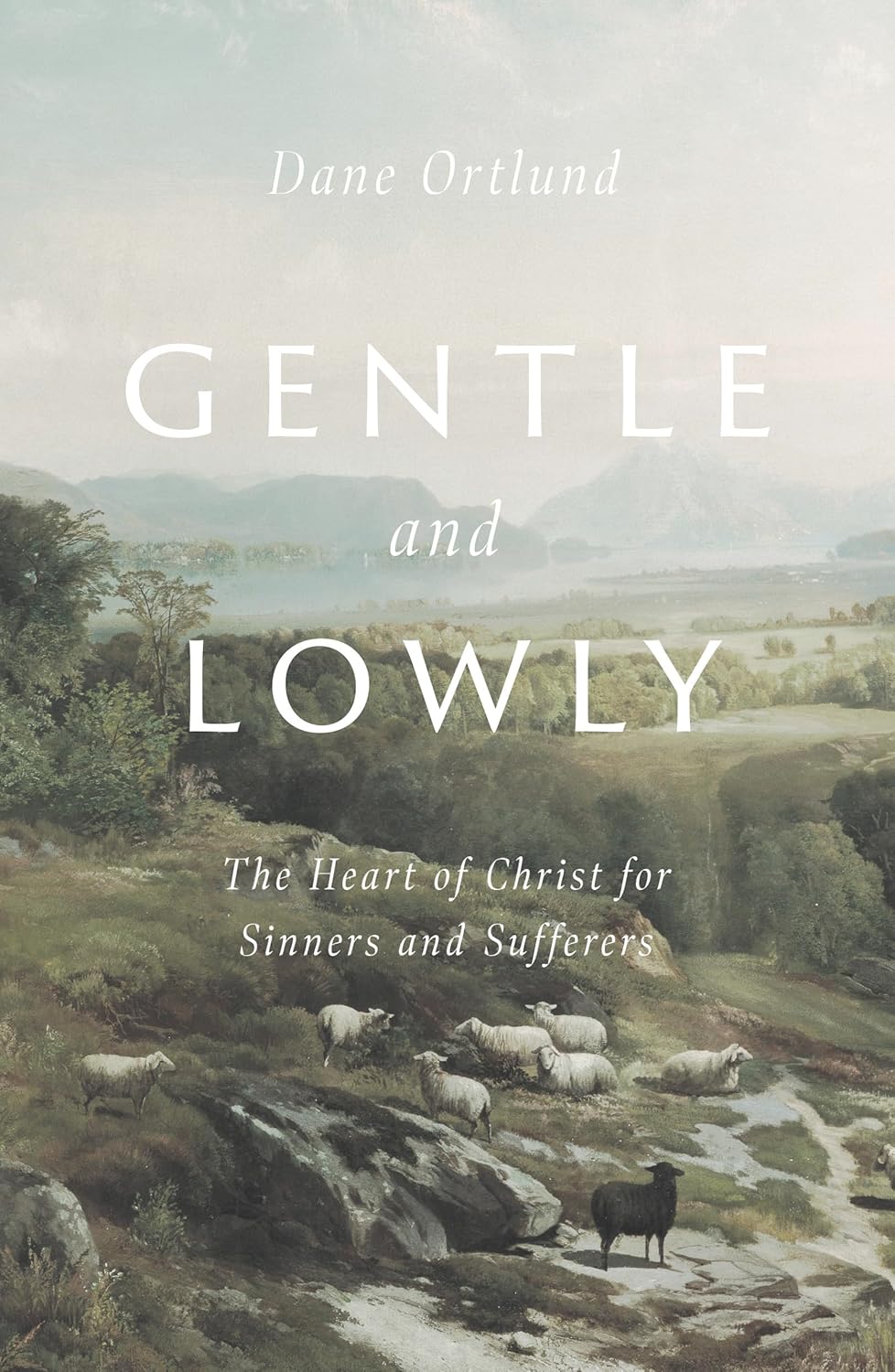
Gentle and Lowly
Meditates on Christ's heart for sinners and sufferers from key biblical texts.
View on Amazon
The Freedom of Self-Forgetfulness
Shows how the gospel frees us from self-obsession to live in joy and service.
View on Amazon
The Discipline of Spiritual Discernment
Teaches believers how to distinguish truth from error using Scripture.
View on Amazon
Christian Mission in the Modern World
Clarifies key biblical concepts like evangelism, mission, and social action.
View on Amazon
This Momentary Marriage
Shows how marriage is designed to display the covenant love of Christ and His church.
View on Amazon