
This is a simplified version of the Bible story found in Genesis 49, written for children to understand. For the original version, please refer to the Bible passage.
Once upon a time, there was a man named Jacob who had twelve sons. When Jacob was very old, he called his sons together and told them that he had a message for them from God about what would happen to them in the future.
Jacob began with his firstborn son, Reuben. He told Reuben that even though he was strong and powerful, he had made a bad mistake that would cost him his leadership. Jacob explained that Reuben had slept with one of his father’s wives, which was very wrong.
Next, Jacob spoke to Simeon and Levi, who were brothers. He said that they were too violent and had hurt people and animals. Jacob didn’t want to be associated with their bad behavior, and so he said that they would not receive a special blessing.
But Jacob’s next son, Judah, was different. Jacob said that Judah would be a great leader and that his brothers would respect and bow down to him. Jacob compared Judah to a lion and said that he would be a strong ruler. Jacob even said that a special king, called the Messiah, would come from Judah’s family.
After blessing Judah, Jacob gave a message to each of his other sons. He spoke to Zebulun, who would live by the sea and be a great trader. He spoke to Issachar, who would be a hard worker but not a leader. He spoke to Dan, who would be a wise judge but also cause problems for others. He spoke to Gad, who would be strong and fight off enemies. He spoke to Asher, who would be rich and eat lots of good food. He spoke to Naphtali, who would be free and happy like a deer.
Finally, Jacob spoke to Joseph, who was his favorite son. Jacob said that Joseph would be very successful and fruitful, even though he would face many challenges. Jacob compared Joseph to a vine that produced lots of good fruit.
At last, Jacob spoke to his twelfth and youngest son, Benjamin. Jacob said that Benjamin would be like a fierce wolf, devouring his prey in the morning and dividing the spoil in the evening. Jacob loved Benjamin very much and knew that he would be a great warrior and protector of his family.
After blessing each of his sons, Jacob gave them a final command. He asked them to bury him in the same place where his parents and grandparents were buried, in a cave in the field of Ephron the Hittite, in the land of Canaan. This was the same cave where Abraham, Sarah, Isaac, Rebekah, and Jacob’s wife Leah were buried. Jacob’s sons promised to follow his wishes, and when Jacob died, they made sure to bury him in the cave as he had requested.
Biblical Lessons
- God has a plan for each of us, and sometimes we receive blessings or consequences for our actions.
- We should respect our parents and honor their final wishes.
- Even when things seem tough, God is with us and can help us overcome challenges.
- Jealousy and violence can lead to destructive behavior and consequences.
- God can use our weaknesses and struggles to bring about good things.
- God keeps His promises, and He sent the Messiah through the line of Judah.
Related Stories
Isaac in the Land of the Philistines
Must-Read Christian Books
Knowing God
A classic that helps believers move from knowing about God to truly knowing Him in a personal and biblical way.
View on Amazon
Mere Christianity
Lewis lays out the core beliefs of the Christian faith with clarity, logic, and imagination, rooted in Scripture.
View on Amazon
Holiness
A rich, pastoral treatment of sin, sanctification, and the fight for holiness in the Christian life, deeply rooted in Scripture.
View on Amazon
The Cost of Discipleship
A penetrating look at Jesus' call to follow Him, contrasting cheap grace with true, costly discipleship.
View on Amazon
The Cross of Christ
A profound exploration of the meaning and power of the cross at the center of Christian faith and life.
View on Amazon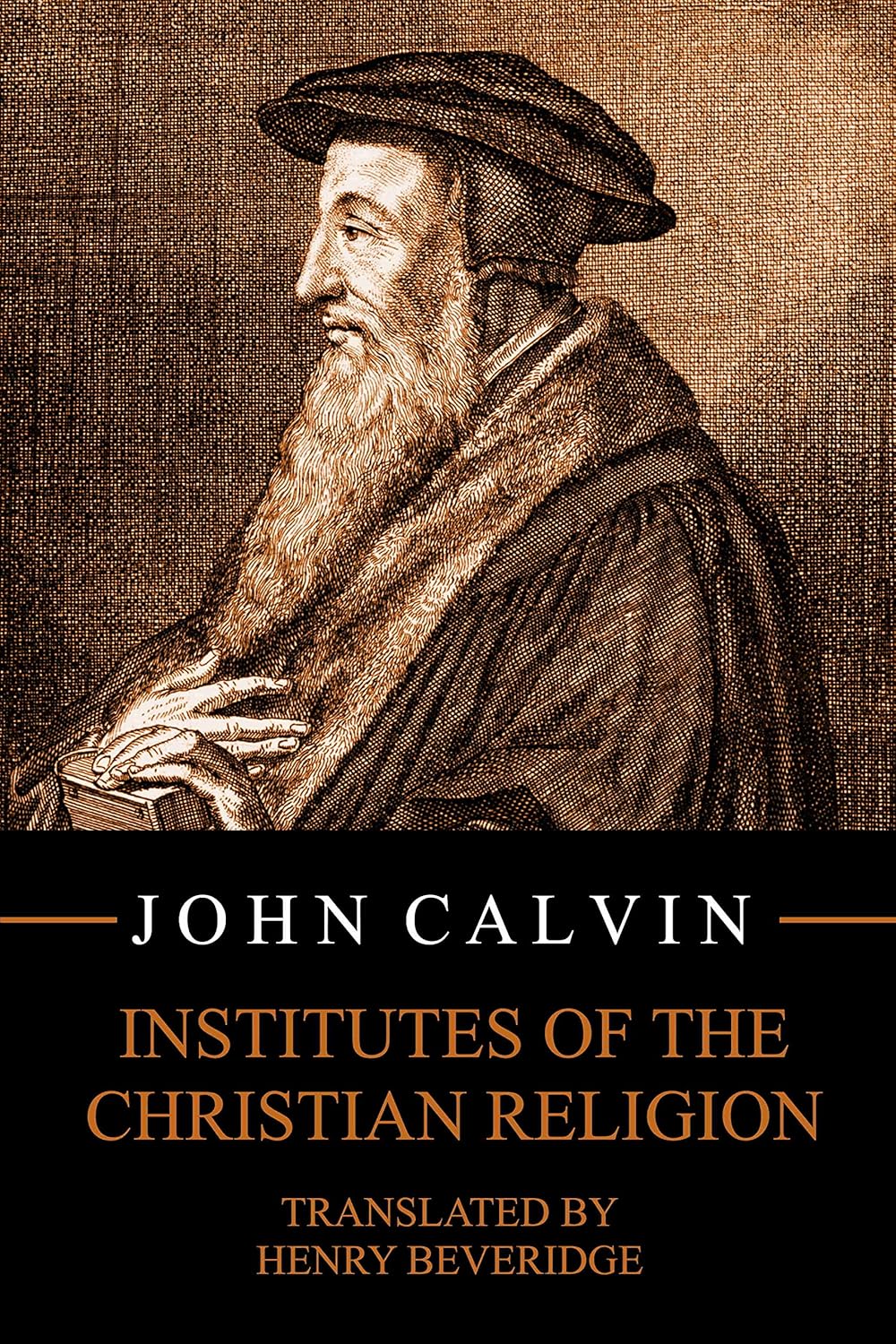
Institutes of the Christian Religion
A classic work of Reformed theology in an accessible form, laying out Christian doctrine with deep biblical roots.
View on Amazon
The Holiness of God
Sproul unfolds the blazing holiness of God and why a right fear of the Lord is vital to true worship.
View on Amazon
Chosen by God
A clear, pastoral explanation of biblical election and God's sovereignty in salvation.
View on Amazon
Evangelism and the Sovereignty of God
Shows how God's sovereignty in salvation fuels, rather than hinders, faithful evangelism.
View on Amazon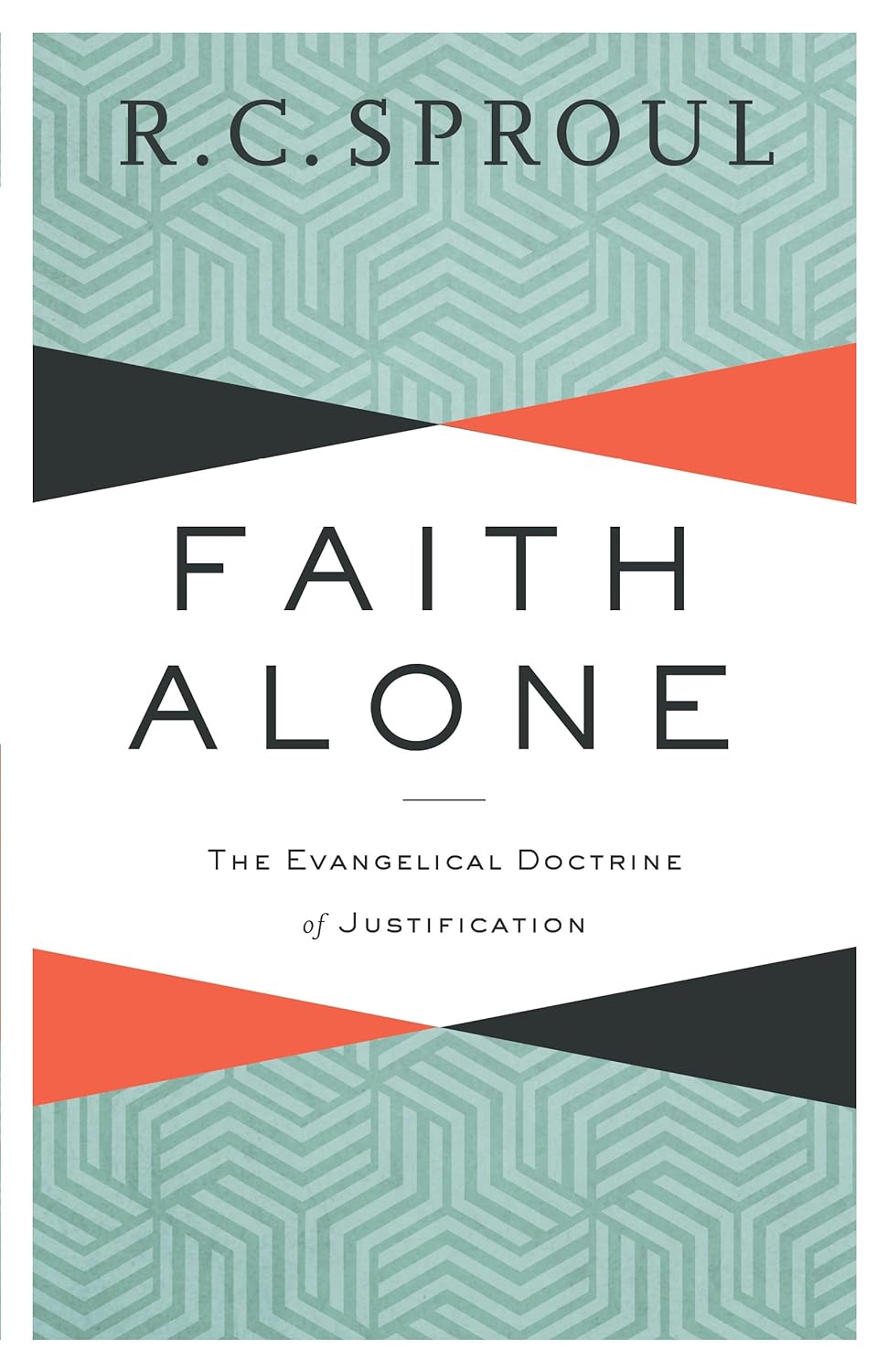
Faith Alone
Defends justification by faith alone as the heart of the biblical gospel and Reformation.
View on Amazon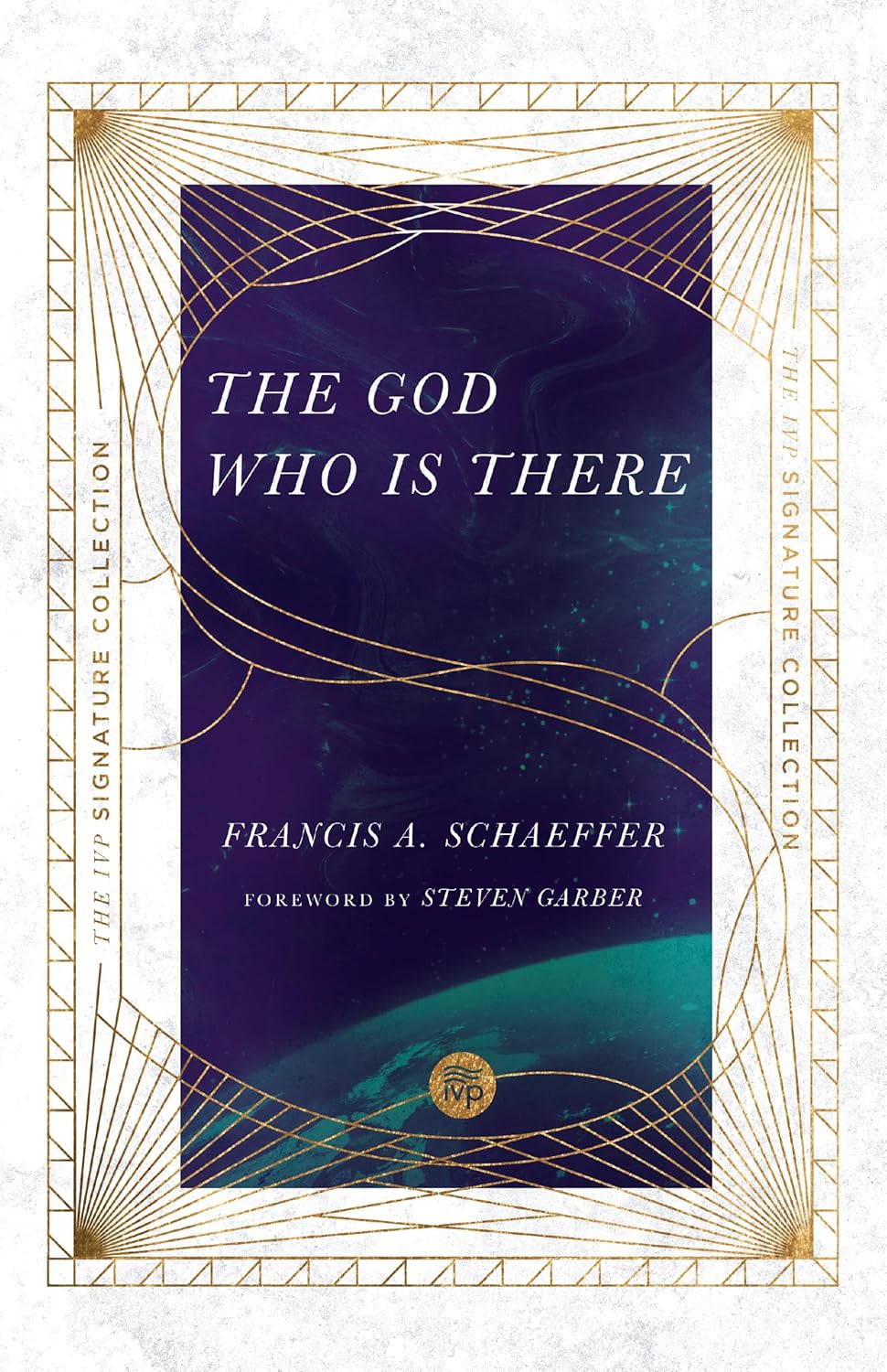
The God Who Is There
Shows how the God of the Bible speaks into modern philosophical and cultural confusion.
View on Amazon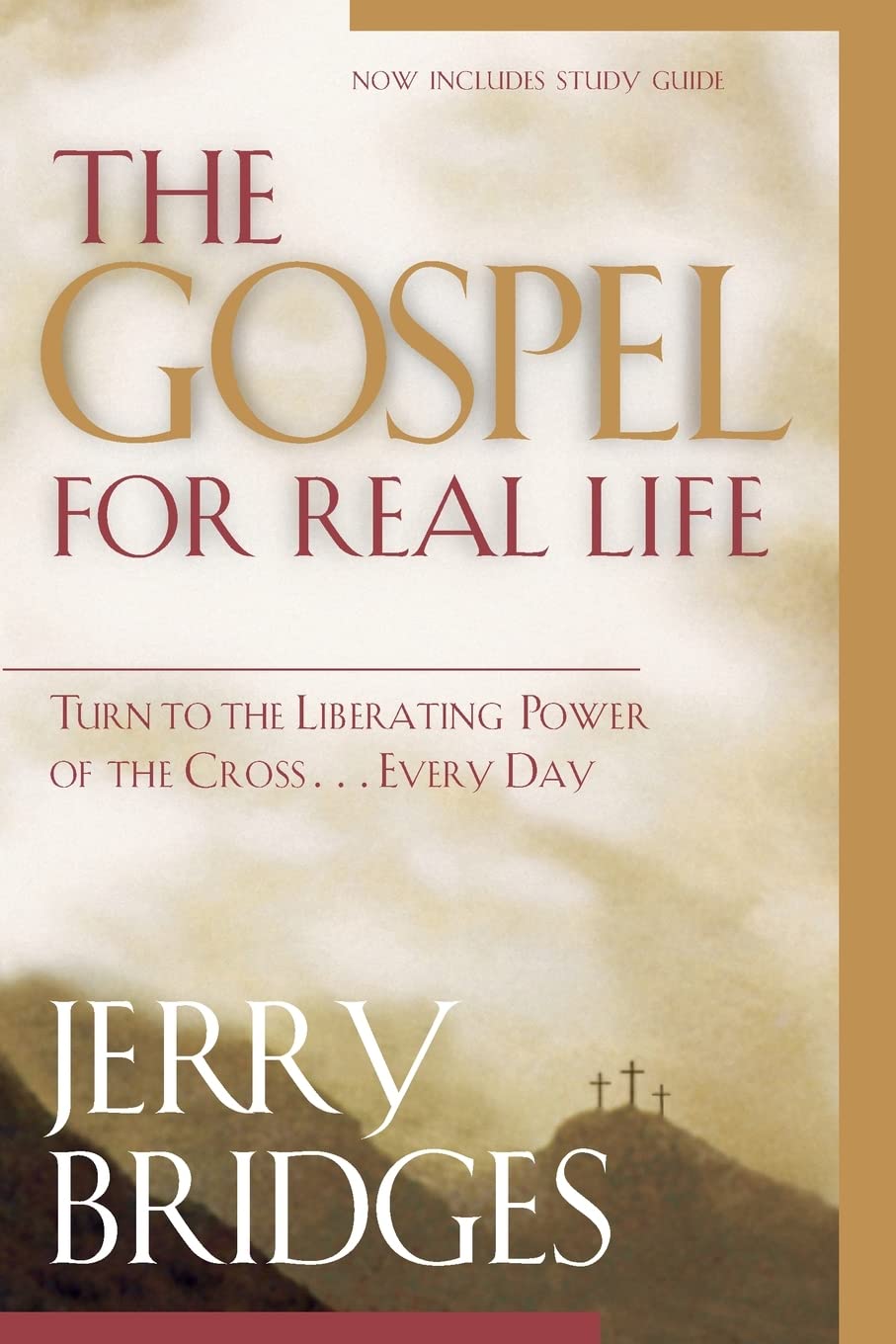
The Gospel for Real Life
Shows how the finished work of Christ applies to everyday struggles and assurance.
View on Amazon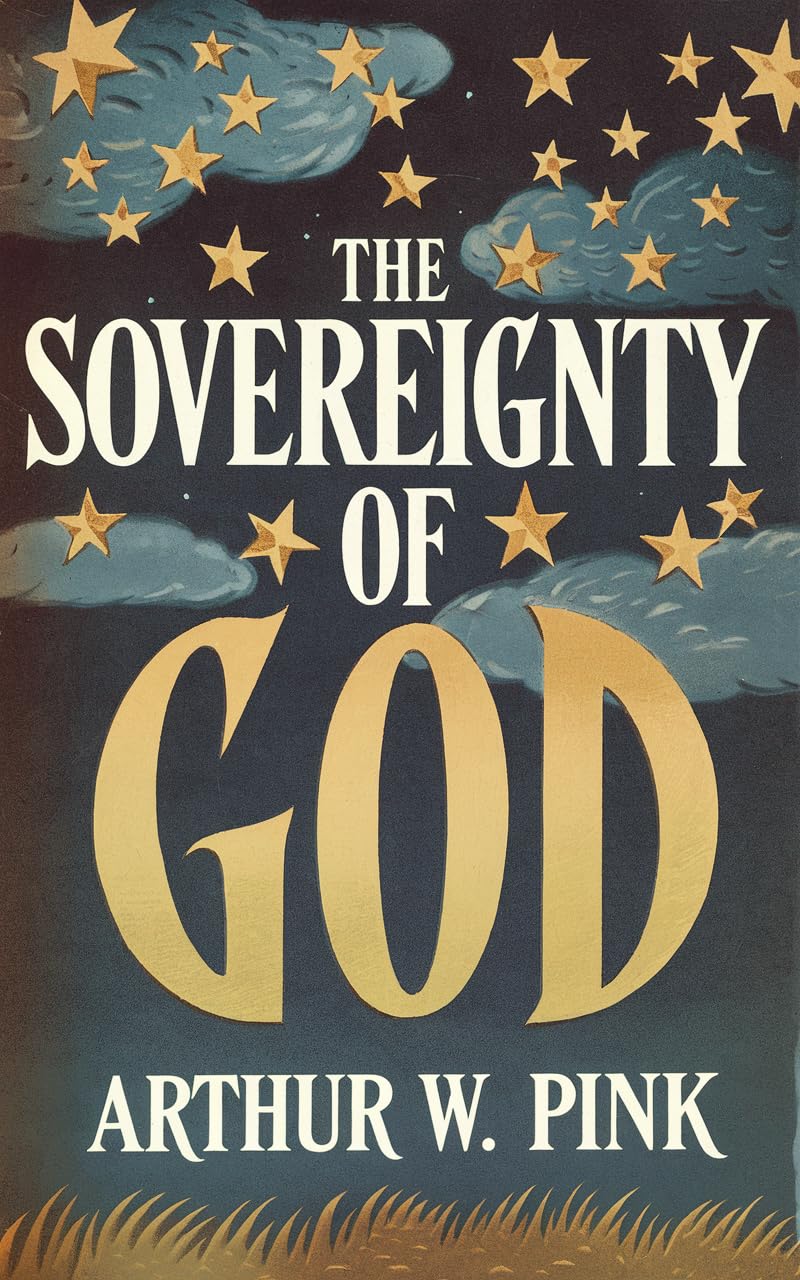
The Sovereignty of God
A strong, Scripture-based defense of God's absolute rule over all things.
View on Amazon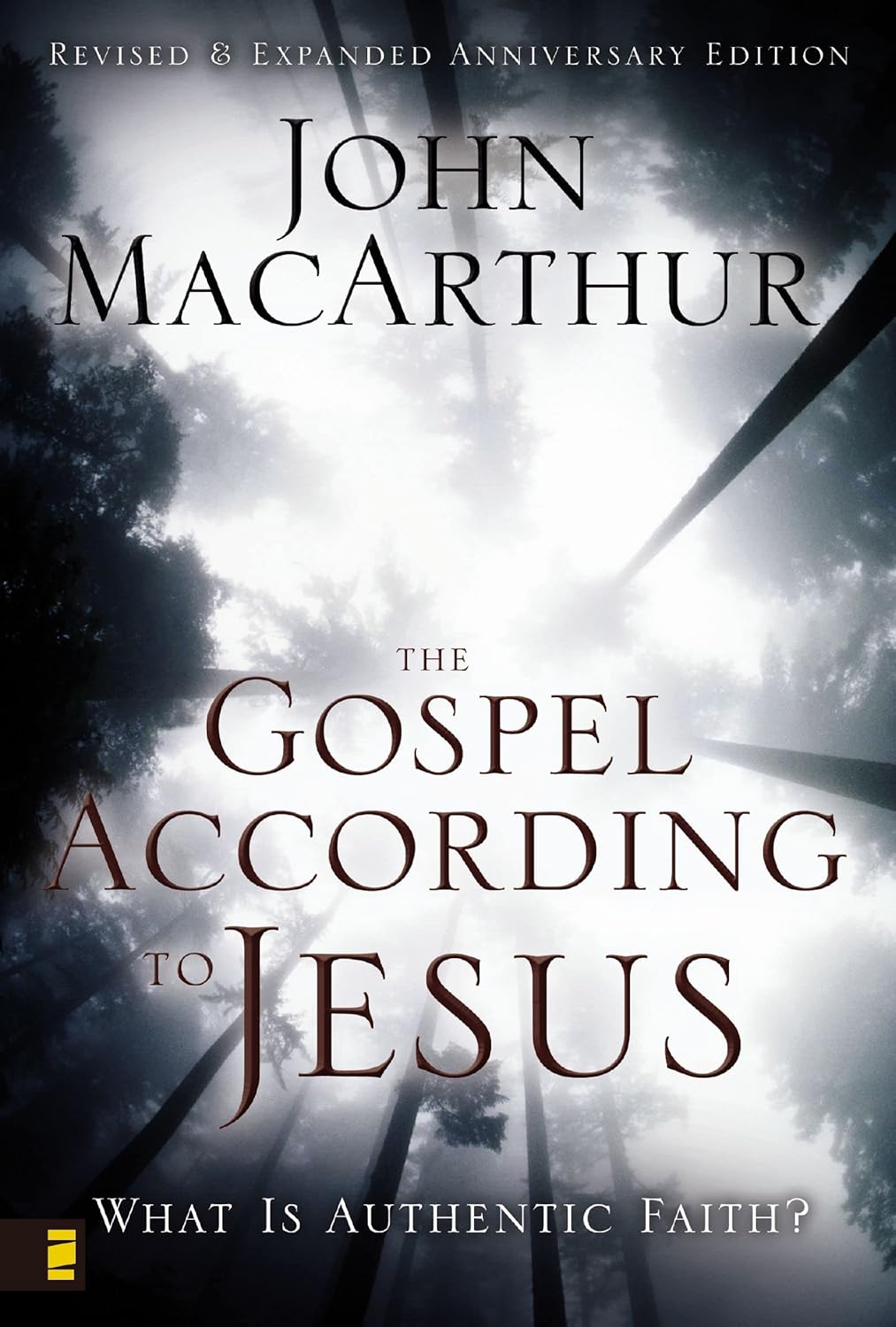
The Gospel According to Jesus
Defends a biblical understanding of faith and repentance against easy-believism.
View on Amazon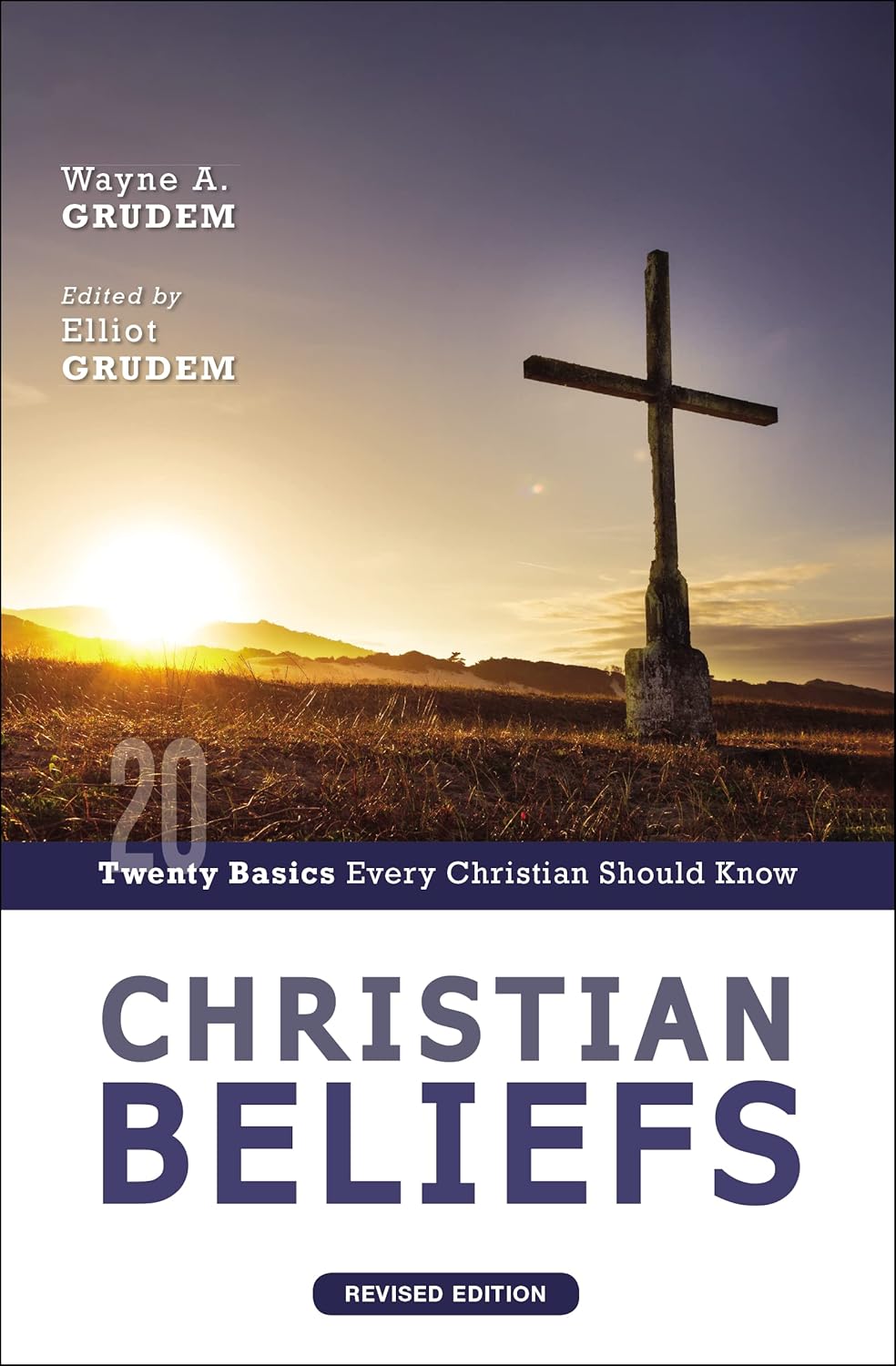
Christian Beliefs
A shorter, accessible overview of 20 basic Christian doctrines for everyday believers.
View on Amazon
The Hospitality Commands
Shows from Scripture how vital hospitality is to Christian obedience and fellowship.
View on Amazon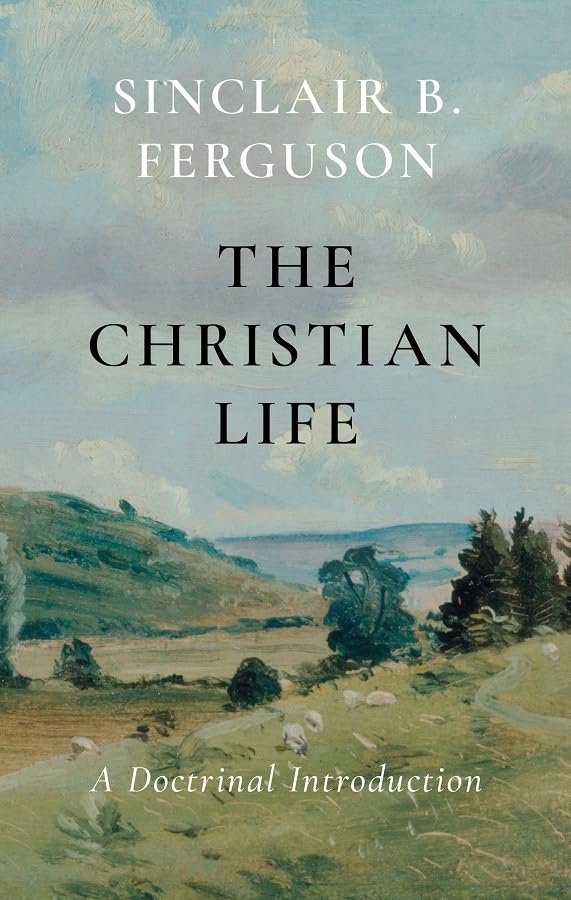
The Christian Life
A clear, doctrinally rich overview of salvation and Christian living.
View on Amazon
This Momentary Marriage
Shows how marriage is designed to display the covenant love of Christ and His church.
View on Amazon