
This is a simplified version of the Bible story found in Exodus 32, written for children to understand. For the original version, please refer to the Bible passage.
Moses was a man who led the people of Israel out of Egypt. God spoke to Moses on top of a mountain and gave him two tablets with ten rules, also known as the Ten Commandments. While Moses was still on the mountain, the people got worried and thought he was taking too long to come back, so they went to his brother, Aaron, and asked him to make gods for them to worship.
Aaron told them to give him all the gold they had, and he melted it and made a statue of a calf. The people then worshiped the calf and said that it was the god who had brought them out of Egypt. They had forgotten about the one true God who had saved them from slavery and brought them out of Egypt.
When Moses came down from the mountain and saw what the people had done, he was very angry. He threw the tablets with the Ten Commandments on them, and they broke into pieces. He asked Aaron why he had made the people do such a terrible thing.
Then he took the golden calf, burned it, and ground it into powder. He scattered the powder on the water, made the people drink it. This was to show the people that what they had done was a great sin and that they needed to repent and turn back to God.
Then Moses stood in the gate of the camp and said, “Whoever is on the Lord’s side, come to me.” The Levites, who were members of the tribe of Levi, came to him. Moses told them to go throughout the camp and kill their brothers, companions, and neighbors who had worshiped the golden calf. The Levites did as they were told, and about three thousand people were killed that day.
After this, Moses went back up to the mountain to talk to God. He begged God to forgive the people for their sin and not to destroy them. God relented and did not destroy them, but he did send a plague on them as a punishment for their sin.
Moses was very sad that the people had turned away from God, but he still loved them and asked God to forgive them. The people were very sorry, and God forgave them, but they still had to face the consequences of their sin.
Biblical Lessons
- We should always trust in God, even when things are difficult.
- We should not worship other gods or idols, but only the one true God.
- God is patient and forgiving, but we still need to face the consequences of our actions.
- We should follow the rules that God gives us.
Related Stories
Must-Read Christian Books

Spiritual Disciplines for the Christian Life
Practical, biblical guidance on disciplines like prayer, Bible intake, worship, and fasting to grow in godliness.
View on Amazon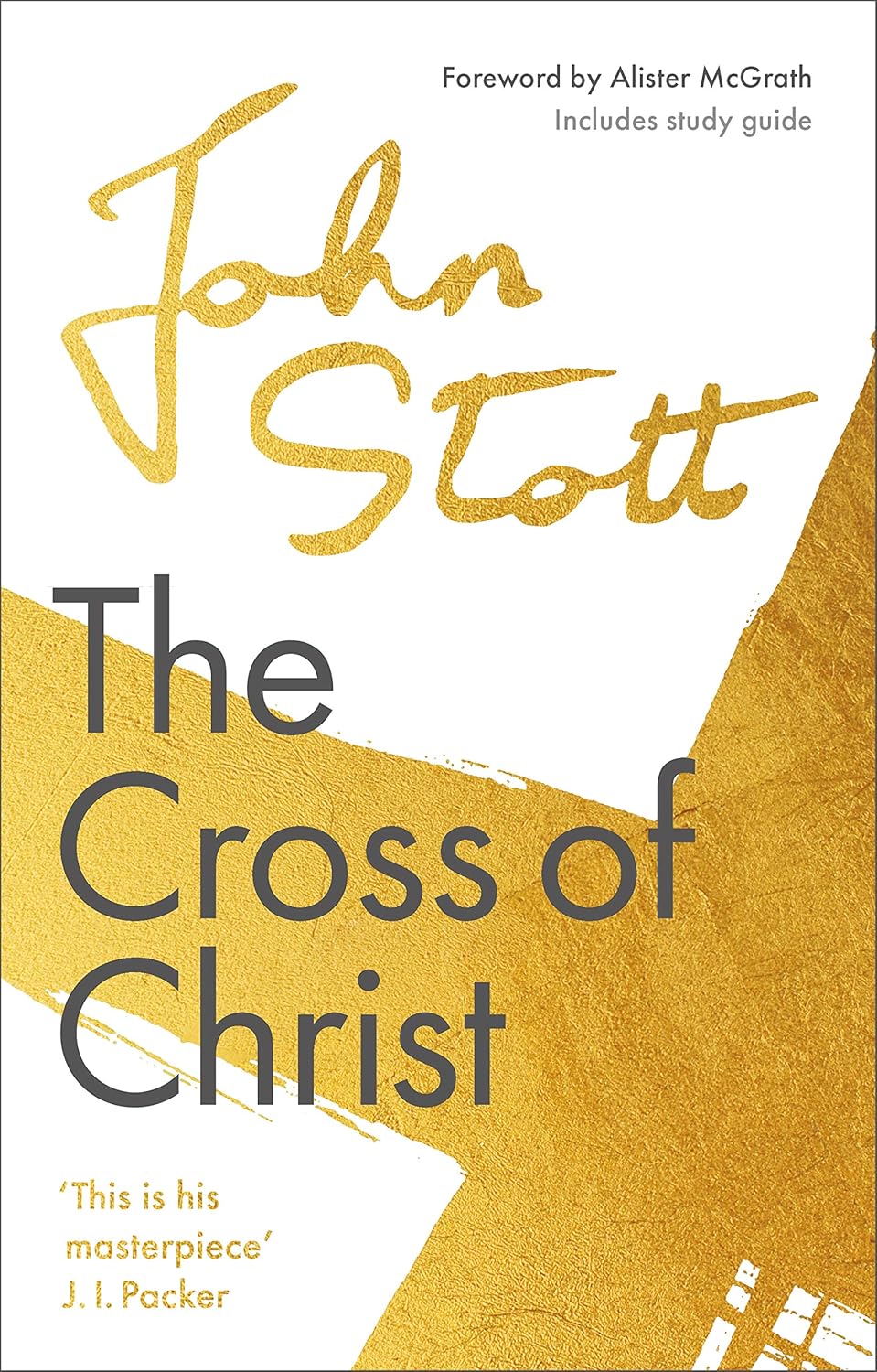
The Cross of Christ
A profound exploration of the meaning and power of the cross at the center of Christian faith and life.
View on Amazon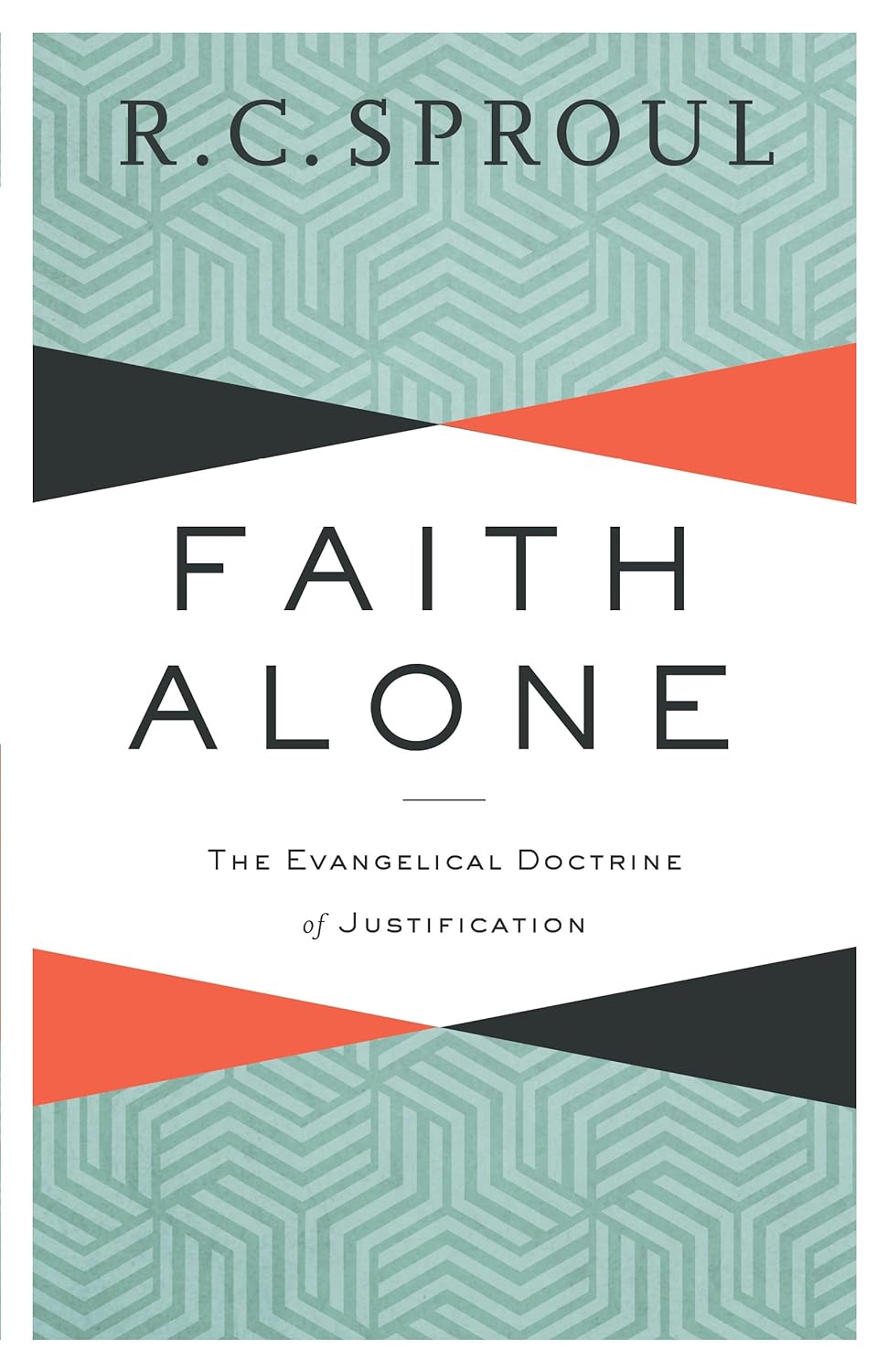
Faith Alone
Defends justification by faith alone as the heart of the biblical gospel and Reformation.
View on Amazon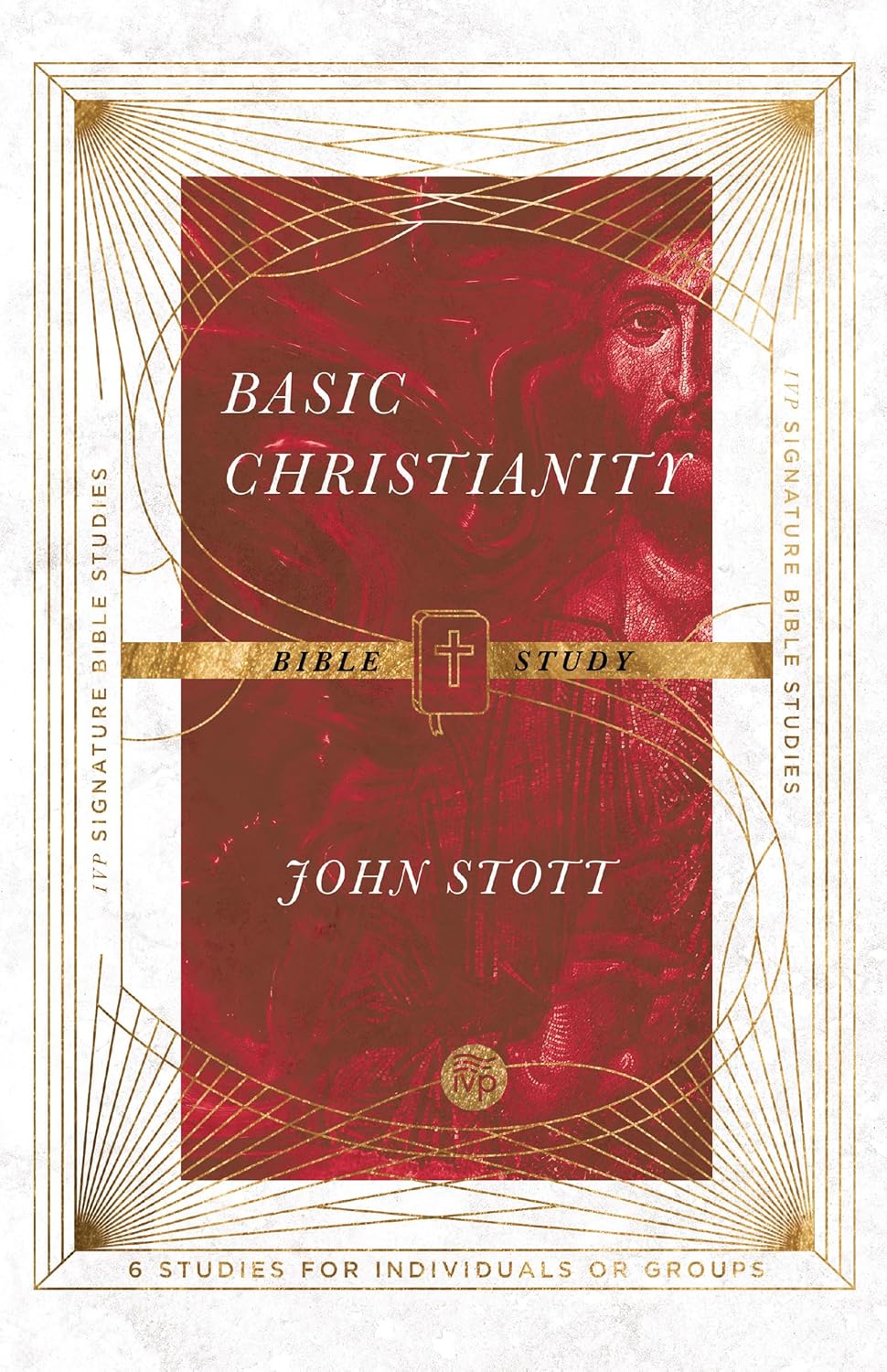
Basic Christianity
A timeless introduction to who Jesus is and what it means to follow Him according to Scripture.
View on Amazon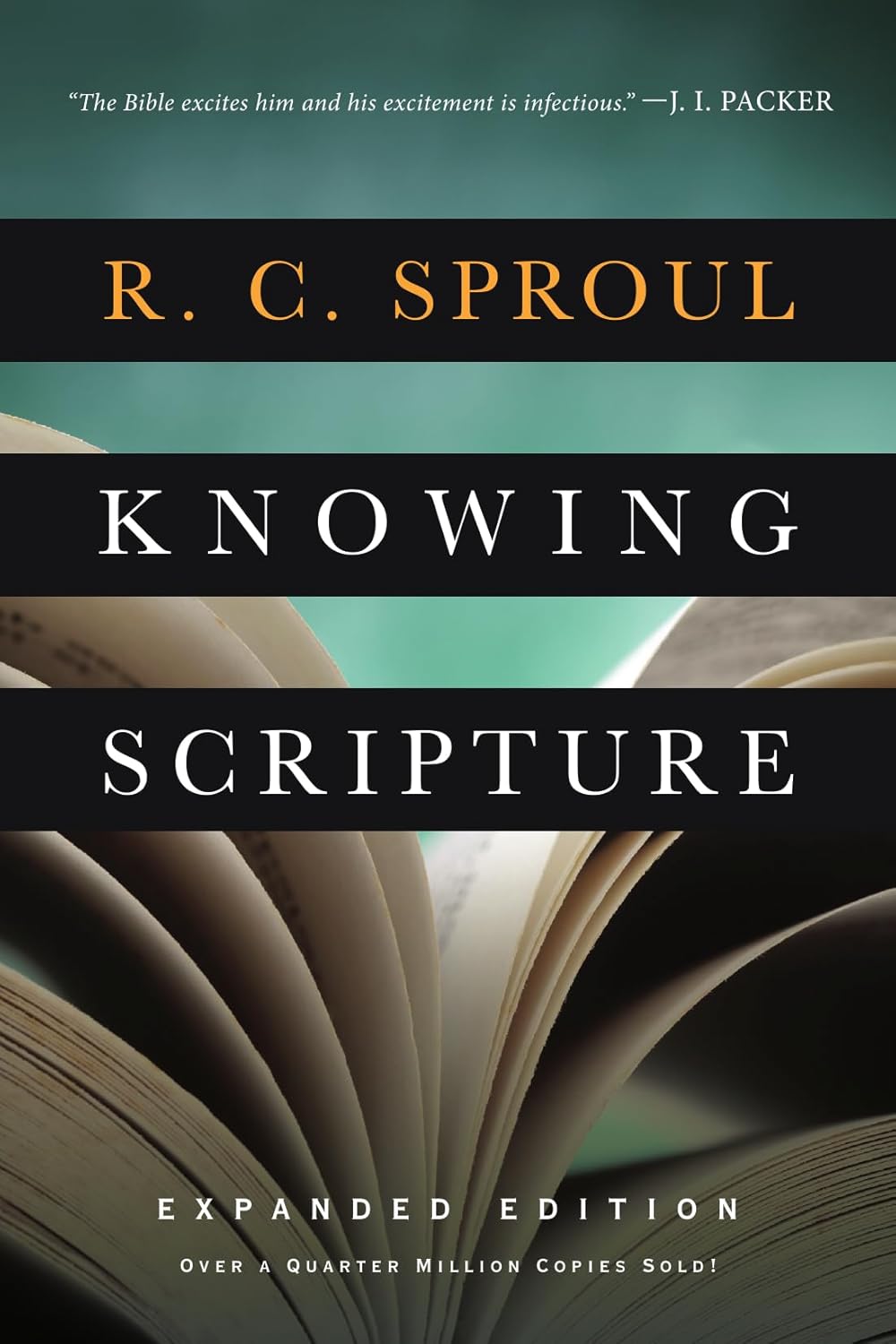
Knowing Scripture
Teaches how to interpret the Bible rightly, emphasizing its clarity and our responsibility to study it.
View on Amazon
Instruments in the Redeemer's Hands
Biblical counseling and discipleship that helps believers speak God's truth into one another's lives.
View on Amazon
Respectable Sins
Exposes the "ordinary" sins Christians often tolerate and calls us to gospel-driven holiness.
View on Amazon
Future Grace
Argues that faith in God's future grace frees believers from the enslaving power of sin.
View on Amazon
Don't Waste Your Life
A passionate plea to live for Christ's glory rather than trivial pursuits.
View on Amazon
Spiritual Leadership
Biblical principles for godly leadership in the church, home, and workplace.
View on Amazon
Spurgeon on the Christian Life
A portrait of Charles Spurgeon's Christ-centered theology and joyful piety.
View on Amazon
Expository Listening
Teaches Christians how to listen to expository preaching in a way that bears fruit.
View on Amazon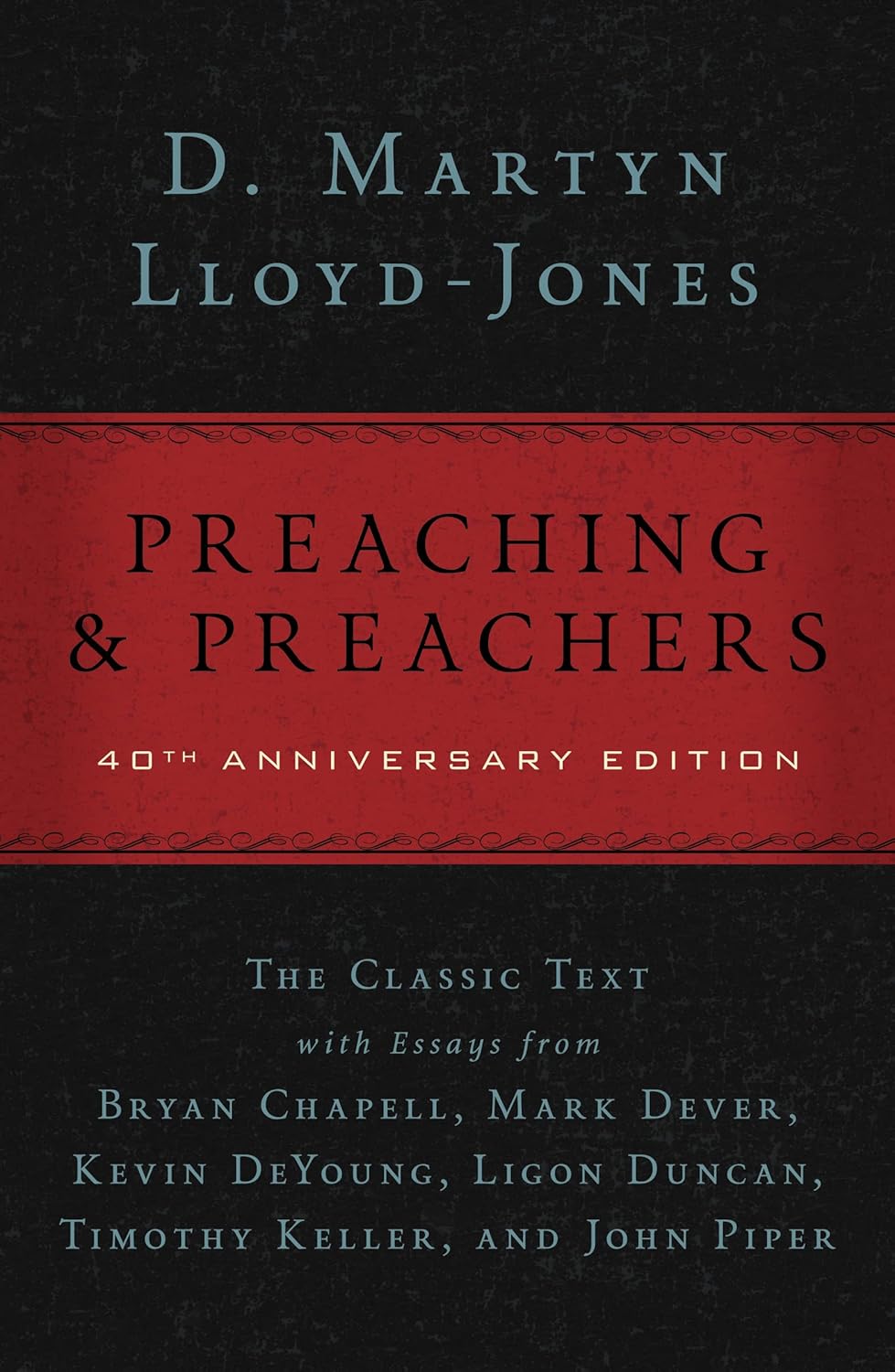
Preaching and Preachers
Classic lectures on the nature and power of biblical preaching.
View on Amazon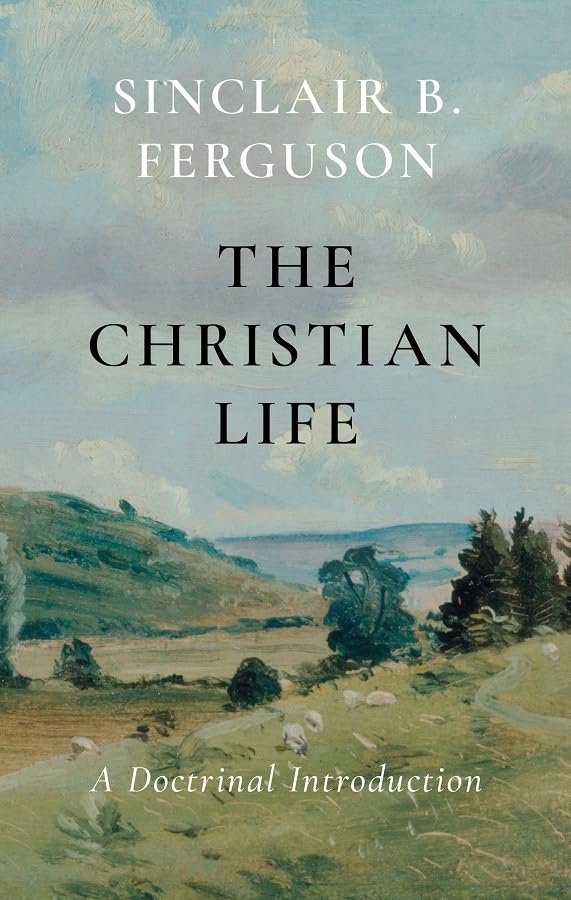
The Christian Life
A clear, doctrinally rich overview of salvation and Christian living.
View on Amazon
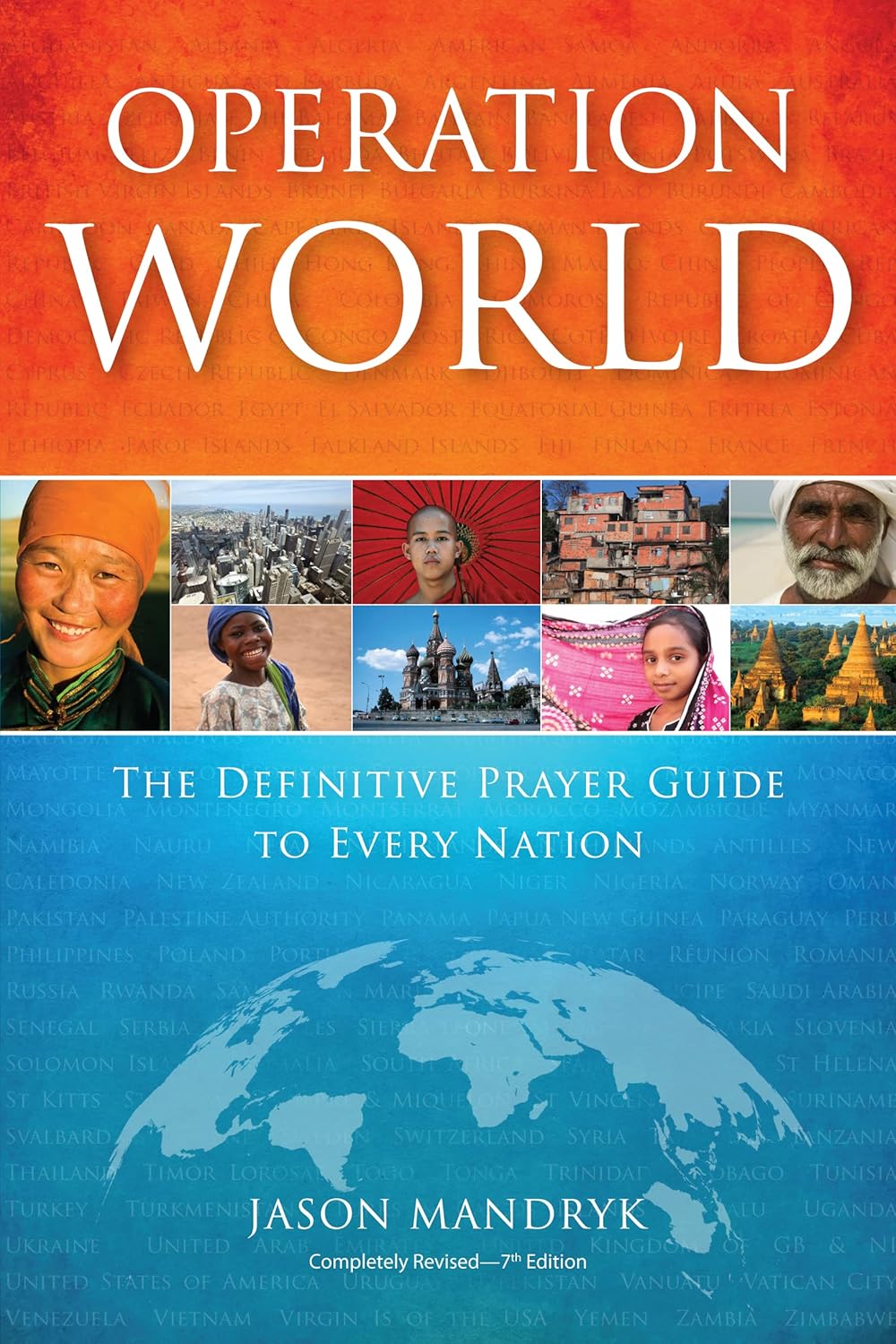
Operation World
A prayer handbook with up-to-date information on nations and their gospel needs.
View on Amazon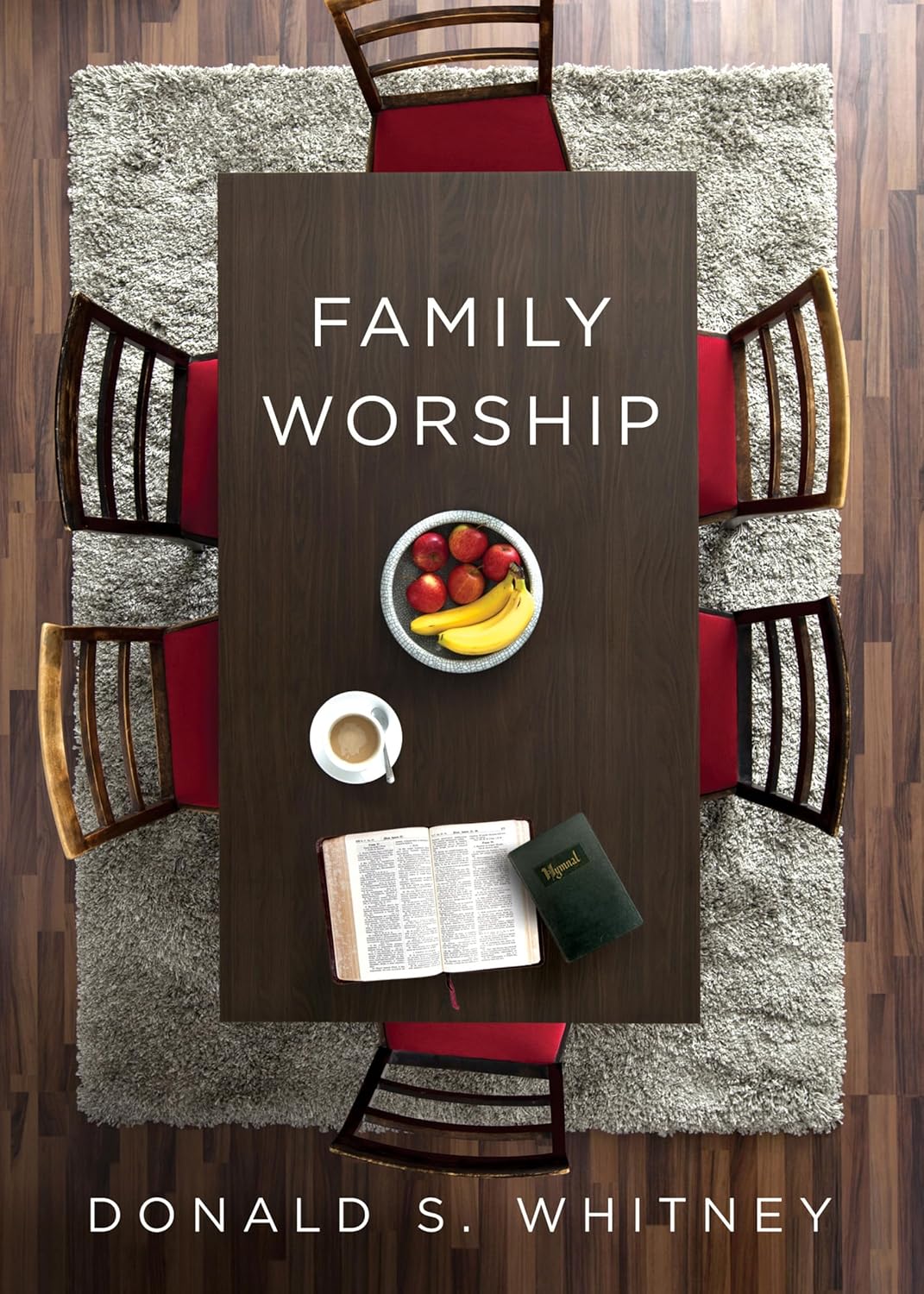
Family Worship
A short, practical guide to leading your home in daily worship of God.
View on Amazon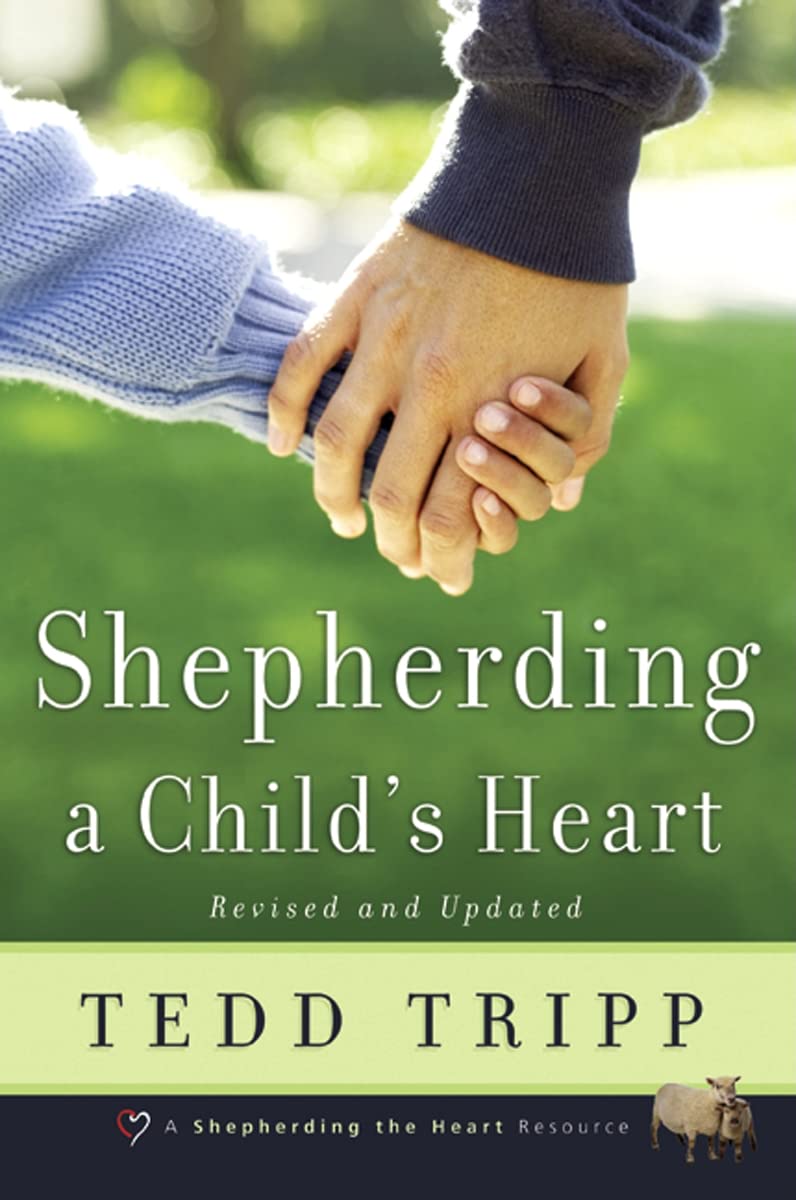
Shepherding a Child's Heart
Biblical parenting that aims at a child's heart, not just outward behavior.
View on Amazon