
This is a simplified version of the Bible story found in Exodus 7:14-12:42, written for children to understand. For the original version, please refer to the Bible passage.
long, long time ago, there was a man named Moses who talked to God. God asked Moses to tell the King of Egypt, called Pharaoh, to let God’s people go free. But Pharaoh didn’t want to listen to Moses or let God’s people go. So, God sent some very special things to happen to show Pharaoh that He was the one true God.
The first thing that happened was that the water in the Nile River, which was the most important river in Egypt, turned into blood! All the fish in the river died, and the water smelled really bad. But Pharaoh didn’t listen to Moses or believe that God was behind it.
The next thing that happened was that frogs came everywhere! They were in people’s homes, in their beds, and even in their ovens! Moses asked God to make the frogs go away, and God did, but Pharaoh still didn’t listen.
Then, something really strange happened. Dust turned into gnats that bothered people and animals. The magicians of Egypt tried to do the same thing, but they couldn’t. They knew that only God could do something like that, but Pharaoh still didn’t believe.
After that, there were so many flies that it was hard for people to even go outside. But God was kind and didn’t let the flies bother His people in a place called Goshen.
Then, something very sad happened. All the animals of the Egyptians, like cows and horses, died, but the animals of God’s people were safe. Even though Pharaoh saw how powerful God was, he still didn’t let God’s people go free.
And then, God sent the sixth plague, which was boils, big sores that made the people and animals very uncomfortable.
The seventh plague was hail, which means big balls of ice that fell from the sky and destroyed everything in their path. But the people of Israel, who followed God, were safe.
The eighth plague was locusts, which are like really big grasshoppers that ate all the plants.
Then, the ninth plague was darkness that lasted three days. But again, the people of Israel were safe.
God finally said to Moses, “The last plague will be the worst one. Every firstborn in Egypt will die.”
But God told Moses to have the Israelites put lamb’s blood on their doors, so the angel of death would know not to hurt their families. This is called the Passover.
Pharaoh’s son was one of the firstborns who died, and he finally decided to let God’s people go.
The people of Israel left Egypt in a big group. There were more than 600,000 men, plus women and children, and lots of animals, too! They didn’t have time to prepare any food for the journey, so they took dough and baked bread without any yeast, which is called unleavened bread.
After 430 years of living in Egypt, the Israelites were finally free! God watched over them that night and made sure they were safe. And that’s why the people of Israel celebrate that night every year, to remember how God helped them leave Egypt.
Biblical Lessons
- God is powerful and can do amazing things to help His people.
- Disobeying God can have serious consequences, as it did for Pharaoh and the Egyptians.
- God keeps His promises to His people, even when it takes a long time.
- God wants us to remember the great things He has done for us and to celebrate them.
- We should trust in God and have faith that He will always be there to help us.
Related Stories
Must-Read Christian Books
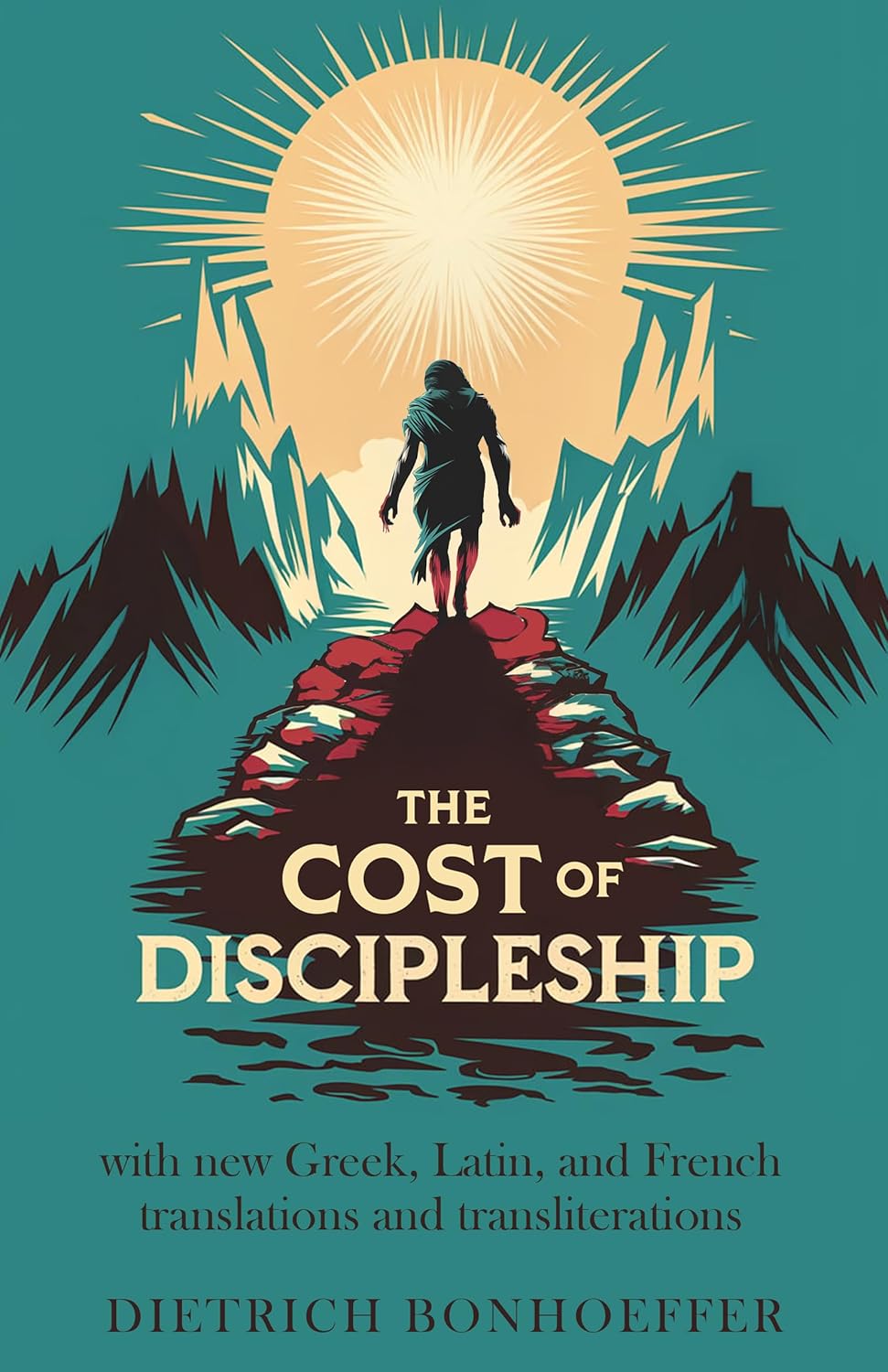
The Cost of Discipleship
A penetrating look at Jesus' call to follow Him, contrasting cheap grace with true, costly discipleship.
View on Amazon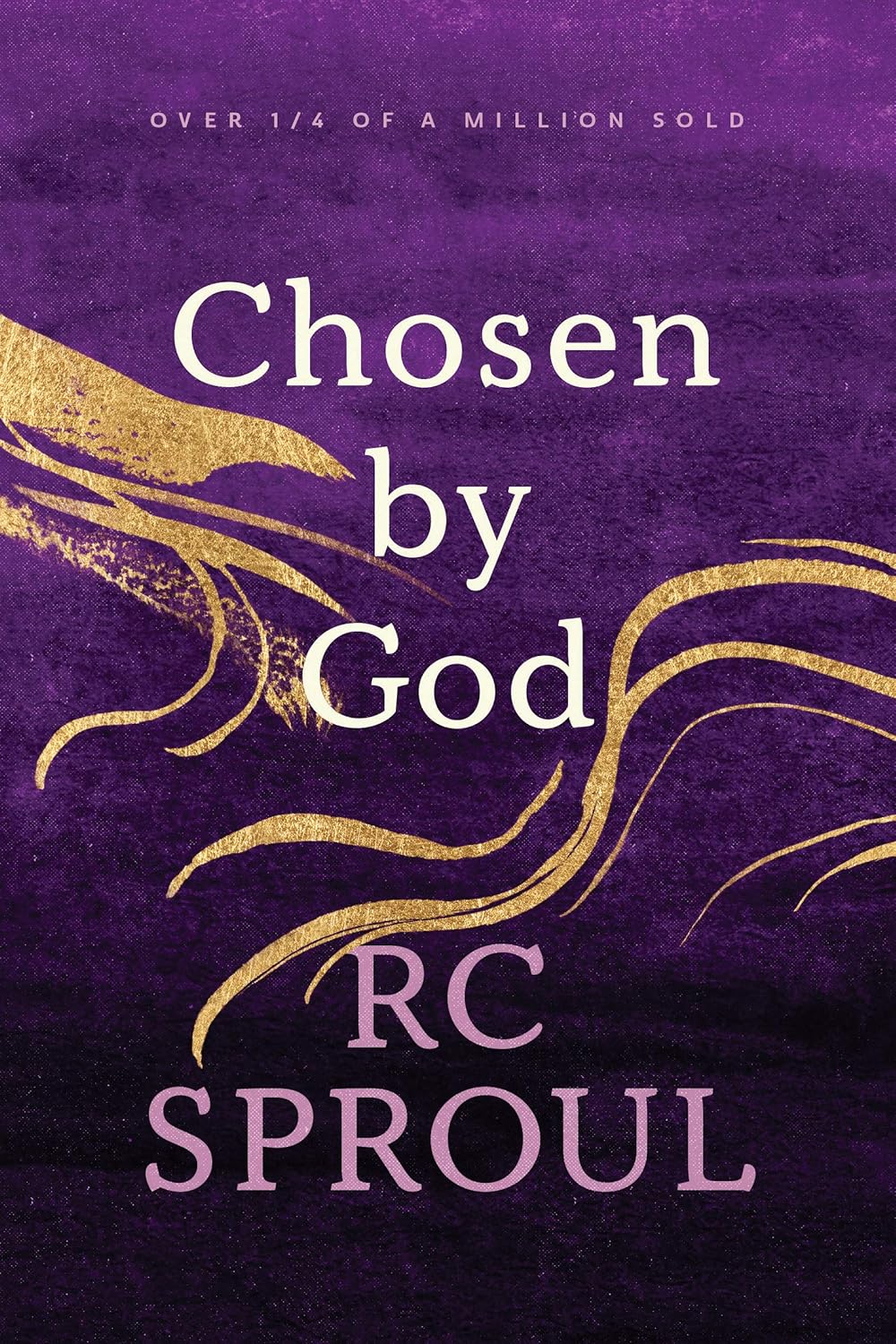
Chosen by God
A clear, pastoral explanation of biblical election and God's sovereignty in salvation.
View on Amazon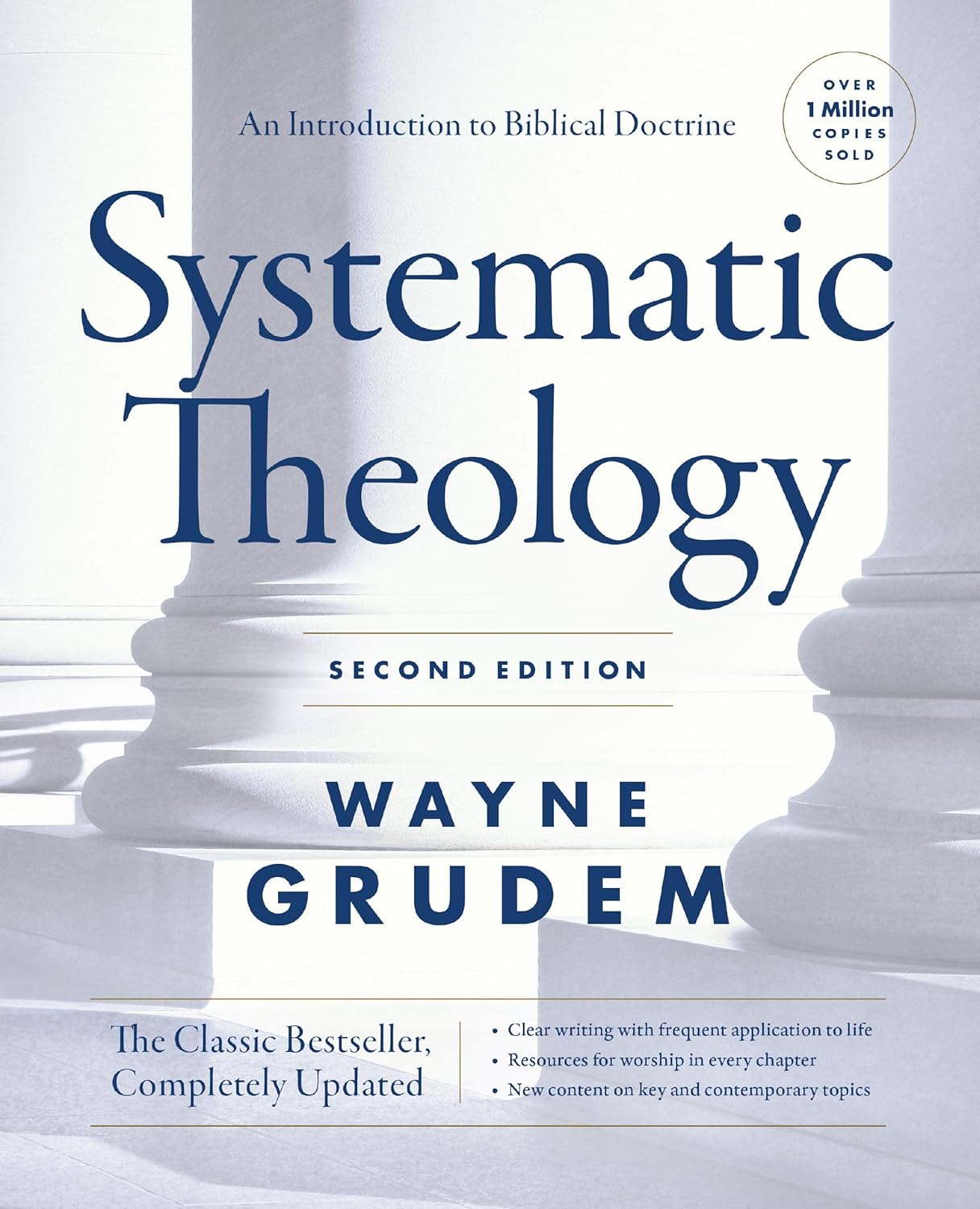
Systematic Theology
A comprehensive, evangelical overview of Christian doctrine with Scripture at every point.
View on Amazon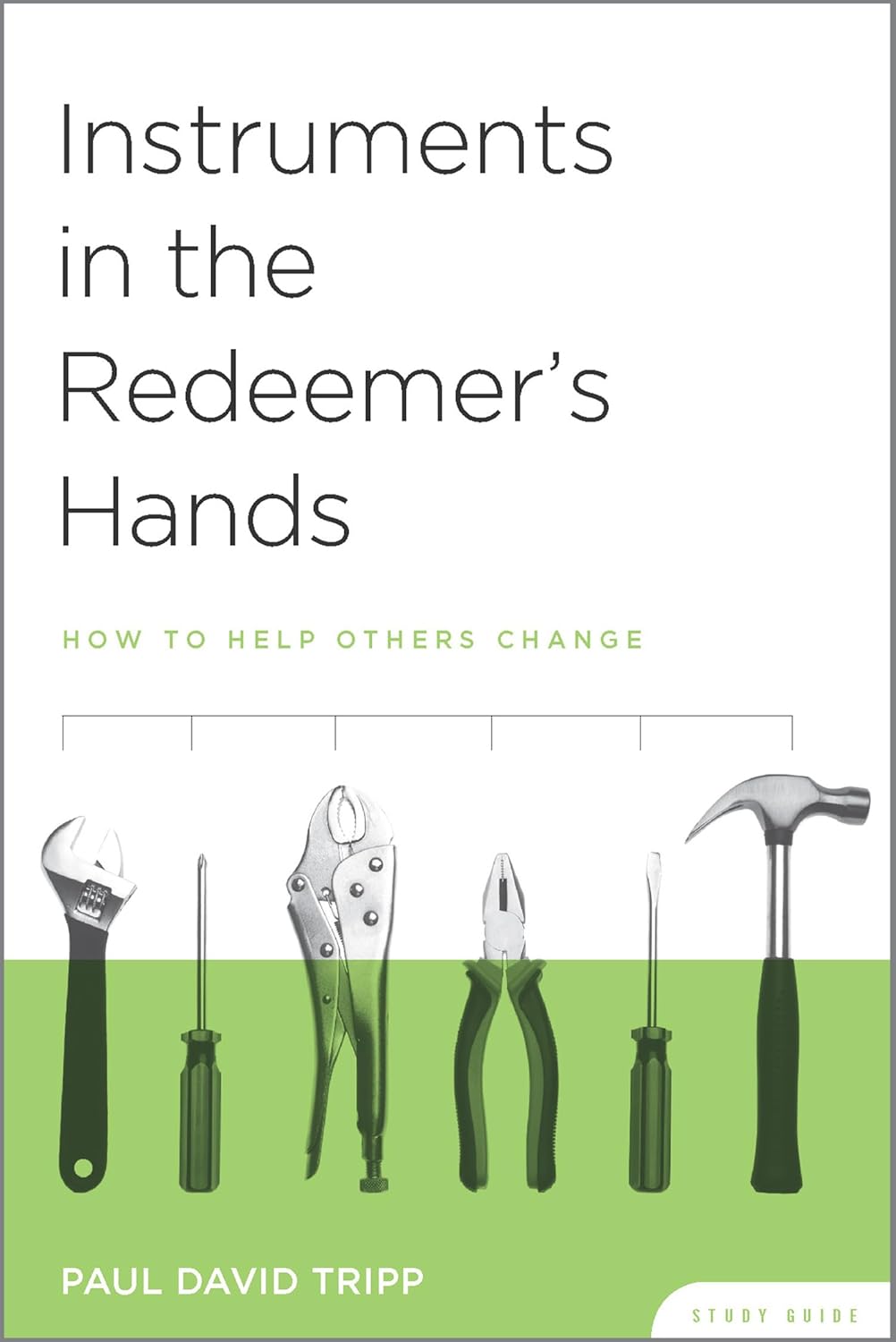
Instruments in the Redeemer's Hands
Biblical counseling and discipleship that helps believers speak God's truth into one another's lives.
View on Amazon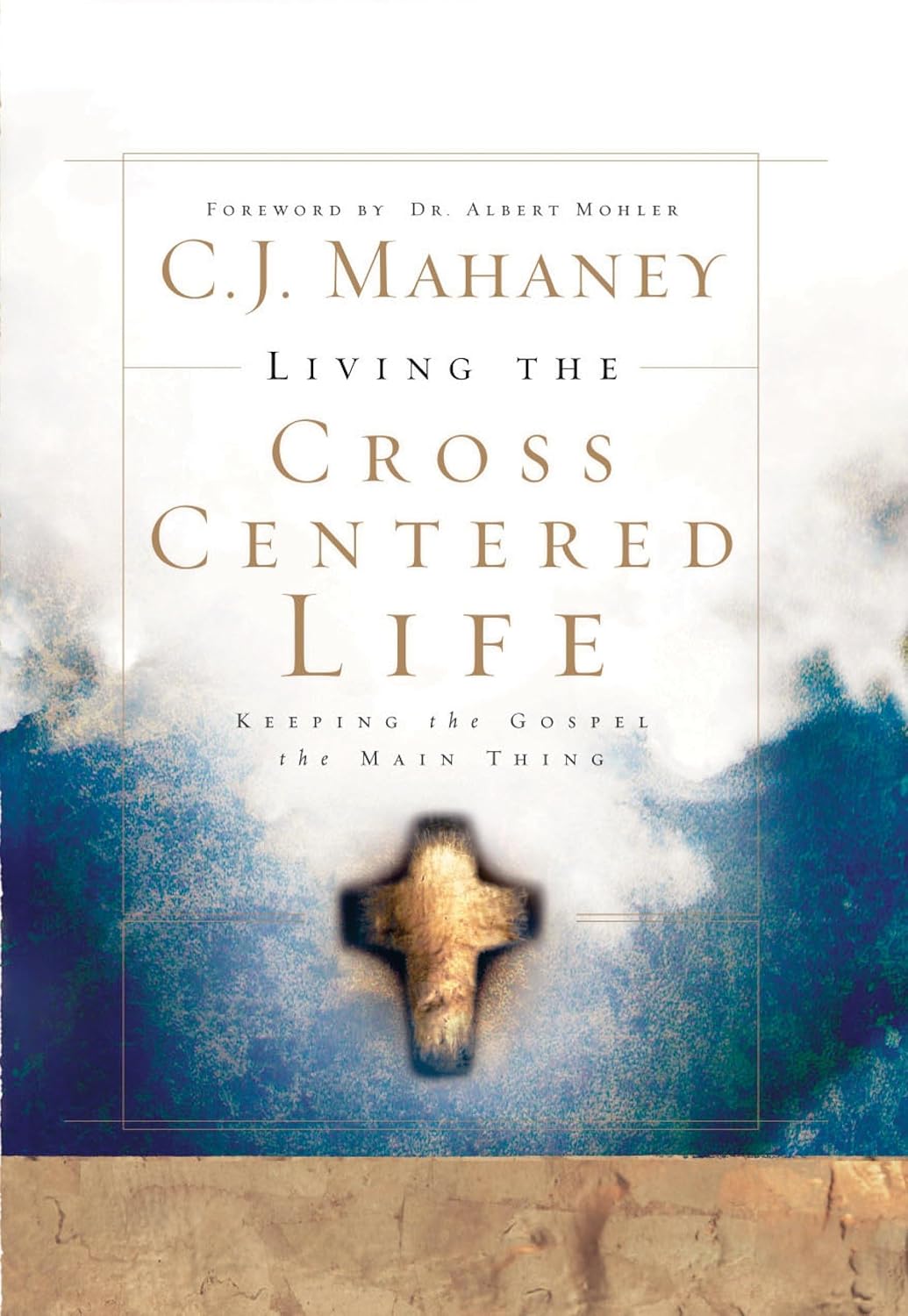
Living the Cross-Centered Life
A call to keep Christ's cross at the center of our thinking, worship, and daily living.
View on Amazon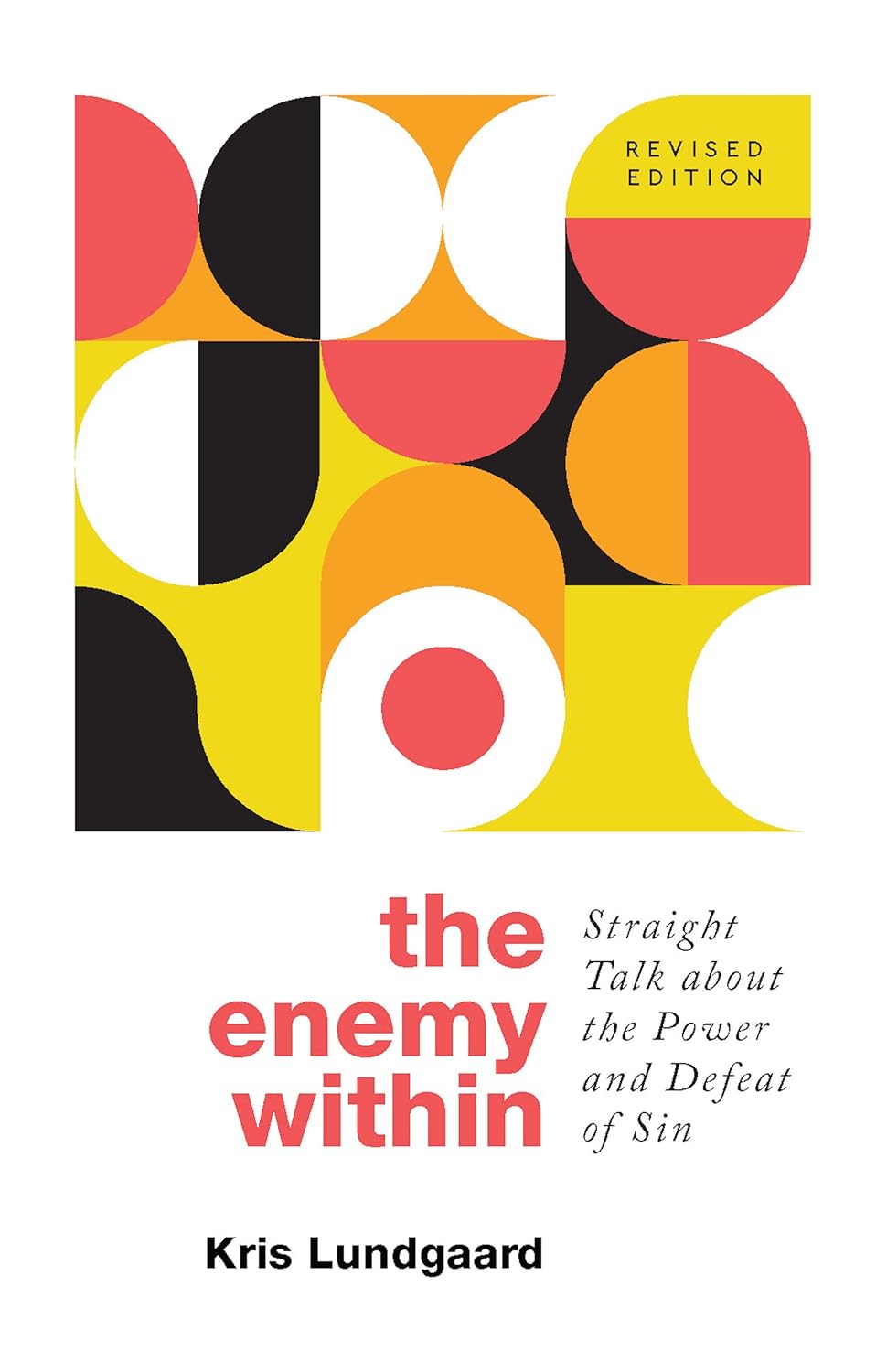
The Enemy Within
A modern, accessible summary of John Owen's teaching on indwelling sin and the believer's battle.
View on Amazon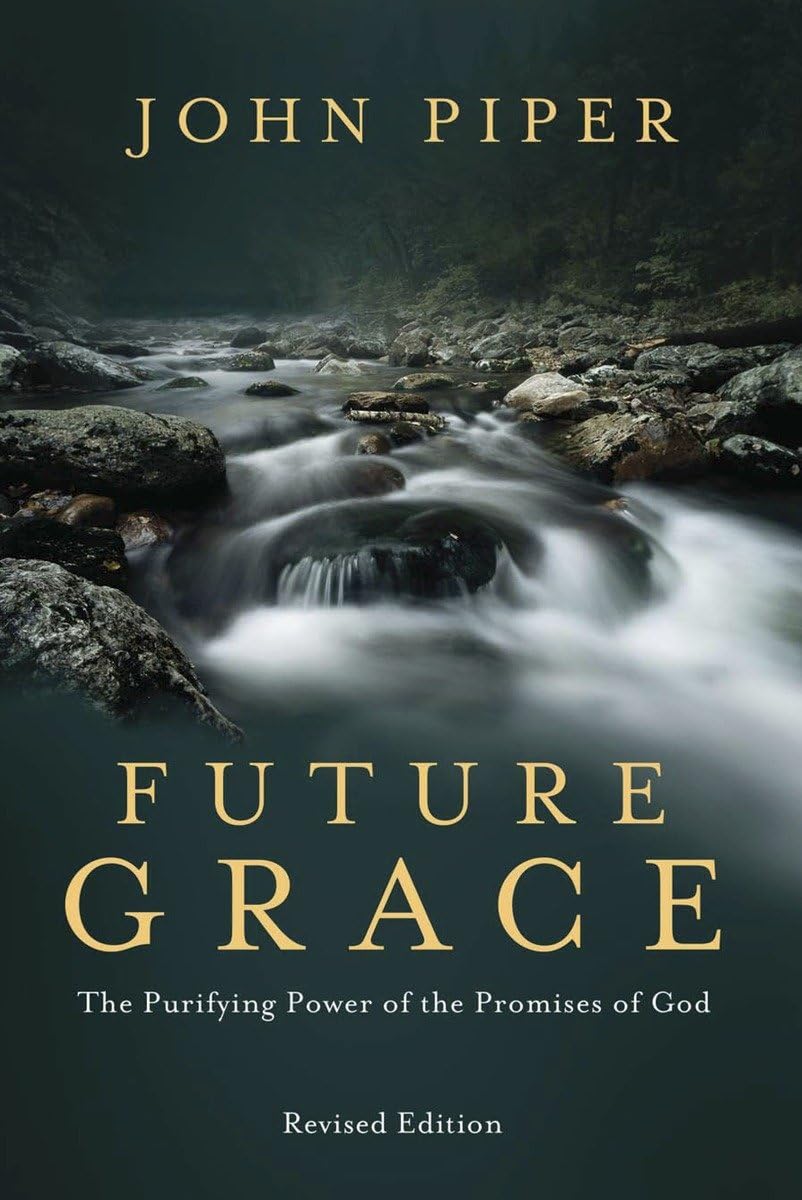
Future Grace
Argues that faith in God's future grace frees believers from the enslaving power of sin.
View on Amazon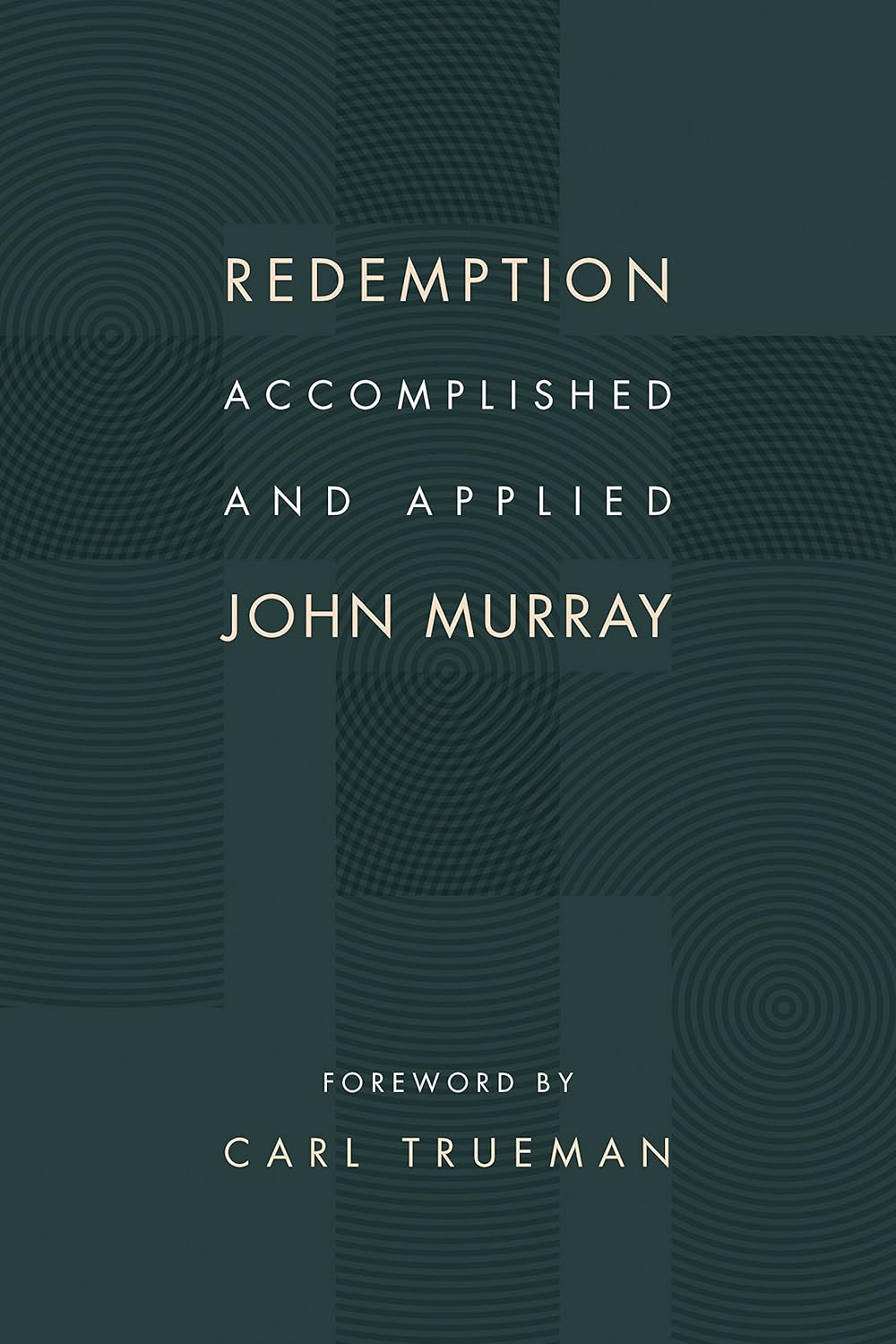
Redemption Accomplished and Applied
A concise, biblical study of Christ's atonement and the application of salvation to believers.
View on Amazon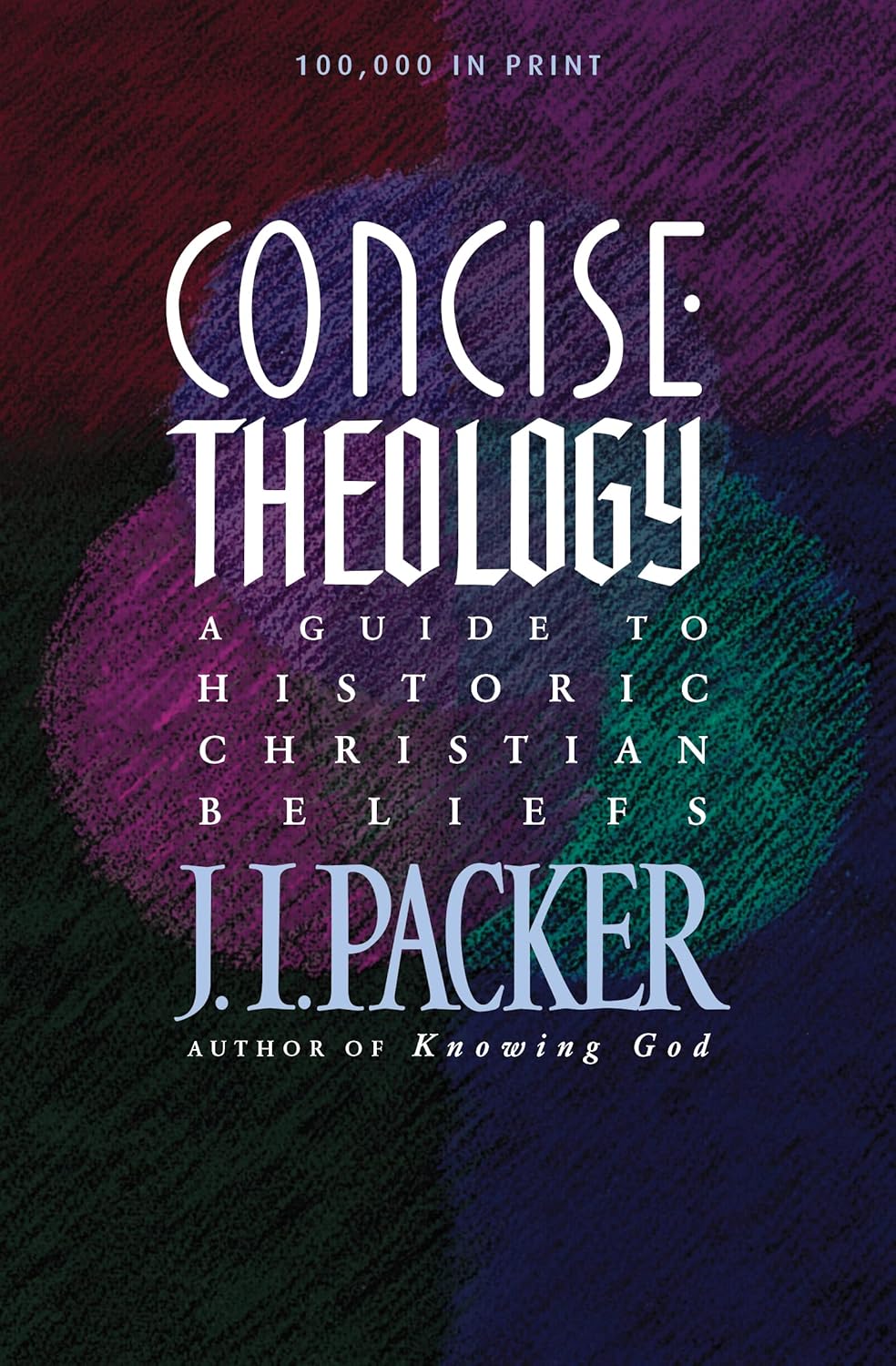
Concise Theology
Short, Scripture-filled summaries of key doctrines, written with clarity and warmth.
View on Amazon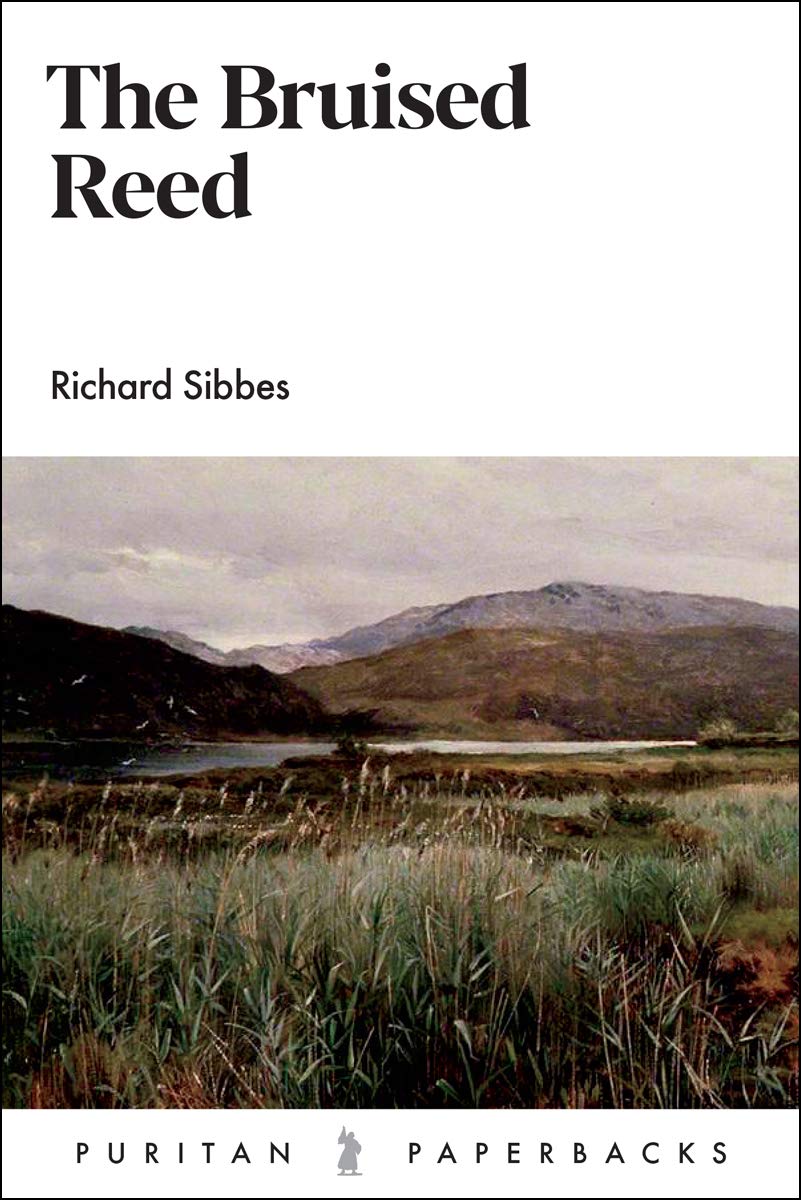
The Bruised Reed
A tender Puritan work on Christ's gentleness toward weak and struggling believers.
View on Amazon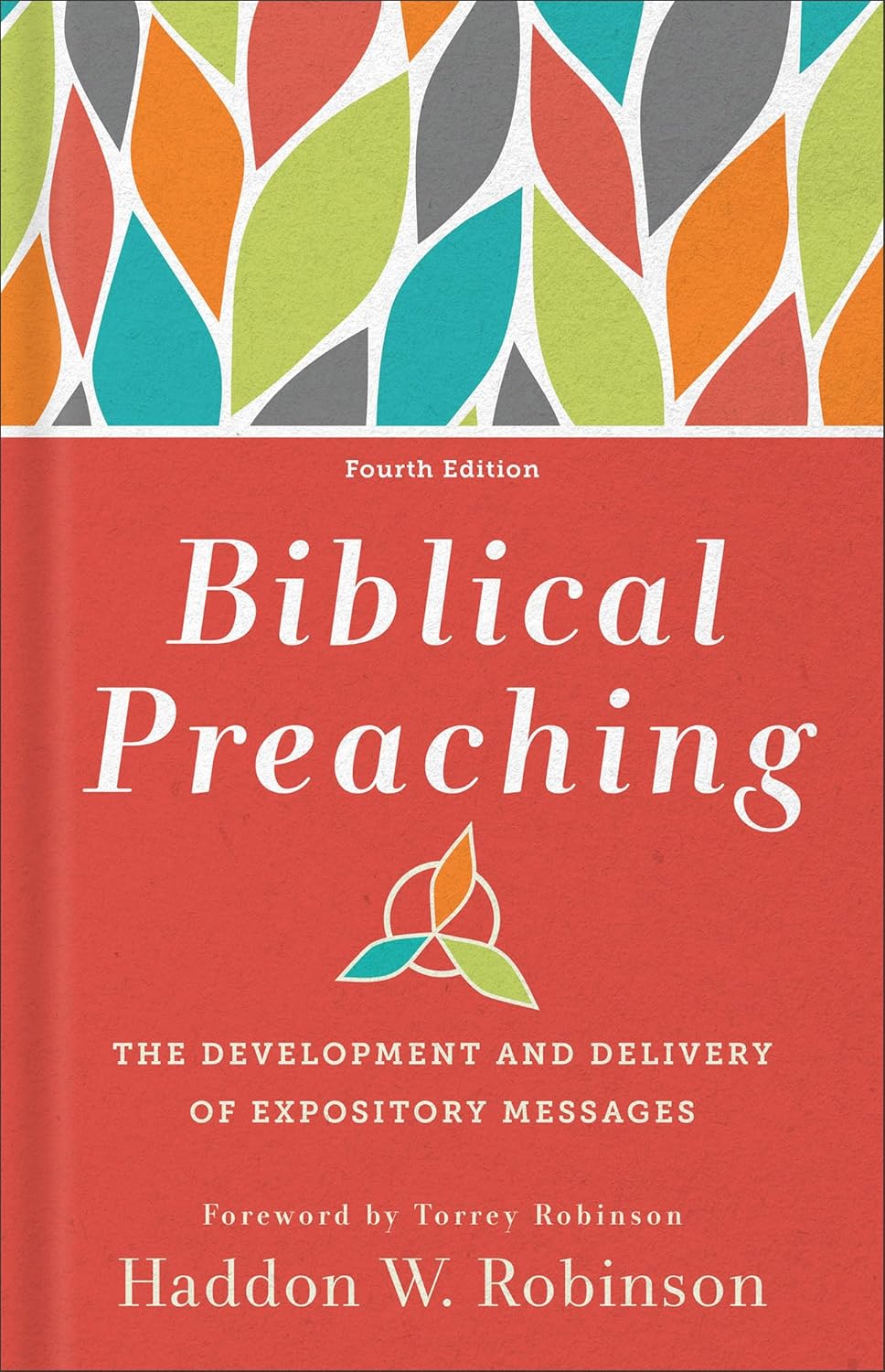
Biblical Preaching
Introduces the "big idea" approach to expository sermons, rooted in the biblical text.
View on Amazon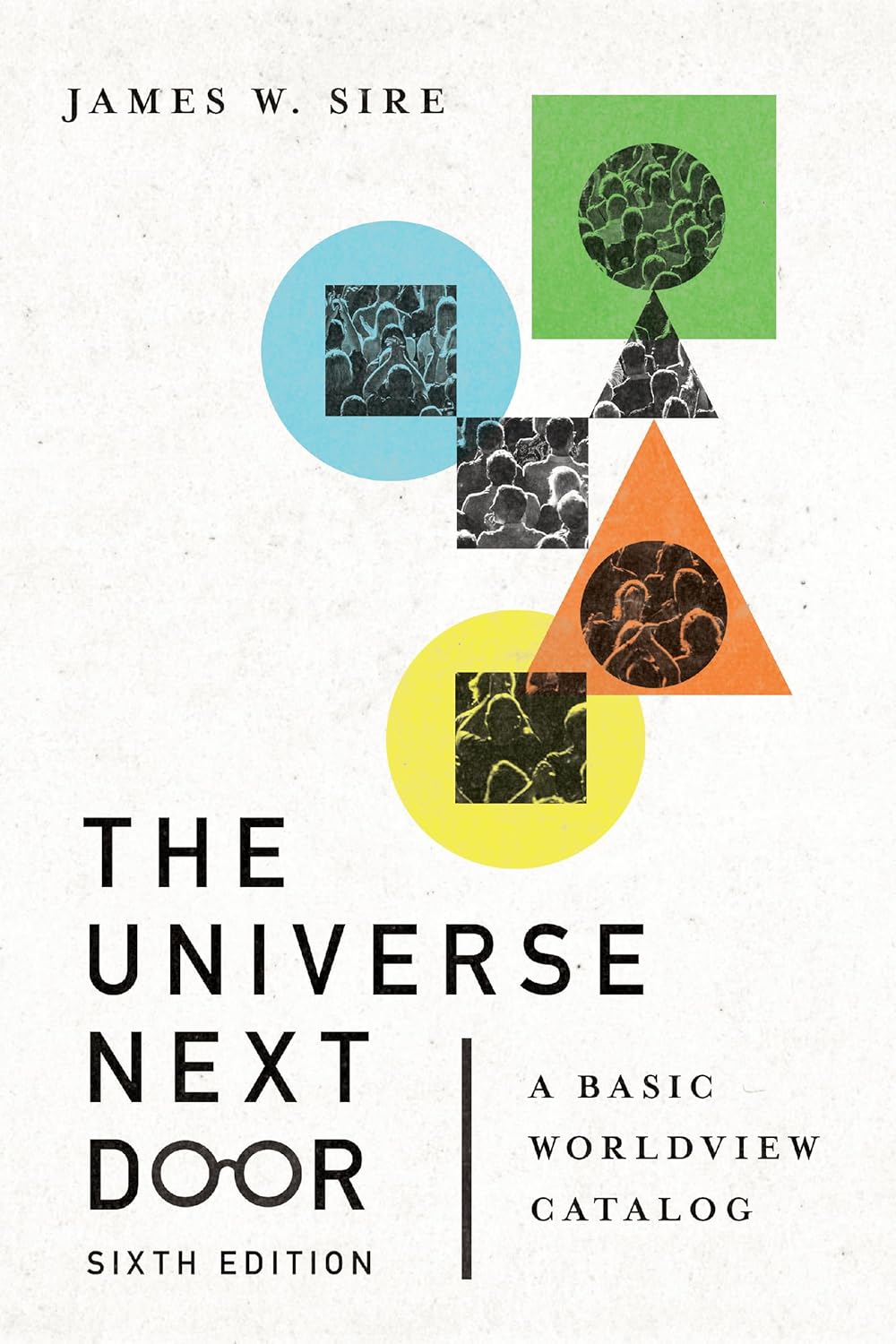
The Universe Next Door
Surveys competing worldviews and contrasts them with the Christian view of reality.
View on Amazon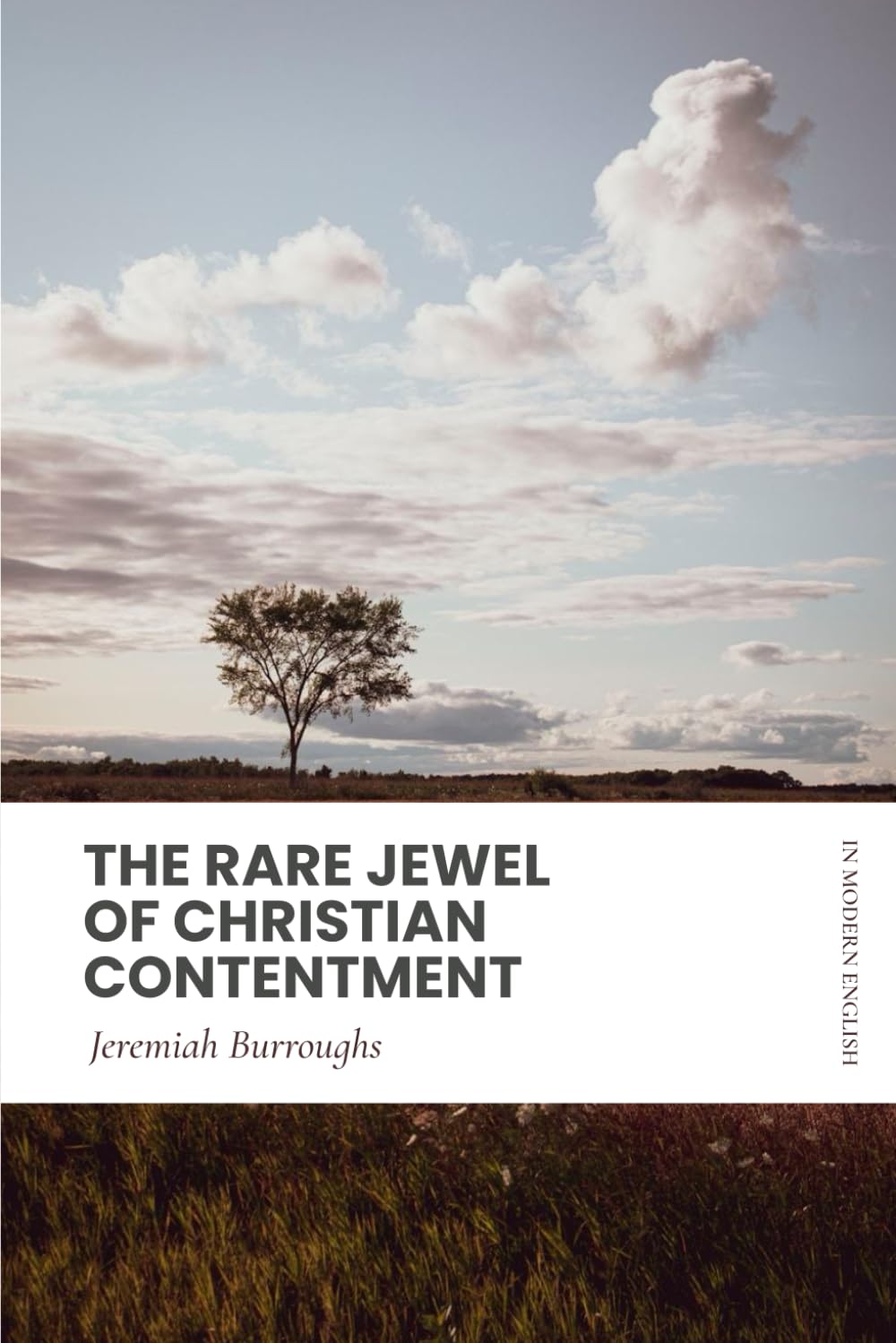
The Rare Jewel of Christian Contentment
A Puritan classic on learning contentment in God in every circumstance.
View on Amazon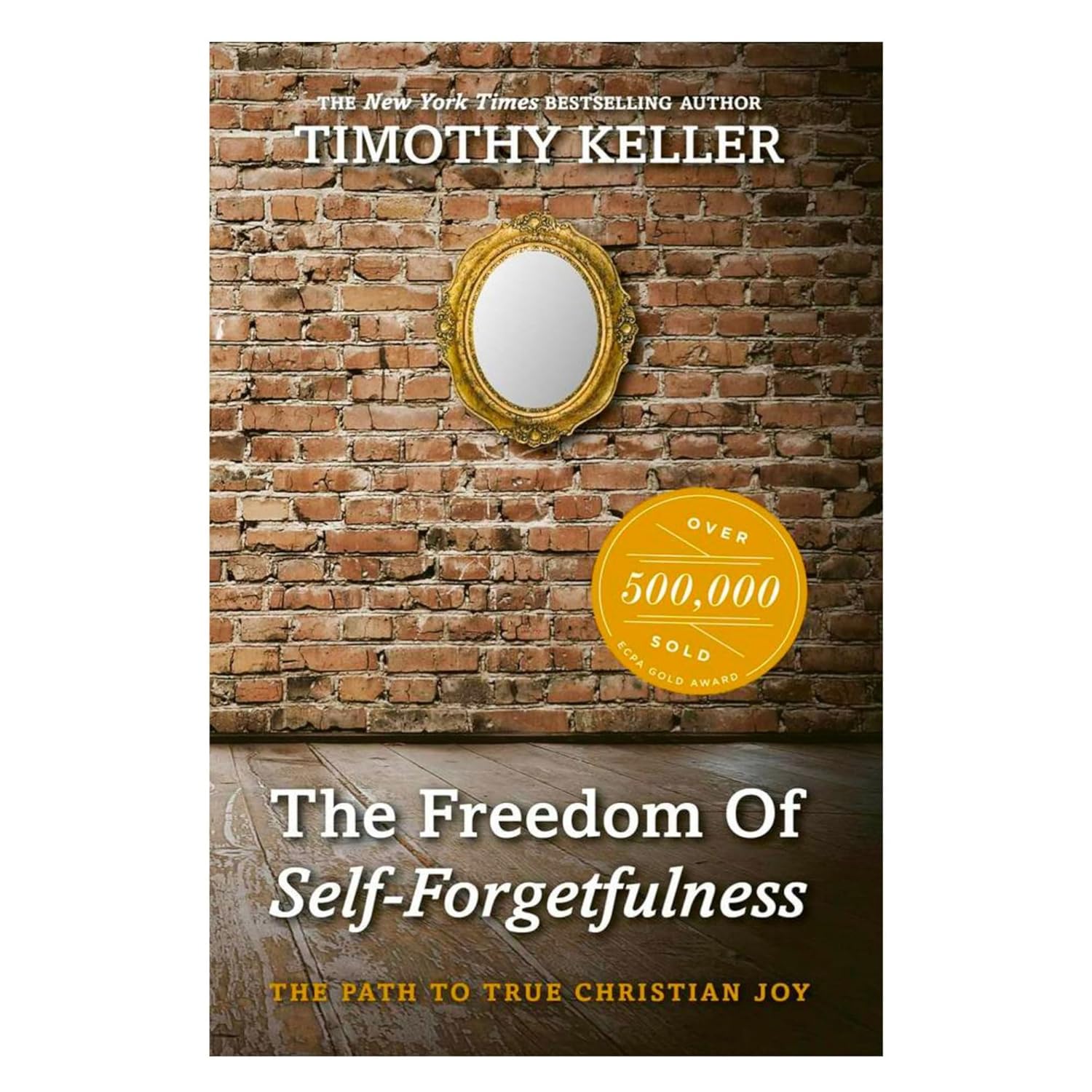
The Freedom of Self-Forgetfulness
Shows how the gospel frees us from self-obsession to live in joy and service.
View on Amazon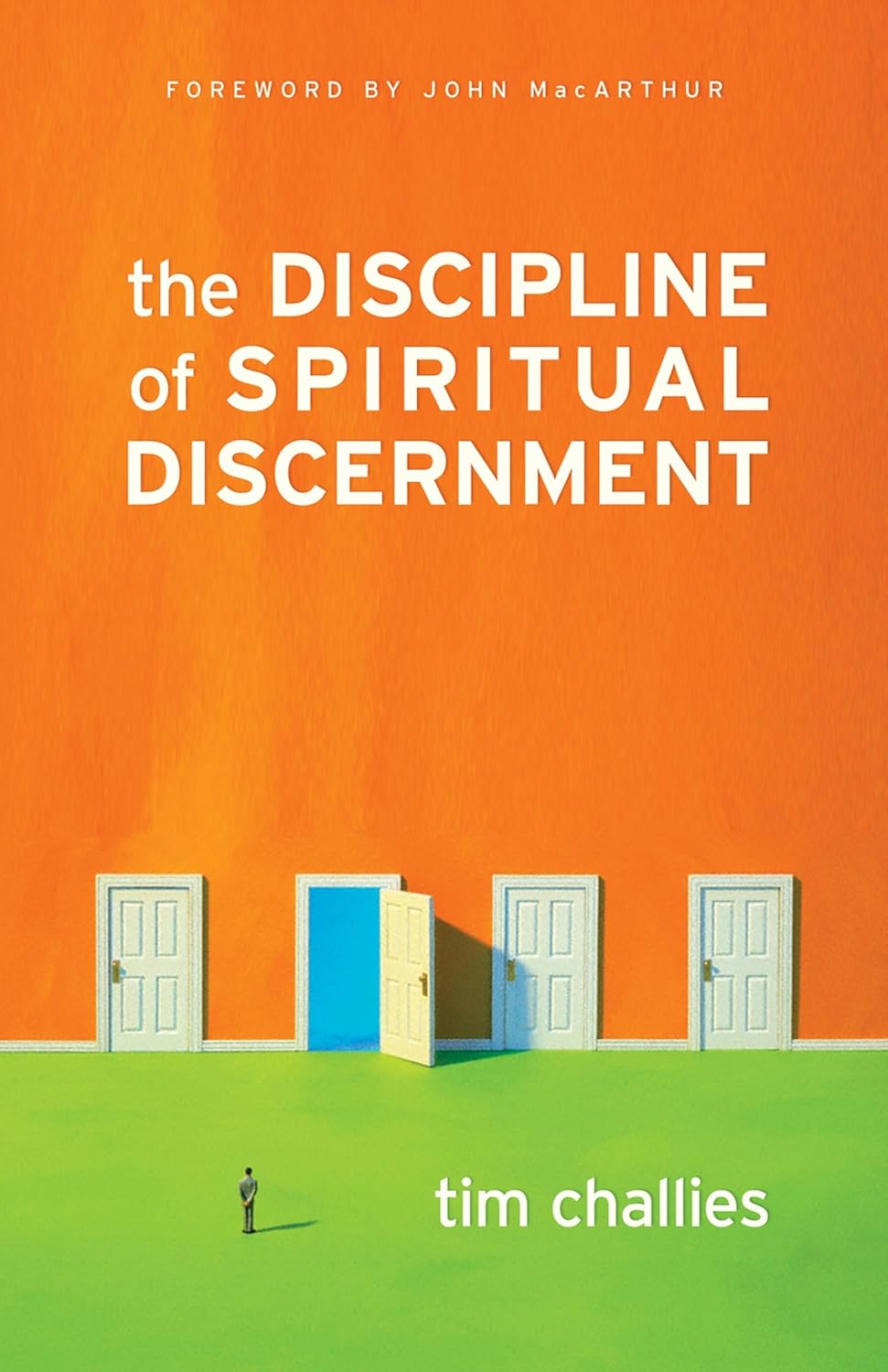
The Discipline of Spiritual Discernment
Teaches believers how to distinguish truth from error using Scripture.
View on Amazon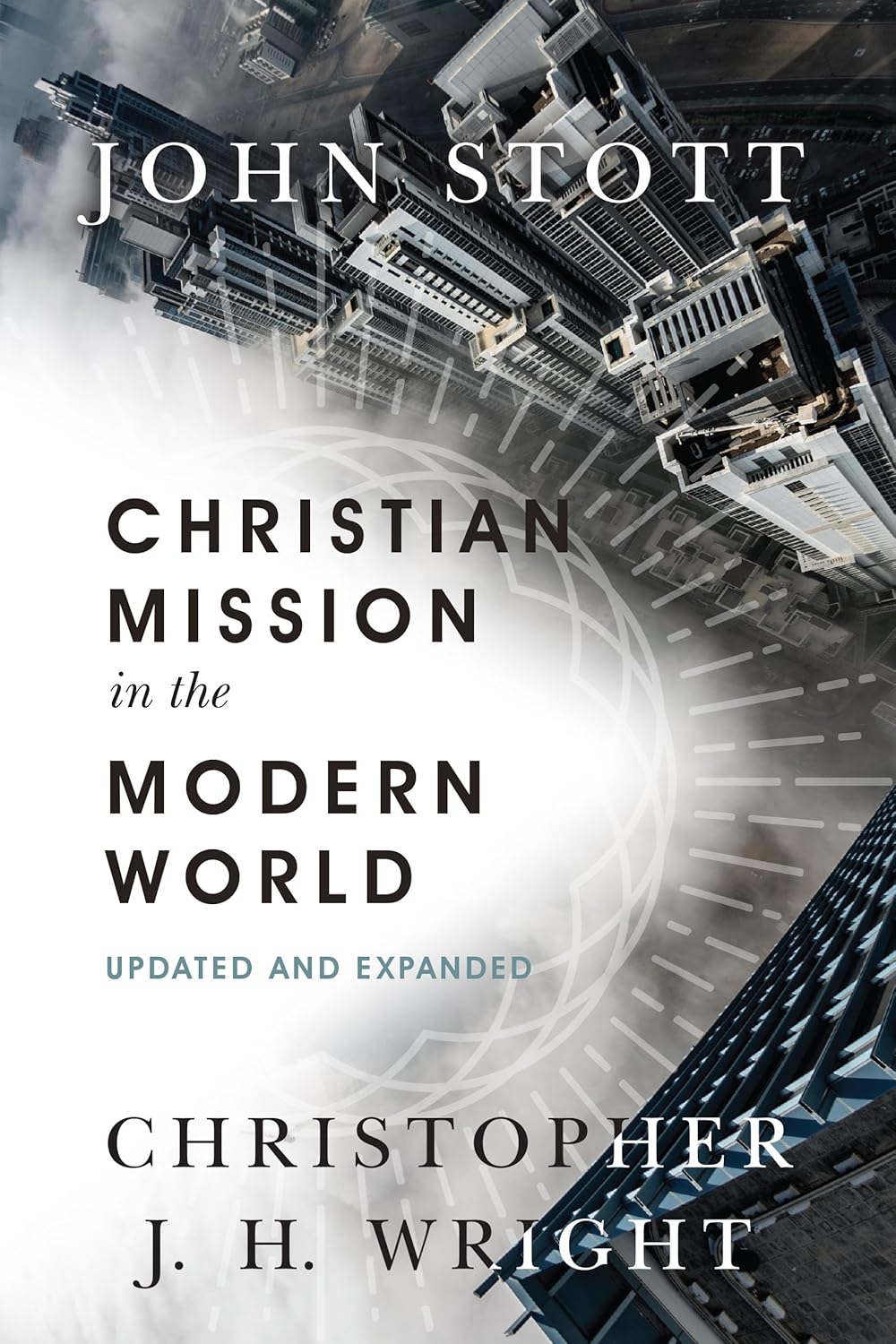
Christian Mission in the Modern World
Clarifies key biblical concepts like evangelism, mission, and social action.
View on Amazon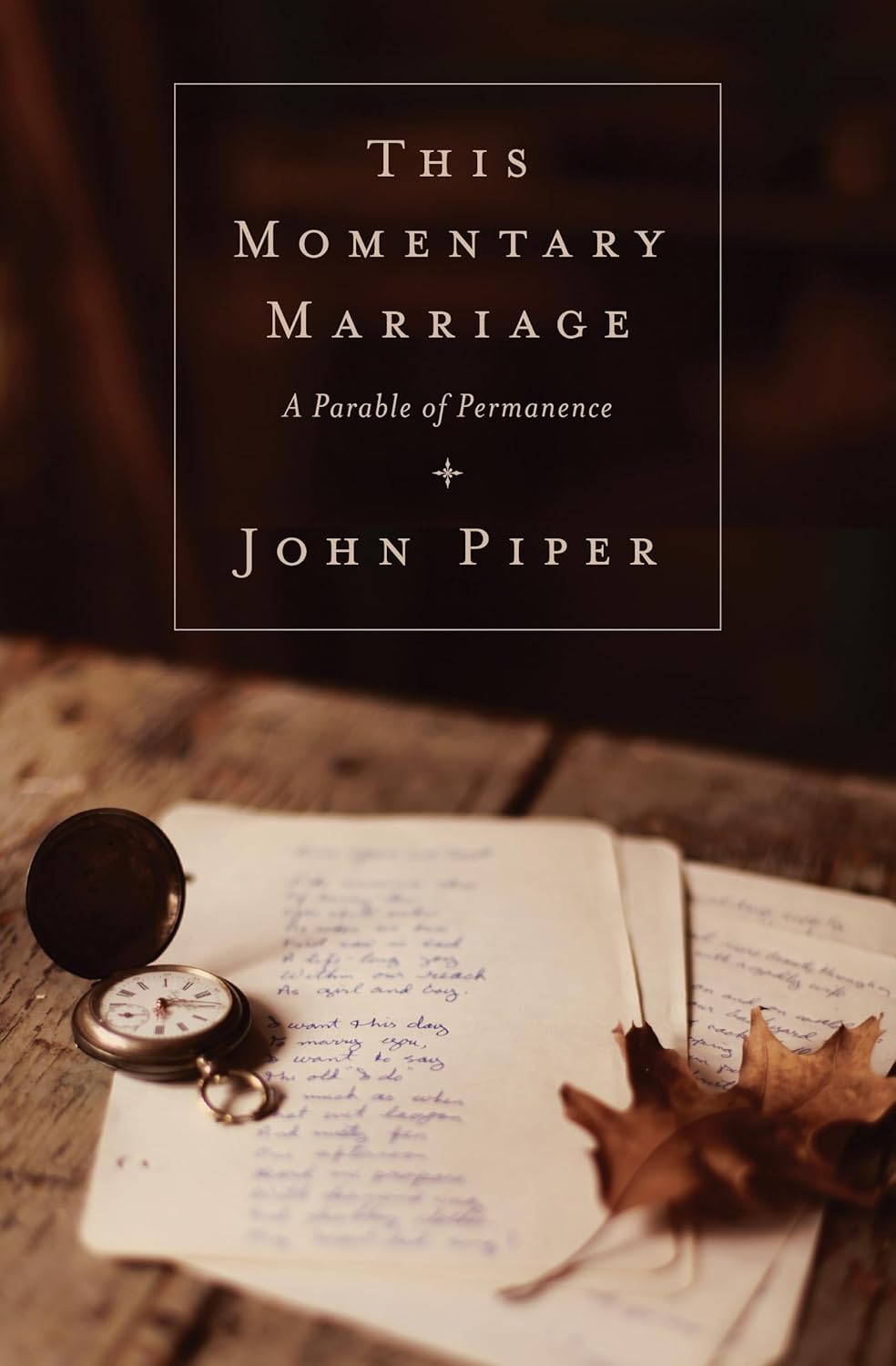
This Momentary Marriage
Shows how marriage is designed to display the covenant love of Christ and His church.
View on Amazon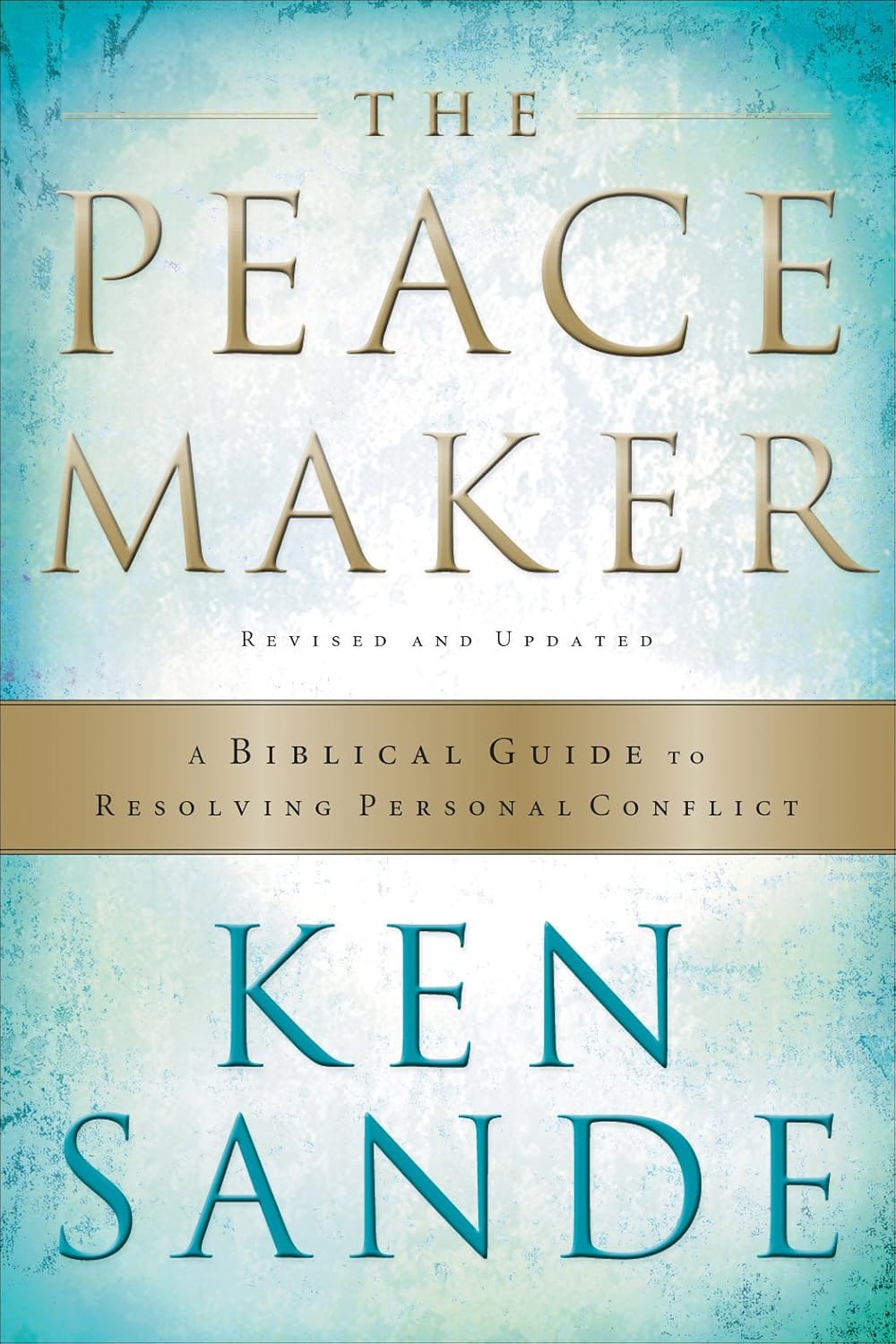
The Peacemaker
Biblical principles for resolving conflict in a way that honors Christ and reconciles people.
View on Amazon