
This is a simplified version of the Bible story found in 1 Samuel 13, written for children to understand. For the original version, please refer to the Bible passage.
Once upon a time, a man named Saul became king over Israel. He gathered three thousand men to fight against the Philistines. Two thousand men went with Saul, and a thousand went with his son Jonathan. The rest of the people went home.
Jonathan attacked the Philistine soldiers at Geba and won. Saul blew a trumpet to tell everyone that they had won and that the Philistines were afraid of Israel. The Israelites were called to gather and join Saul at Gilgal.
The Philistines had a huge army with 30,000 chariots, 6,000 horsemen, and many soldiers. They came to fight against Israel and set up camp in Michmash. When the Israelites saw the Philistine army, they were scared and hid in caves, rocks, and tombs.
Saul waited for seven days for Samuel the prophet to come, but he didn’t. So, Saul decided to offer the burnt offering to God himself, which he wasn’t supposed to do. Just as Saul finished offering the burnt offering, Samuel arrived. Samuel asked Saul what he had done, and Saul explained that he was afraid of the Philistines and that Samuel didn’t come in time. Samuel said that Saul was foolish and had disobeyed God’s commands.
He also told Saul, “You have not kept the command of the Lord your God, with which he commanded you. For then the Lord would have established your kingdom over Israel forever. But now your kingdom shall not continue. The Lord has sought out a man after his own heart, and the Lord has commanded him to be prince over his people, because you have not kept what the Lord commanded you.”
Saul had about 600 men with him, including his son Jonathan. They stayed in Geba of Benjamin, while the Philistines camped in Michmash. The Philistines sent raiders out in three different groups. One group went to Ophrah, another to Beth-horon, and the third to the border near the Valley of Zeboim.
The Philistines didn’t want the Israelites to have weapons, so they didn’t allow blacksmiths in Israel. The Israelites had to go to the Philistines to get their tools sharpened, and they had to pay them money for it. On the day of the battle, none of the Israelites had swords or spears, except for Saul and Jonathan. The Philistines were waiting for them at the pass of Michmash.
Biblical Lessons
- We should trust God to protect us in times of trouble.
- It’s important to have faith in God, even when we are afraid.
- Disobeying God’s commands can have serious consequences.
- We should not rely on our own strength and power, but on God’s power to help us overcome challenges.
- It’s important to be patient and wait for God’s timing, even if it seems like He is taking too long.
- God is always looking for people who have a heart for Him and are willing to obey Him.
Related Stories
Must-Read Christian Books

Desiring God
Piper unpacks "Christian Hedonism": that God is most glorified in us when we are most satisfied in Him, grounded in Scripture.
View on Amazon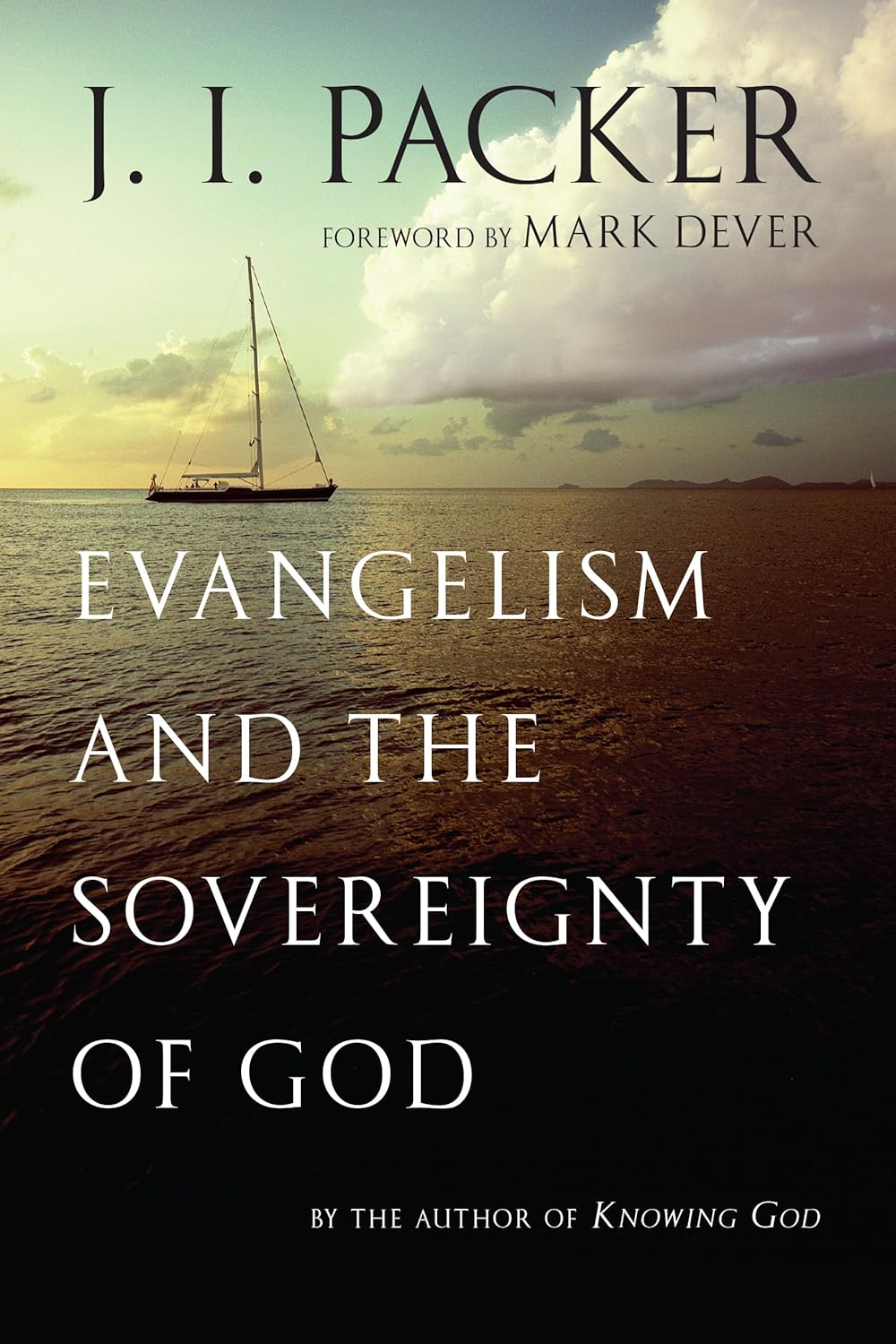
Evangelism and the Sovereignty of God
Shows how God's sovereignty in salvation fuels, rather than hinders, faithful evangelism.
View on Amazon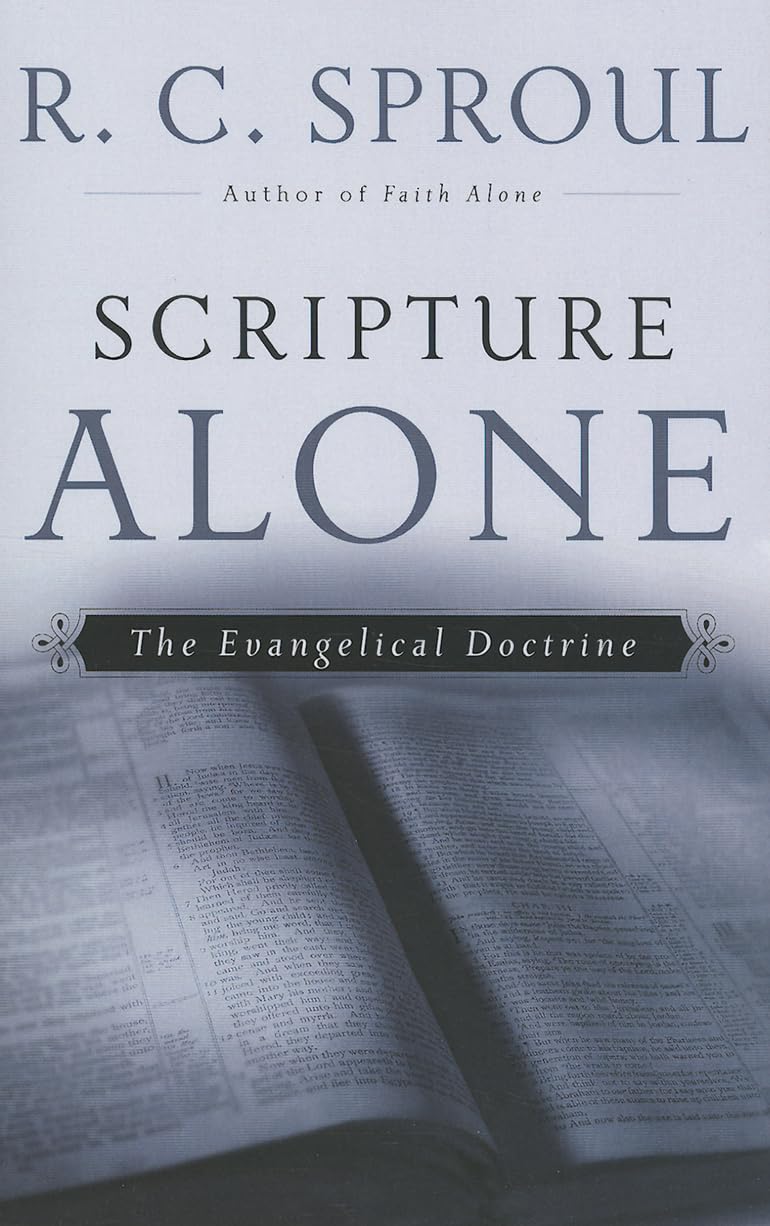
Scripture Alone
Explains and defends the authority and sufficiency of Scripture over all human traditions.
View on Amazon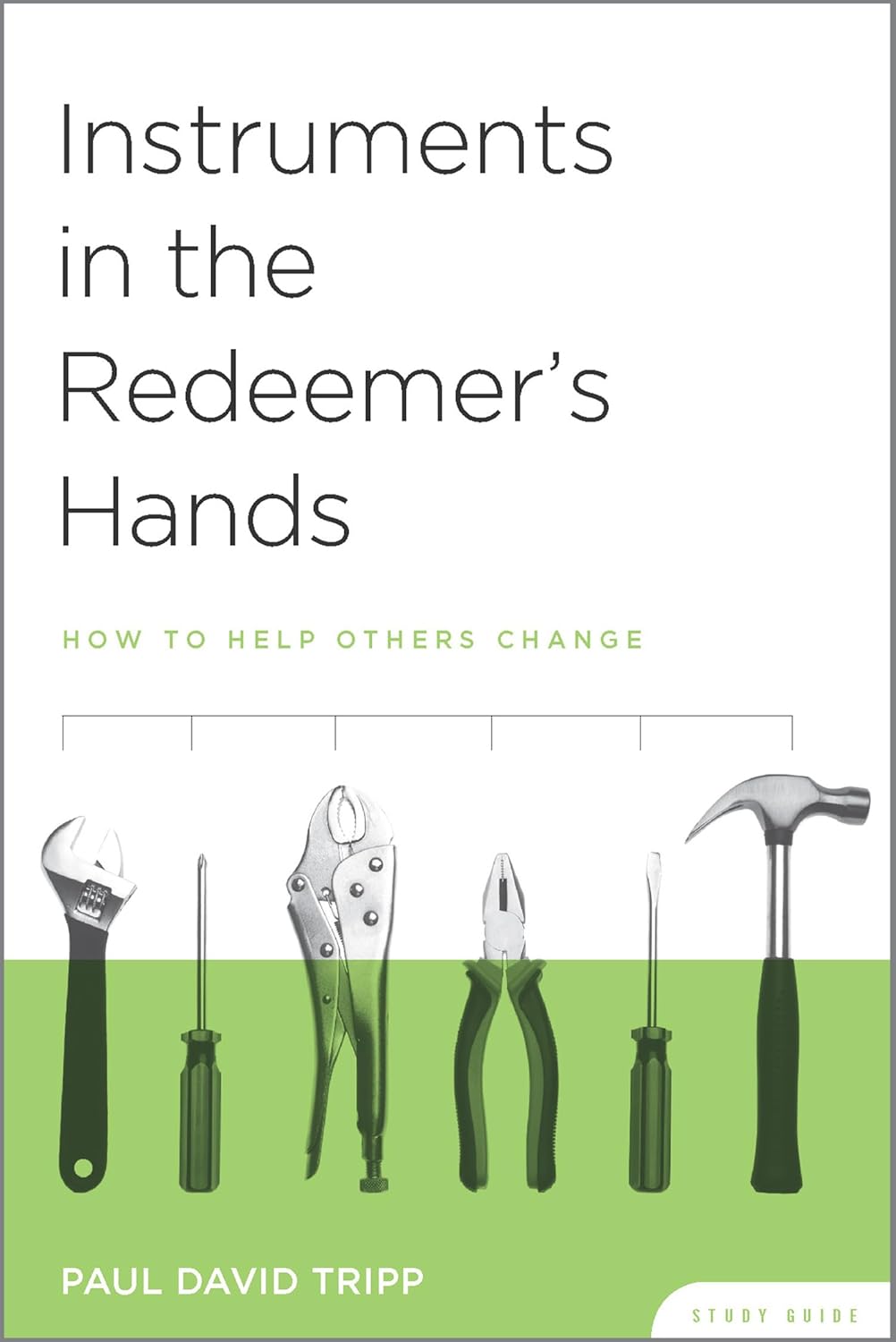
Instruments in the Redeemer's Hands
Biblical counseling and discipleship that helps believers speak God's truth into one another's lives.
View on Amazon
Respectable Sins
Exposes the "ordinary" sins Christians often tolerate and calls us to gospel-driven holiness.
View on Amazon
Don't Waste Your Life
A passionate plea to live for Christ's glory rather than trivial pursuits.
View on Amazon
According to Plan
An introduction to biblical theology that shows how all Scripture points to Christ.
View on Amazon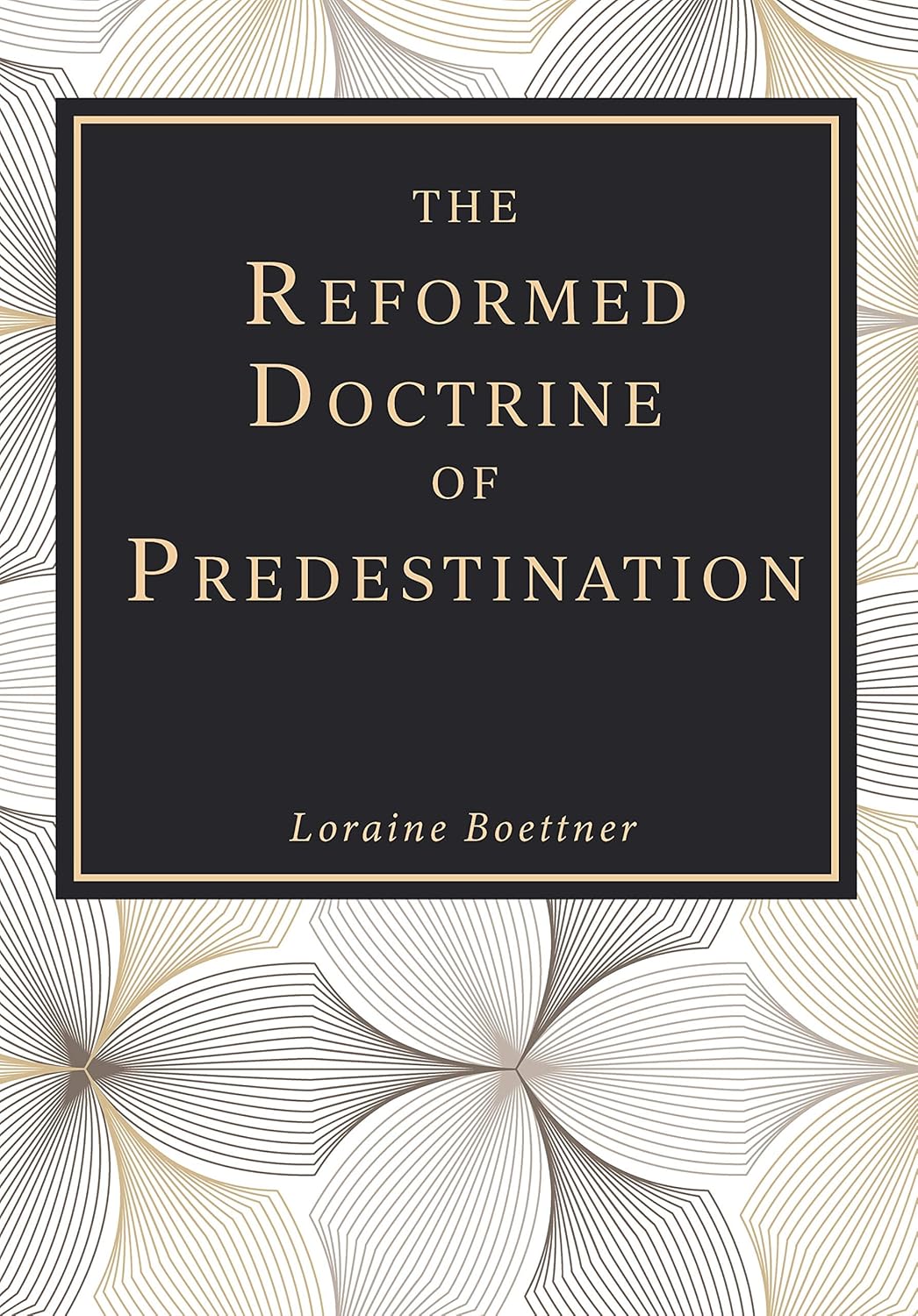
The Reformed Doctrine of Predestination
Explains and defends the doctrines of grace and God's sovereign election from Scripture.
View on Amazon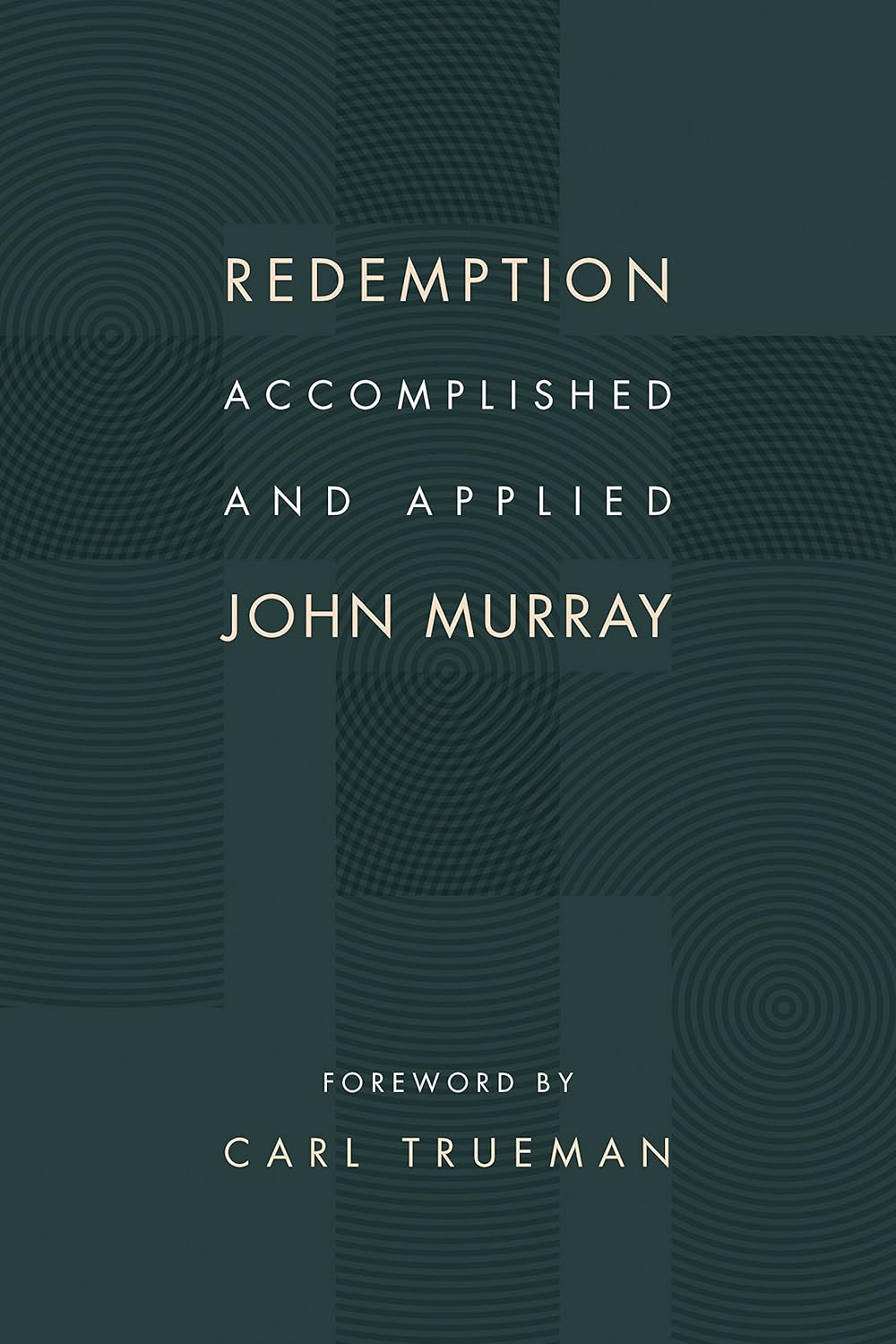
Redemption Accomplished and Applied
A concise, biblical study of Christ's atonement and the application of salvation to believers.
View on Amazon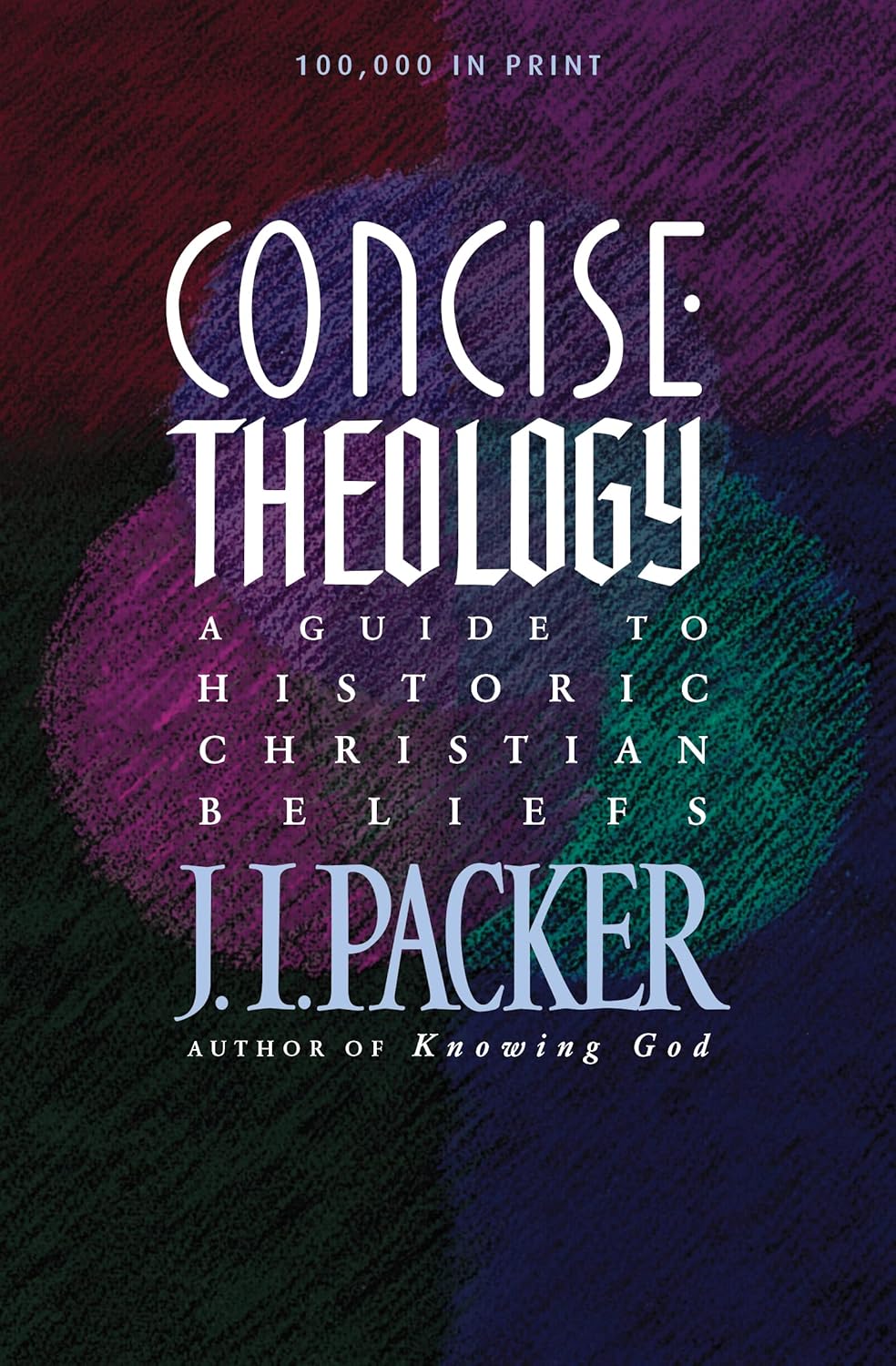
Concise Theology
Short, Scripture-filled summaries of key doctrines, written with clarity and warmth.
View on Amazon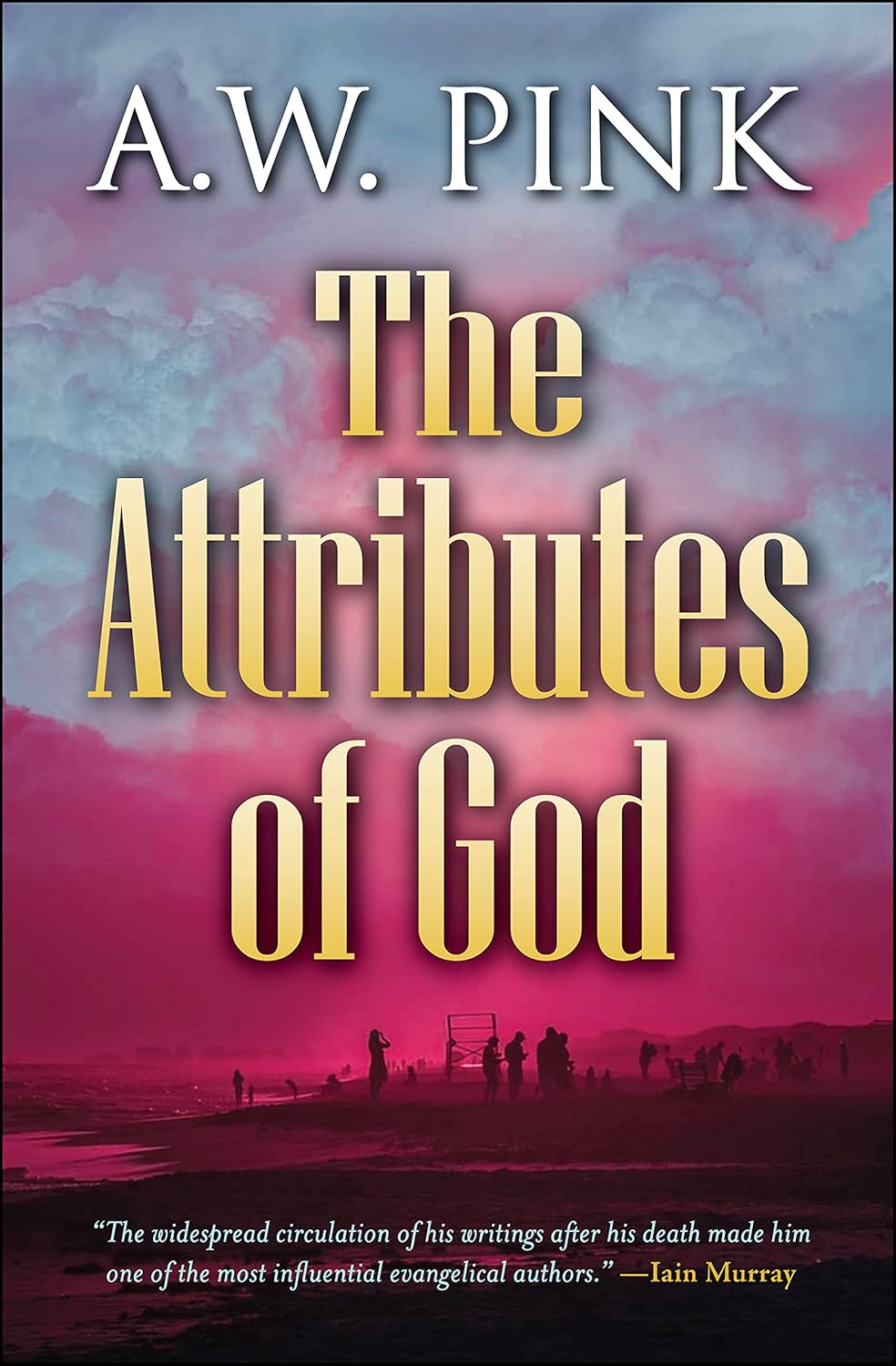
The Attributes of God
Devotional meditations on God's character that stir reverence and worship.
View on Amazon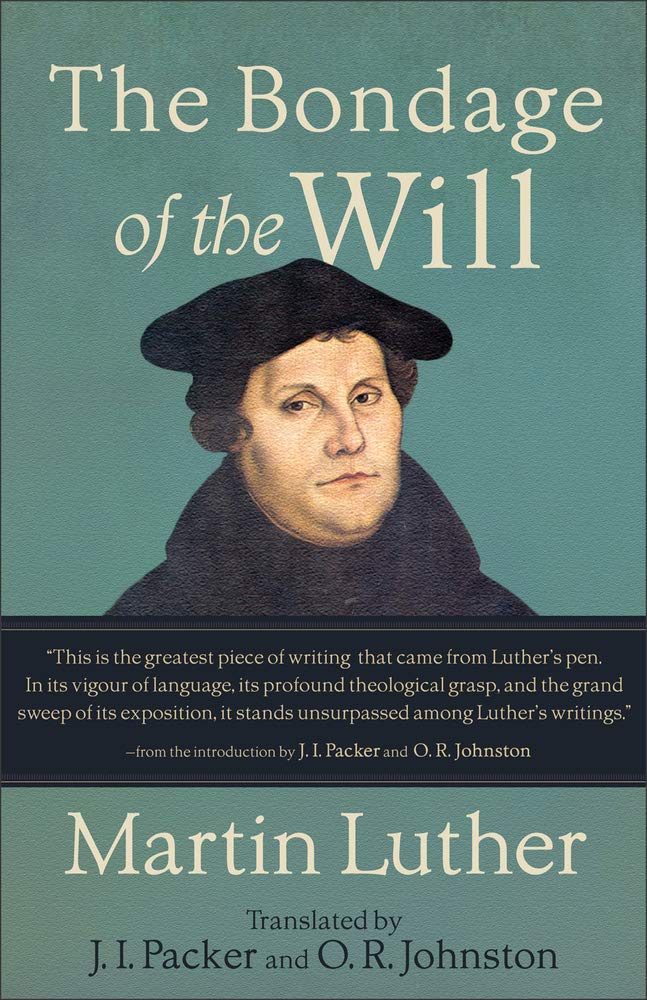
The Bondage of the Will
Luther's classic defense of the Bible's teaching on human sin and God's sovereign grace.
View on Amazon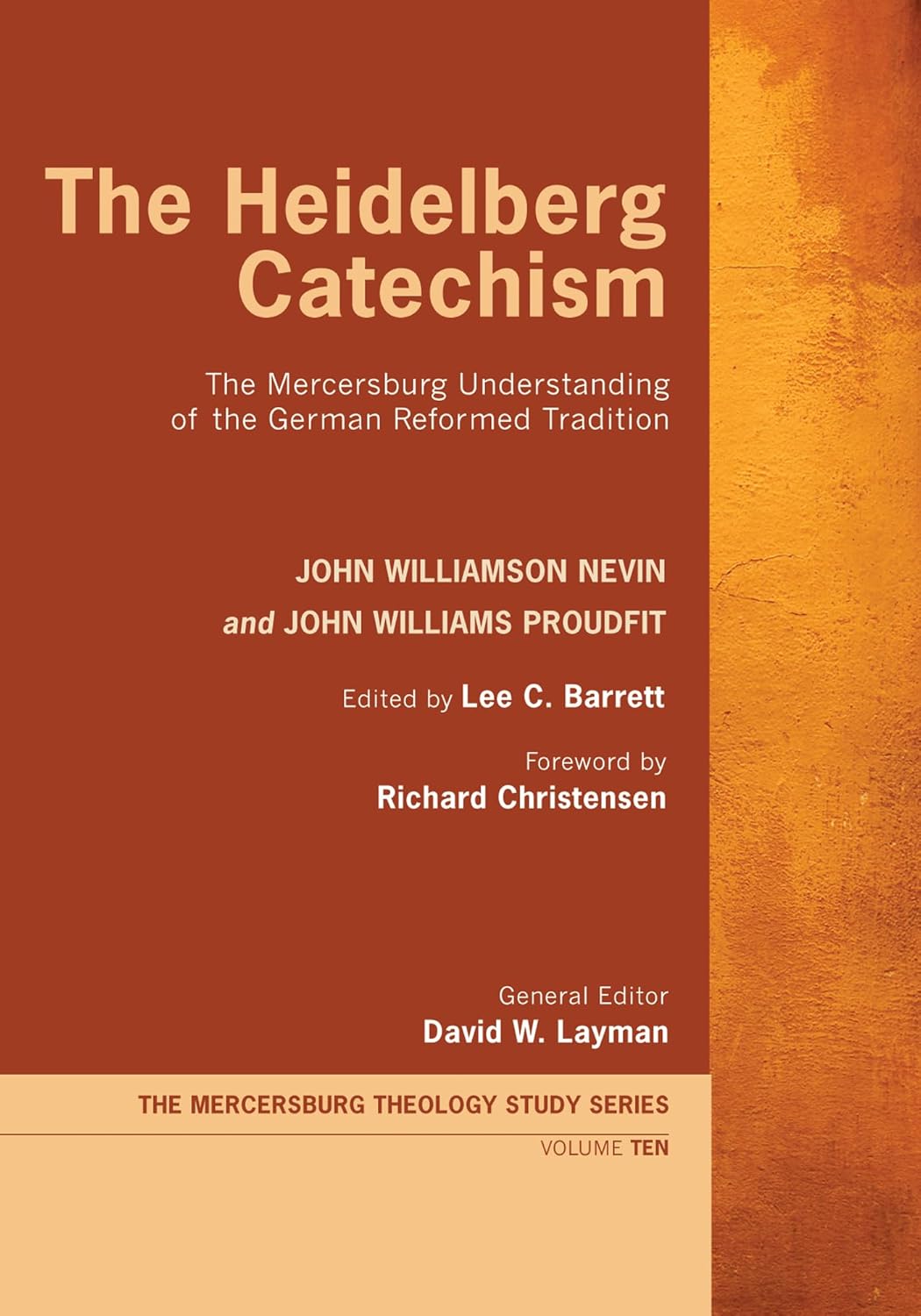
The Heidelberg Catechism
A beloved Reformation catechism that teaches comfort in Christ through a Q&A format.
View on Amazon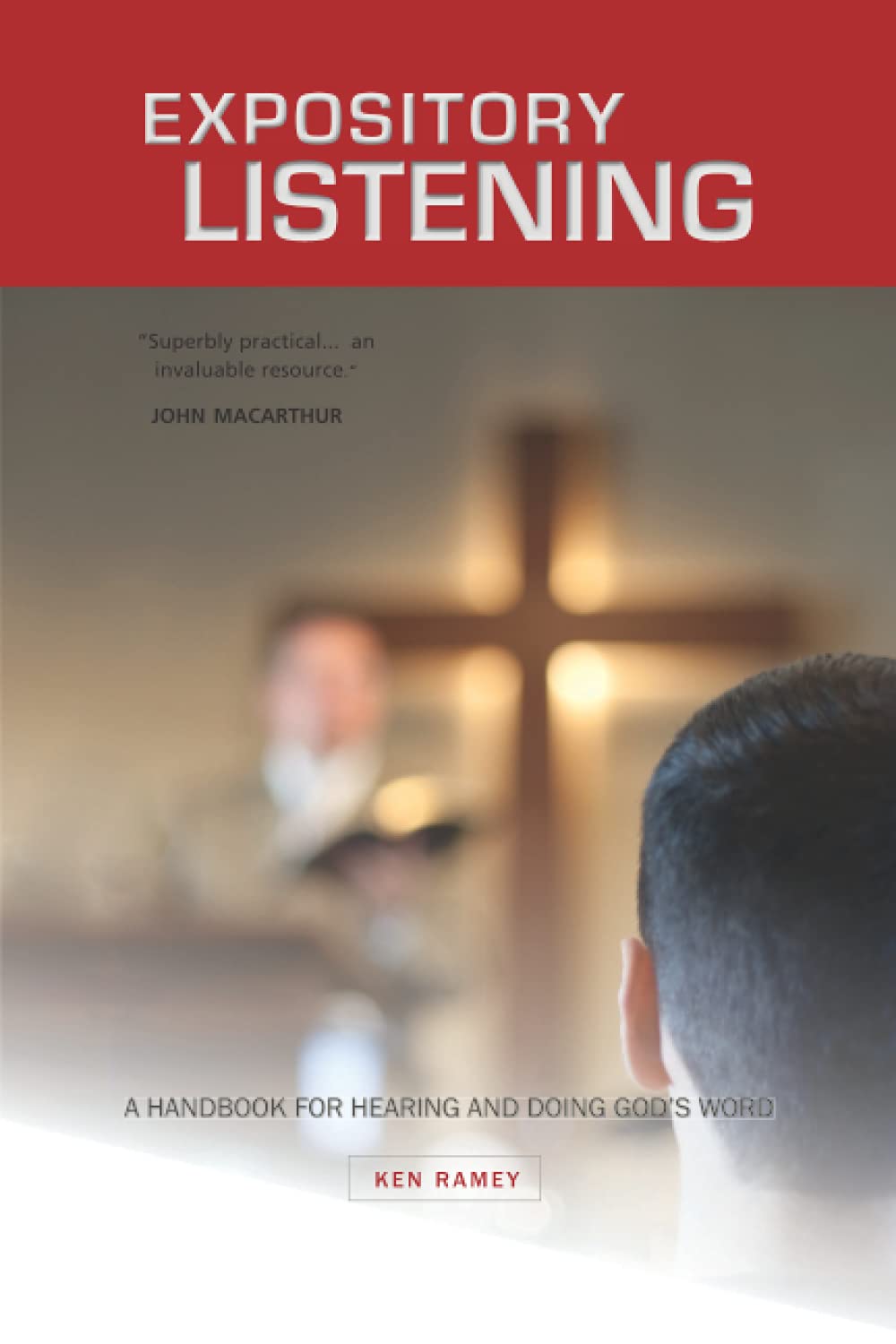
Expository Listening
Teaches Christians how to listen to expository preaching in a way that bears fruit.
View on Amazon
The Whole Christ
Deals with legalism, antinomianism, and the grace of God in union with Christ.
View on Amazon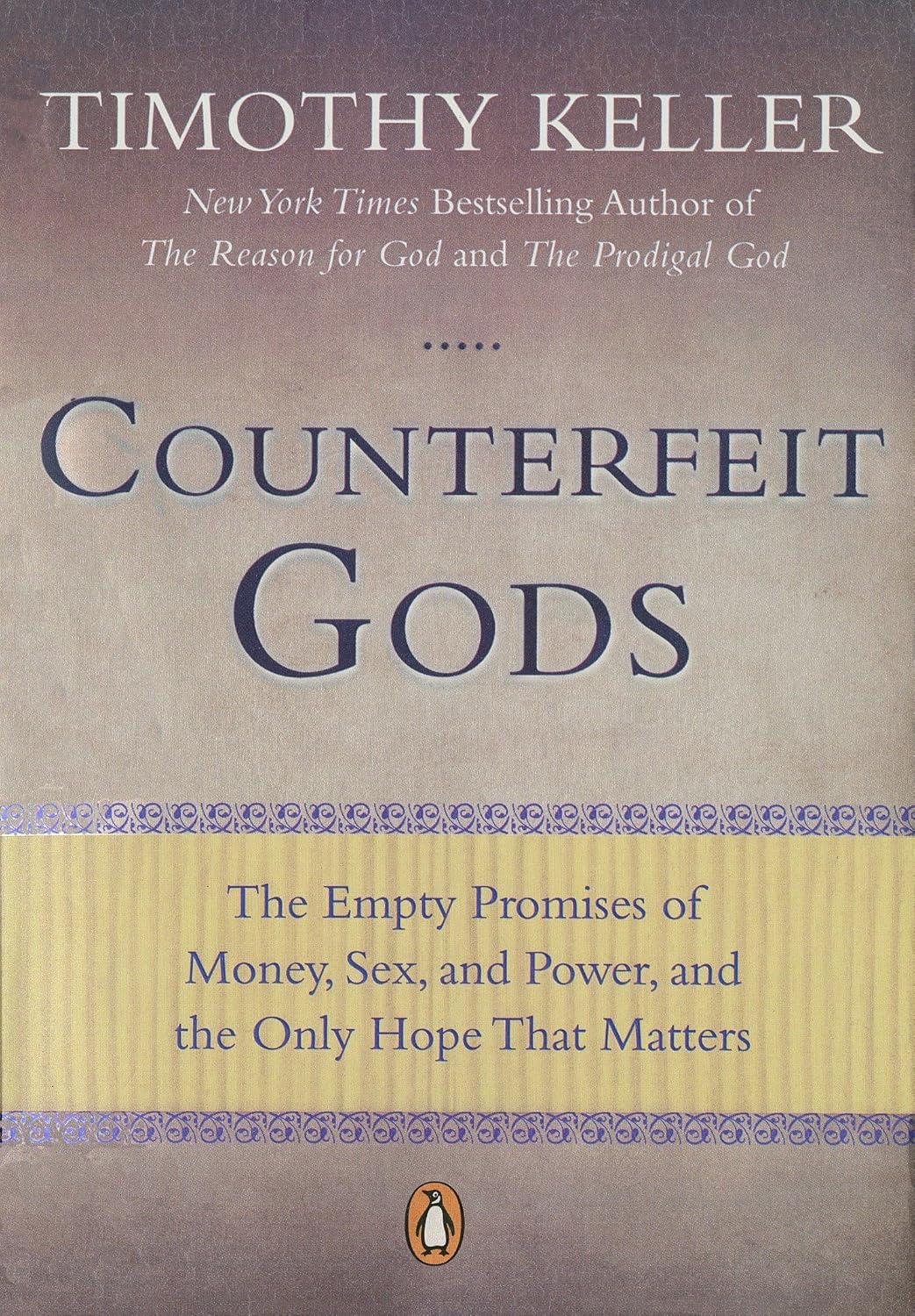
Counterfeit Gods
Exposes modern idols of the heart and points to Christ as our true treasure.
View on Amazon
Family Worship
A short, practical guide to leading your home in daily worship of God.
View on Amazon
This Momentary Marriage
Shows how marriage is designed to display the covenant love of Christ and His church.
View on Amazon