
This is a simplified version of the Bible story found in Genesis 29-30, written for children to understand. For the original version, please refer to the Bible passage.
Once upon a time, a man named Jacob was traveling to a faraway place when he saw a well with many sheep around it. Jacob asked the shepherds if they knew a man named Laban, and they said yes. Jacob was happy to hear this because Laban was his uncle, the brother of his mother, Rebekah. Soon after, Laban’s daughter Rachel came to the well with her sheep, and Jacob was immediately attracted to her. He rolled the stone from the well and watered the flock of Laban his mother’s brother. Jacob kissed Rachel and wept aloud. Jacob told Rachel that he was her father’s kinsman and Rebekah’s son, and she ran to tell her father.
Laban was happy to see Jacob and invited him to stay with him. Jacob told Laban that he wanted to marry Rachel, and Laban agreed to let Jacob marry her if he worked for him for seven years. Jacob worked hard for seven years and was excited to finally marry Rachel. But on his wedding day, Laban tricked Jacob and gave him Rachel’s older sister, Leah, instead. When Jacob discovered that he had been tricked, he was very upset. Laban explained that it was not the custom in their country to give the younger daughter in marriage before the older daughter, and that he could marry Rachel if he worked for him for seven more years. Jacob agreed, and he worked hard for another seven years until he was finally able to marry Rachel.
Jacob and his wives had many children. Leah was the first to have children and bore Jacob six sons: Reuben, Simeon, Levi, Judah, Issachar, and Zebulun. Leah also had one daughter named Dinah. Zilpah, Leah’s servant, also had two sons: Gad and Asher. Rachel was not able to have children for a long time, and she was very sad. She gave her servant Bilhah to Jacob as a wife, and Bilhah bore him two sons: Dan and Naphtali. Finally, God remembered Rachel, and she gave birth to two sons: Joseph and Benjamin.
As soon as Rachel had borne Joseph, Jacob told Laban that they’re going back to his country. They made an agreement that Jacob would take as his wages every speckled and spotted sheep and goat that was born among Laban’s flocks. Jacob knew that the strong animals would breed strong animals, and the weak animals would breed weak animals. So, Jacob came up with a plan to breed strong and healthy animals.
He took fresh sticks of poplar, almond, and plane trees and peeled white streaks in them. Then, he placed the sticks in front of the flocks in the watering troughs where the animals would drink. When the stronger animals came to drink, they would see the sticks and breed among them, producing strong, speckled and spotted offspring. This way, Jacob was able to increase his flock and Laban’s flock.
When Laban saw that Jacob’s flocks were prospering more than his own, he tried to cheat Jacob by removing all the speckled and spotted animals from his flock, but Jacob still managed to increase his flock by separating the stronger animals from the weaker ones.
After many years, Jacob became very wealthy. He had many flocks of sheep, goats, and camels. He also had many servants, both male and female. Laban’s family had become jealous of Jacob’s success, and Jacob decided to leave Laban’s place and return to his own country. Jacob talked to Rachel and Leah, and they agreed to leave with him.
Biblical Lessons
- God always keeps His promises, just as He promised to bless Jacob and his descendants.
- God is in control of all things, even when people try to deceive and manipulate each other.
- Honesty is important, and we should always try to do what is right and truthful, as Jacob did.
- God loves all of His children, even if they are not perfect, just as He blessed Leah even though she was not Jacob’s favorite wife.
- Family is important, and we should love and care for our families, just as Jacob loved and cared for his wives and children.
Related Stories
Must-Read Christian Books
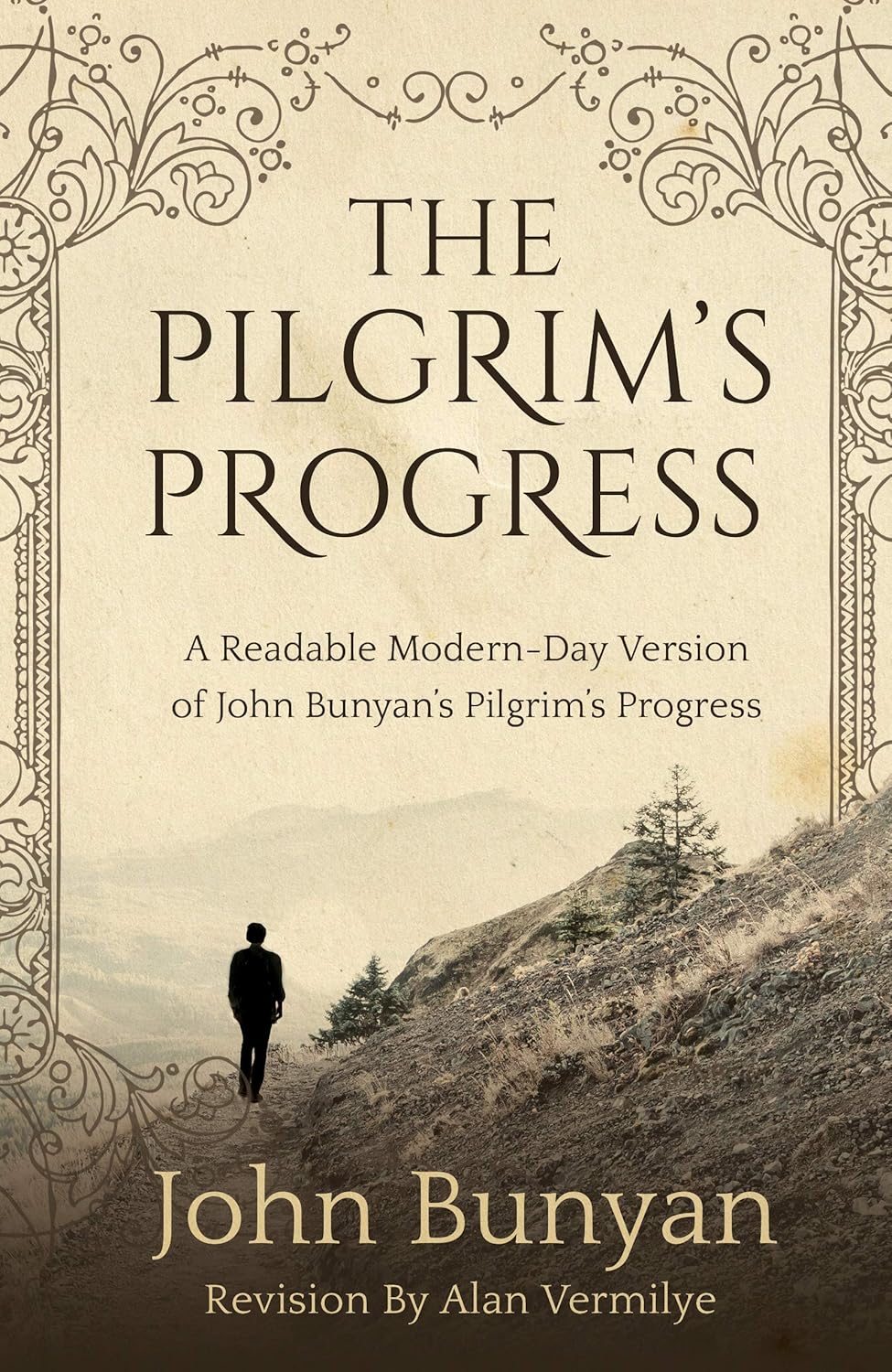
The Pilgrim's Progress
A classic allegory of the Christian journey from the City of Destruction to the Celestial City, saturated with Scripture.
View on Amazon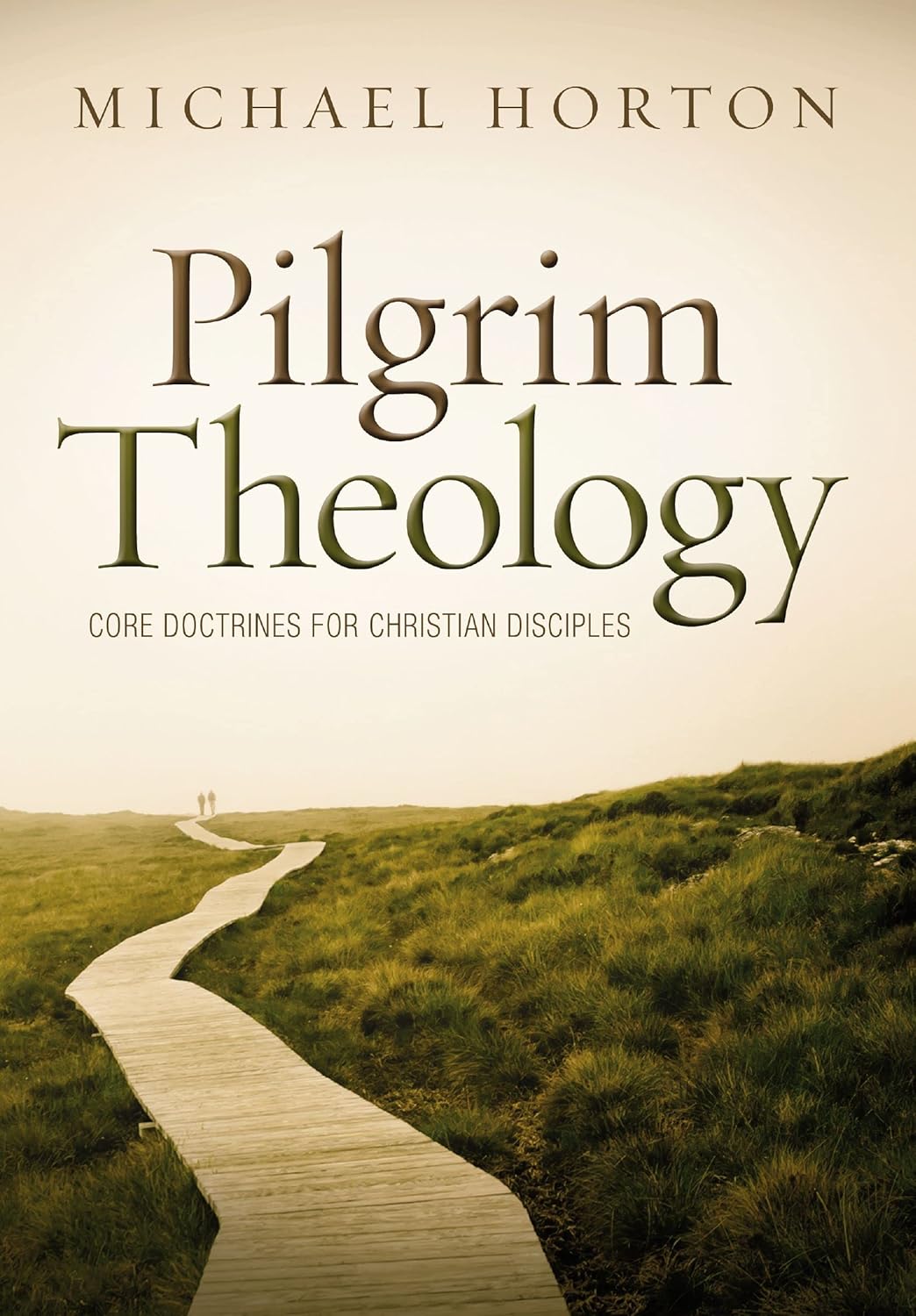
Pilgrim Theology
An accessible summary of Reformed theology that connects doctrine to the Christian life.
View on Amazon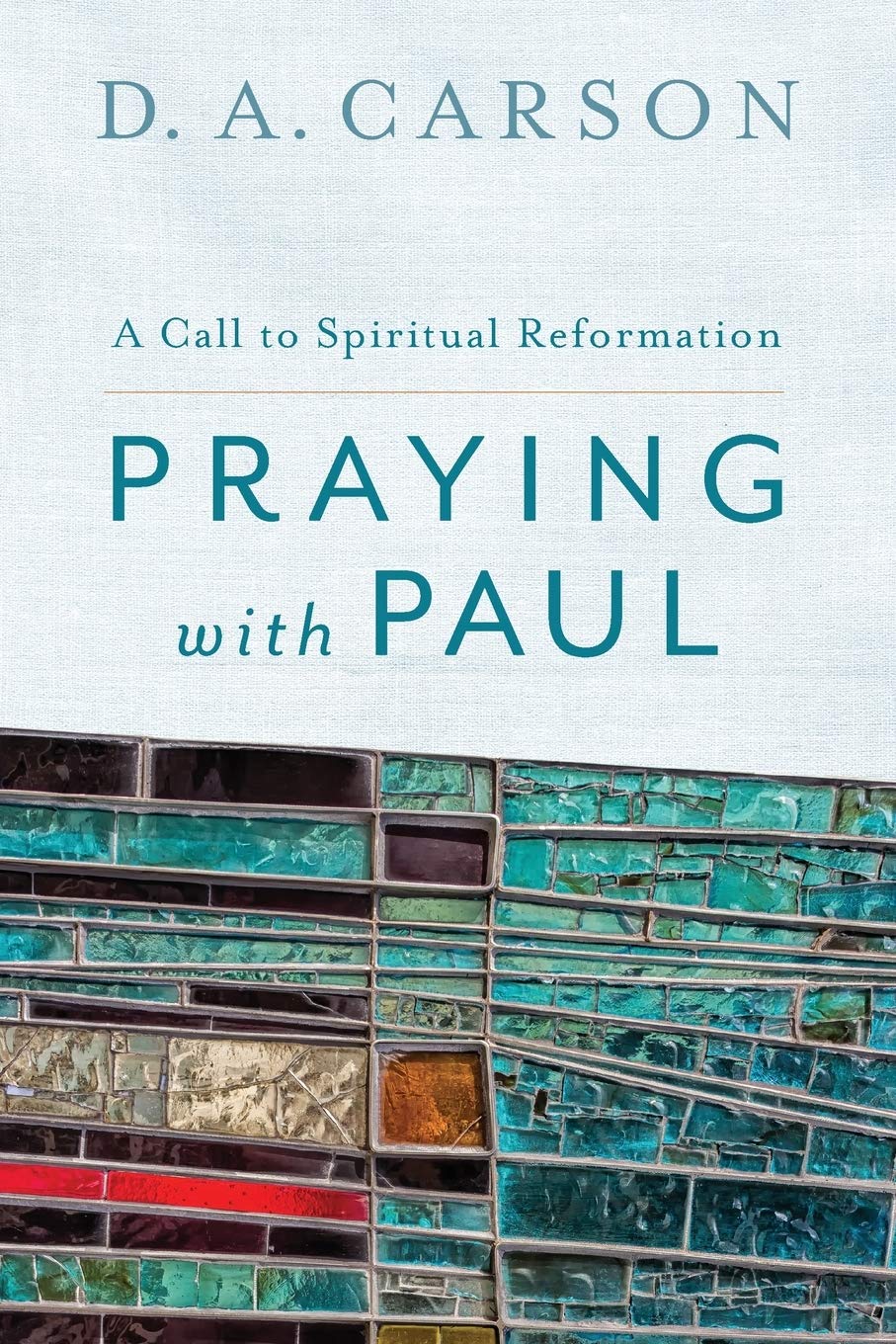
A Call to Spiritual Reformation
Walks through Paul's prayers to teach believers how to pray biblically and God-centeredly.
View on Amazon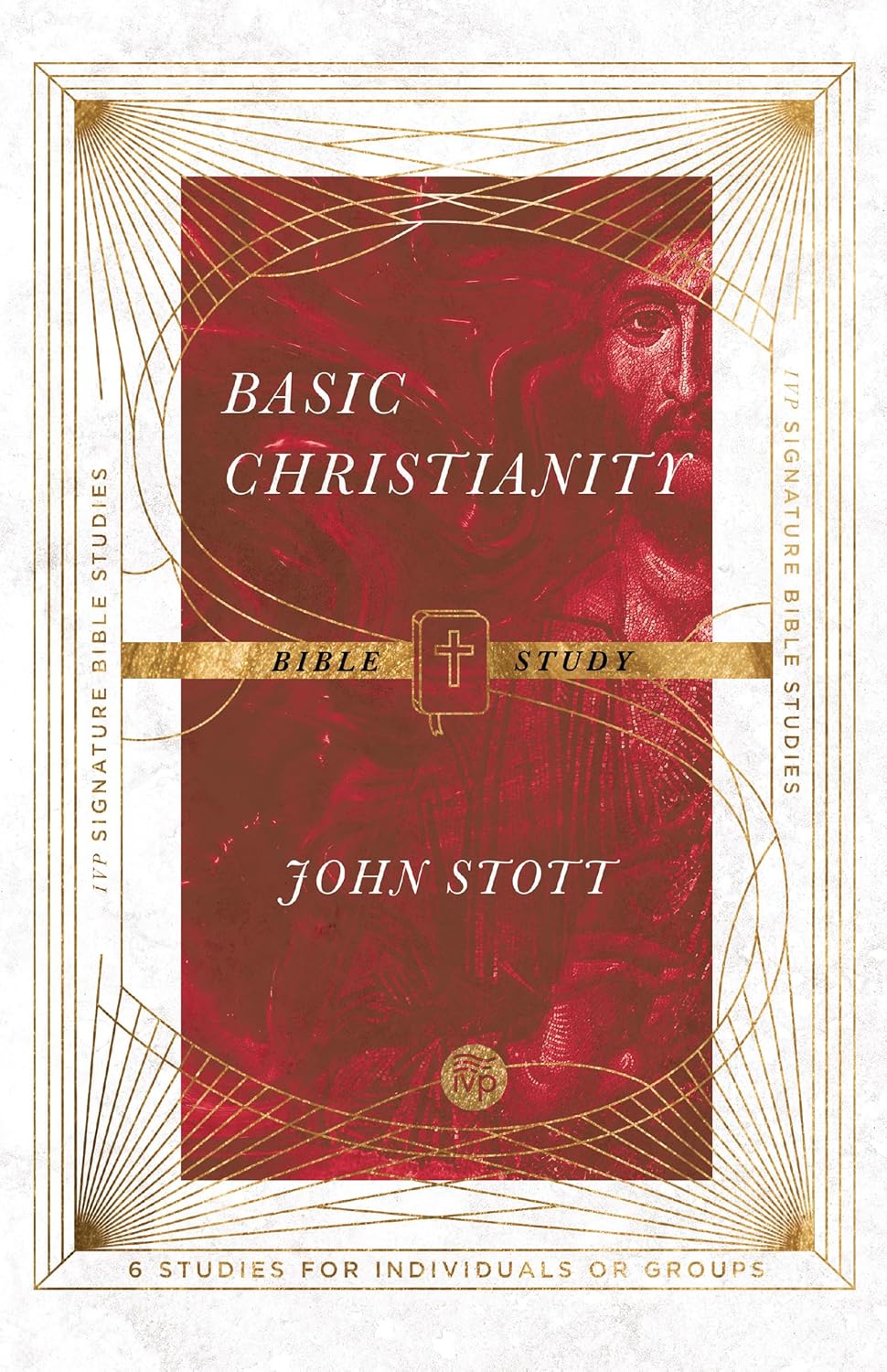
Basic Christianity
A timeless introduction to who Jesus is and what it means to follow Him according to Scripture.
View on Amazon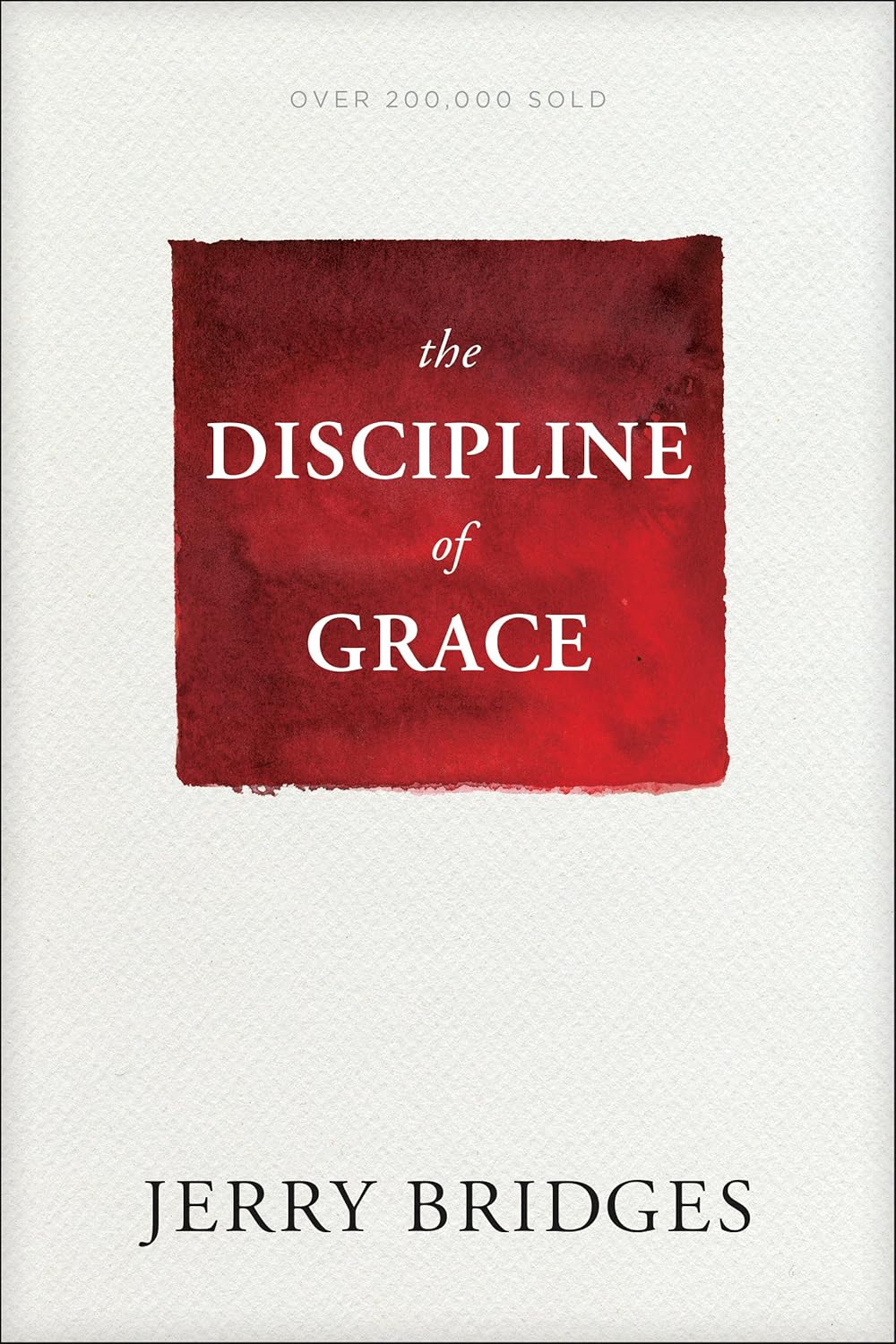
The Discipline of Grace
Shows how God's grace and our disciplined effort work together in sanctification.
View on Amazon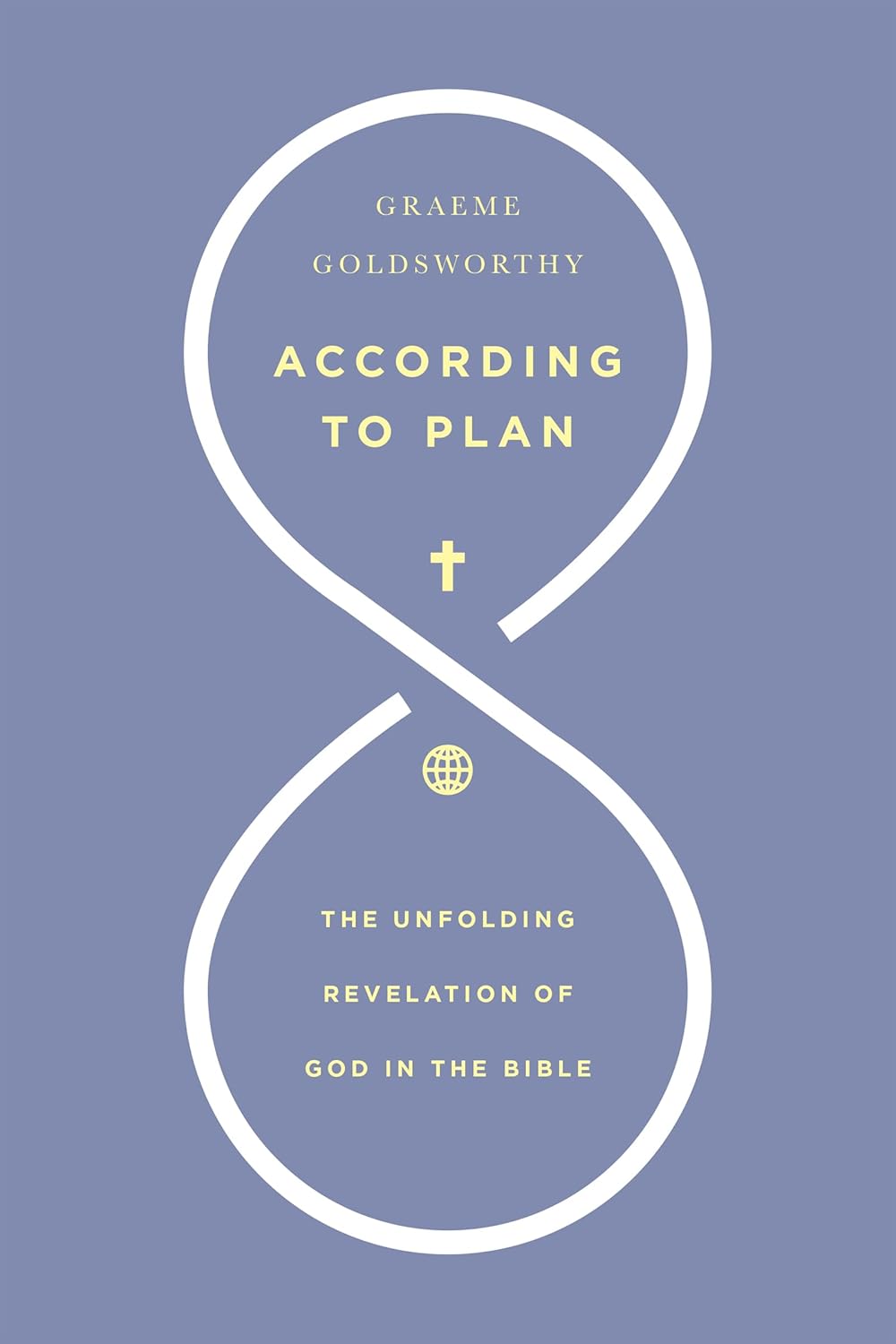
According to Plan
An introduction to biblical theology that shows how all Scripture points to Christ.
View on Amazon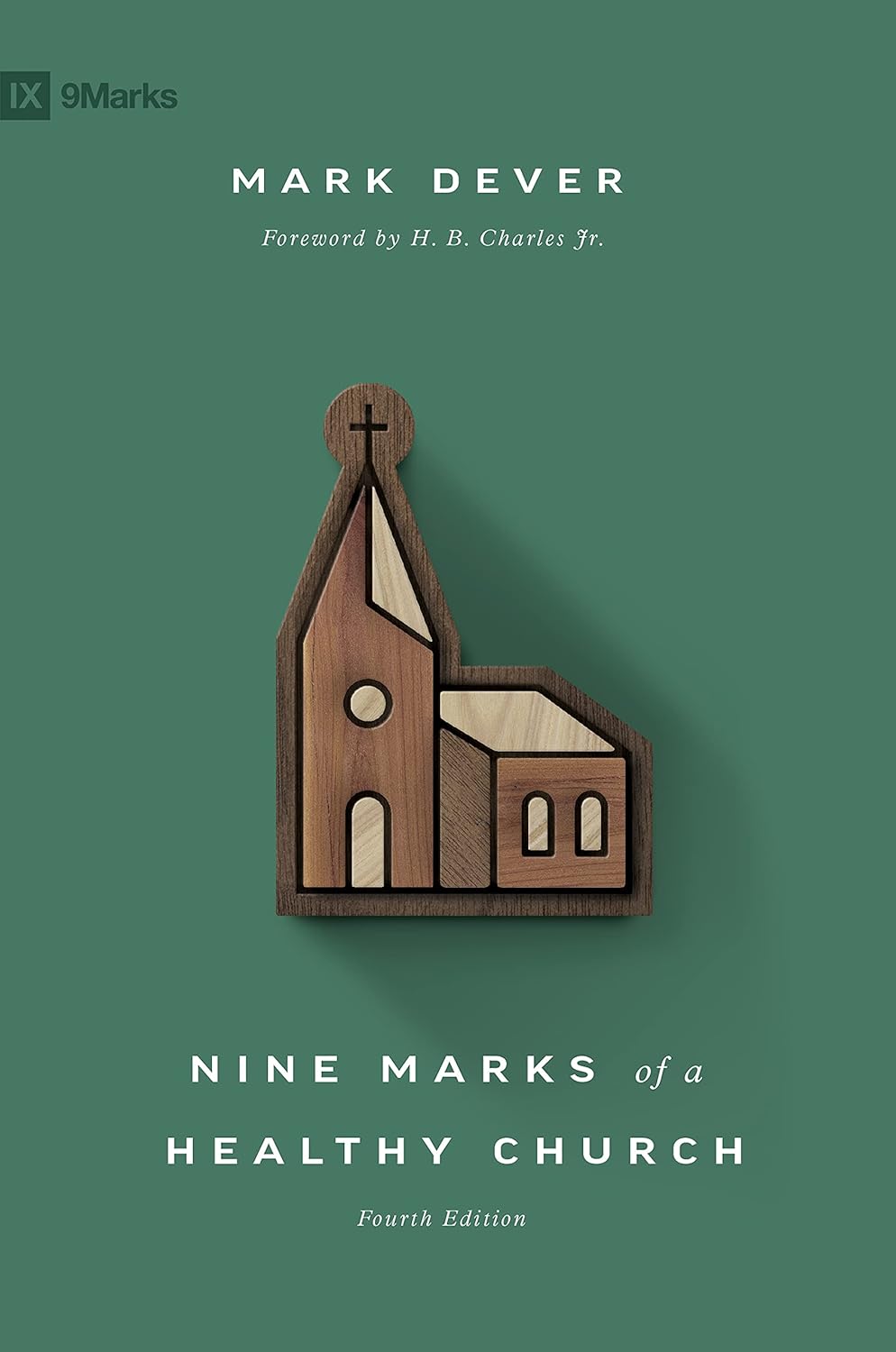
Nine Marks of a Healthy Church
Outlines nine biblical priorities for congregations that want to be faithful and healthy.
View on Amazon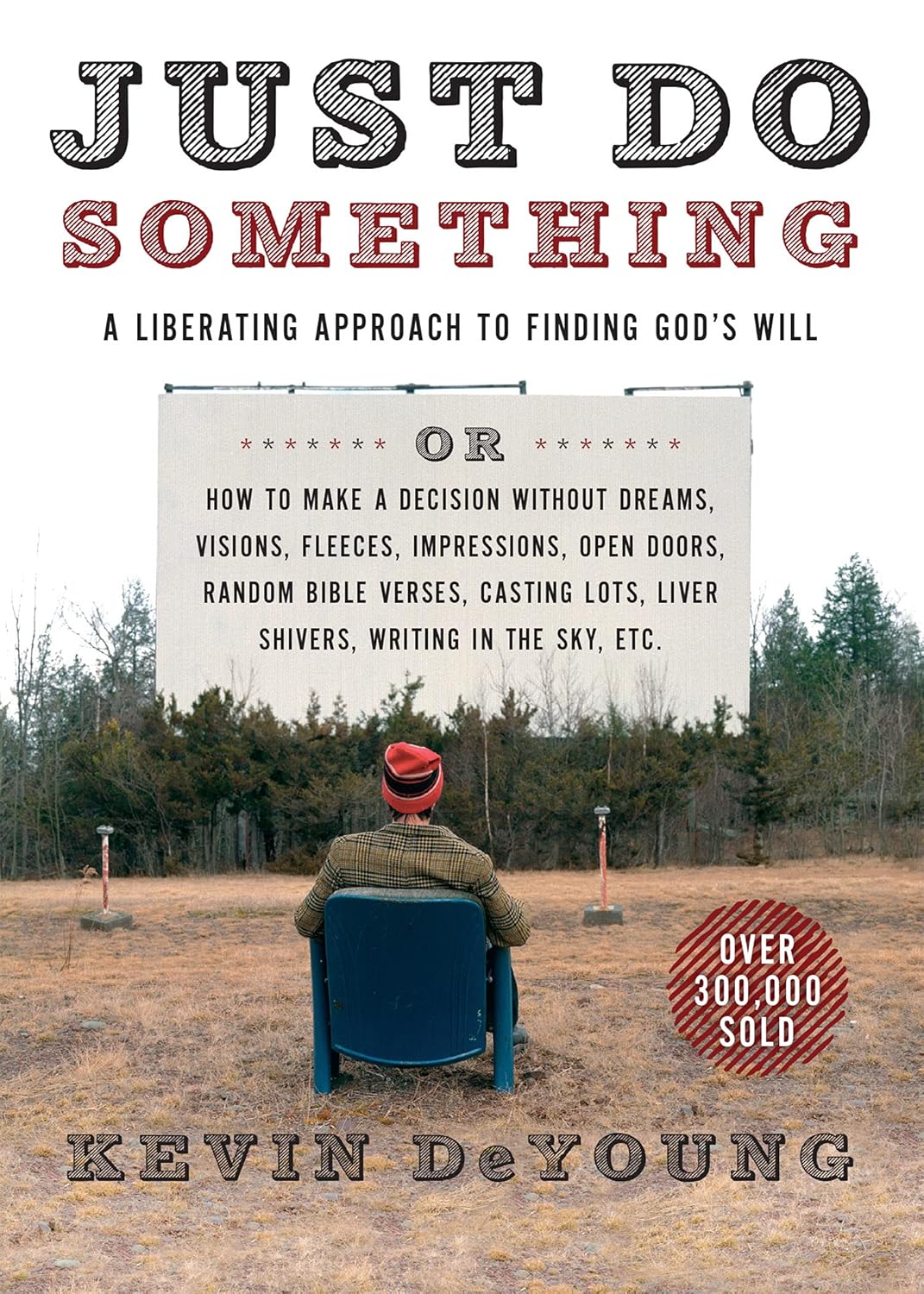
Just Do Something
A wise, biblical approach to knowing God's will without paralysis or mysticism.
View on Amazon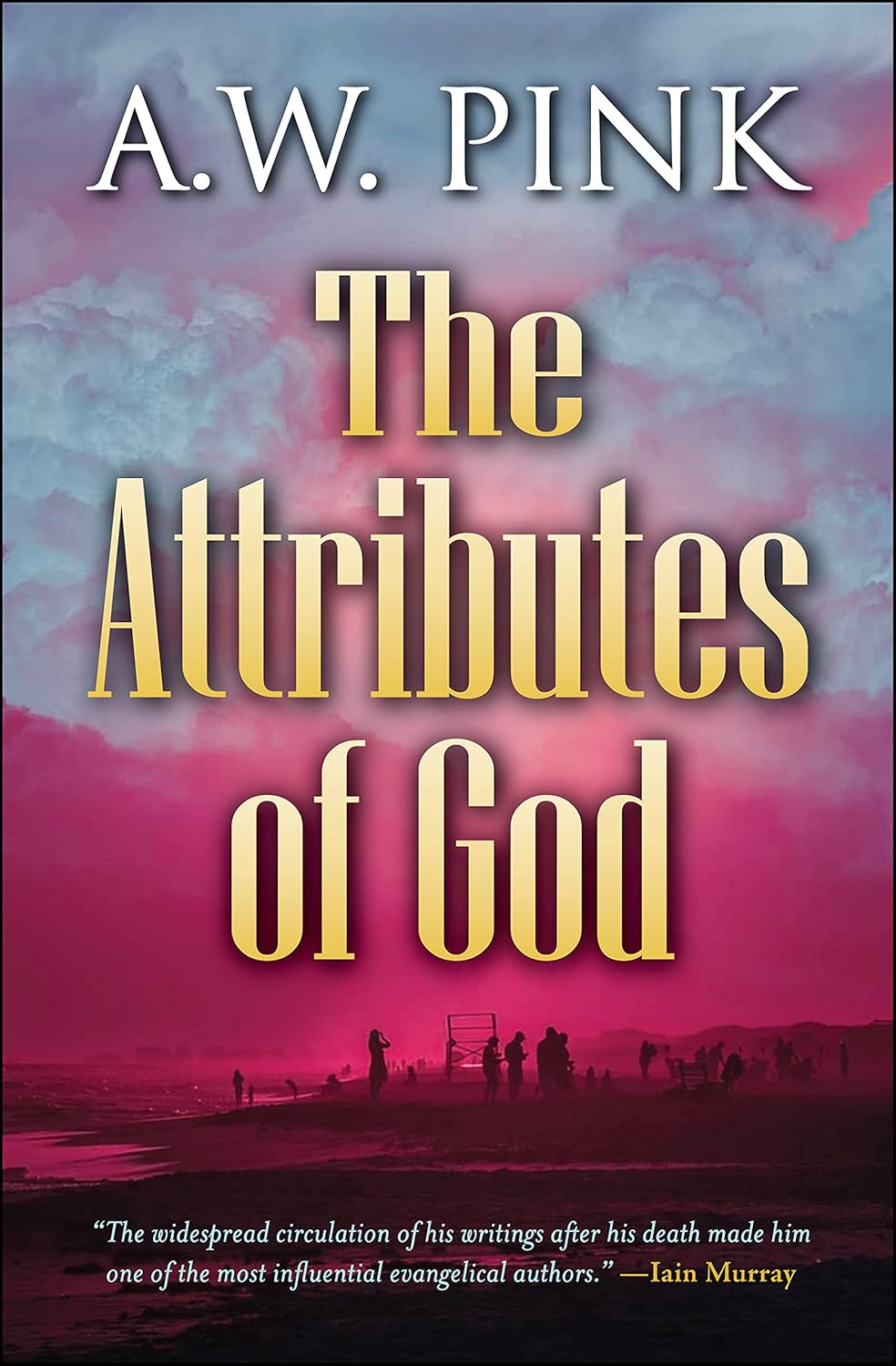
The Attributes of God
Devotional meditations on God's character that stir reverence and worship.
View on Amazon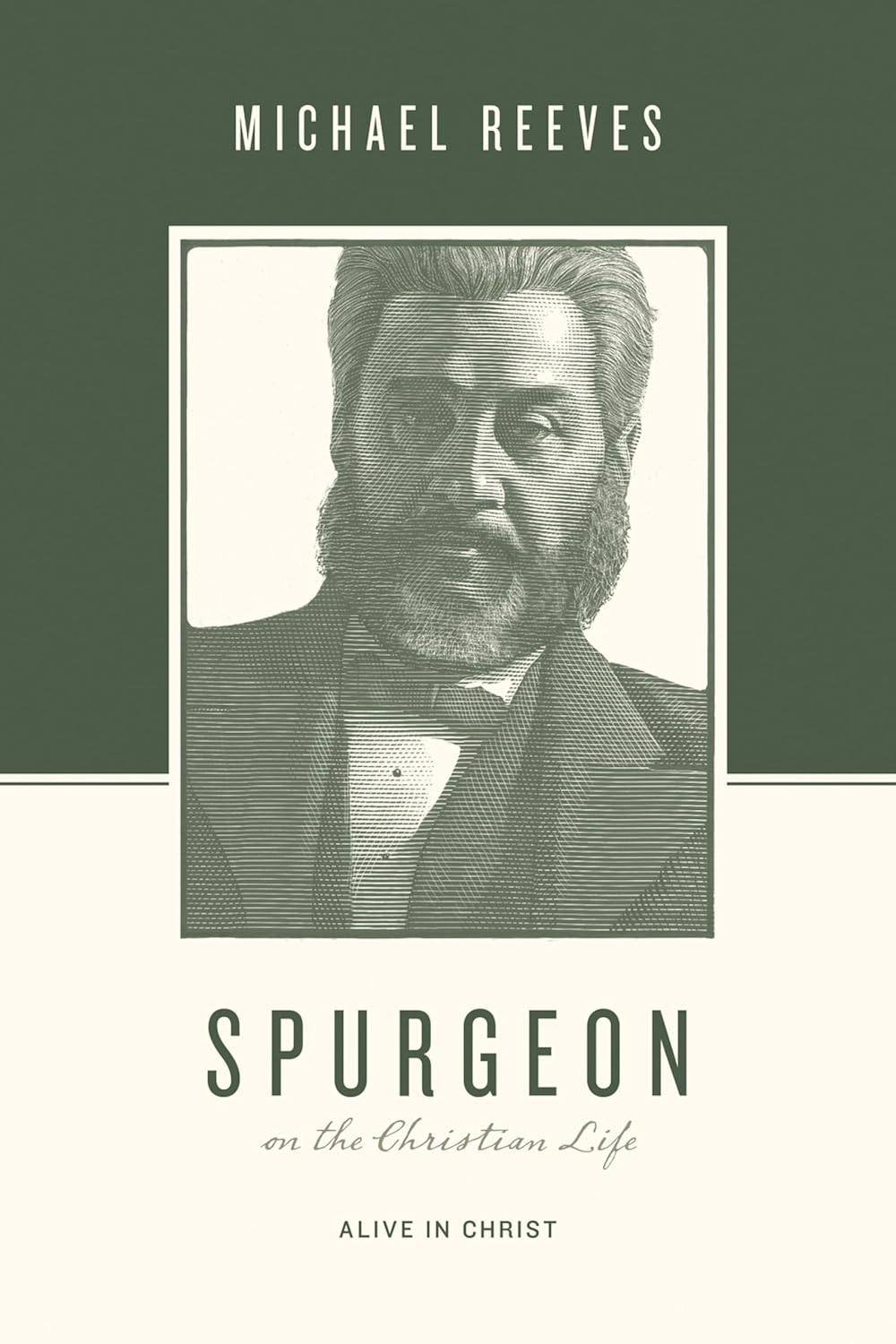
Spurgeon on the Christian Life
A portrait of Charles Spurgeon's Christ-centered theology and joyful piety.
View on Amazon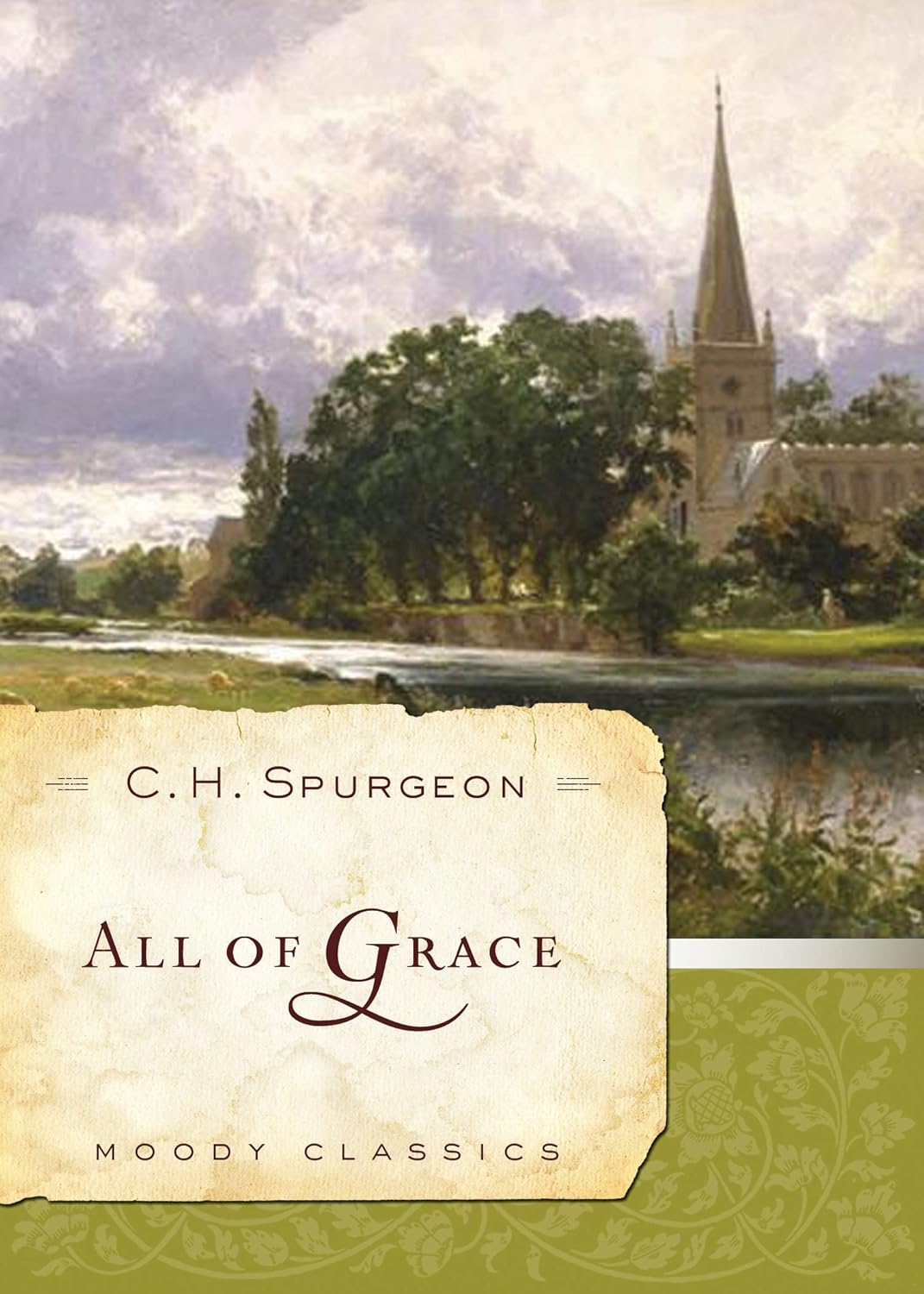
All of Grace
A simple, powerful explanation of salvation by grace through faith in Christ alone.
View on Amazon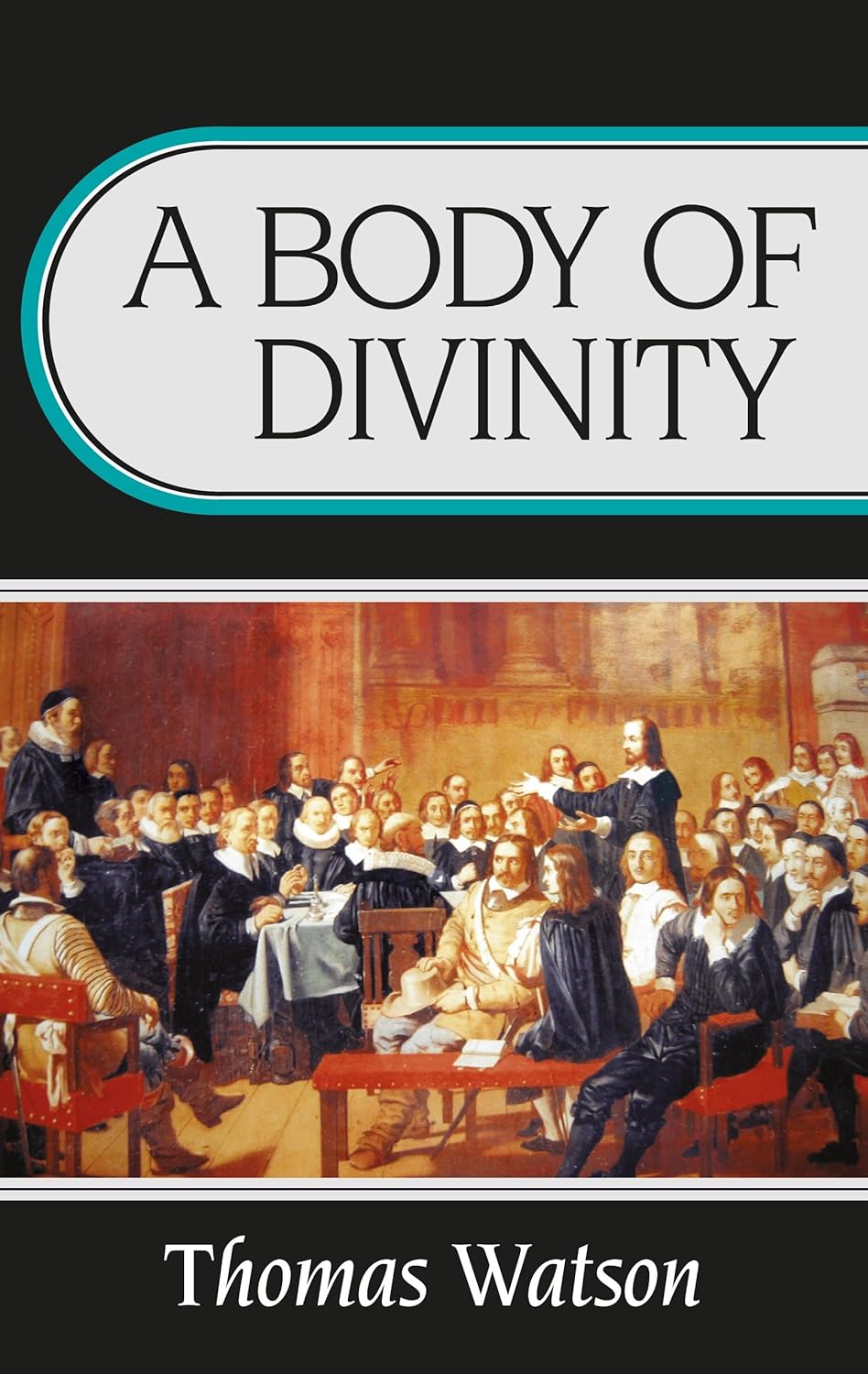
A Body of Divinity
A warm, devotional exposition of the Westminster Shorter Catechism's doctrines.
View on Amazon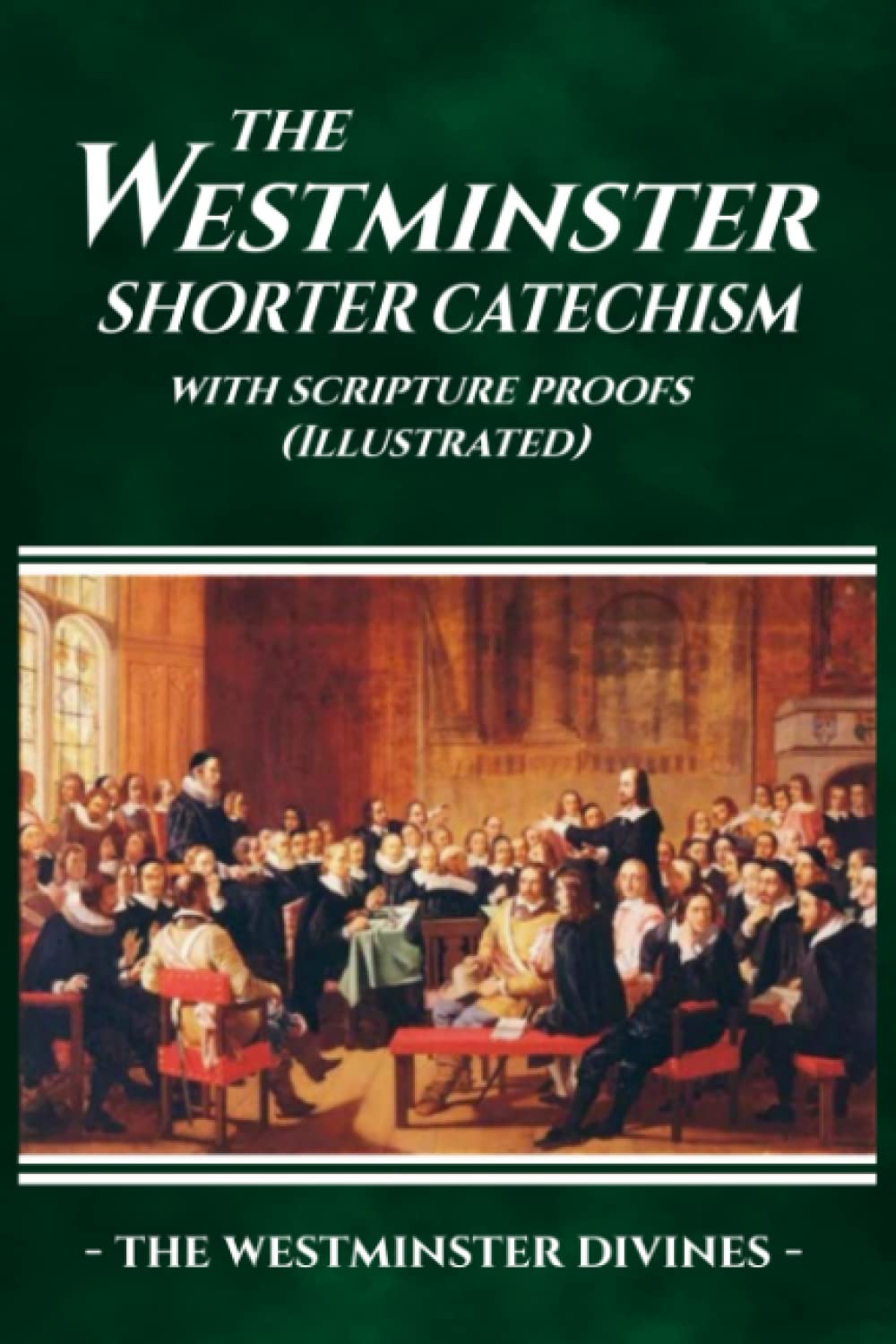
The Westminster Shorter Catechism
Summarizes key doctrines of Scripture in concise questions and answers.
View on Amazon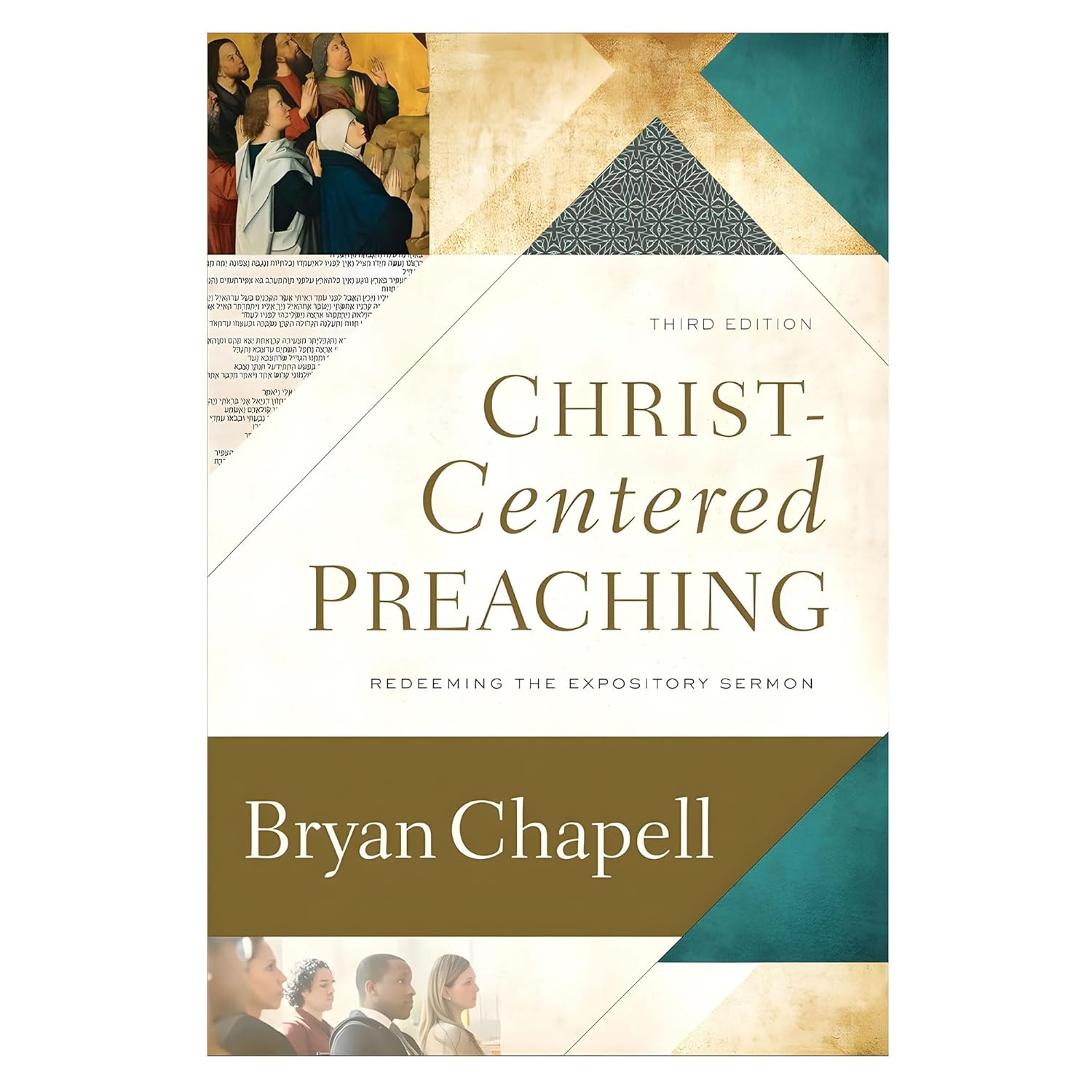
Christ-Centered Preaching
A standard textbook on preaching that shows how to proclaim Christ from all of Scripture.
View on Amazon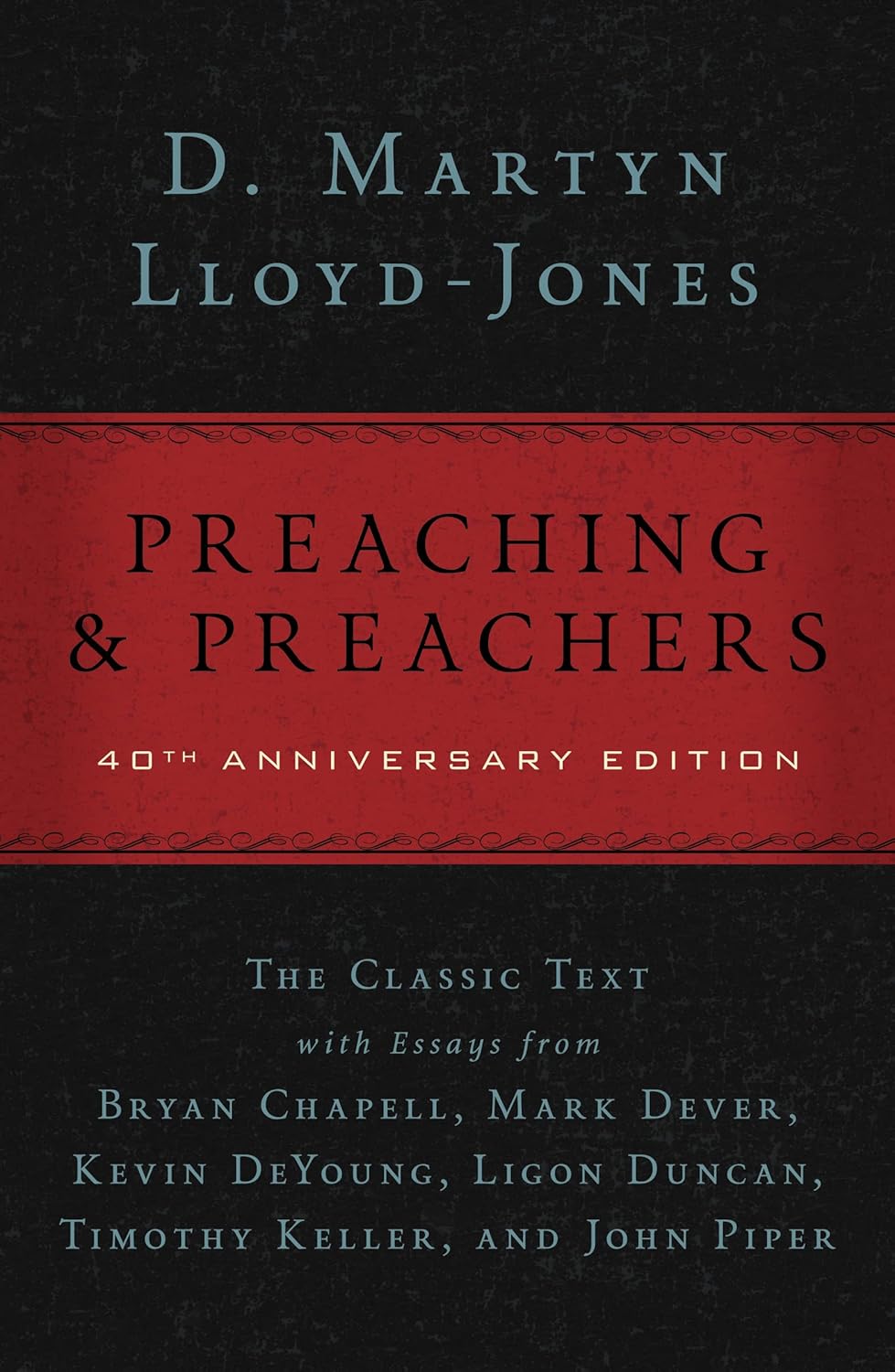
Preaching and Preachers
Classic lectures on the nature and power of biblical preaching.
View on Amazon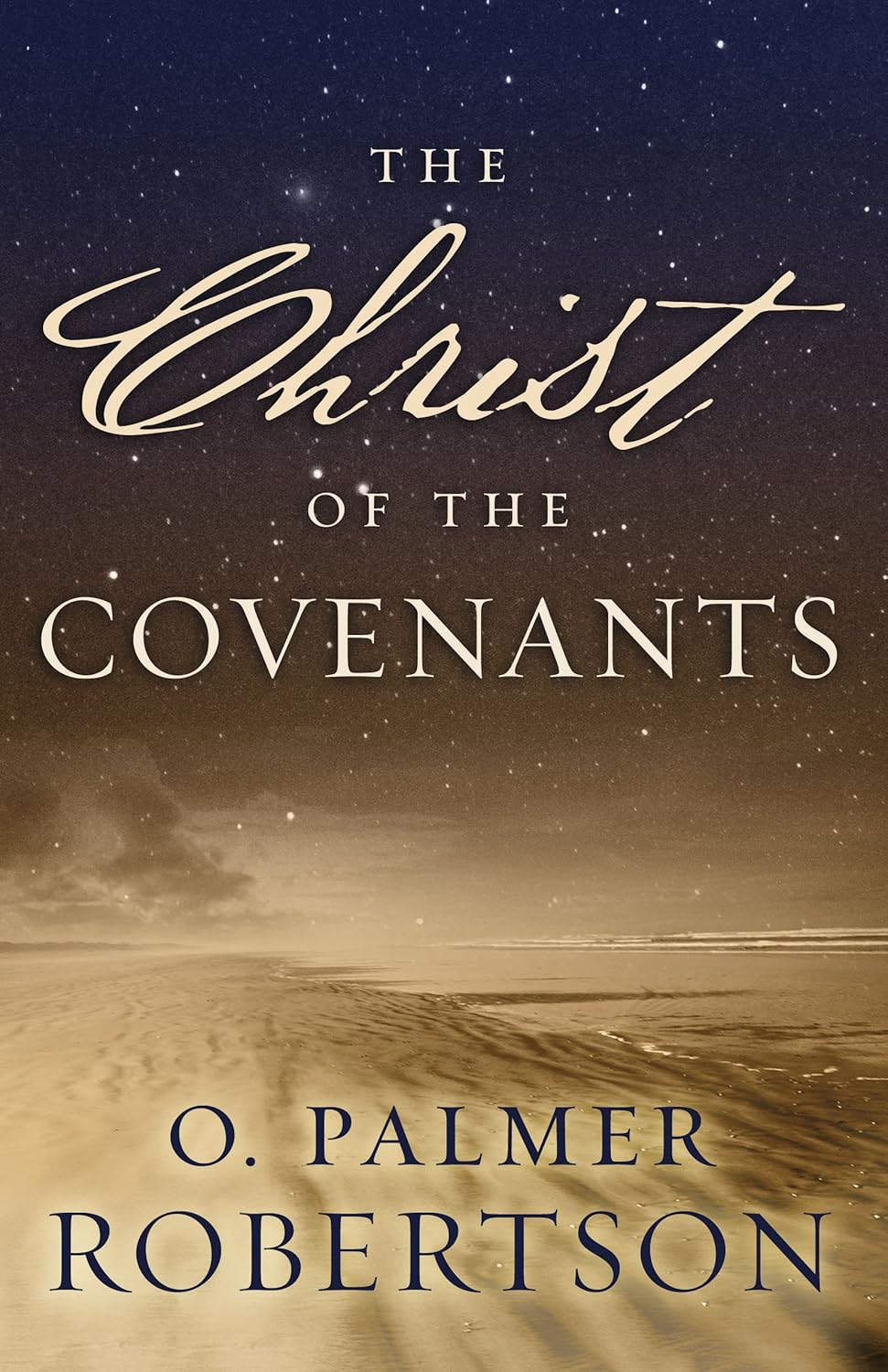
Christ of the Covenants
Explains the biblical covenants and how they reveal Christ and God's plan of redemption.
View on Amazon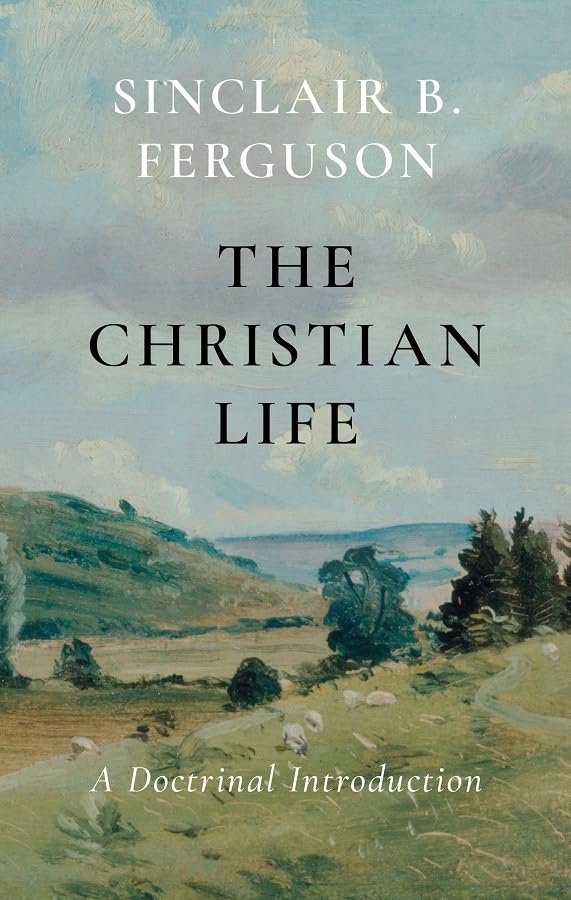
The Christian Life
A clear, doctrinally rich overview of salvation and Christian living.
View on Amazon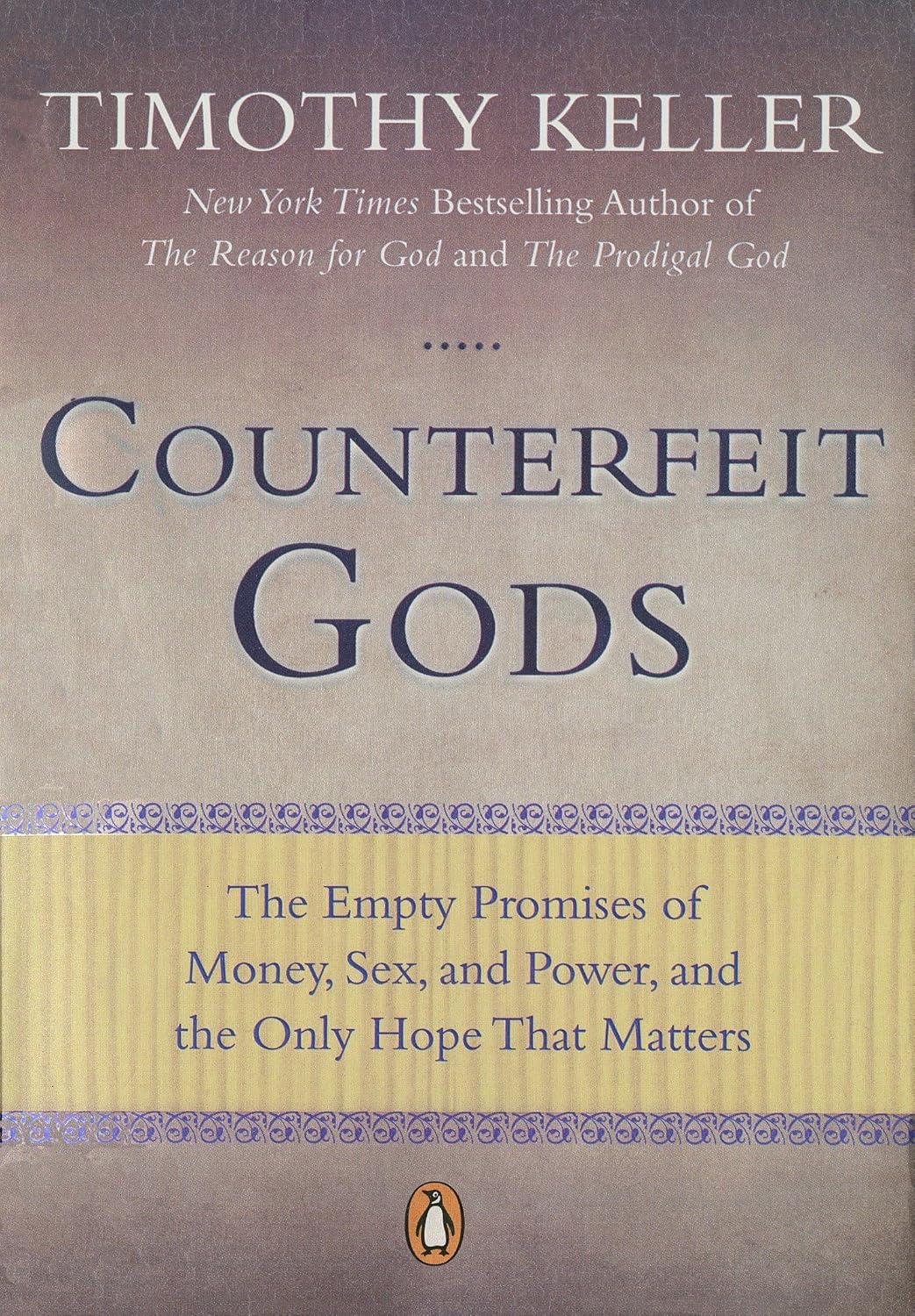
Counterfeit Gods
Exposes modern idols of the heart and points to Christ as our true treasure.
View on Amazon