This is a simplified version of the Bible story found in Genesis 29-30, written for children to understand. For the original version, please refer to the Bible passage.
Once upon a time, a man named Jacob was traveling to a faraway place when he saw a well with many sheep around it. Jacob asked the shepherds if they knew a man named Laban, and they said yes. Jacob was happy to hear this because Laban was his uncle, the brother of his mother, Rebekah. Soon after, Laban’s daughter Rachel came to the well with her sheep, and Jacob was immediately attracted to her. He rolled the stone from the well and watered the flock of Laban his mother’s brother. Jacob kissed Rachel and wept aloud. Jacob told Rachel that he was her father’s kinsman and Rebekah’s son, and she ran to tell her father.
Laban was happy to see Jacob and invited him to stay with him. Jacob told Laban that he wanted to marry Rachel, and Laban agreed to let Jacob marry her if he worked for him for seven years. Jacob worked hard for seven years and was excited to finally marry Rachel. But on his wedding day, Laban tricked Jacob and gave him Rachel’s older sister, Leah, instead. When Jacob discovered that he had been tricked, he was very upset. Laban explained that it was not the custom in their country to give the younger daughter in marriage before the older daughter, and that he could marry Rachel if he worked for him for seven more years. Jacob agreed, and he worked hard for another seven years until he was finally able to marry Rachel.
Jacob and his wives had many children. Leah was the first to have children and bore Jacob six sons: Reuben, Simeon, Levi, Judah, Issachar, and Zebulun. Leah also had one daughter named Dinah. Zilpah, Leah’s servant, also had two sons: Gad and Asher. Rachel was not able to have children for a long time, and she was very sad. She gave her servant Bilhah to Jacob as a wife, and Bilhah bore him two sons: Dan and Naphtali. Finally, God remembered Rachel, and she gave birth to two sons: Joseph and Benjamin.
As soon as Rachel had borne Joseph, Jacob told Laban that they’re going back to his country. They made an agreement that Jacob would take as his wages every speckled and spotted sheep and goat that was born among Laban’s flocks. Jacob knew that the strong animals would breed strong animals, and the weak animals would breed weak animals. So, Jacob came up with a plan to breed strong and healthy animals.
He took fresh sticks of poplar, almond, and plane trees and peeled white streaks in them. Then, he placed the sticks in front of the flocks in the watering troughs where the animals would drink. When the stronger animals came to drink, they would see the sticks and breed among them, producing strong, speckled and spotted offspring. This way, Jacob was able to increase his flock and Laban’s flock.
When Laban saw that Jacob’s flocks were prospering more than his own, he tried to cheat Jacob by removing all the speckled and spotted animals from his flock, but Jacob still managed to increase his flock by separating the stronger animals from the weaker ones.
After many years, Jacob became very wealthy. He had many flocks of sheep, goats, and camels. He also had many servants, both male and female. Laban’s family had become jealous of Jacob’s success, and Jacob decided to leave Laban’s place and return to his own country. Jacob talked to Rachel and Leah, and they agreed to leave with him.
Biblical Lessons
- God always keeps His promises, just as He promised to bless Jacob and his descendants.
- God is in control of all things, even when people try to deceive and manipulate each other.
- Honesty is important, and we should always try to do what is right and truthful, as Jacob did.
- God loves all of His children, even if they are not perfect, just as He blessed Leah even though she was not Jacob’s favorite wife.
- Family is important, and we should love and care for our families, just as Jacob loved and cared for his wives and children.
Related Stories
Must-Read Christian Books
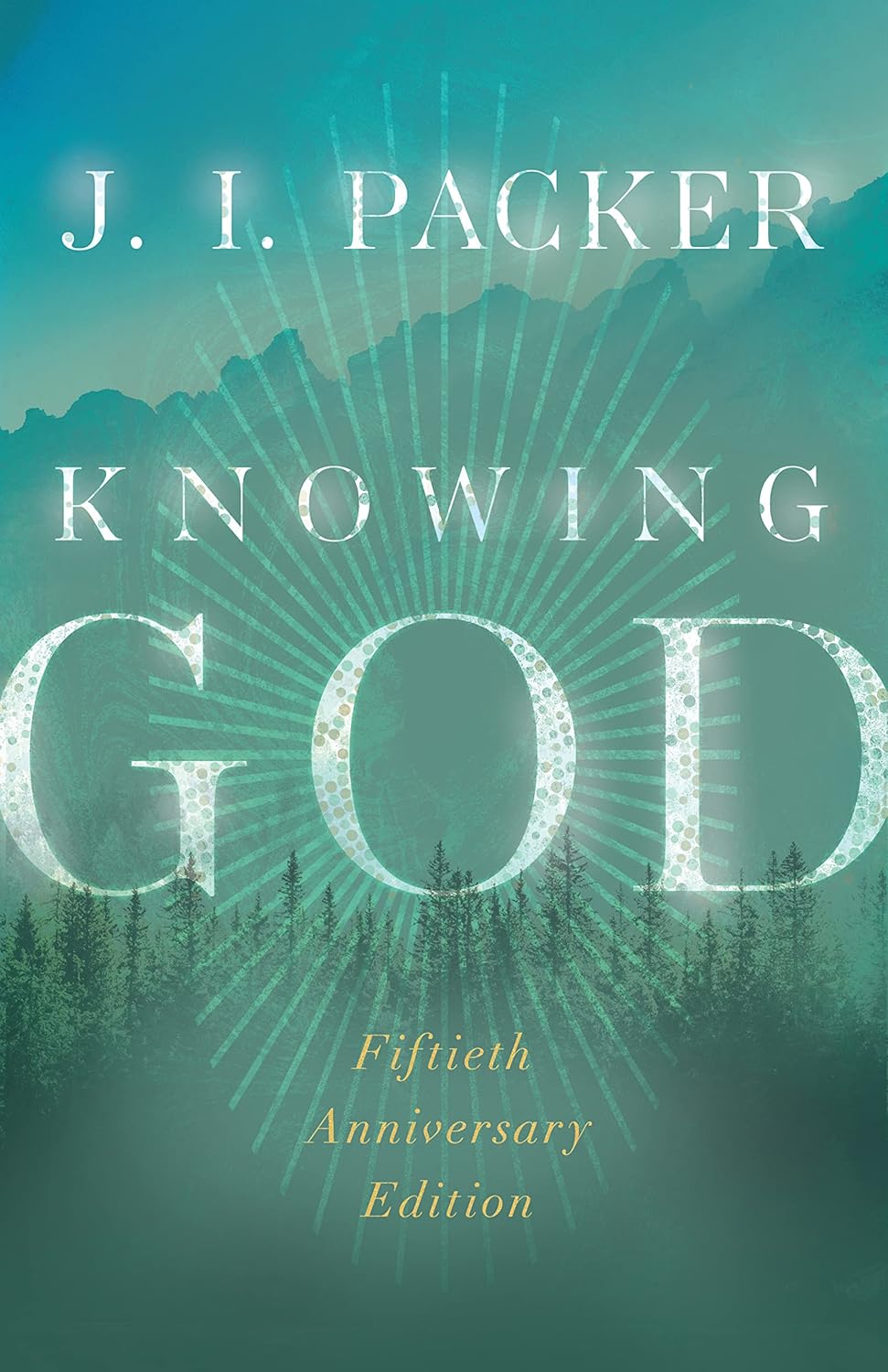
Knowing God
A classic that helps believers move from knowing about God to truly knowing Him in a personal and biblical way.
View on Amazon
Desiring God
Piper unpacks "Christian Hedonism": that God is most glorified in us when we are most satisfied in Him, grounded in Scripture.
View on Amazon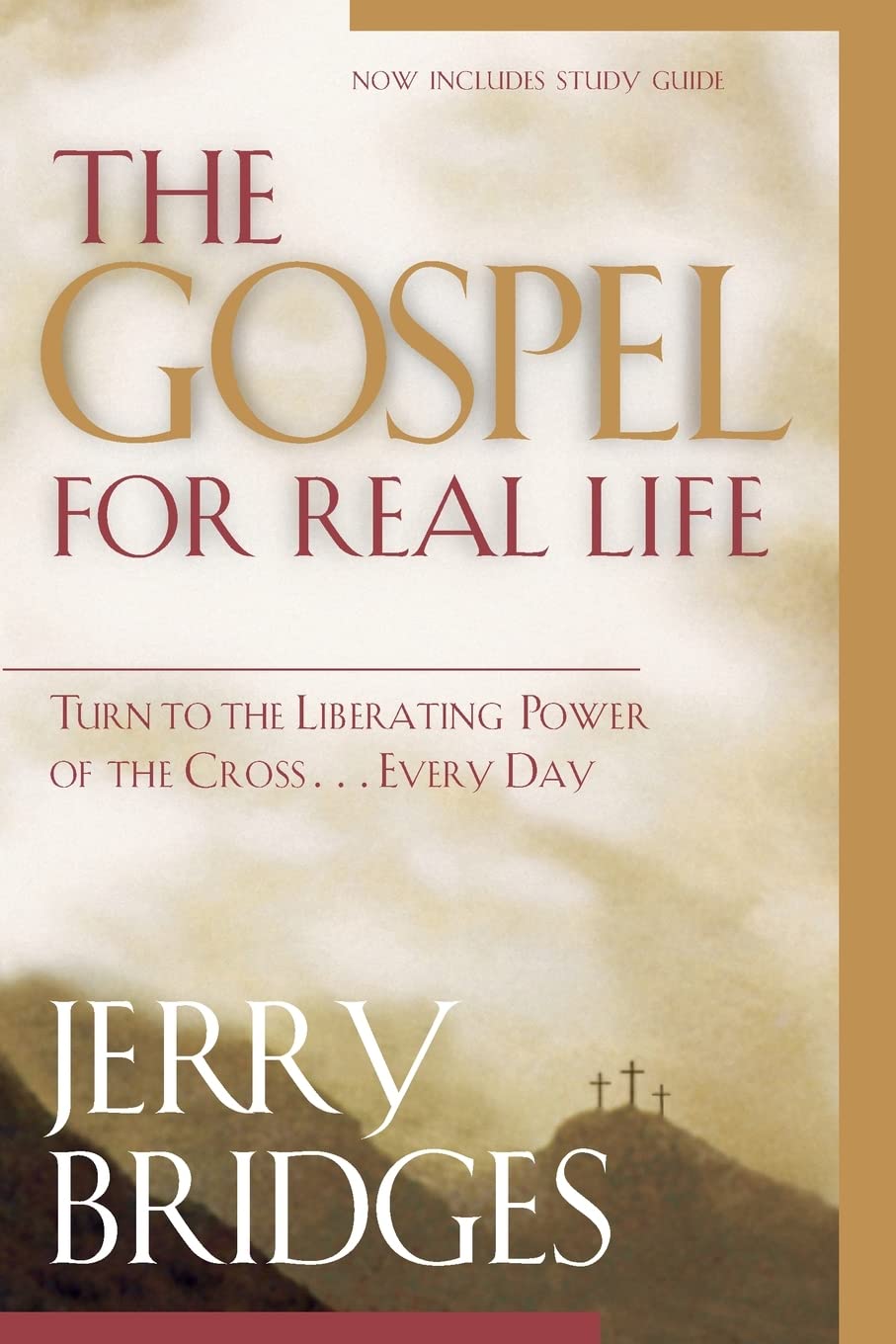
The Gospel for Real Life
Shows how the finished work of Christ applies to everyday struggles and assurance.
View on Amazon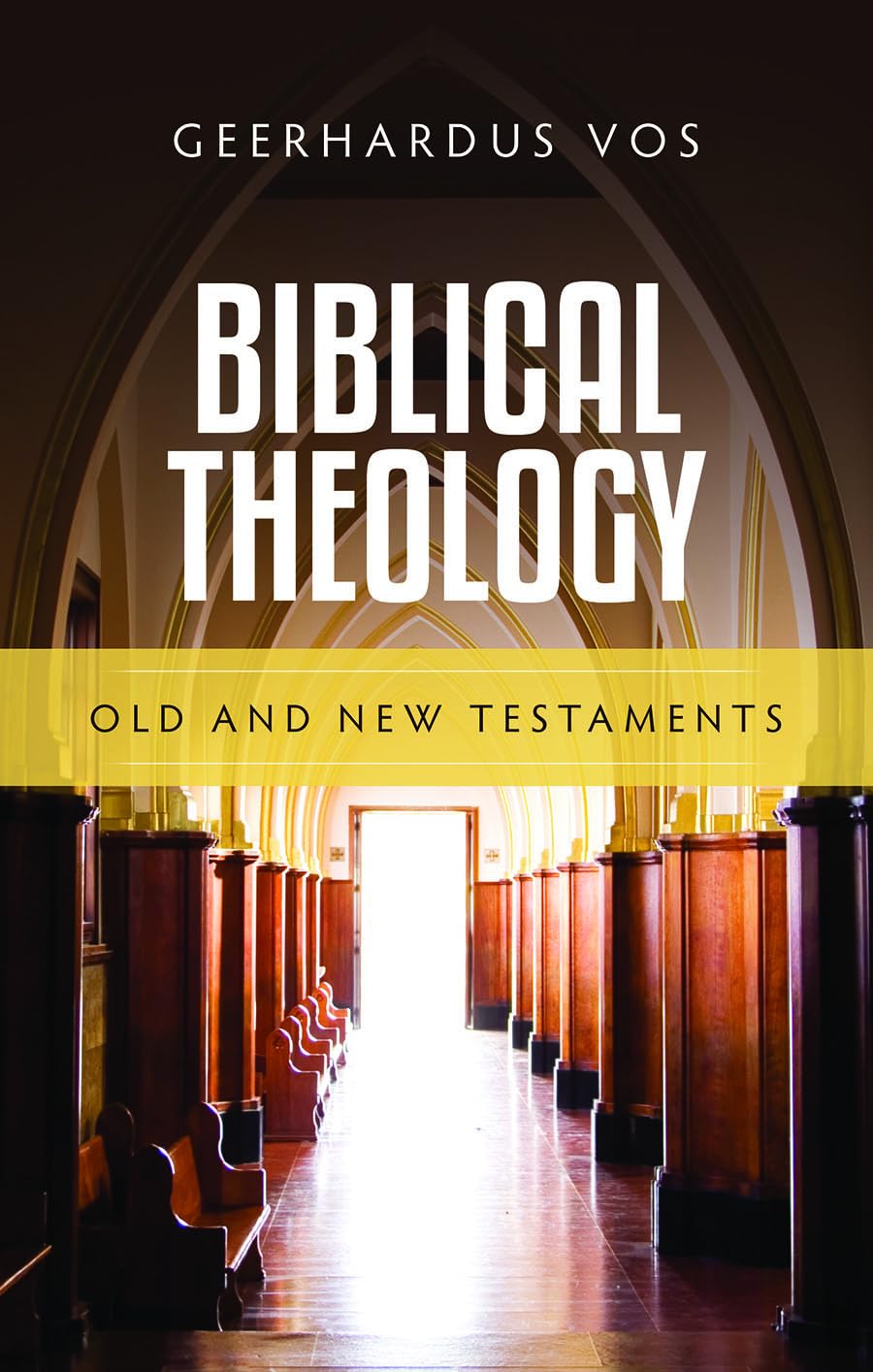
Biblical Theology
A classic work tracing the progressive revelation of God's redemptive plan in Scripture.
View on Amazon
The Bruised Reed
A tender Puritan work on Christ's gentleness toward weak and struggling believers.
View on Amazon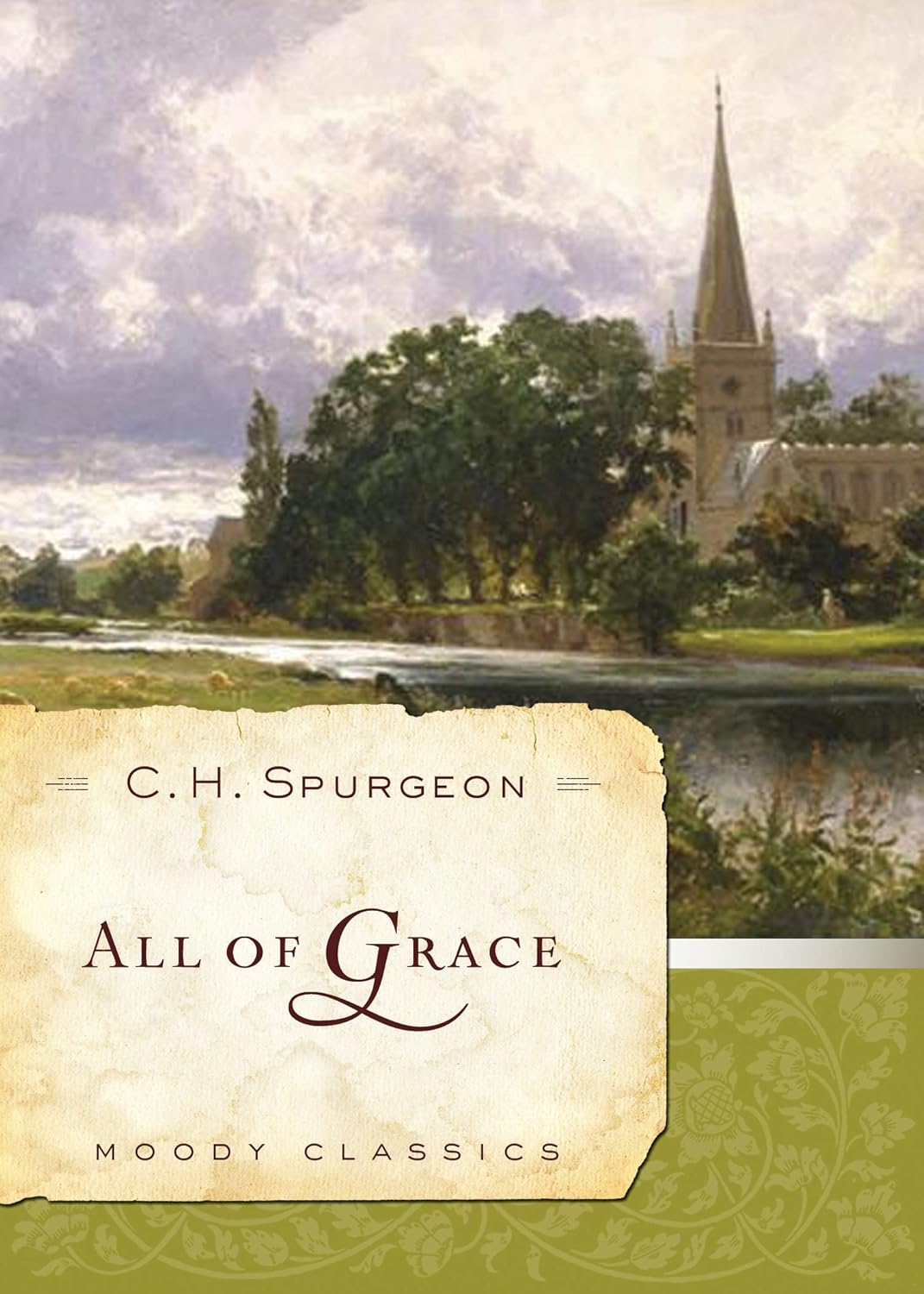
All of Grace
A simple, powerful explanation of salvation by grace through faith in Christ alone.
View on Amazon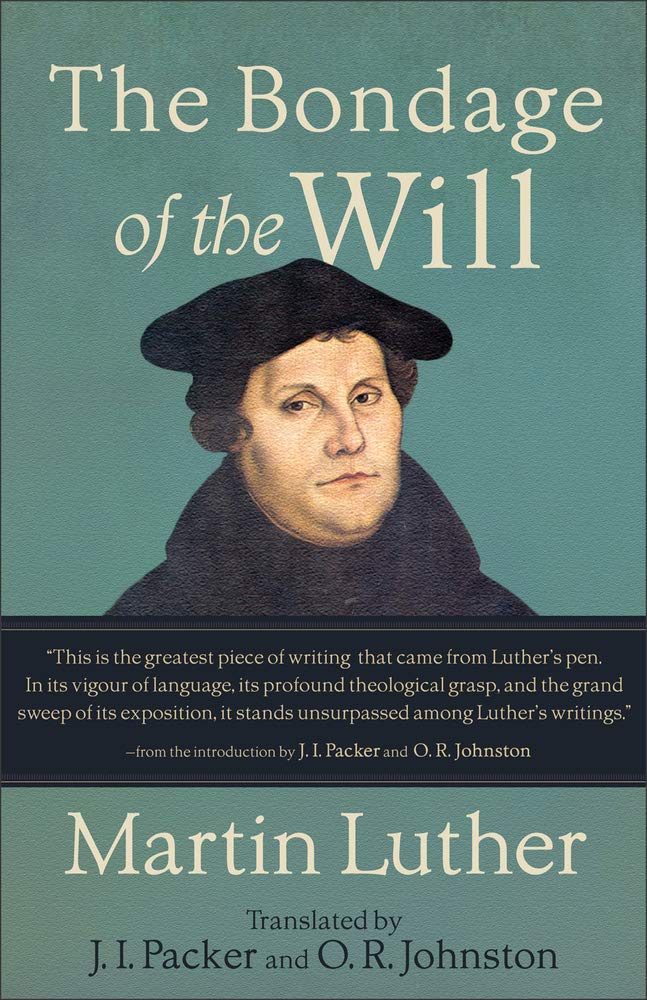
The Bondage of the Will
Luther's classic defense of the Bible's teaching on human sin and God's sovereign grace.
View on Amazon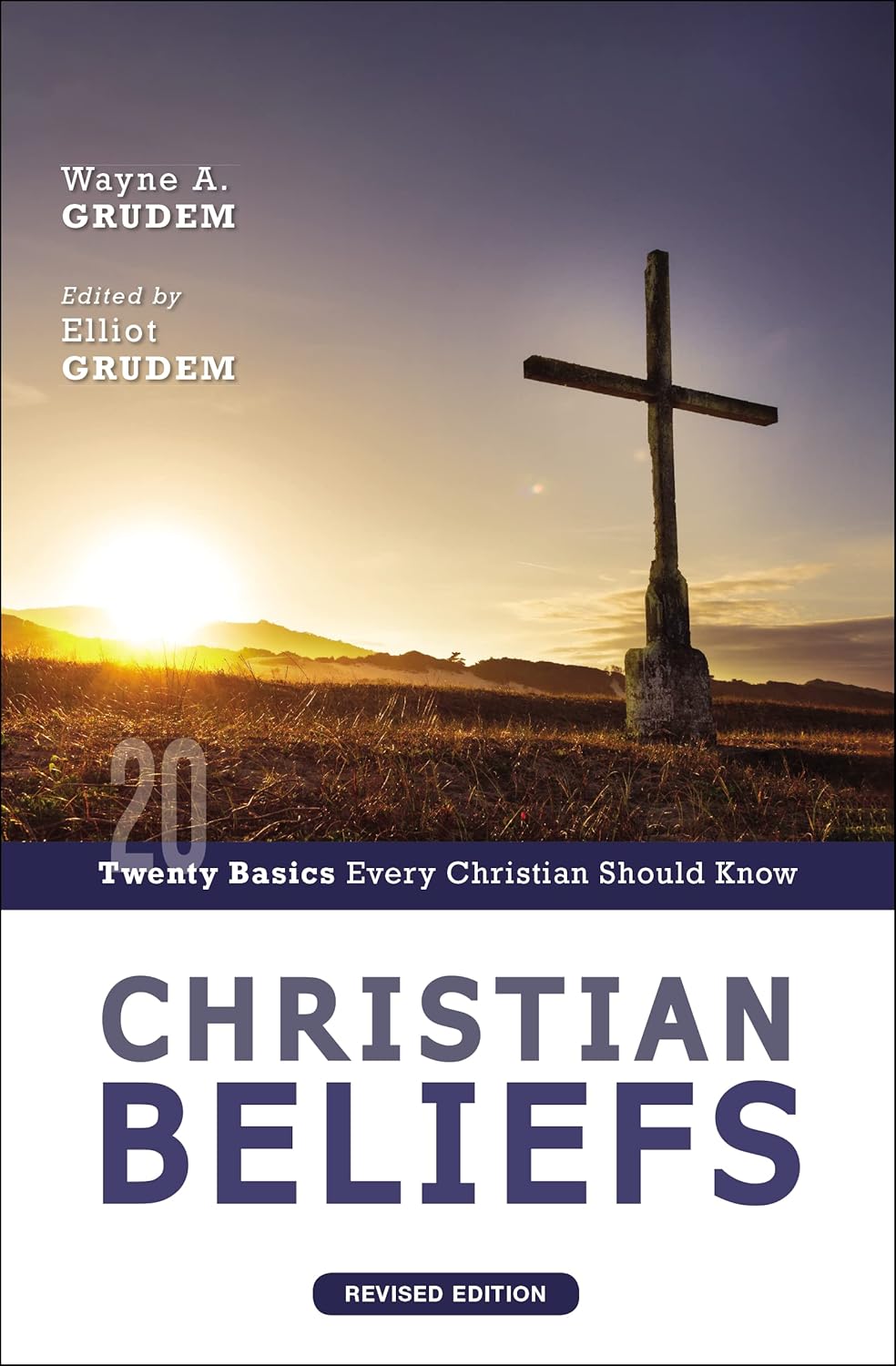
Christian Beliefs
A shorter, accessible overview of 20 basic Christian doctrines for everyday believers.
View on Amazon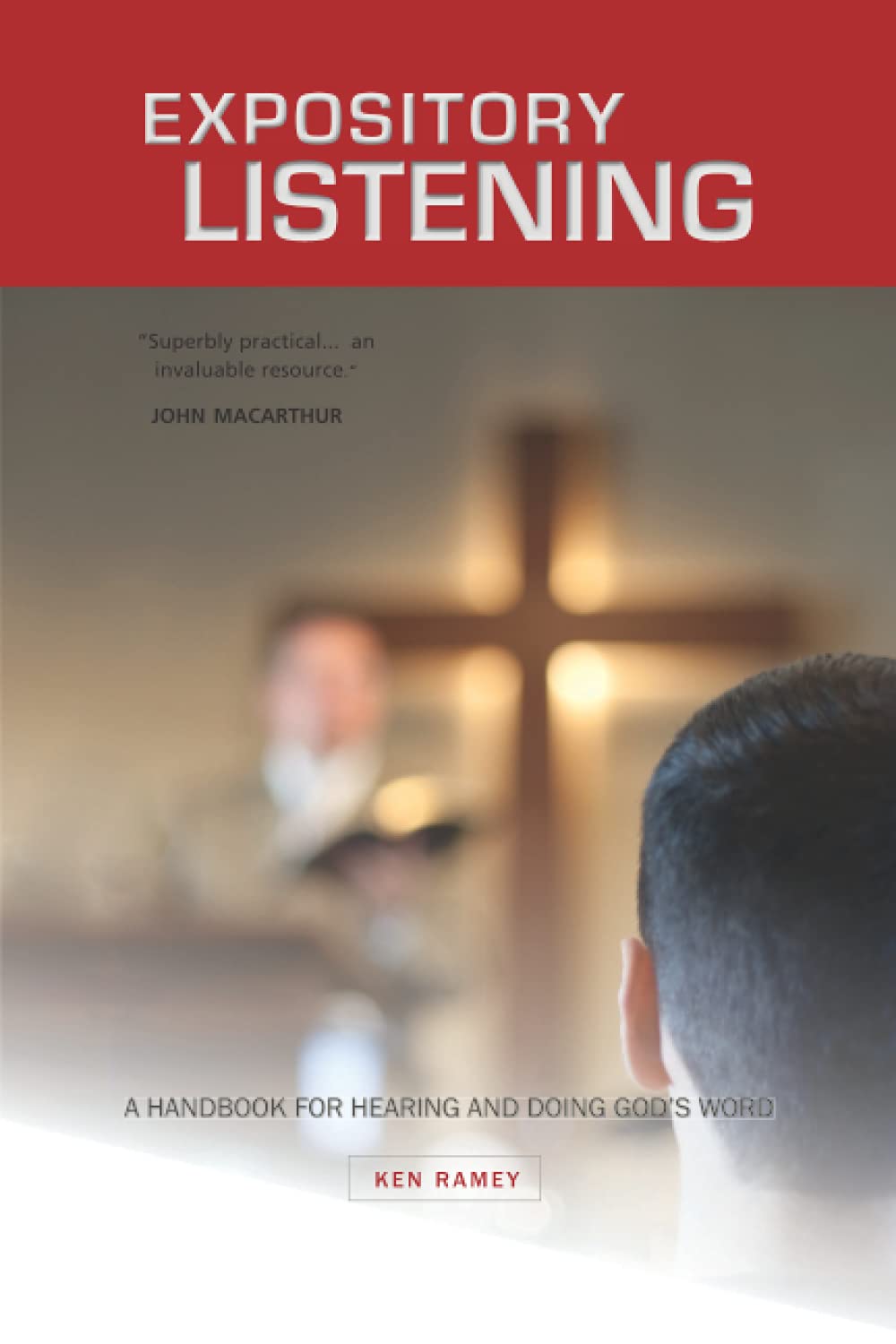
Expository Listening
Teaches Christians how to listen to expository preaching in a way that bears fruit.
View on Amazon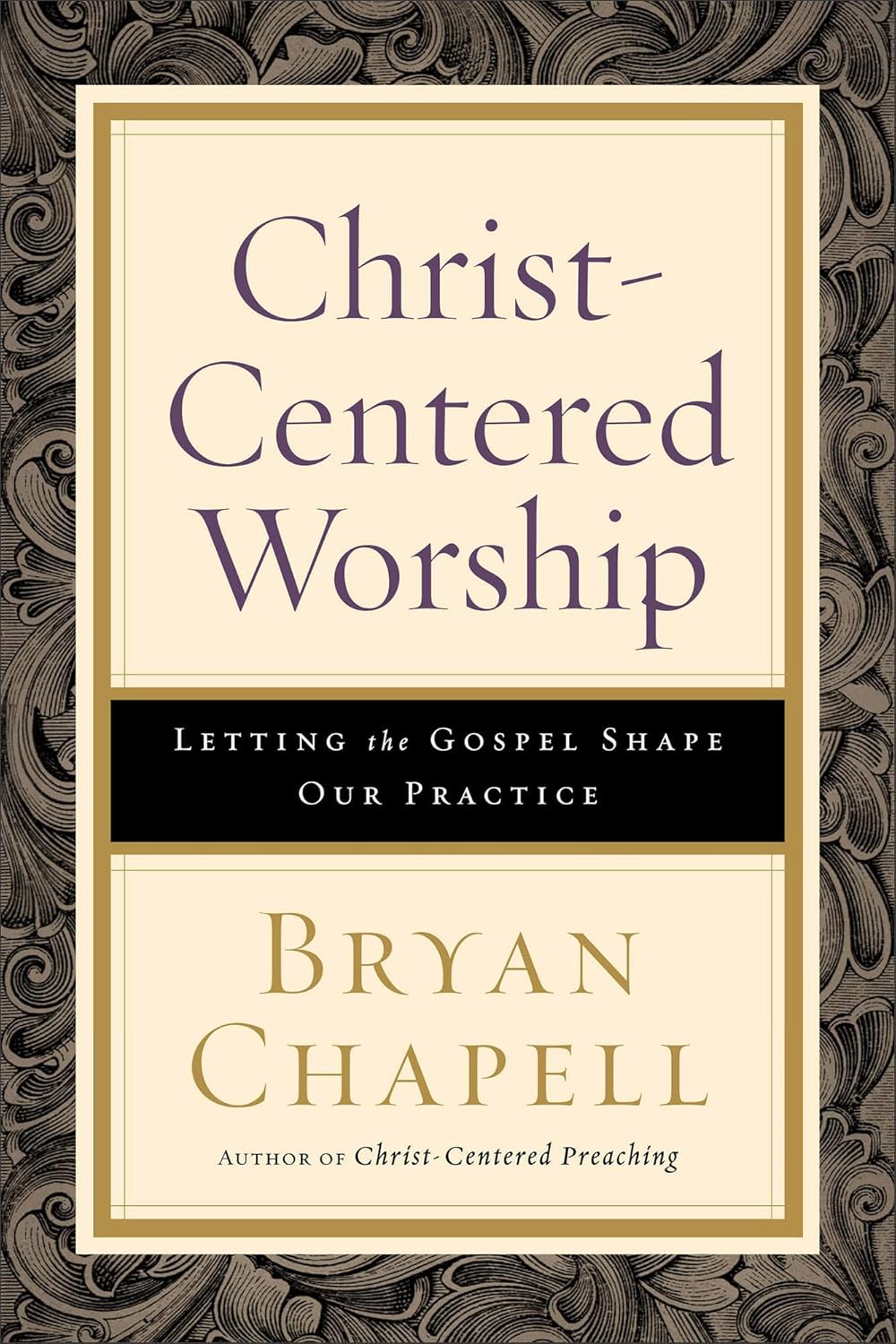
Christ-Centered Worship
Traces historic worship patterns and shows how to shape Christ-focused services today.
View on Amazon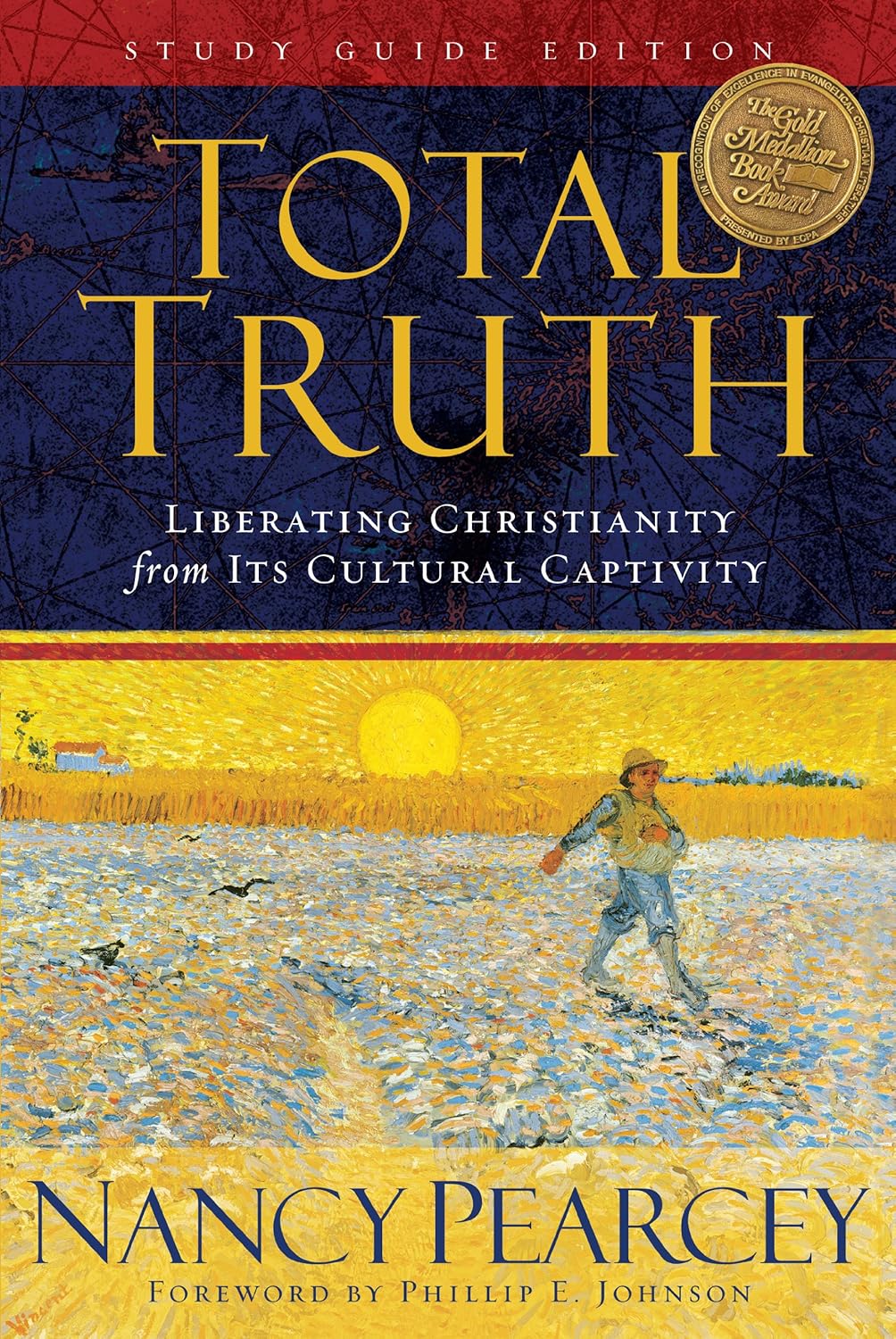
Total Truth
Equips believers to see all of life through a biblical worldview and challenge secular thinking.
View on Amazon
The Universe Next Door
Surveys competing worldviews and contrasts them with the Christian view of reality.
View on Amazon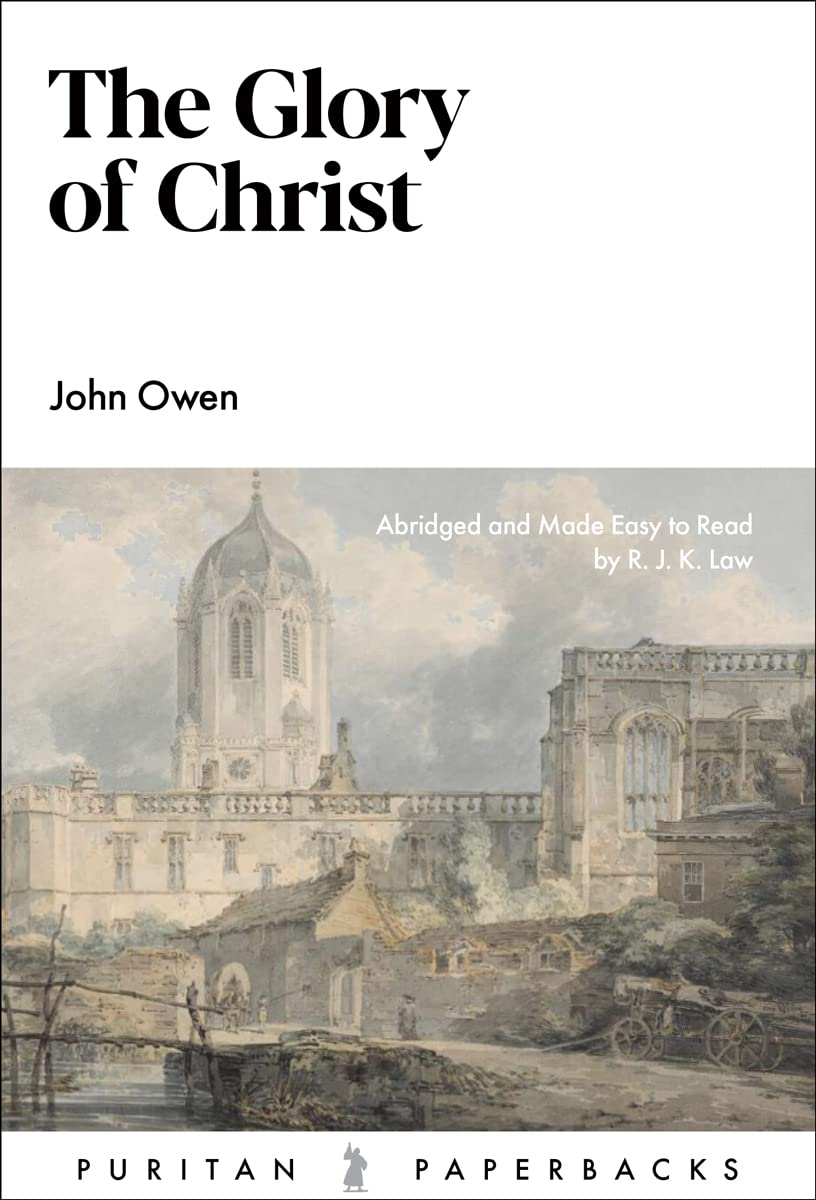
The Glory of Christ
Calls believers to behold the glory of Christ as the great means of transformation.
View on Amazon

The Gospel and Personal Evangelism
Encourages and equips Christians to share the gospel faithfully and simply.
View on Amazon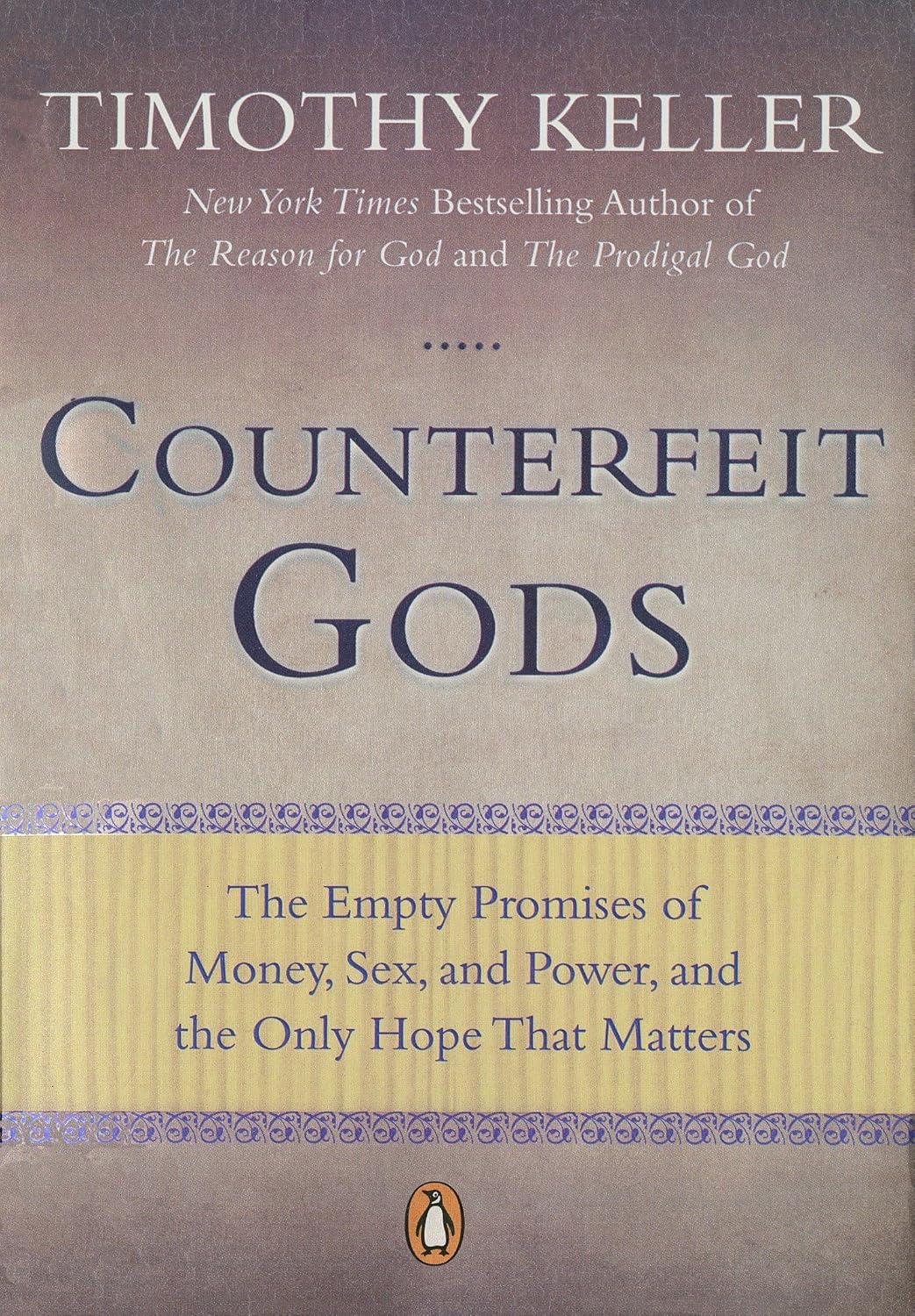
Counterfeit Gods
Exposes modern idols of the heart and points to Christ as our true treasure.
View on Amazon
Family Worship
A short, practical guide to leading your home in daily worship of God.
View on Amazon