
“Then the kingdom of heaven will be comparable to ten virgins, who took their lamps and went out to meet the bridegroom. Five of them were foolish, and five were prudent. For when the foolish took their lamps, they took no oil with them, but the prudent took oil in flasks along with their lamps. Now while the bridegroom was delaying, they all got drowsy and began to sleep. But at midnight there was a shout, ‘Behold, the bridegroom! Come out to meet him.’ Then all those virgins rose and trimmed their lamps. The foolish said to the prudent, ‘Give us some of your oil, for our lamps are going out.’ But the prudent answered, ‘No, there will not be enough for us and you too; go instead to the dealers and buy some for yourselves.’ And while they were going away to make the purchase, the bridegroom came, and those who were ready went in with him to the wedding feast; and the door was shut. Later the other virgins also came, saying, ‘Lord, lord, open up for us.’ But he answered, ‘Truly I say to you, I do not know you.’ Be on the alert then, for you do not know the day nor the hour.
(Matthew 25:1–13, NASB)
Context of the Parable of the Ten Virgins
The Parable of the Ten Virgins, as recorded in Matthew 25:1–13, is a story told by Jesus Christ to illustrate the importance of being ready for His return. The bridegroom in this parable is Jesus Christ, and the Church is portrayed as the bride of Christ. In a first-century Jewish wedding, the bridegroom and his close friends would leave his home to go to the bride’s home, where various ceremonies would take place. Then, at nightfall, a procession through the streets would take place, in which everyone in the procession was expected to carry his or her own torch. The ten virgins in the parable may have been bridesmaids who had been assisting the bride, and they expected to meet the groom as he came from the bride’s house.
Meaning of the Parable of the Ten Virgins
The main message of the Parable of the Ten Virgins is that Jesus Christ will return at an unknown hour, and His people must be ready for His coming. This means preparing for any contingency in our lives and keeping our eyes fixed on Jesus at all times while eagerly awaiting His return. Whether we are working, eating, sleeping, or pursuing leisure activities, we must be doing it in such a way that we don’t have to “make things right” when He comes.
Lessons from the Parable of the Ten Virgins
- To be ready for Jesus Christ’s return, we must be born again through saving faith in Jesus Christ, which involves belief in His death, burial, and resurrection.
- Saving faith in Jesus Christ will manifest itself in our lives through the fruit of the Spirit, a desire for greater holiness, and a consistent looking for His coming.
- The five virgins with the extra oil represent those who are truly born again and eagerly awaiting Jesus’ return. They have saving faith and are determined to be ready for His return, no matter how long it takes or what adverse circumstances they may face.
- The five virgins without the oil represent false believers who enjoy the benefits of the Christian community without true love for Christ. They are more concerned about the party than about longing to see the bridegroom, and their hope is that their association with true believers will bring them into the kingdom at the end.
- To avoid being found “going away to make the purchase” when Jesus returns, we should take the time now to fill our lamp with oil and keep waiting and watching with joy and anticipation.
Frequently Asked Questions
What is the significance of the oil in the Parable of the Ten Virgins?
The oil in the Parable of the Ten Virgins represents the Holy Spirit, who is the source of our spiritual light and power. The five virgins with the extra oil are those who have the Holy Spirit, who is the seal of their salvation and the guarantee of their future glory.
What does it mean to be ready for Jesus’ return?
Being ready for Jesus’ return means having a saving faith in Jesus Christ, living a life that is characterized by the fruit of the Spirit, and eagerly awaiting His return. It means being prepared for whatever contingency arises in our lives and keeping our eyes fixed on Jesus at all times.
Who are the ten virgins in the Parable of the Ten Virgins?
The ten virgins in the Parable of the Ten Virgins are likely bridesmaids who were assisting the bride and expected to meet the groom as he came from the bride’s house. They represent both true and false believers, with the five virgins who have the extra oil representing true believers who are eagerly awaiting Jesus’ return and the five virgins without the oil representing false believers who are more concerned about the party than about longing to see the bridegroom.
What is the significance of the five virgins being asleep when the call came?
The fact that all the virgins were sleeping when the call came indicates that it doesn’t matter what we are doing when Jesus returns. We may be working, eating, sleeping, or pursuing leisure activities, but we must be doing it in such a way that we don’t have to “make things right” (get more oil) when He comes. This underscores the importance of being ready for Jesus’ return at all times, no matter what we are doing.
What does it mean to be born again through saving faith in Jesus Christ?
Being born again through saving faith in Jesus Christ means accepting Jesus as Lord and Savior, believing in His death, burial, and resurrection, and committing to follow Him in obedience. It means surrendering our lives to Him and allowing Him to transform us from the inside out through the power of the Holy Spirit.
Related Parables:
- The Parable of the Sower (Matthew 13:1–23)
- The Parable of the Talents (Matthew 25:14–30)
- The Parable of the Lost Sheep (Matthew 18:12–14)
- The Parable of the Good Samaritan (Luke 10:25–37)
- The Parable of the Prodigal Son (Luke 15:11–32)
Must-Read Christian Books

The Pursuit of God
A heartfelt call to pursue God Himself above all else, with a strong emphasis on holiness and devotion.
View on Amazon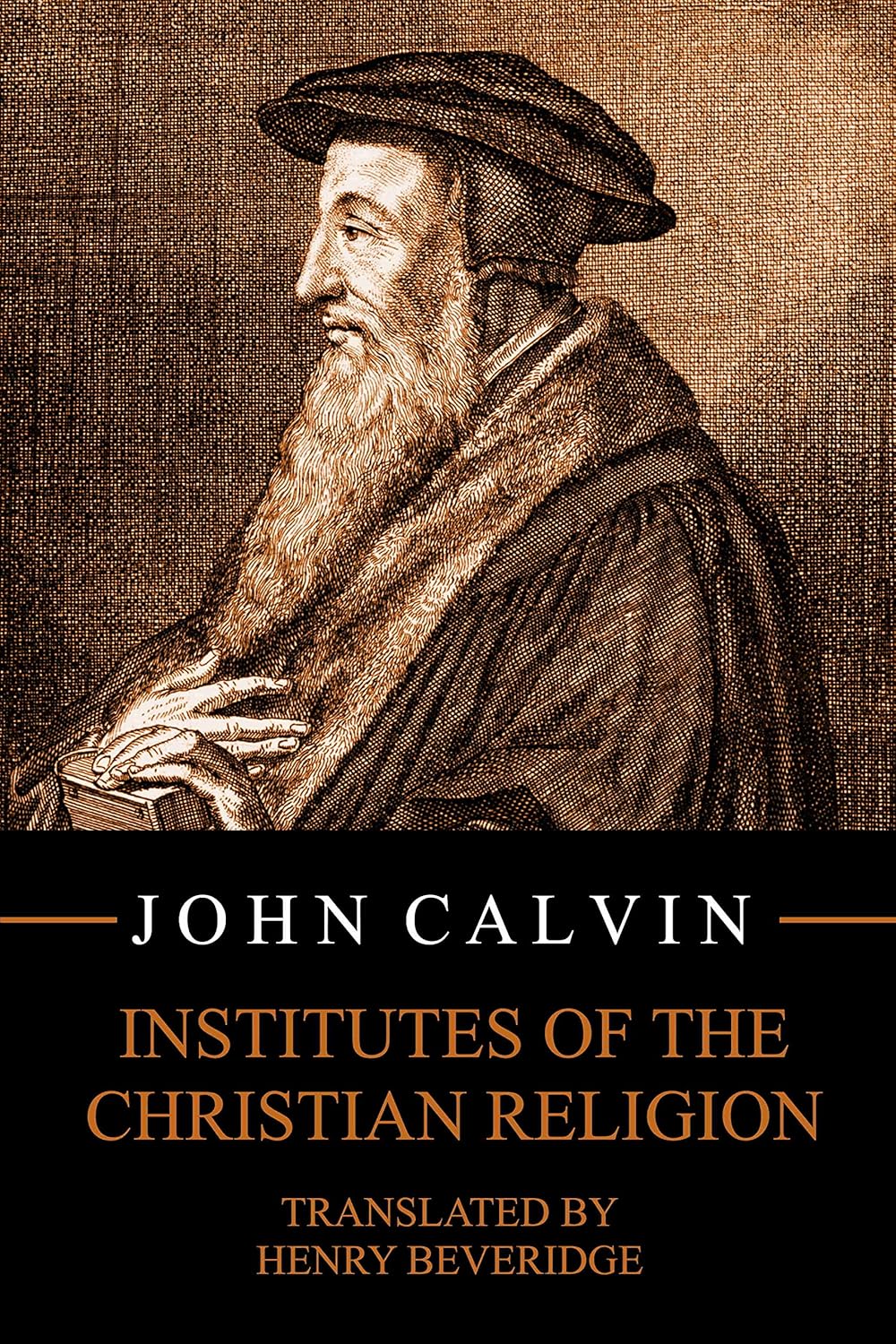
Institutes of the Christian Religion
A classic work of Reformed theology in an accessible form, laying out Christian doctrine with deep biblical roots.
View on Amazon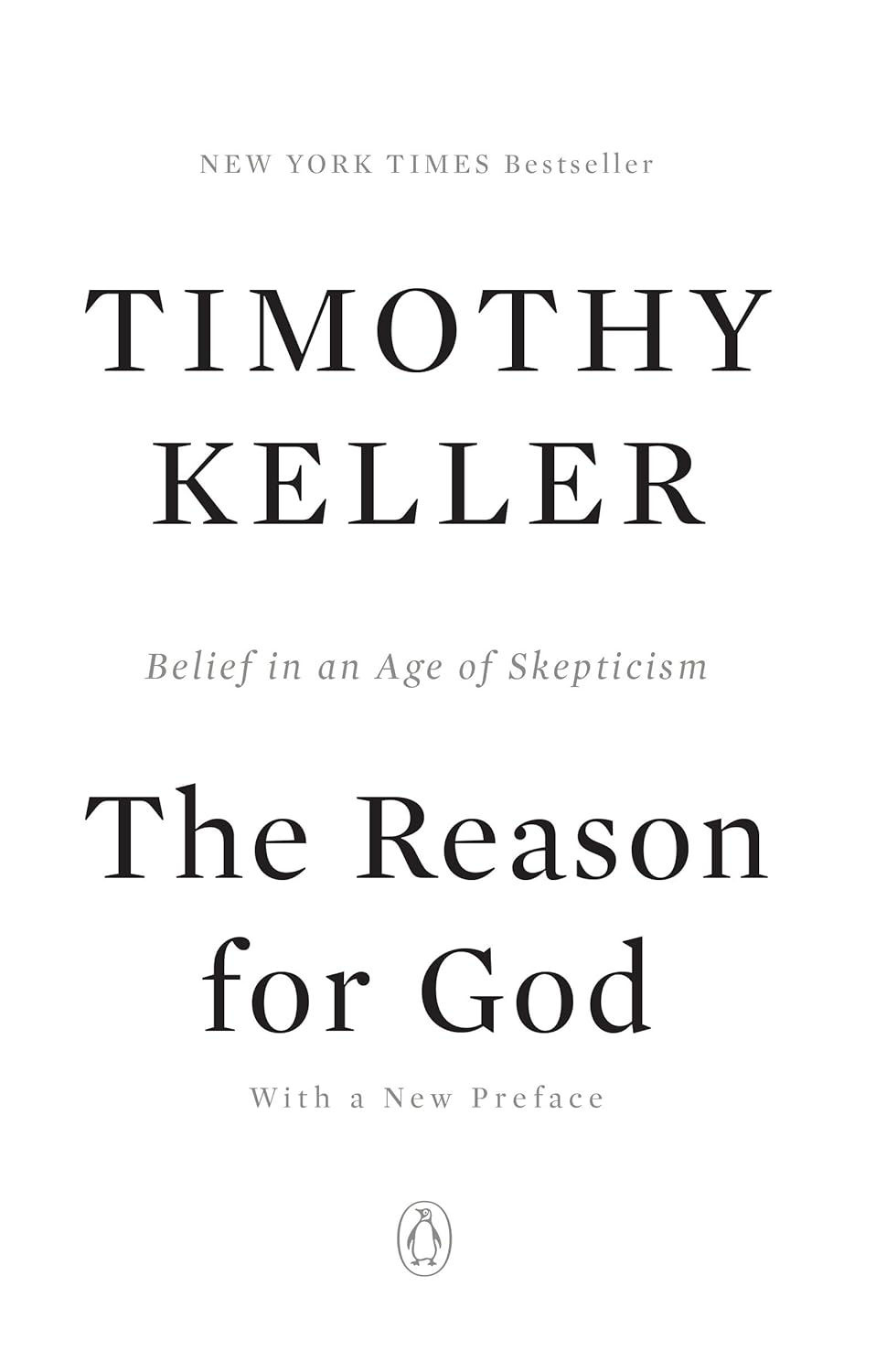
The Reason for God
Thoughtful, biblical responses to common objections to Christianity, aimed at skeptics and believers alike.
View on Amazon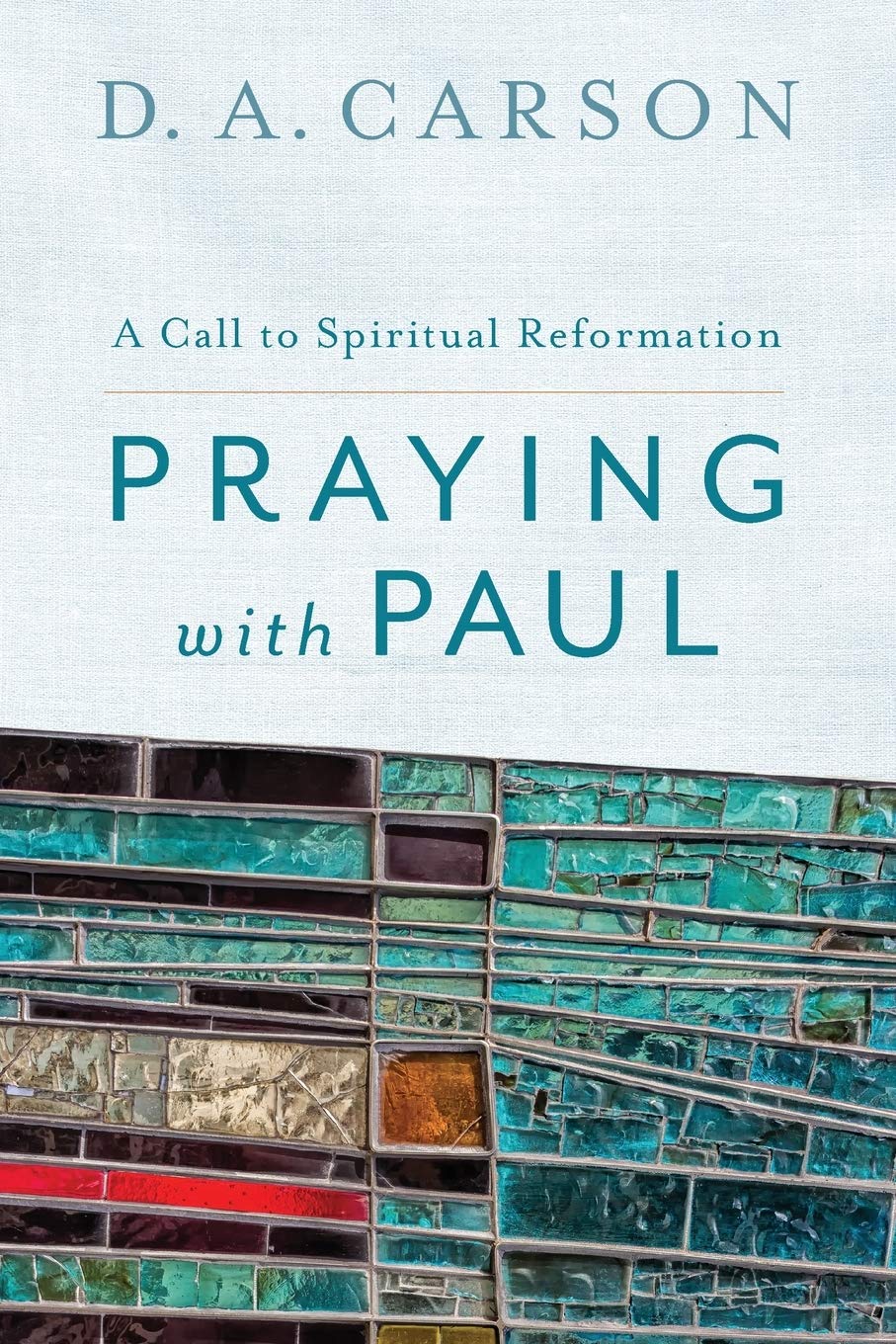
A Call to Spiritual Reformation
Walks through Paul's prayers to teach believers how to pray biblically and God-centeredly.
View on Amazon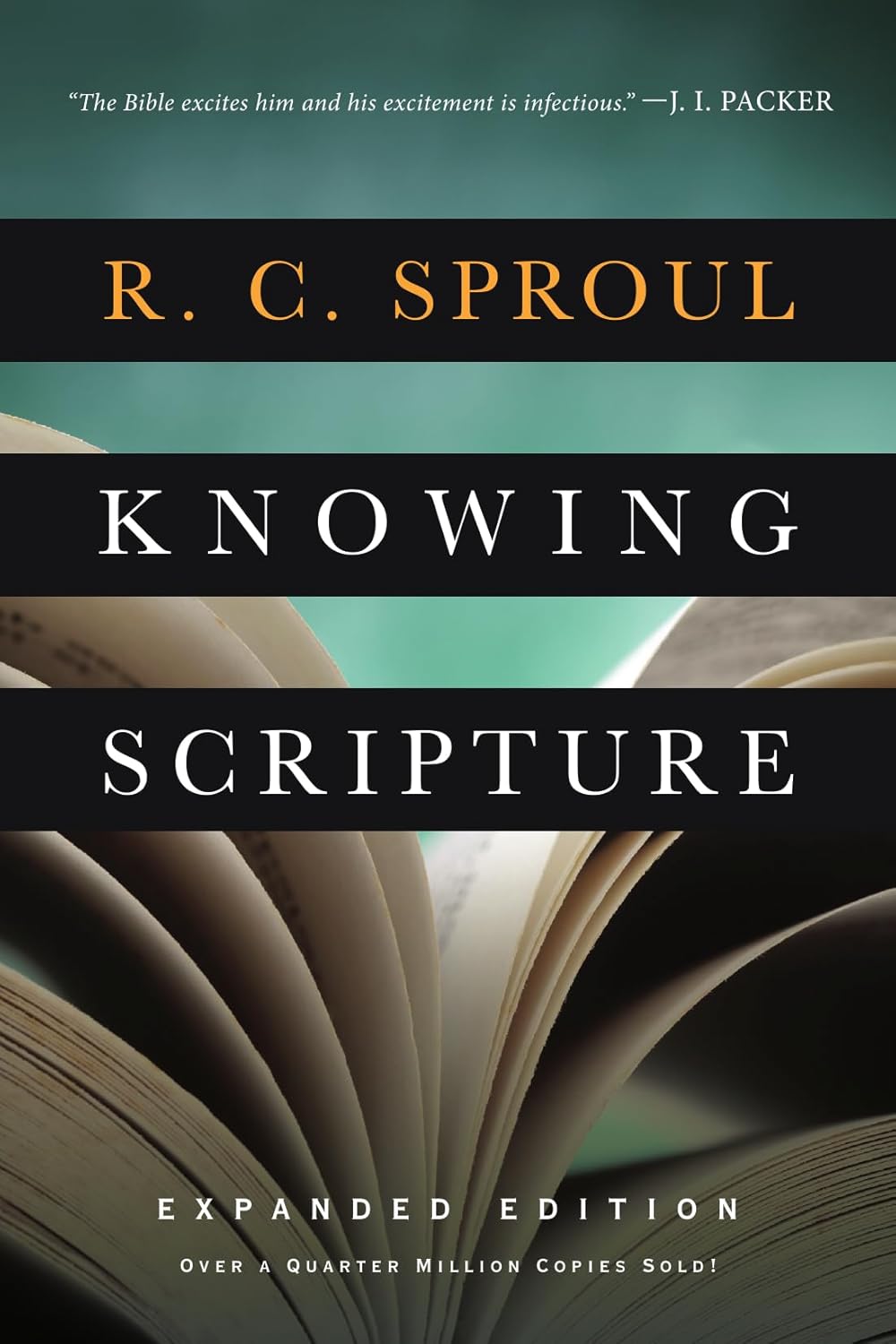
Knowing Scripture
Teaches how to interpret the Bible rightly, emphasizing its clarity and our responsibility to study it.
View on Amazon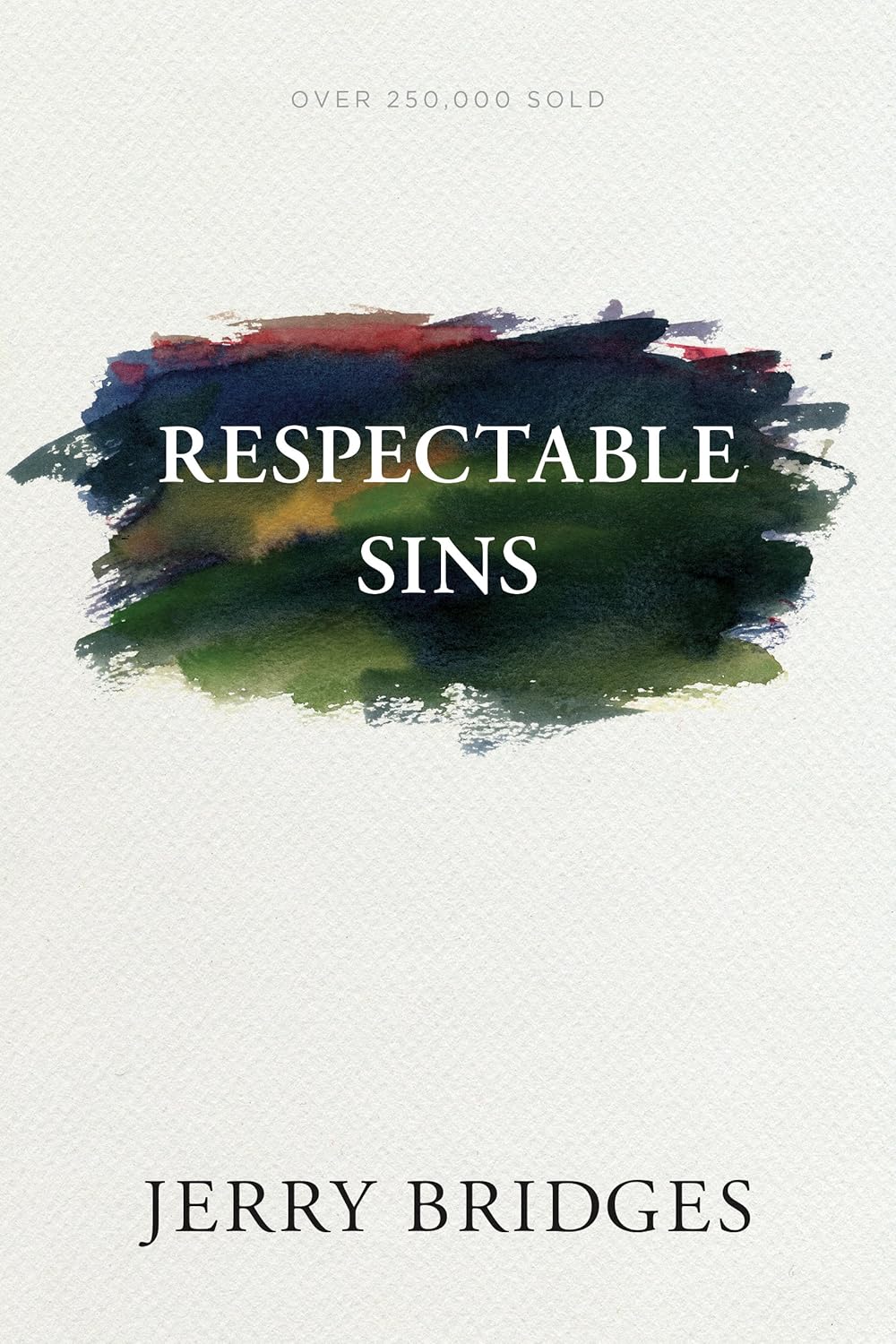
Respectable Sins
Exposes the "ordinary" sins Christians often tolerate and calls us to gospel-driven holiness.
View on Amazon
Let the Nations Be Glad!
Missions-focused theology showing that worship is the goal of evangelism to the nations.
View on Amazon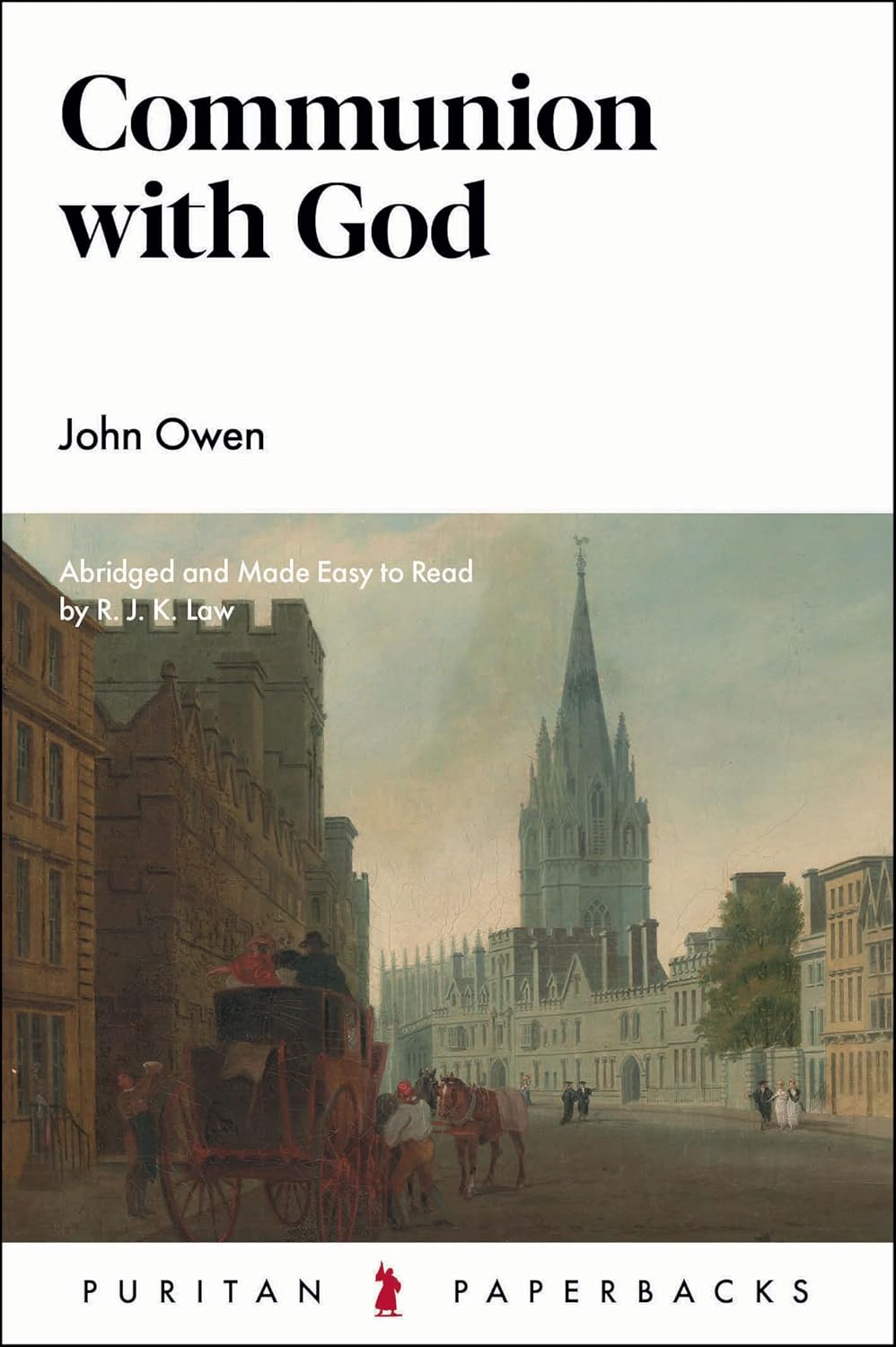
Communion with God
Explores how believers enjoy distinct fellowship with the Father, Son, and Holy Spirit.
View on Amazon
Spiritual Leadership
Biblical principles for godly leadership in the church, home, and workplace.
View on Amazon
The Bruised Reed
A tender Puritan work on Christ's gentleness toward weak and struggling believers.
View on Amazon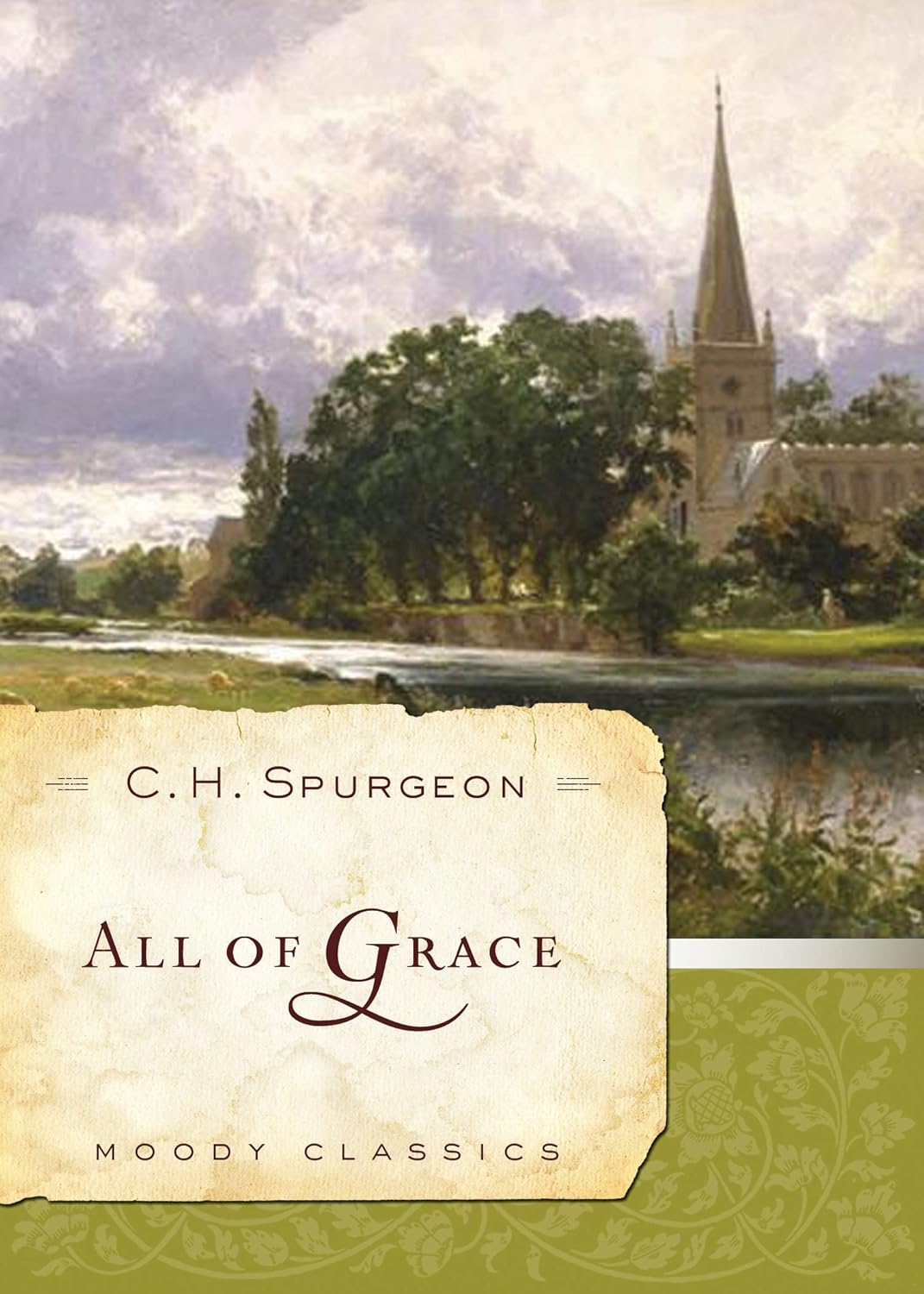
All of Grace
A simple, powerful explanation of salvation by grace through faith in Christ alone.
View on Amazon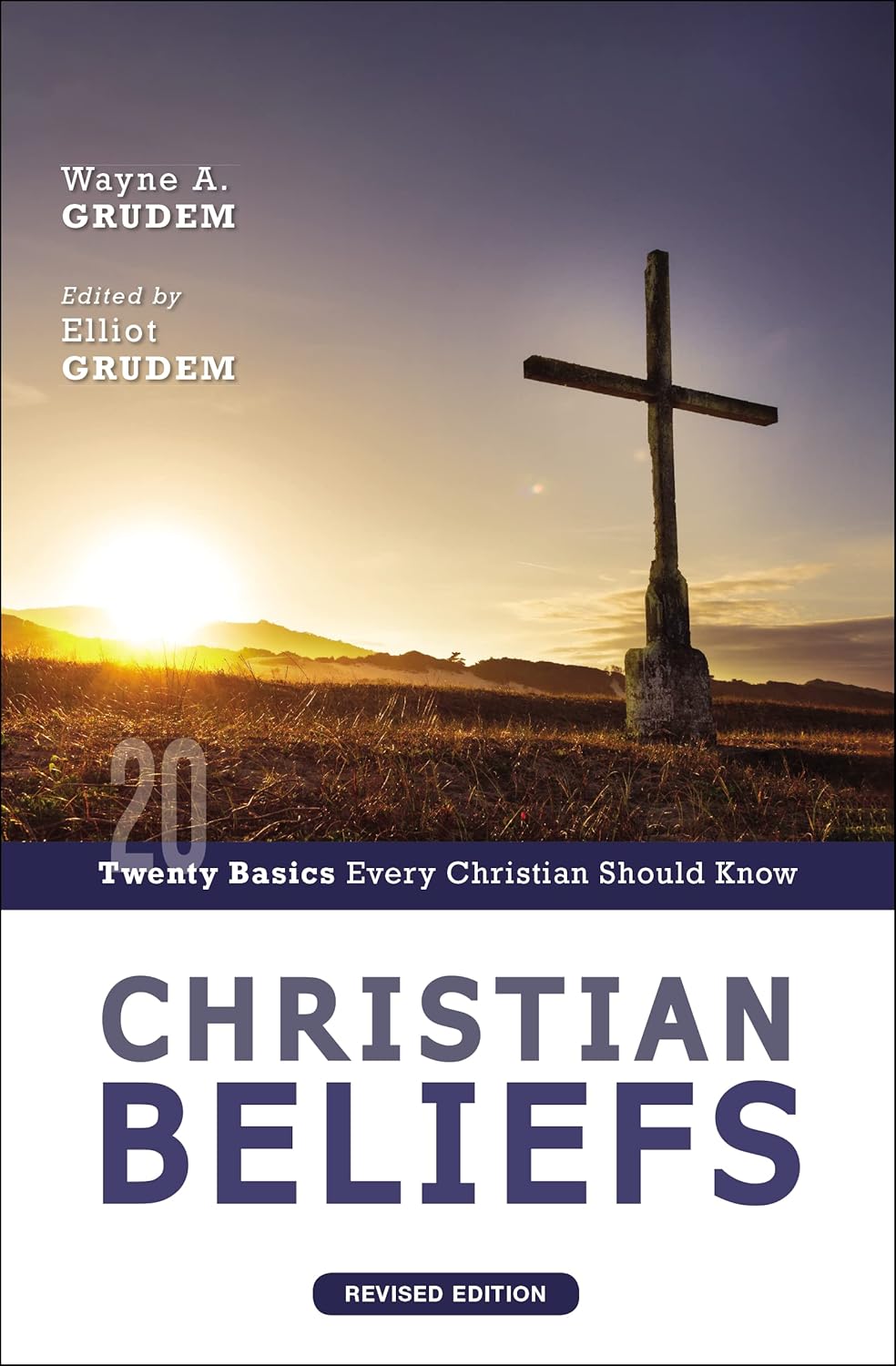
Christian Beliefs
A shorter, accessible overview of 20 basic Christian doctrines for everyday believers.
View on Amazon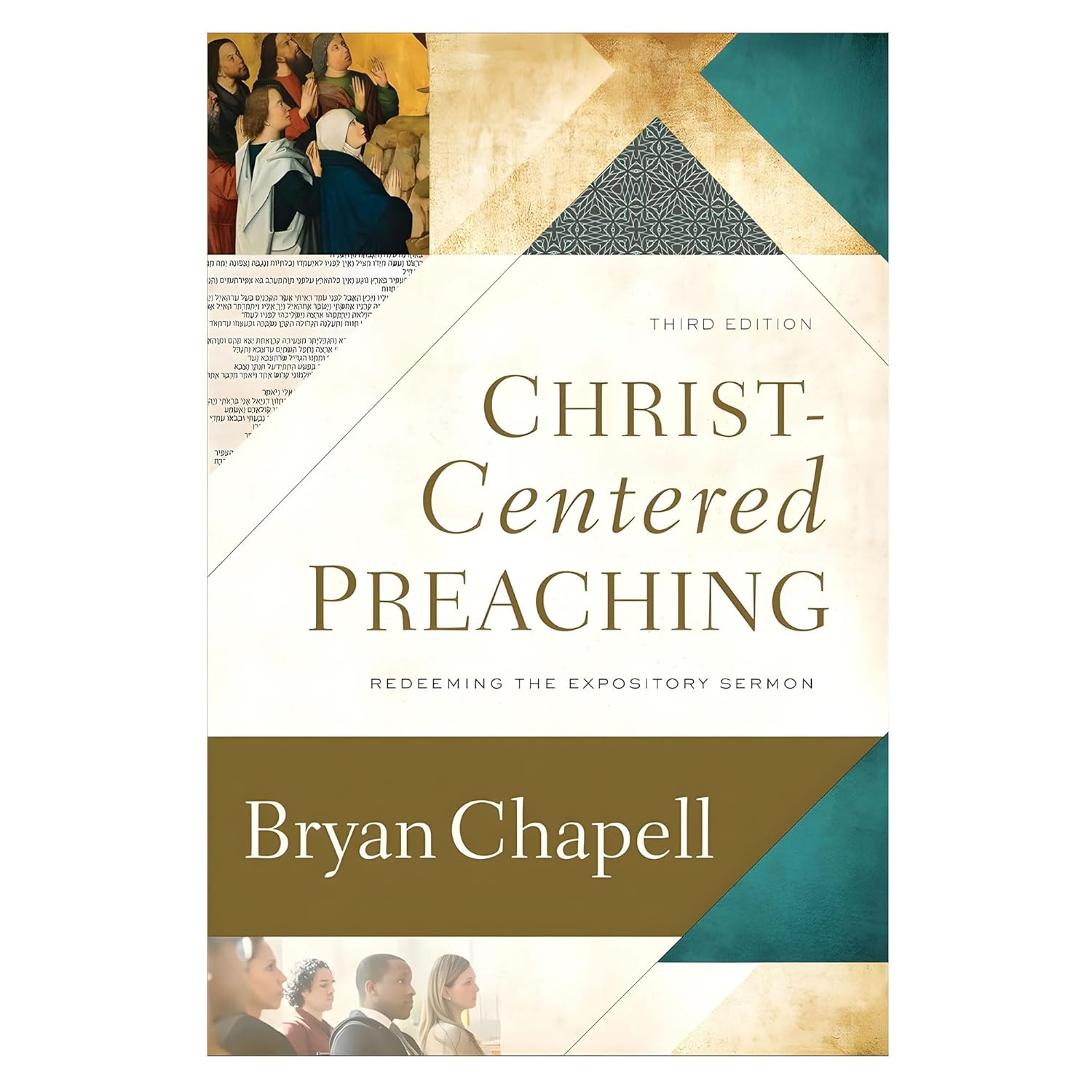
Christ-Centered Preaching
A standard textbook on preaching that shows how to proclaim Christ from all of Scripture.
View on Amazon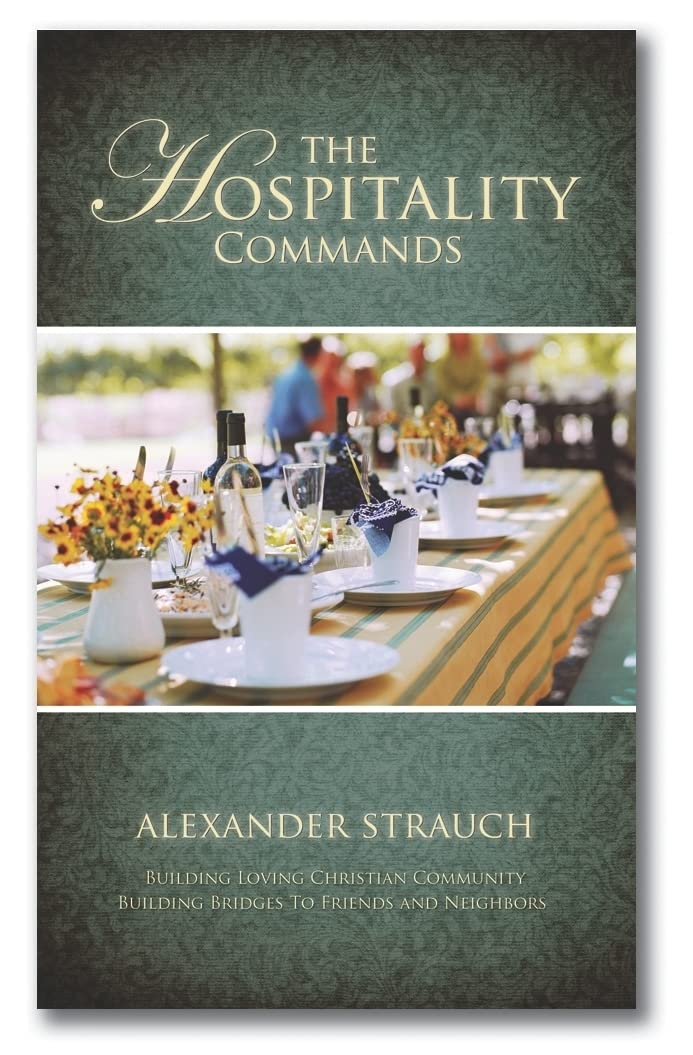
The Hospitality Commands
Shows from Scripture how vital hospitality is to Christian obedience and fellowship.
View on Amazon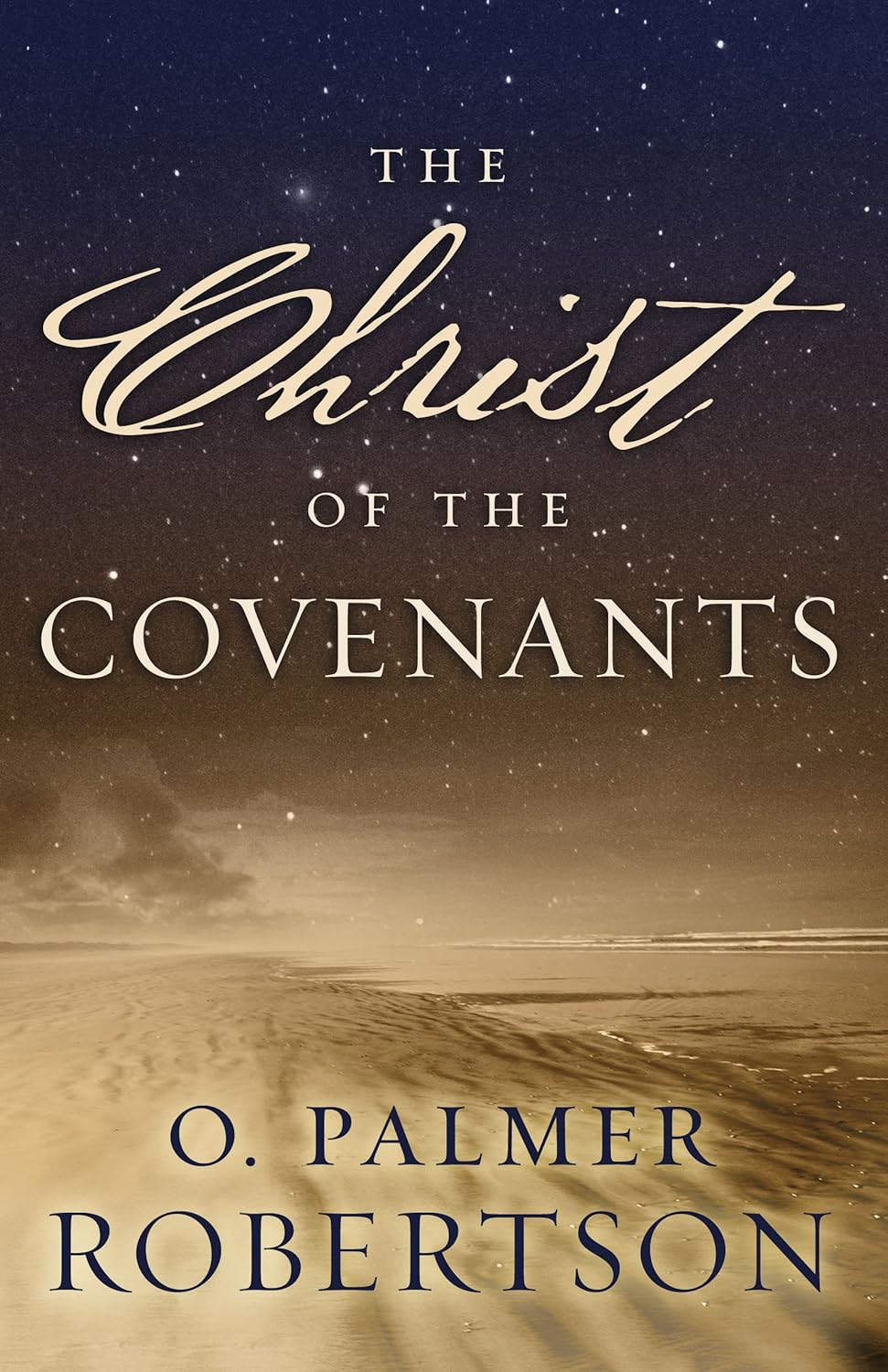
Christ of the Covenants
Explains the biblical covenants and how they reveal Christ and God's plan of redemption.
View on Amazon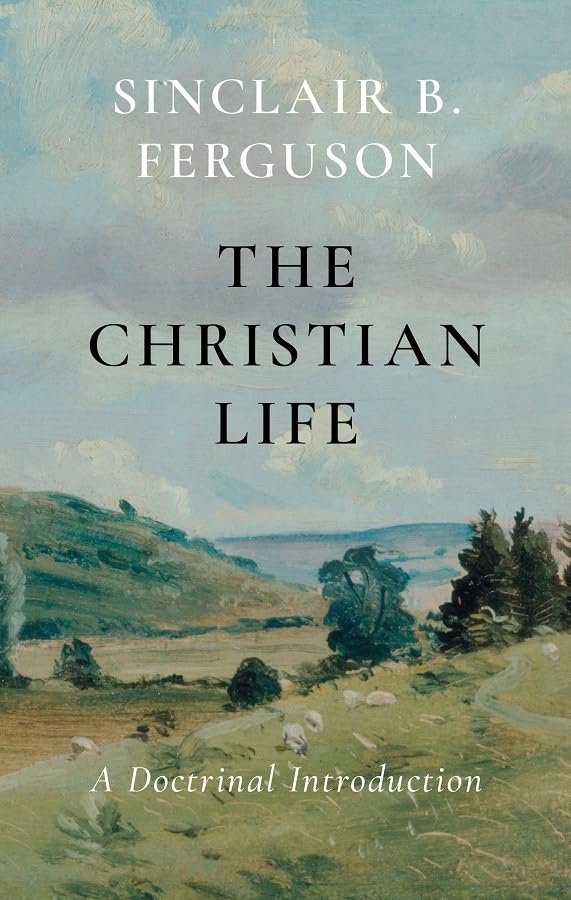
The Christian Life
A clear, doctrinally rich overview of salvation and Christian living.
View on Amazon
The Hiding Place
The story of Corrie ten Boom's faith and forgiveness in the midst of Nazi persecution.
View on Amazon
Shepherding a Child's Heart
Biblical parenting that aims at a child's heart, not just outward behavior.
View on Amazon