This is a simplified version of the Bible story found in Daniel 2, written for children to understand. For the original version, please refer to the Bible passage.
Once upon a time, there was a powerful king named Nebuchadnezzar who ruled over Babylon. One night, the king had a very troubling dream, and he was not able to understand what it meant. So, he called all his wise men, including the magicians, the enchanters, the sorcerers, and the Chaldeans, and asked them to interpret the dream for him. But they could not tell him what the dream meant.
The king was furious that his wise men could not help him, and he ordered all the wise men to be killed, including Daniel and his friends. When Daniel heard about the king’s order, he went to Arioch, the captain of the king’s guard, and asked him why the king was so angry. Arioch explained the situation to Daniel, and Daniel requested an audience with the king.
Daniel then went home and prayed to God, asking for mercy and help to interpret the king’s dream. God answered Daniel’s prayers and revealed the meaning of the dream to him. Daniel was filled with gratitude and praised God for his wisdom and insight.
When Daniel appeared before the king, he explained that the dream was a message from God about the future of the world’s kingdoms. The statue in the dream represented a succession of powerful empires that would arise, with each empire being symbolized by a different metal.
The head of the statue, made of gold, represented the Babylonian Empire ruled by Nebuchadnezzar himself. The chest and arms of silver represented the next kingdom that would arise, which would be inferior to the Babylonian Empire. The belly and thighs of bronze represented a third kingdom that would rule over the entire earth.
The legs of the statue, made of iron, represented a fourth kingdom, which would be strong and break into pieces all the kingdoms that came before it. The feet and toes, partly of iron and partly of clay, represented a divided kingdom that would be partly strong and partly weak. The toes of the statue represented ten kings who would rule over the divided kingdom.
Finally, Daniel told the king that a stone, not cut by human hands, would come and strike the statue on its feet of iron and clay, causing it to shatter into pieces. The wind would carry away the broken pieces, and the stone would become a great mountain, filling the whole earth. This stone represented a new kingdom that God would create, which would never be destroyed and would be ruled by the Messiah.
Upon hearing this, the king was amazed and realized that Daniel’s God was the true God. He told Daniel, “Truly, your God is God of gods and Lord of kings, and a revealer of mysteries, for you have been able to reveal this mystery.”
So the king gave Daniel a big promotion, and made him the ruler over the whole province of Babylon and the chief over all the wise men of Babylon. Daniel was very grateful for the promotion, but he still wanted to help his friends, Shadrach, Meshach, and Abednego. So, he asked the king to put them in charge of the affairs of the province of Babylon. The king agreed, and Daniel and his friends continued to serve in the king’s court.
Biblical Lessons
- God is the only one who can reveal the future and the hidden things of the world.
- God is in control of the rise and fall of kingdoms and rulers.
- It is important to trust in God and seek His guidance in all situations.
- Even when things seem impossible, we should not give up hope, but instead pray and ask God for help.
Related Stories
Shadrach, Meshach, and Abednego
Nebuchadnezzar’s Dream of a Tree
Must-Read Christian Books
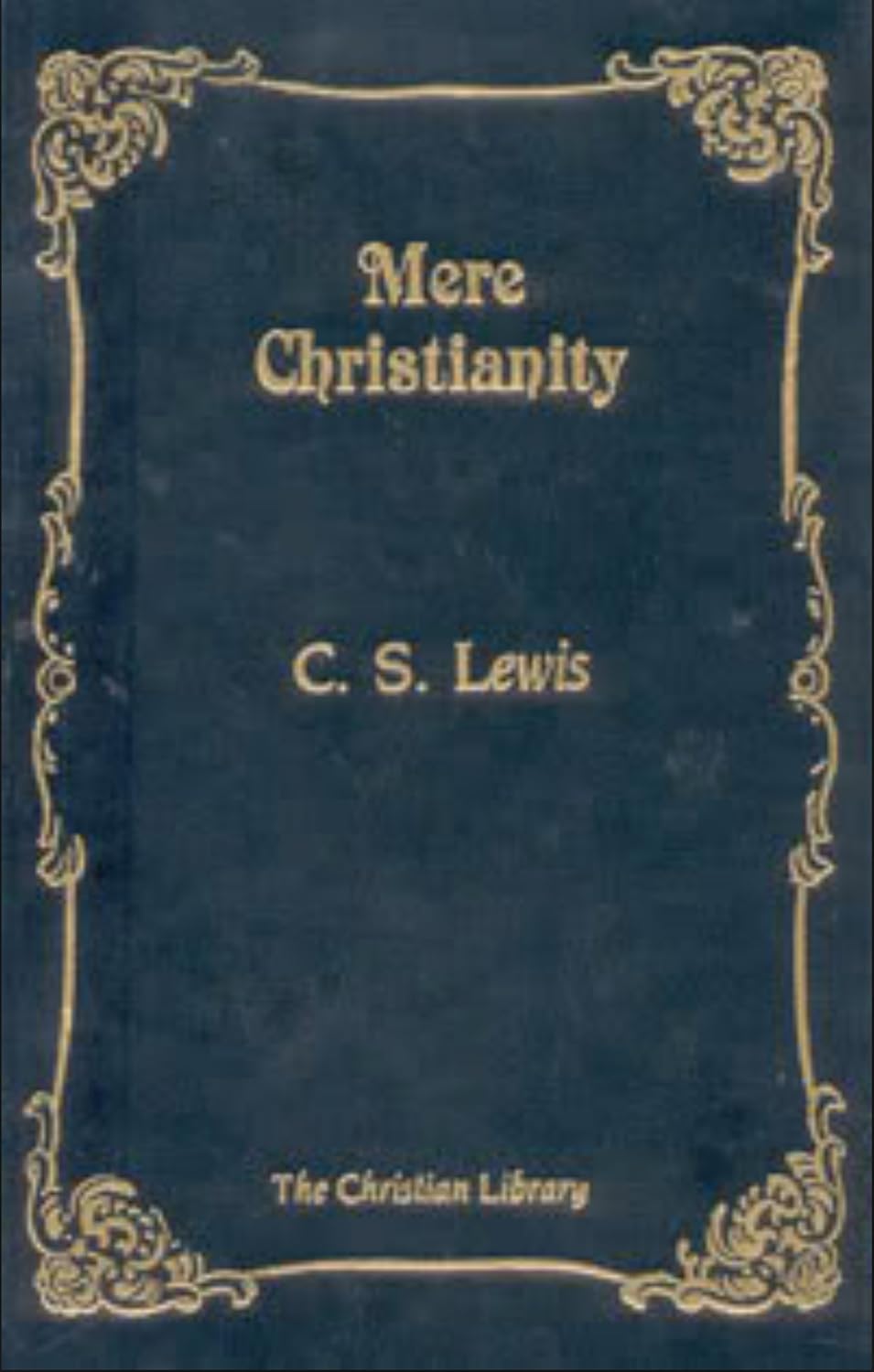
Mere Christianity
Lewis lays out the core beliefs of the Christian faith with clarity, logic, and imagination, rooted in Scripture.
View on Amazon
Holiness
A rich, pastoral treatment of sin, sanctification, and the fight for holiness in the Christian life, deeply rooted in Scripture.
View on Amazon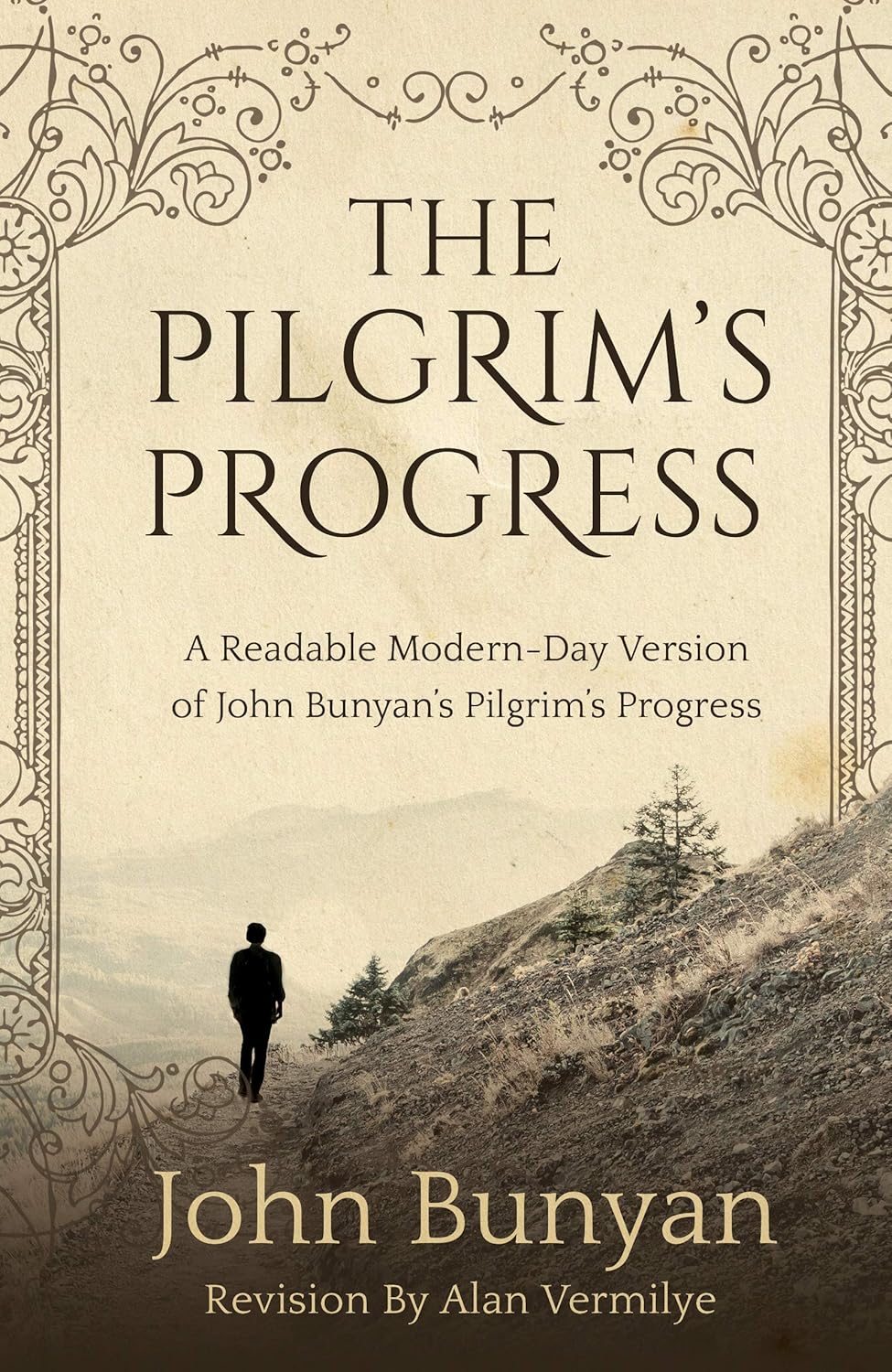
The Pilgrim's Progress
A classic allegory of the Christian journey from the City of Destruction to the Celestial City, saturated with Scripture.
View on Amazon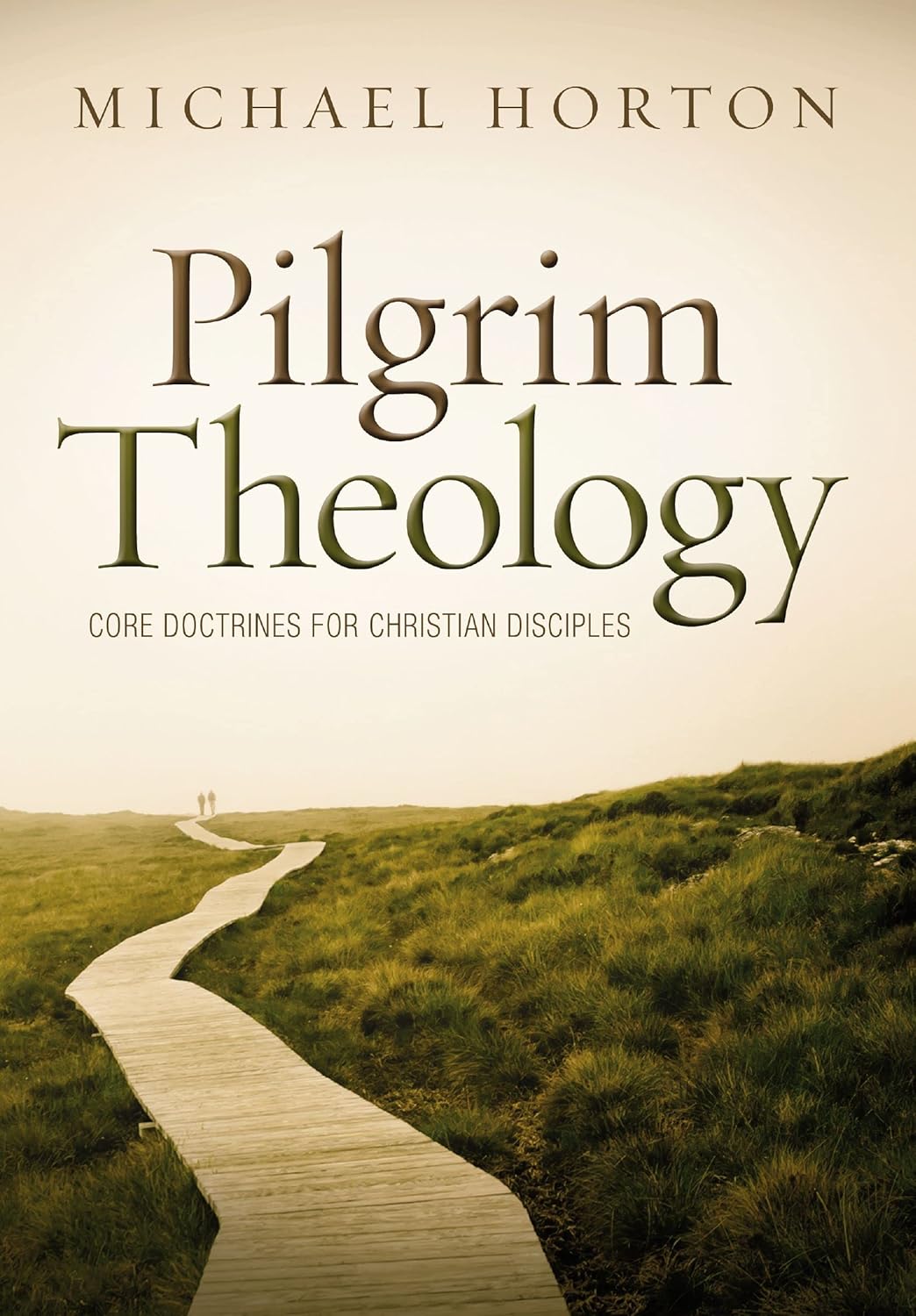
Pilgrim Theology
An accessible summary of Reformed theology that connects doctrine to the Christian life.
View on Amazon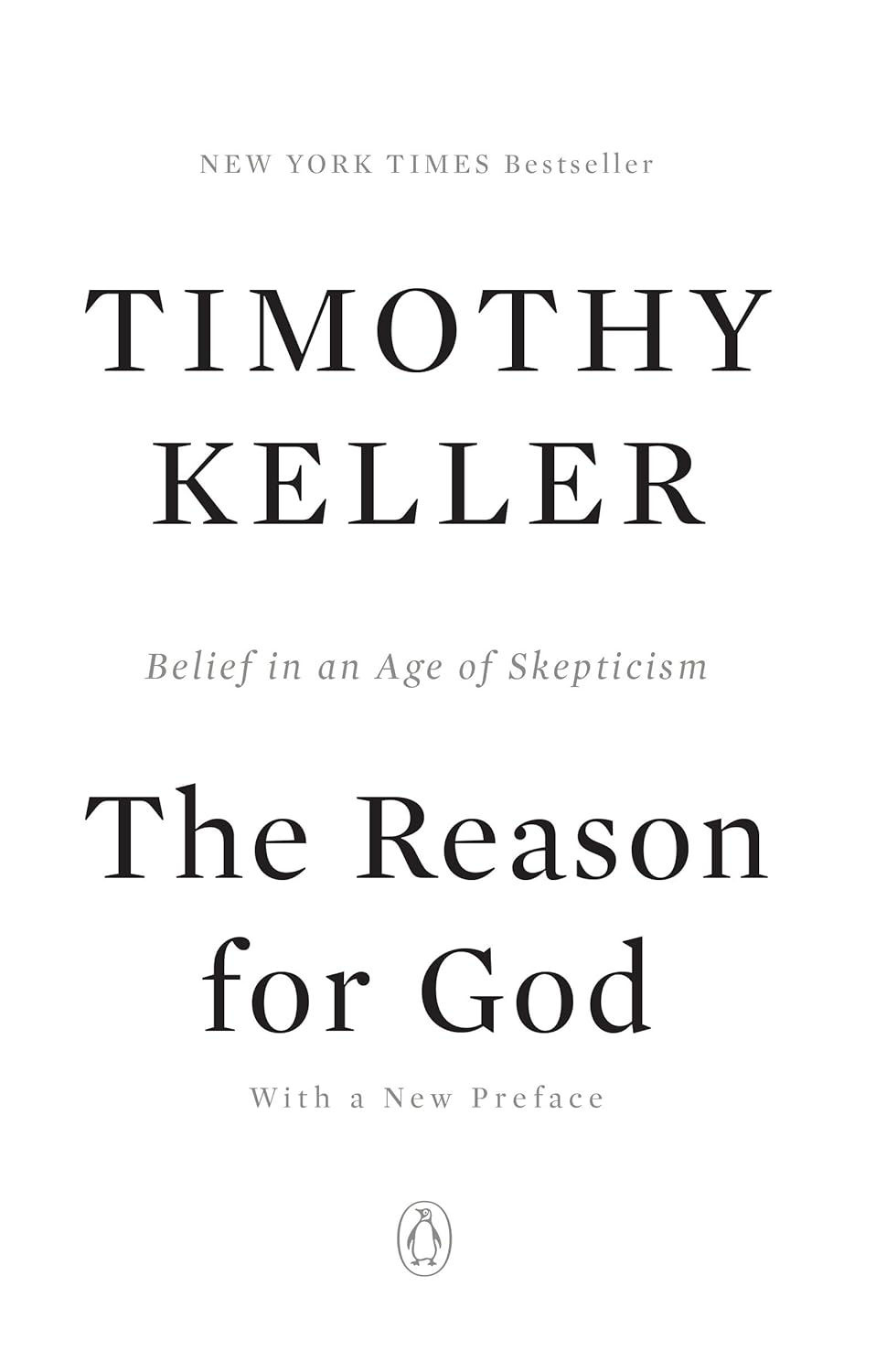
The Reason for God
Thoughtful, biblical responses to common objections to Christianity, aimed at skeptics and believers alike.
View on Amazon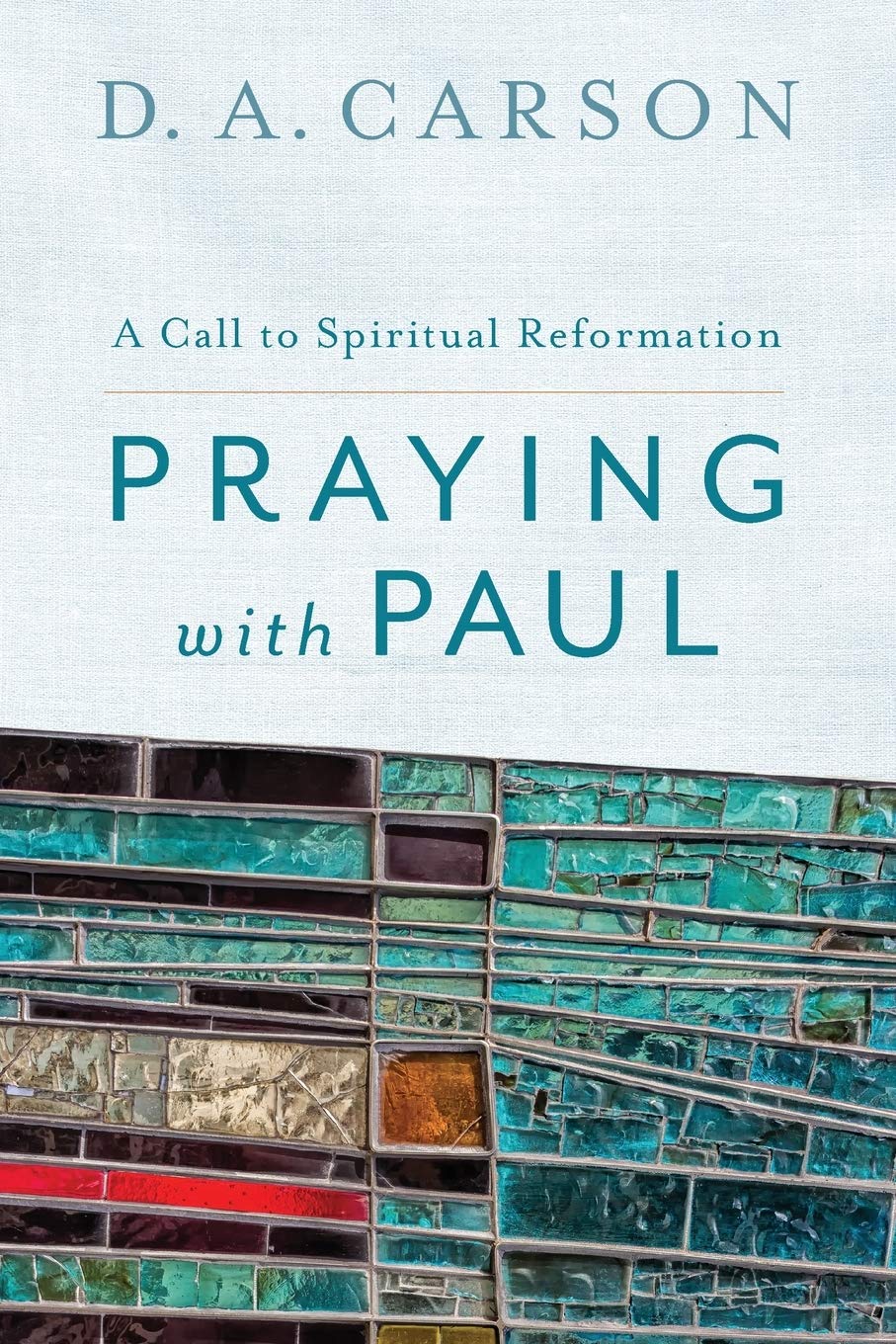
A Call to Spiritual Reformation
Walks through Paul's prayers to teach believers how to pray biblically and God-centeredly.
View on Amazon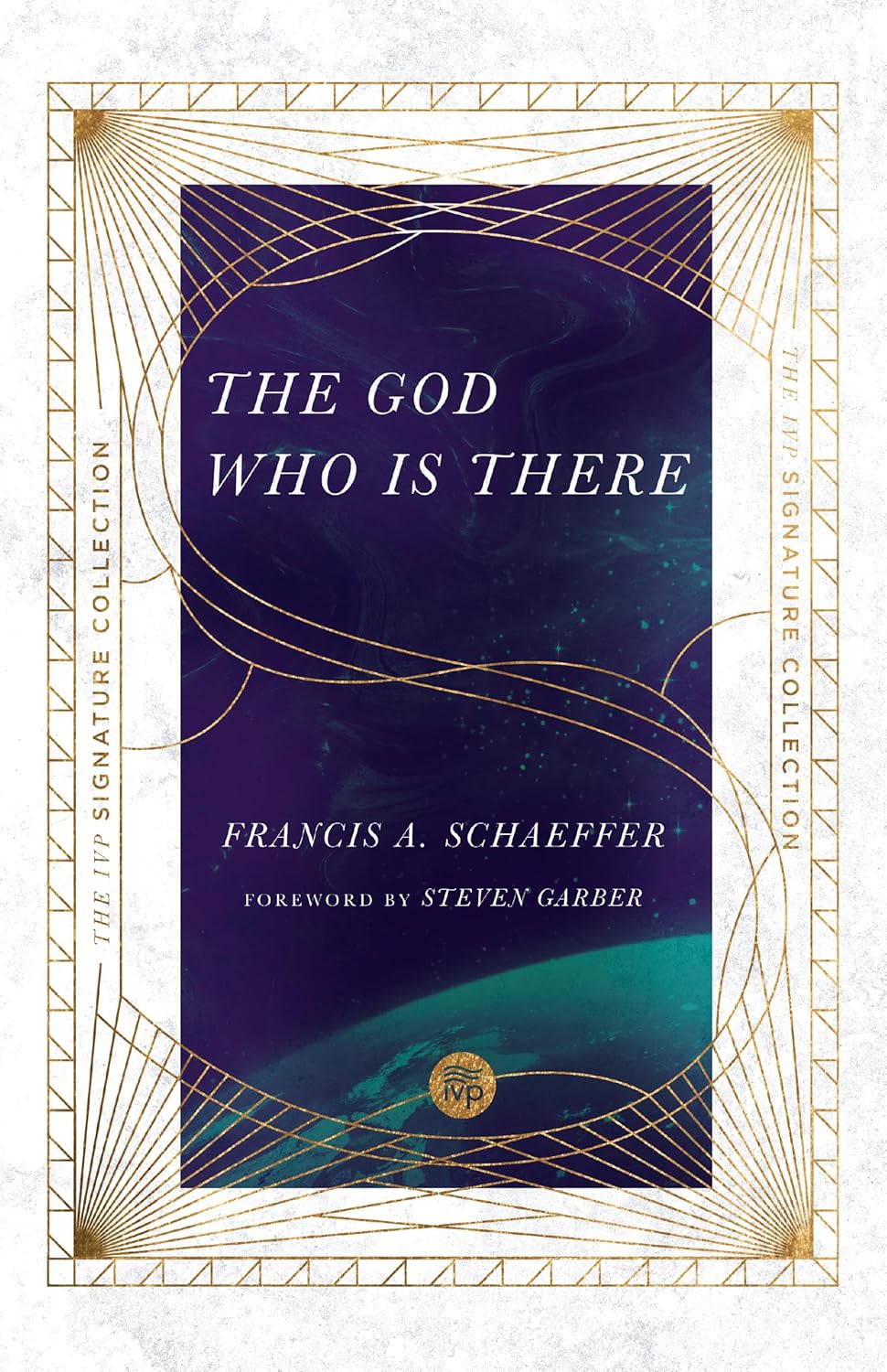
The God Who Is There
Shows how the God of the Bible speaks into modern philosophical and cultural confusion.
View on Amazon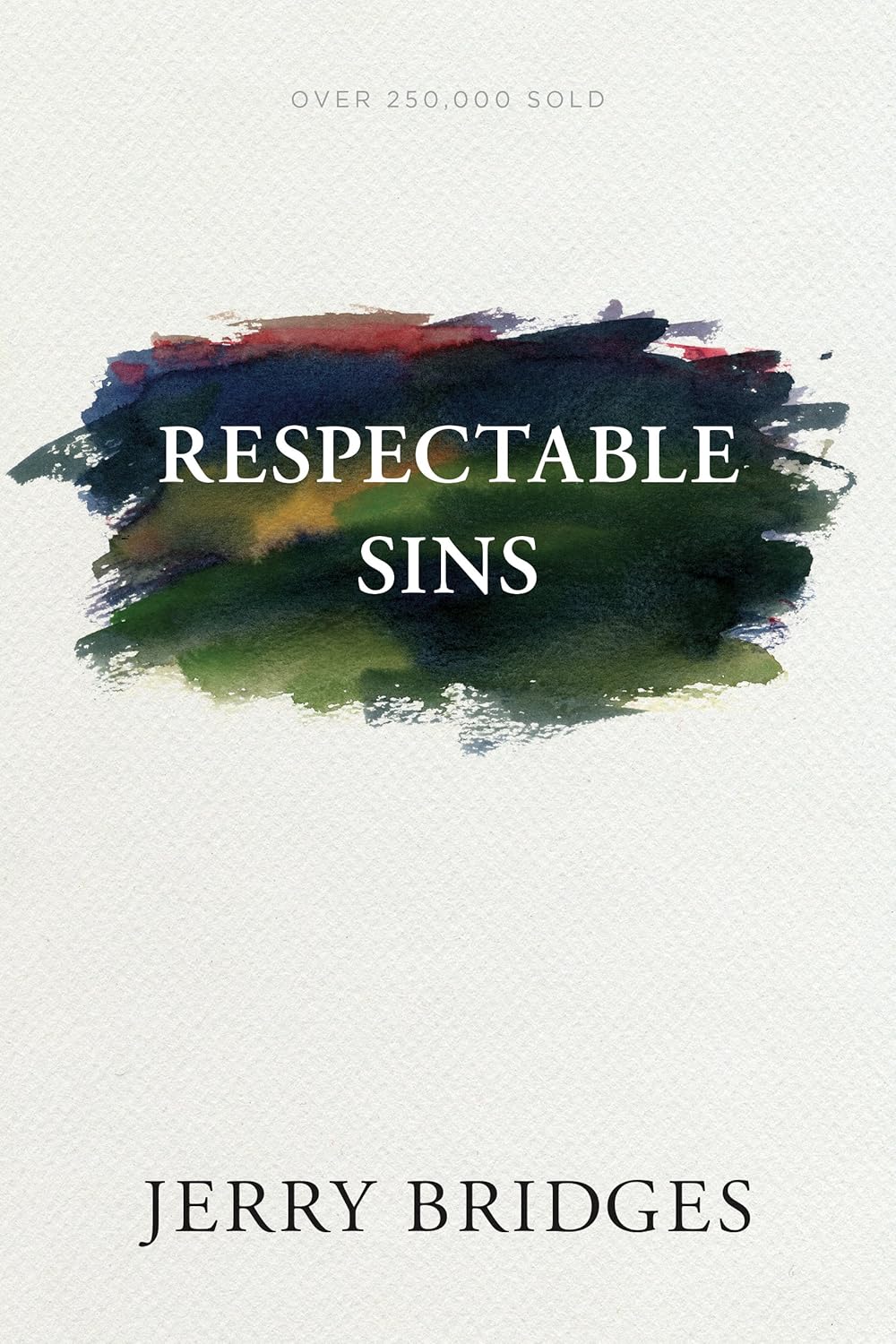
Respectable Sins
Exposes the "ordinary" sins Christians often tolerate and calls us to gospel-driven holiness.
View on Amazon
The Sovereignty of God
A strong, Scripture-based defense of God's absolute rule over all things.
View on Amazon
All of Grace
A simple, powerful explanation of salvation by grace through faith in Christ alone.
View on Amazon
The Gospel According to Jesus
Defends a biblical understanding of faith and repentance against easy-believism.
View on Amazon
The Bondage of the Will
Luther's classic defense of the Bible's teaching on human sin and God's sovereign grace.
View on Amazon
The Universe Next Door
Surveys competing worldviews and contrasts them with the Christian view of reality.
View on Amazon
God's Glory in Salvation through Judgment
Argues that God's glory in salvation through judgment is the central theme of Scripture.
View on Amazon
Delighting in the Trinity
A joyful, readable introduction to the triune God and why His tri-unity is good news.
View on Amazon
The Rare Jewel of Christian Contentment
A Puritan classic on learning contentment in God in every circumstance.
View on Amazon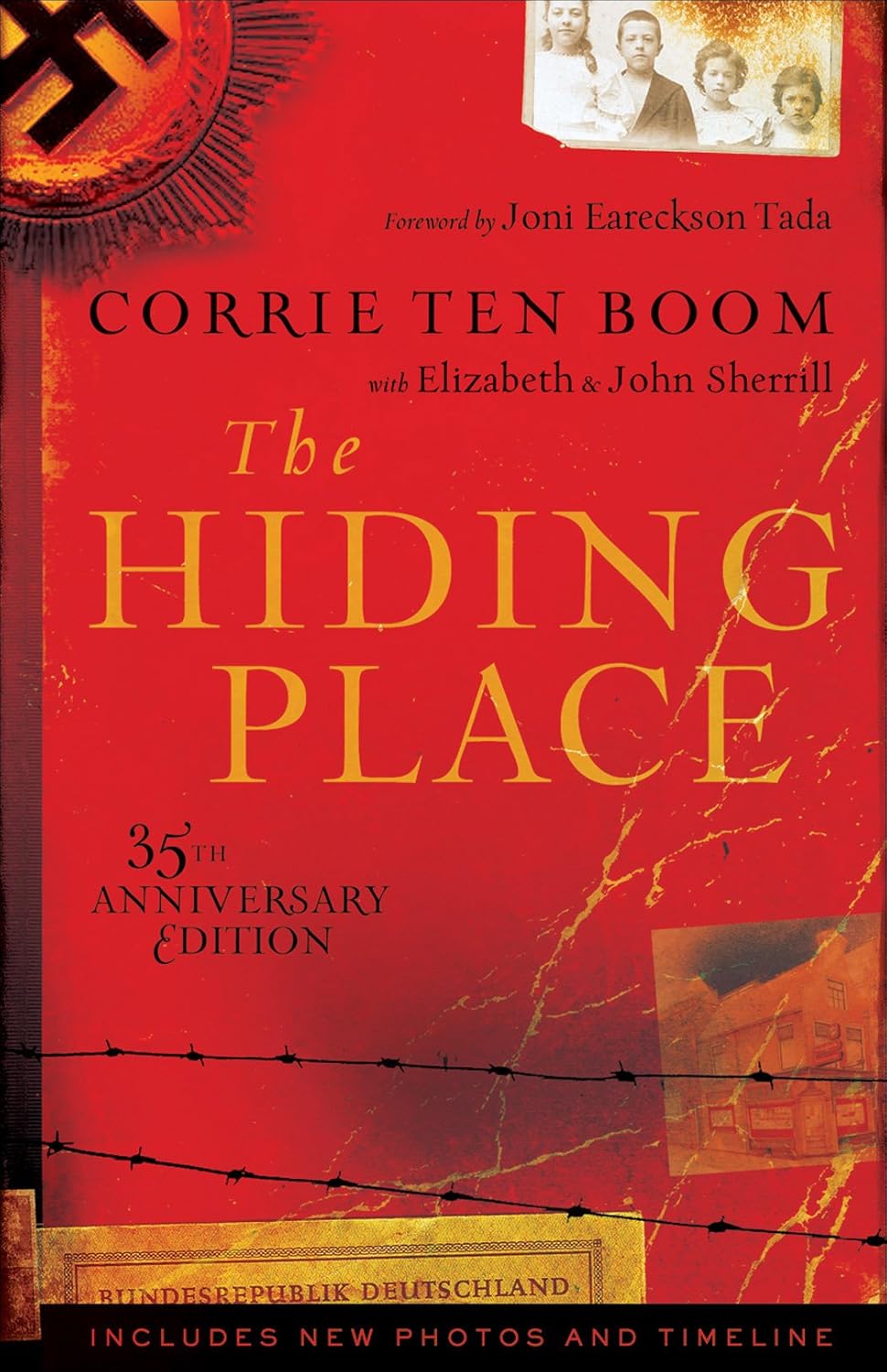
The Hiding Place
The story of Corrie ten Boom's faith and forgiveness in the midst of Nazi persecution.
View on Amazon