
This is a simplified version of the Bible story found in 2 Samuel 3, written for children to understand. For the original version, please refer to the Bible passage.
Once upon a time, there were two groups of people who were fighting a long war. One group was led by a man named Saul, and the other group was led by a man named David. As time passed, David’s group became stronger and stronger, while Saul’s group became weaker and weaker.
David had many sons, and they were all born in a city called Hebron. One day, a man named Abner, who was the commander of Saul’s army, decided to switch sides and join David’s group. Abner knew that God had promised David that he would be king, and he believed that David was the better leader.
Abner also had a personal reason for joining David’s group. Ish-bosheth, Saul’s son, accused Abner of sleeping with one of Saul’s concubines, Rizpah. This accusation made Abner very angry, as he had always been loyal to Saul and his family. When Ish-bosheth questioned Abner about the accusation, Abner was so offended that he decided to switch sides and support David instead.
Abner sent messengers to David to ask if they could make peace and join forces. David agreed, but he had one request. He wanted his wife Michal, who was Saul’s daughter, to be returned to him. Michal had been taken away from David and given to another man by Saul, so David wanted her back.
Abner went to talk to the people of Israel, and he told them that they should make David their king. Everyone agreed, and Abner went back to David with a group of twenty men. David welcomed Abner and had a feast for him and his men.
But not everyone was happy about Abner joining David’s group. A man named Joab was angry that Abner had killed his brother in battle. So, he tricked Abner and killed him. David was very sad when he found out what had happened. He said that Joab and his family would be punished for what they had done.
When David heard about Joab’s treacherous act, he said, “I and my kingdom are forever guiltless before the Lord for the blood of Abner the son of Ner. May it fall upon the head of Joab and upon all his father’s house, and may the house of Joab never be without one who has a discharge or who is leprous or who holds a spindle or who falls by the sword or who lacks bread!” David wanted to make it clear that he did not approve of Joab’s actions and that he would not let him get away with it.
David and all the people who were with him mourned for Abner. They buried him in Hebron, and David said that he was a great man who had fallen that day. David also said that he did not want anyone else to be hurt, and he wanted to make peace with everyone.
Biblical Lessons
- Loyalty is an important virtue, but it should not be blind. We should use our own judgment and discernment to decide what is right and wrong, even if it means going against those we are loyal to.
- It is important to ask for forgiveness and make amends when we have done wrong, even if it is difficult or embarrassing.
- We should strive for peace and reconciliation, even in the midst of conflict or disagreement.
- The consequences of our actions can have a ripple effect that affects others beyond ourselves.
- We should be careful not to let our emotions control us, but instead strive to act with wisdom and self-control in all situations.
Related Stories
Must-Read Christian Books
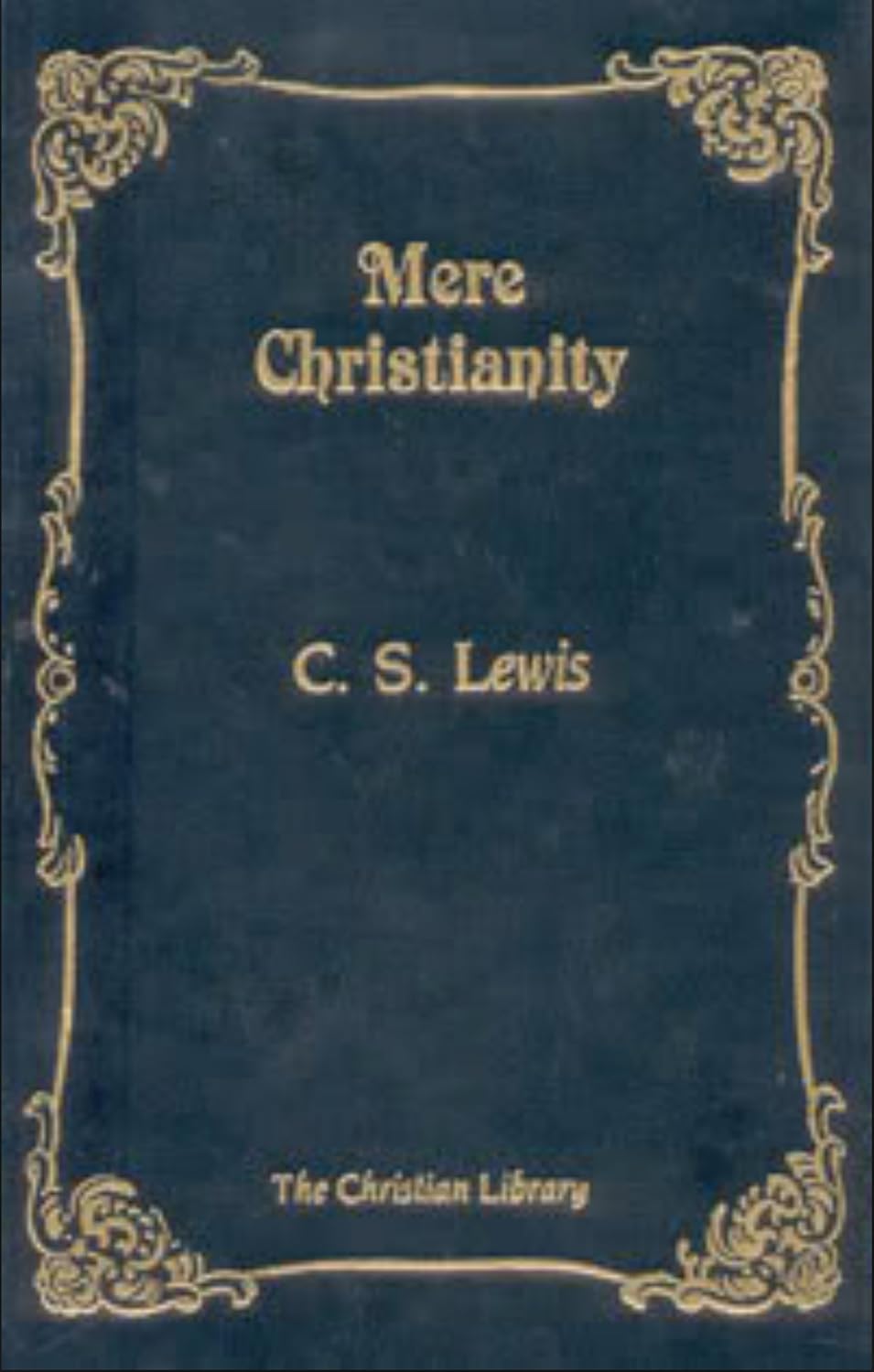
Mere Christianity
Lewis lays out the core beliefs of the Christian faith with clarity, logic, and imagination, rooted in Scripture.
View on Amazon
The Cost of Discipleship
A penetrating look at Jesus' call to follow Him, contrasting cheap grace with true, costly discipleship.
View on Amazon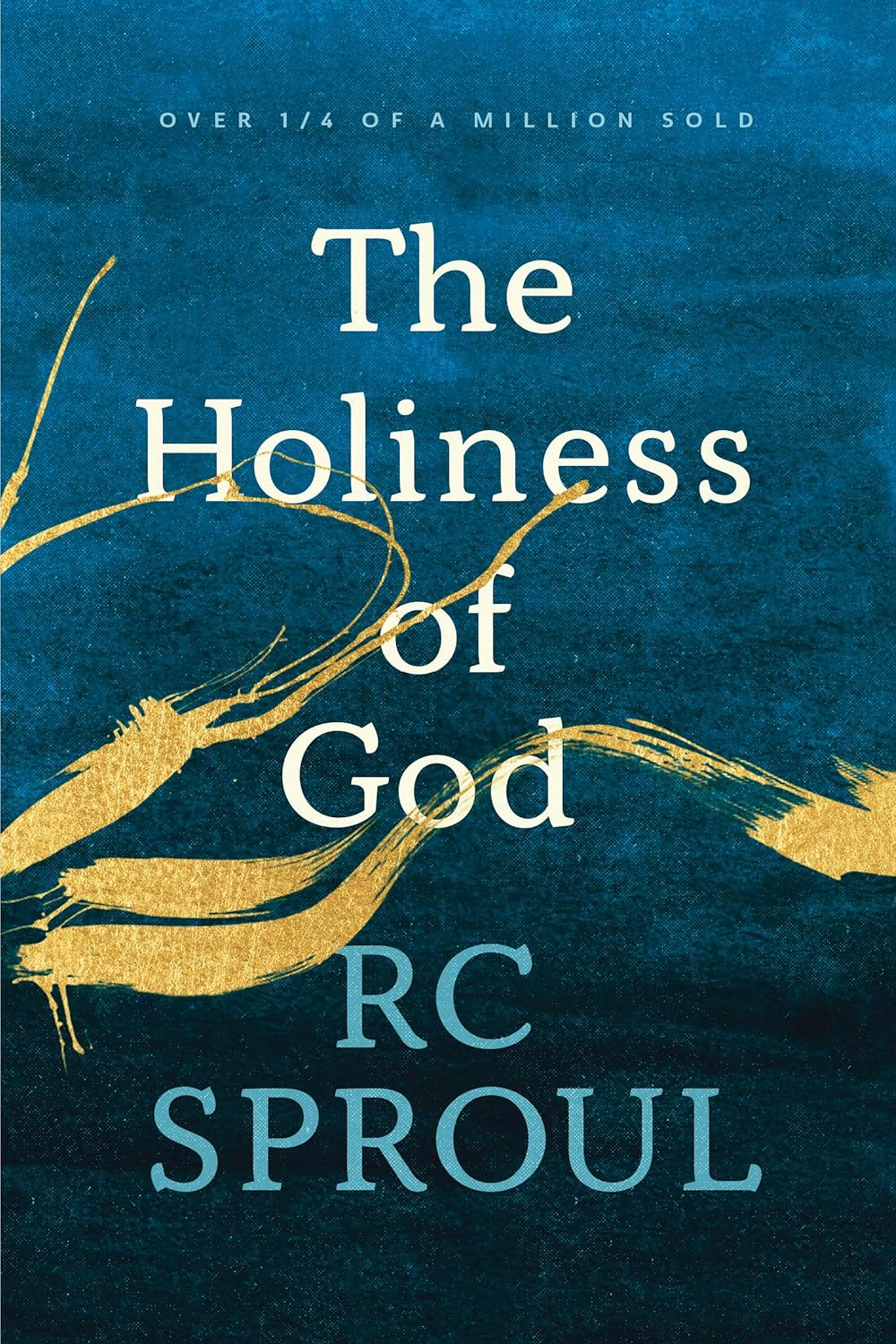
The Holiness of God
Sproul unfolds the blazing holiness of God and why a right fear of the Lord is vital to true worship.
View on Amazon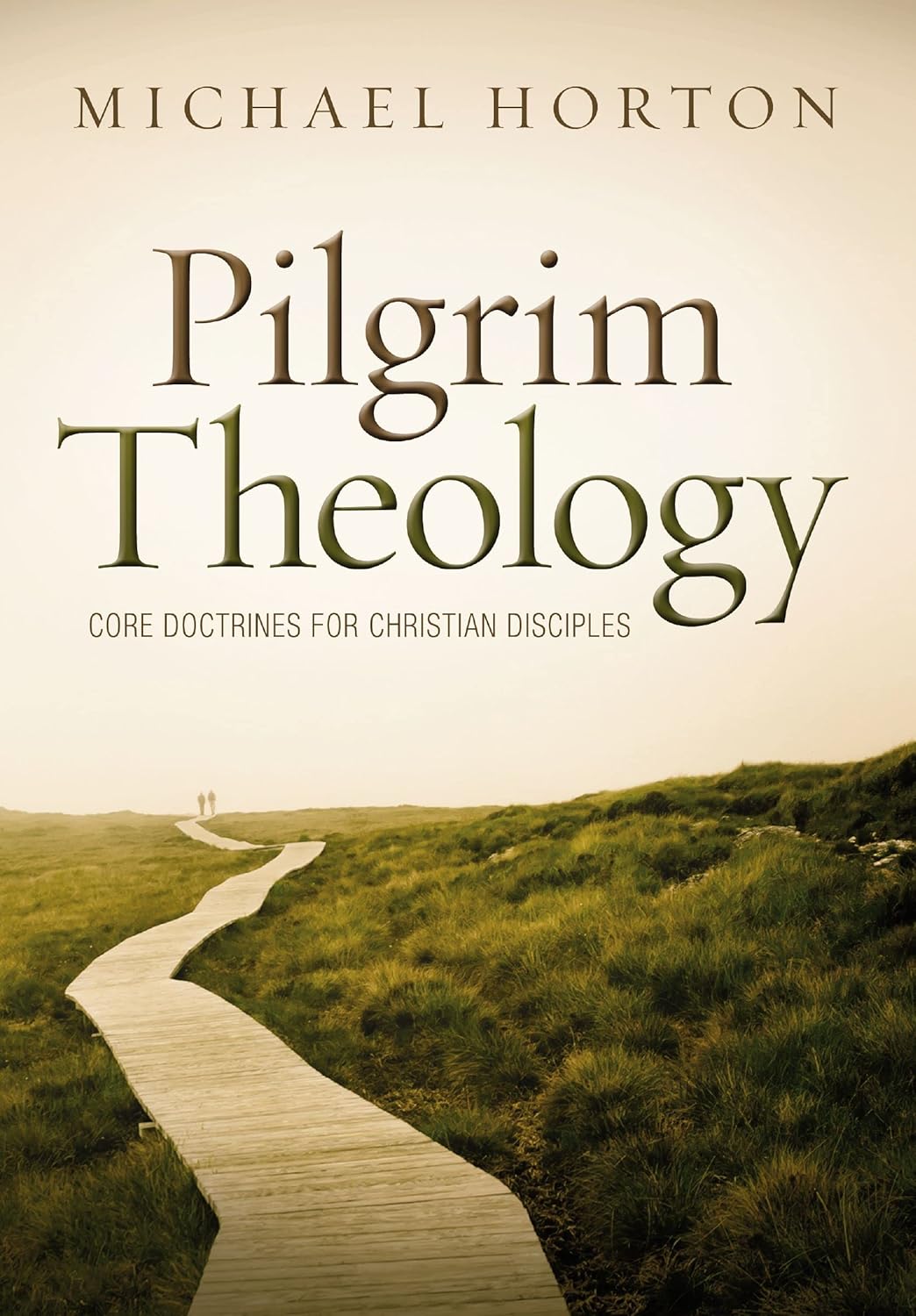
Pilgrim Theology
An accessible summary of Reformed theology that connects doctrine to the Christian life.
View on Amazon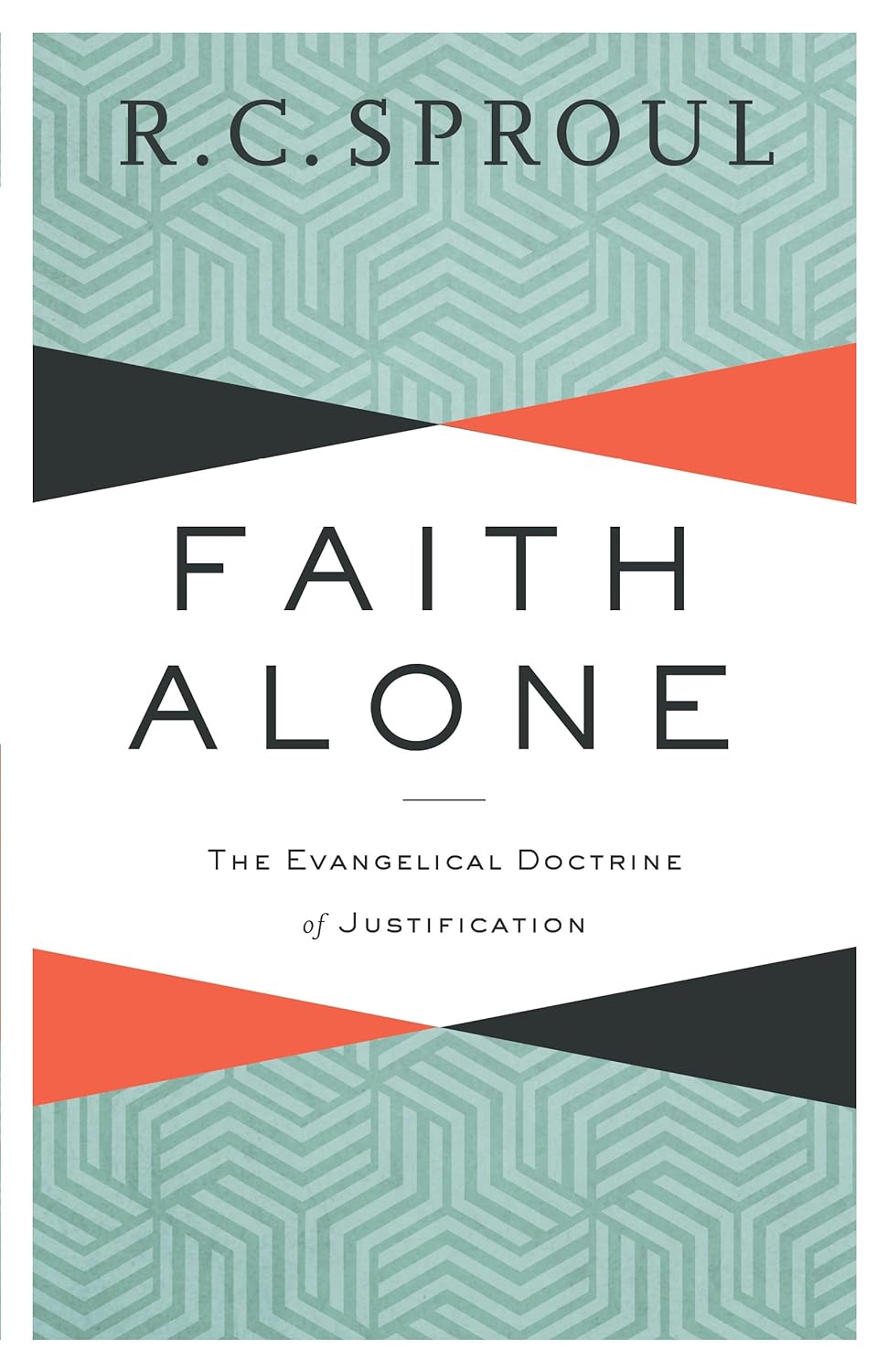
Faith Alone
Defends justification by faith alone as the heart of the biblical gospel and Reformation.
View on Amazon
The God Who Is There
Shows how the God of the Bible speaks into modern philosophical and cultural confusion.
View on Amazon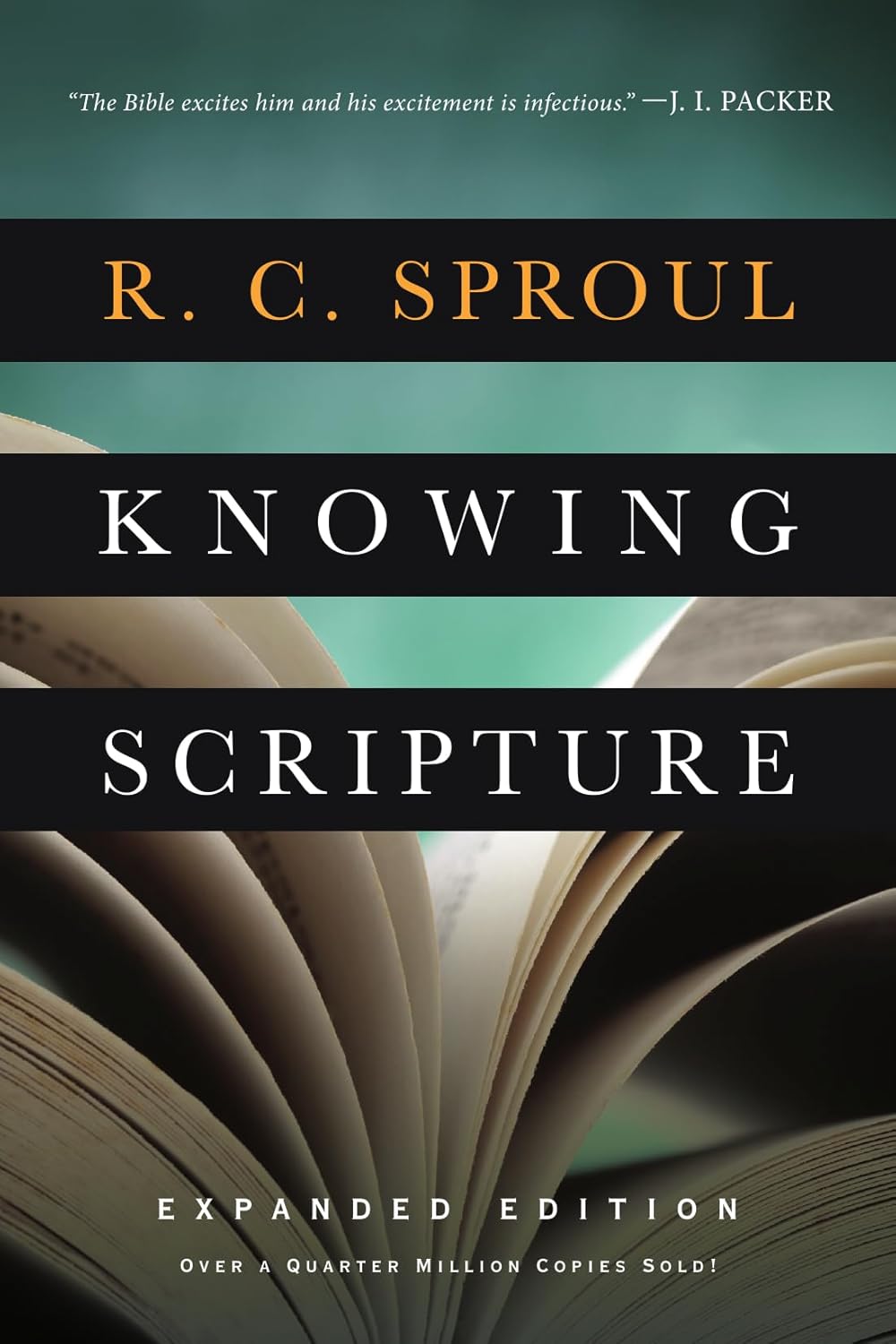
Knowing Scripture
Teaches how to interpret the Bible rightly, emphasizing its clarity and our responsibility to study it.
View on Amazon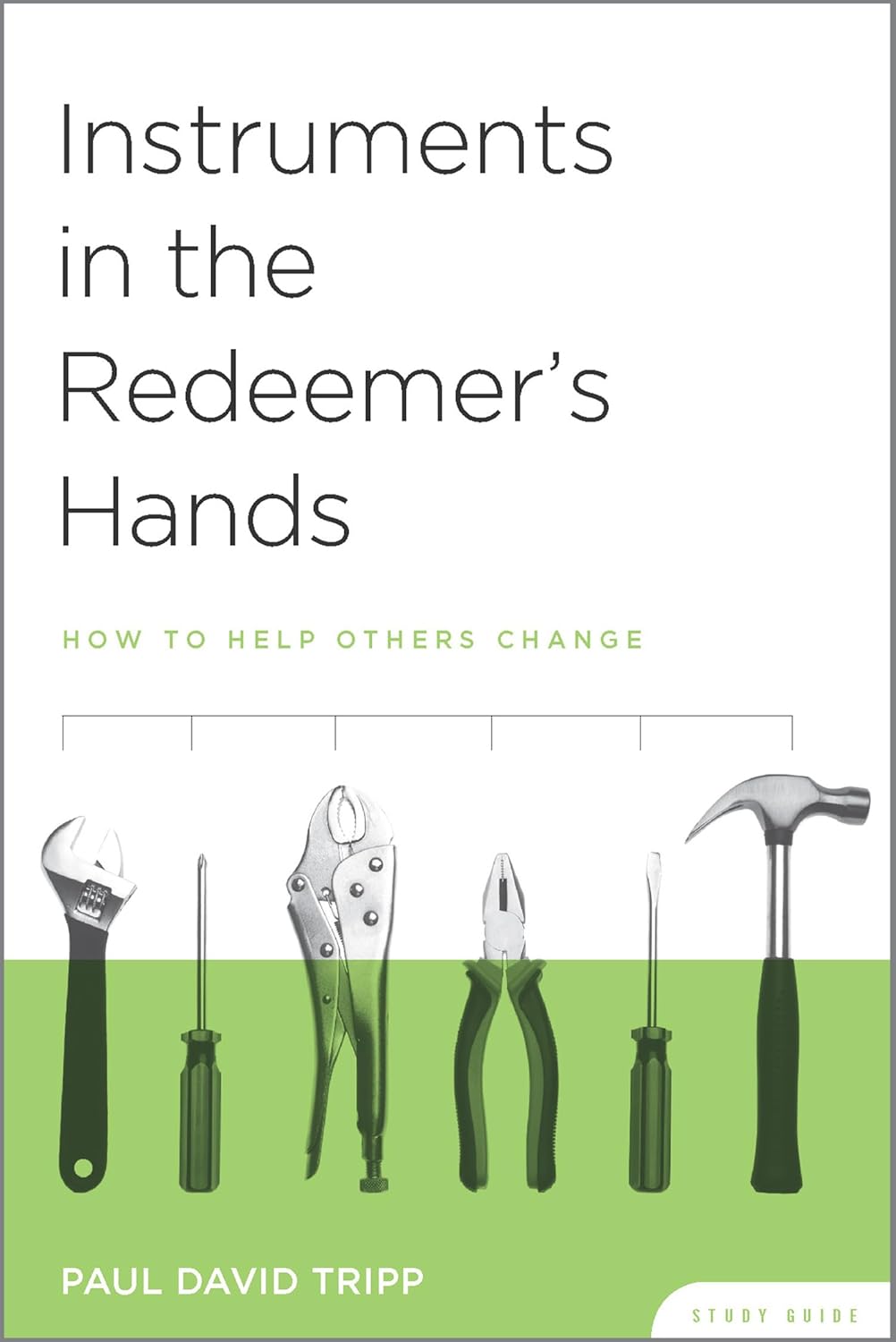
Instruments in the Redeemer's Hands
Biblical counseling and discipleship that helps believers speak God's truth into one another's lives.
View on Amazon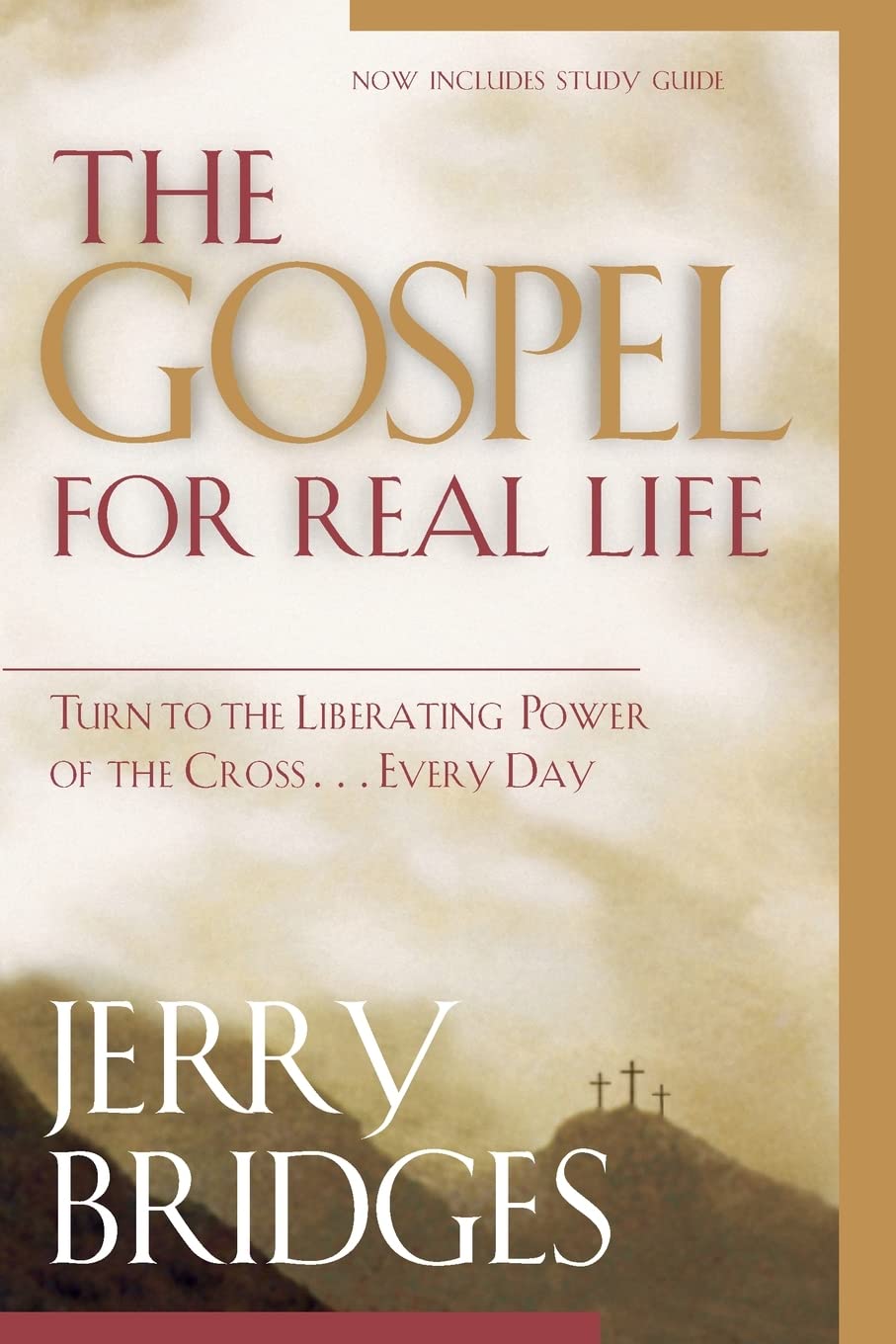
The Gospel for Real Life
Shows how the finished work of Christ applies to everyday struggles and assurance.
View on Amazon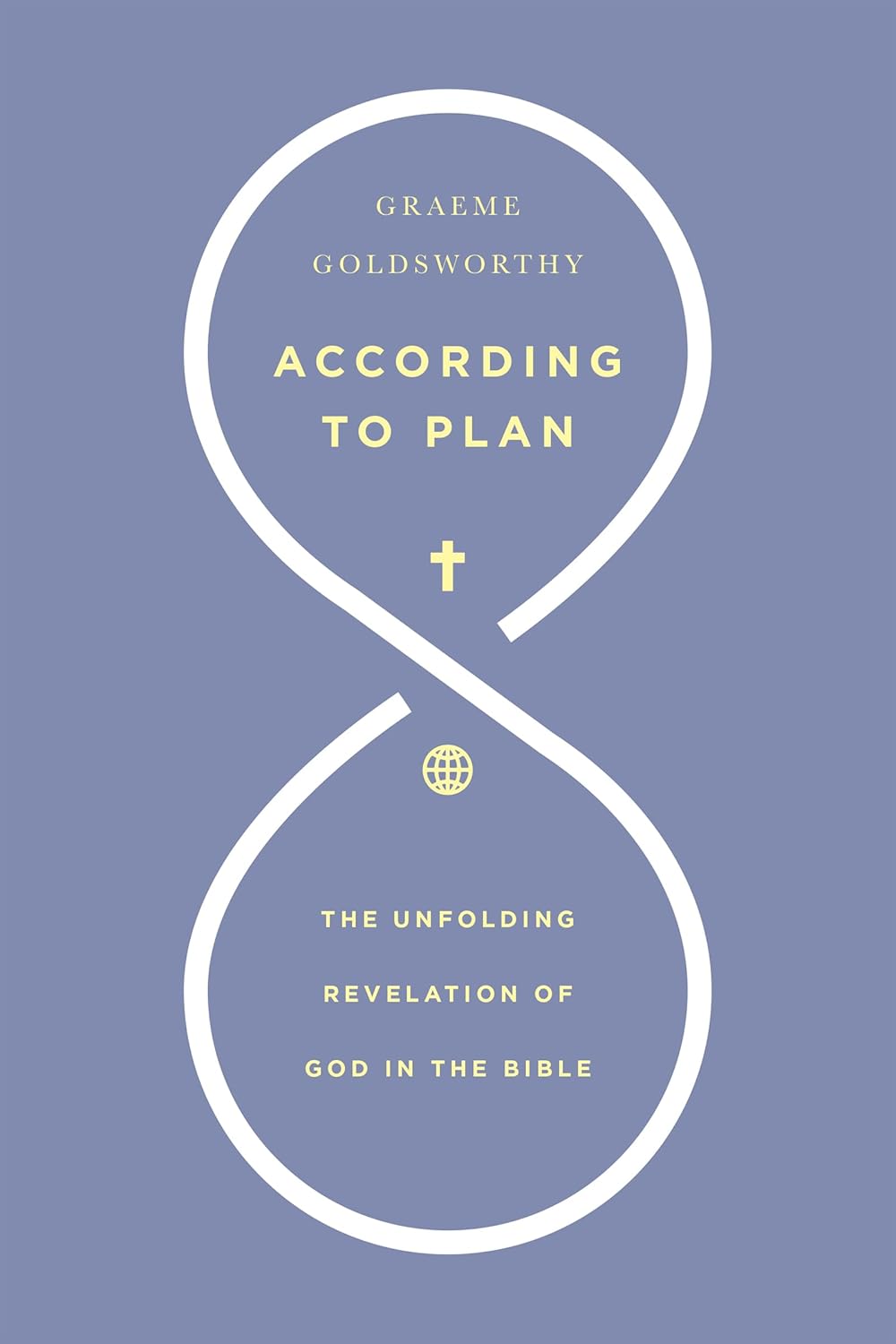
According to Plan
An introduction to biblical theology that shows how all Scripture points to Christ.
View on Amazon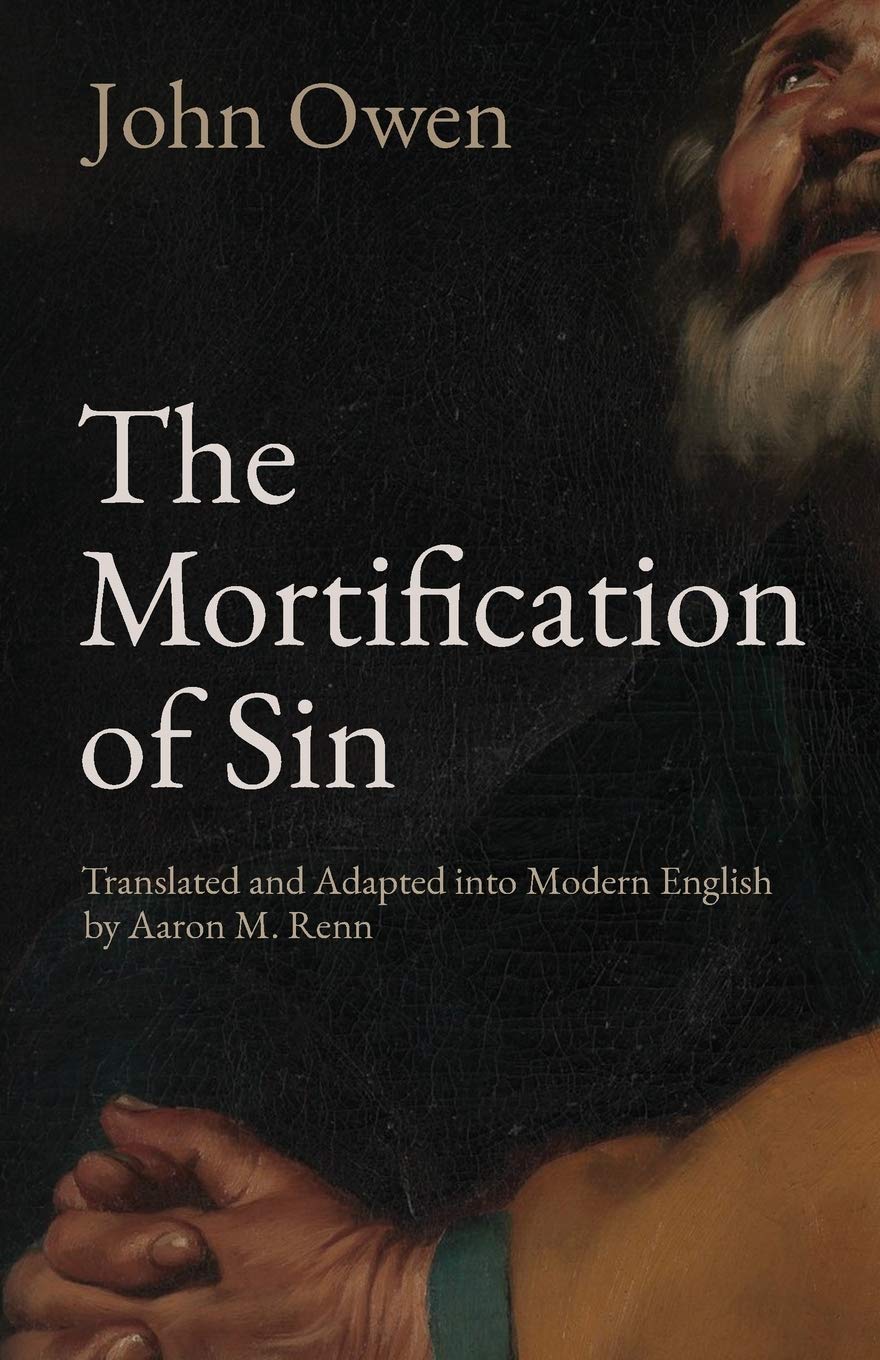
The Mortification of Sin
A Puritan classic urging believers to put sin to death by the power of the Spirit.
View on Amazon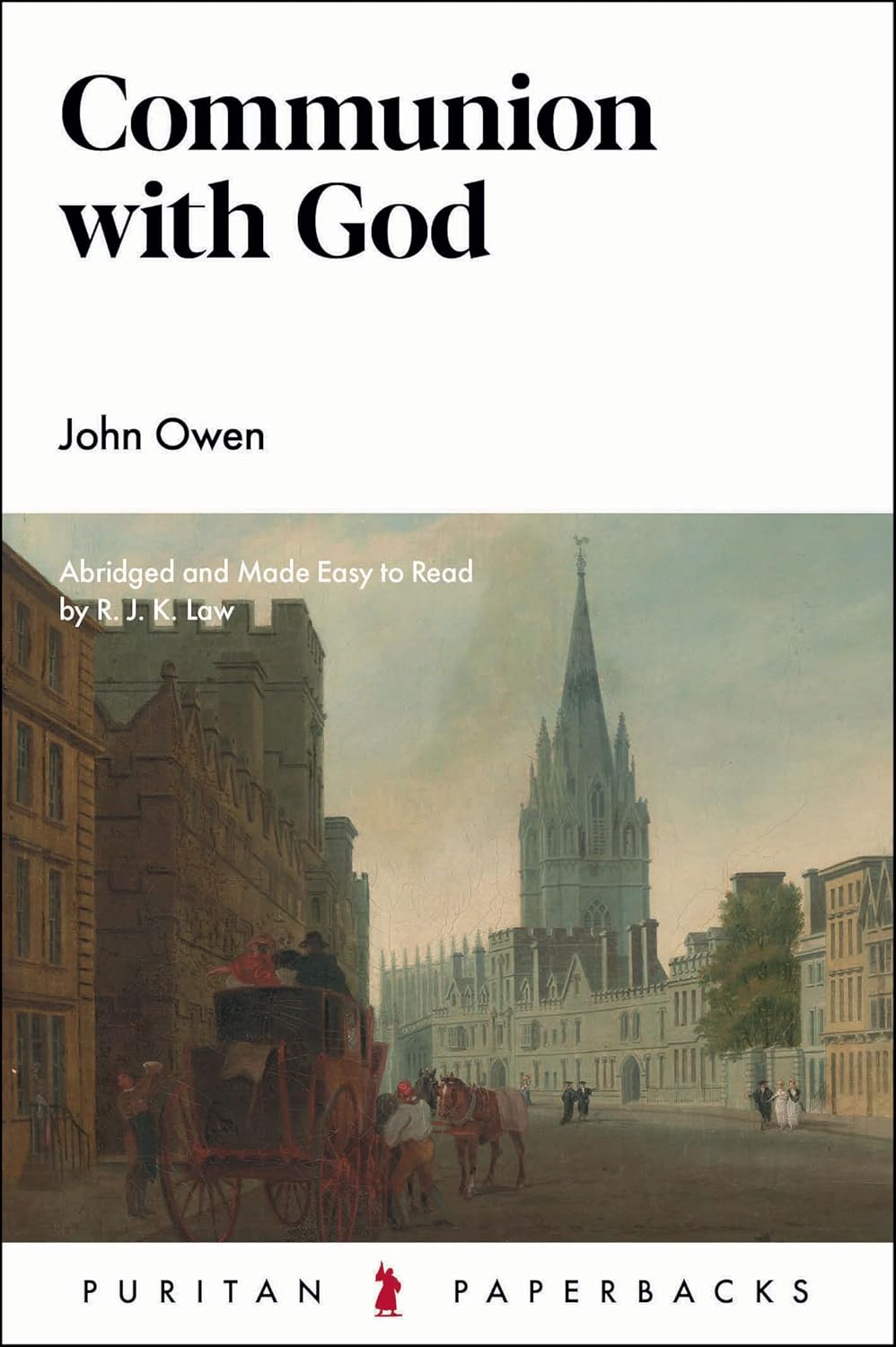
Communion with God
Explores how believers enjoy distinct fellowship with the Father, Son, and Holy Spirit.
View on Amazon
The Bruised Reed
A tender Puritan work on Christ's gentleness toward weak and struggling believers.
View on Amazon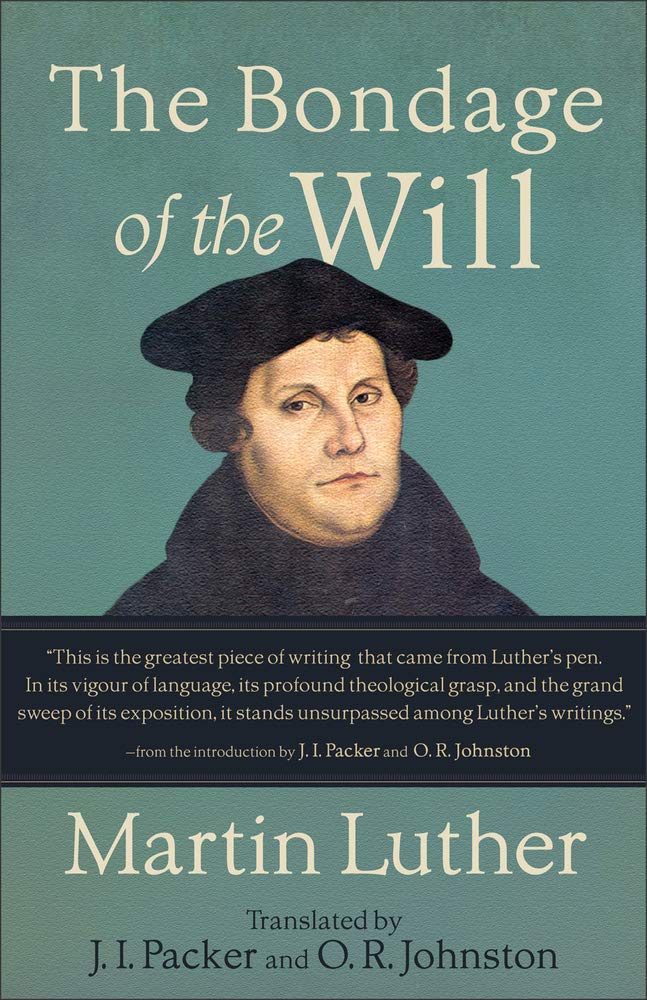
The Bondage of the Will
Luther's classic defense of the Bible's teaching on human sin and God's sovereign grace.
View on Amazon
The Westminster Shorter Catechism
Summarizes key doctrines of Scripture in concise questions and answers.
View on Amazon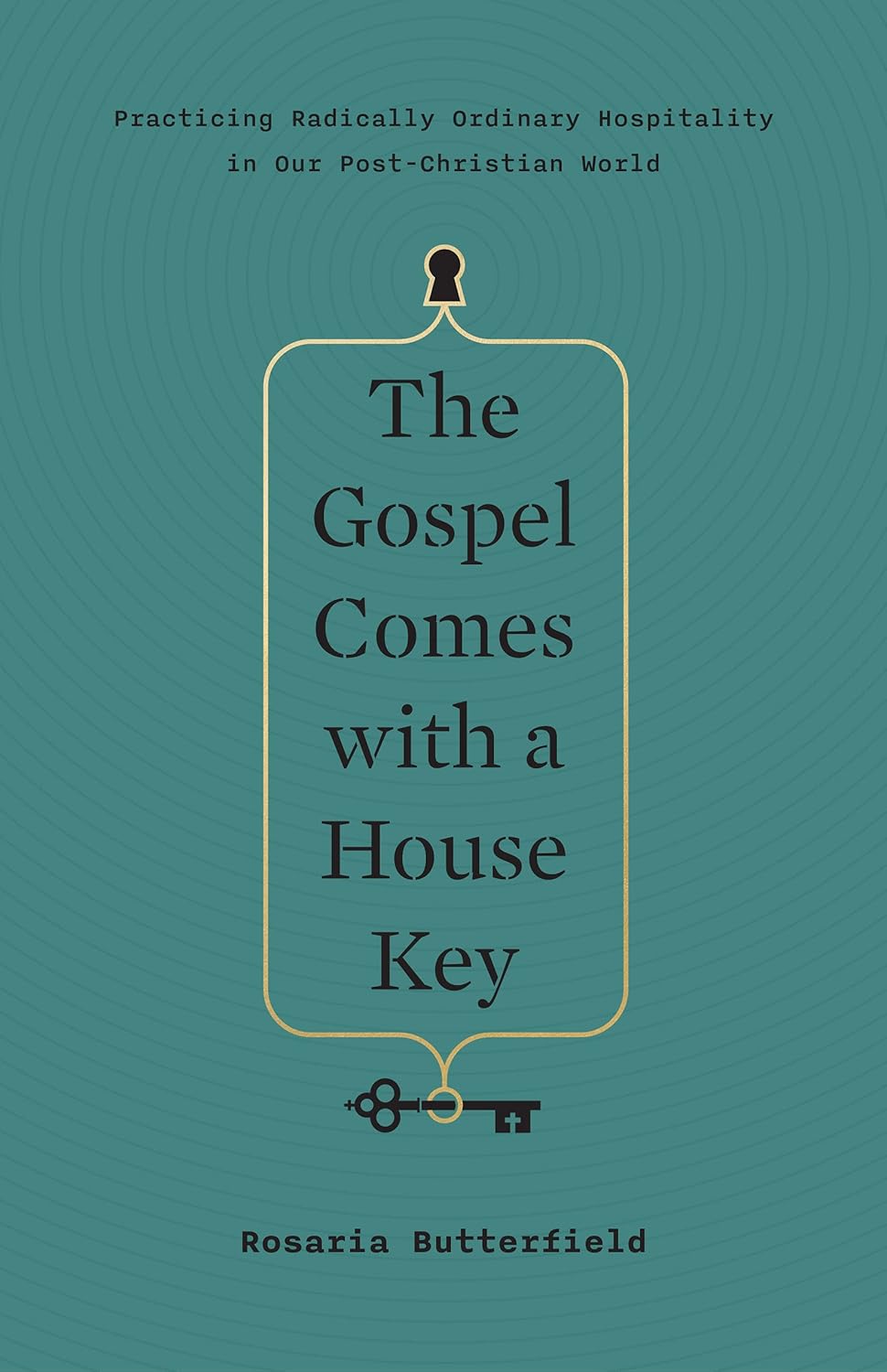
The Gospel Comes with a House Key
A call to radical, everyday hospitality as a means of gospel witness and discipleship.
View on Amazon
The Freedom of Self-Forgetfulness
Shows how the gospel frees us from self-obsession to live in joy and service.
View on Amazon
Family Worship
A short, practical guide to leading your home in daily worship of God.
View on Amazon