
Jesus presented another parable to them, saying, “The kingdom of heaven may be compared to a man who sowed good seed in his field. But while his men were sleeping, his enemy came and sowed tares among the wheat, and went away. But when the wheat sprouted and bore grain, then the tares became evident also. The slaves of the landowner came and said to him, ‘Sir, did you not sow good seed in your field? How then does it have tares?’ And he said to them, ‘An enemy has done this!’ The slaves *said to him, ‘Do you want us, then, to go and gather them up?’ But he *said, ‘No; for while you are gathering up the tares, you may uproot the wheat with them. Allow both to grow together until the harvest; and in the time of the harvest I will say to the reapers, “First gather up the tares and bind them in bundles to burn them up; but gather the wheat into my barn.”’”
(Matthew 13:24–30, NASB)
Context of the Parable of the Wheat and the Tares
The Parable of the Wheat and the Tares is found in Matthew 13:24–30. It is one of several parables that Jesus told to his disciples about the kingdom of heaven. In the parable, a man sowed good seed in his field, but while he and his servants slept, an enemy came and sowed weeds among the wheat. The wheat and the tares grew together until the harvest, at which time the tares were gathered and burned, and the wheat was harvested and taken to the barn.
Meaning of the Parable of the Wheat and the Tares
The Parable of the Wheat and the Tares is a story about the kingdom of heaven and the spiritual battle between good and evil. The man who sowed the good seed is Jesus, and the field is the world. The wheat represents the true believers, and the tares represent the false believers.
The enemy who sowed the tares is Satan, who seeks to sow confusion and deception among the people of God. The tares in the parable were likely darnel, a weed that looks like wheat until it matures. The landowner in the parable wisely waited until the harvest to separate the tares from the wheat.
The lesson of the parable is that the good and the bad will coexist until the end of the age and that it is not our place to judge and uproot false believers. Instead, we should focus on bearing fruit and spreading the gospel, leaving the judgment to God. When the time comes, the true believers will be separated from the false believers, and the latter will be burned in the fire.
Lessons from the Parable of the Wheat and the Tares
- The kingdom of heaven exists on earth side by side with the realm of the evil one.
- Both good and bad seeds mature in the world, and we should not be surprised by the existence of false believers and teachers.
- We should focus on bearing fruit and spreading the gospel, rather than judging and uprooting the false believers.
- We should not take it upon ourselves to uproot unbelievers because the difference between true and false believers isn’t always obvious.
- We should examine our own relationship with Christ and make sure we are bearing good fruit.
- We should trust in God’s sovereignty and judgment and have faith that He will separate the true believers from the false believers at the end of the age.
Frequently Asked Questions
What does the Parable of the Wheat and the Tares teach us about the church?
The Parable of the Wheat and the Tares is not about the church but about the world. It teaches us that the world is a mixture of true believers and false believers and that we should focus on bearing fruit and spreading the gospel, rather than judging and uprooting the false believers.
What does the Parable of the Wheat and the Tares teach us about the end times?
The Parable of the Wheat and the Tares teaches us that the true and false believers will be separated at the end of the age, and the false believers will be burned in the fire. It also teaches us to have faith in God’s sovereignty and judgment.
How can we apply the Parable of the Wheat and the Tares to our lives today?
We can apply the Parable of the Wheat and the Tares to our lives today by focusing on bearing good fruit and spreading the gospel, rather than judging and uprooting the false believers. We should examine our own relationship with Christ and make sure we are bearing good fruit. We should also trust in God’s sovereignty and judgment and have faith that He will separate the true believers from the false believers at the end of the age.
What is the significance of the tares in the Parable of the Wheat and the Tares?
The tares in the Parable of the Wheat and the Tares represent false believers. The tares were likely darnel, a weed that looks like wheat until it matures. The enemy who sowed the tares is Satan, who seeks to sow confusion and deception among the people of God.
Related Parables:
- The Parable of the Mustard Seed (Matthew 13:31–32)
- The Parable of the Sower (Matthew 13:3–9, 18–23)
- The Parable of the Good Samaritan (Luke 10:25–37)
- The Parable of the Prodigal Son (Luke 15:11–32)
- The Parable of the Talents (Matthew 25:14–30)
Must-Read Christian Books

Desiring God
Piper unpacks "Christian Hedonism": that God is most glorified in us when we are most satisfied in Him, grounded in Scripture.
View on Amazon
The Cost of Discipleship
A penetrating look at Jesus' call to follow Him, contrasting cheap grace with true, costly discipleship.
View on Amazon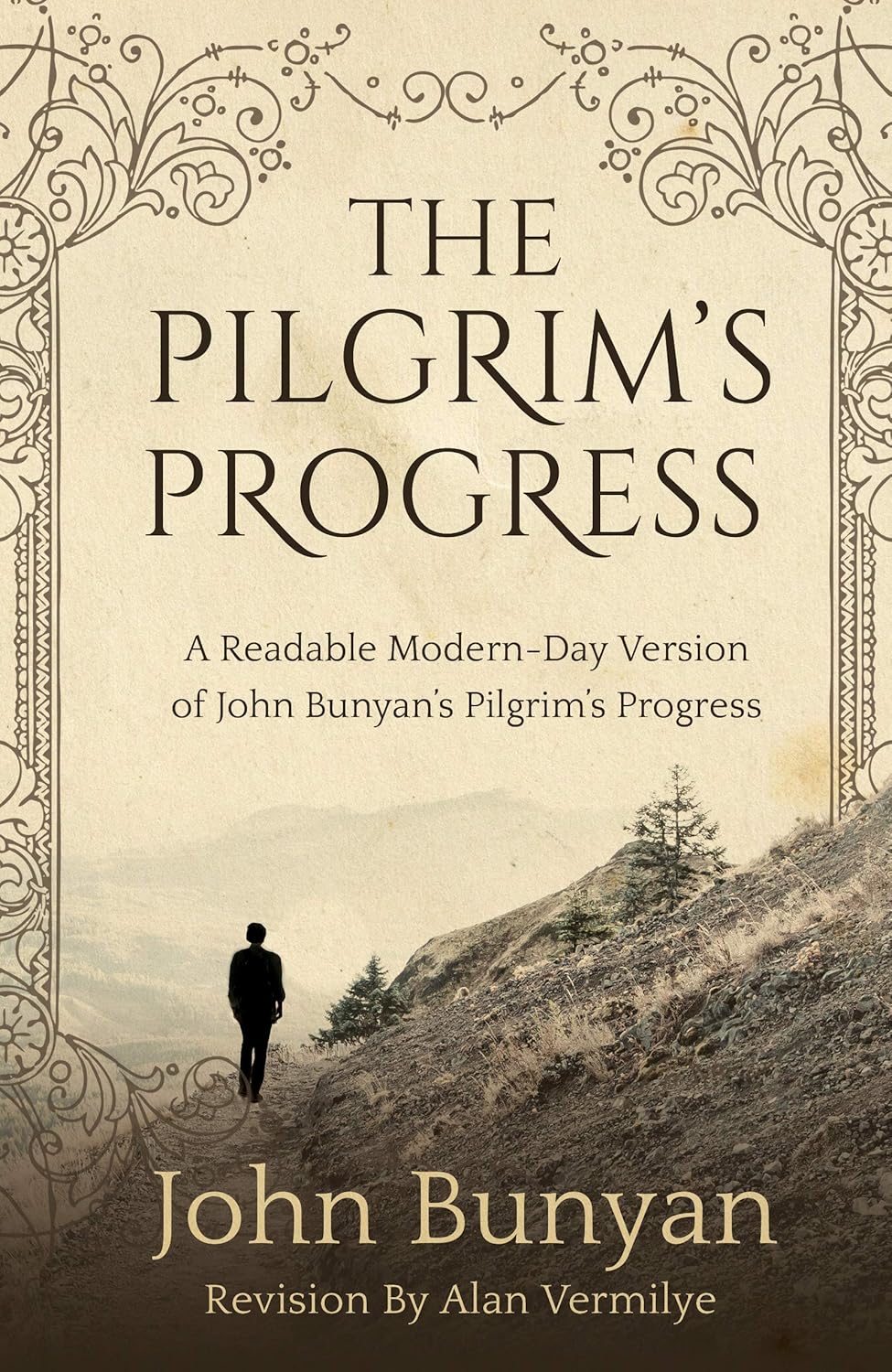
The Pilgrim's Progress
A classic allegory of the Christian journey from the City of Destruction to the Celestial City, saturated with Scripture.
View on Amazon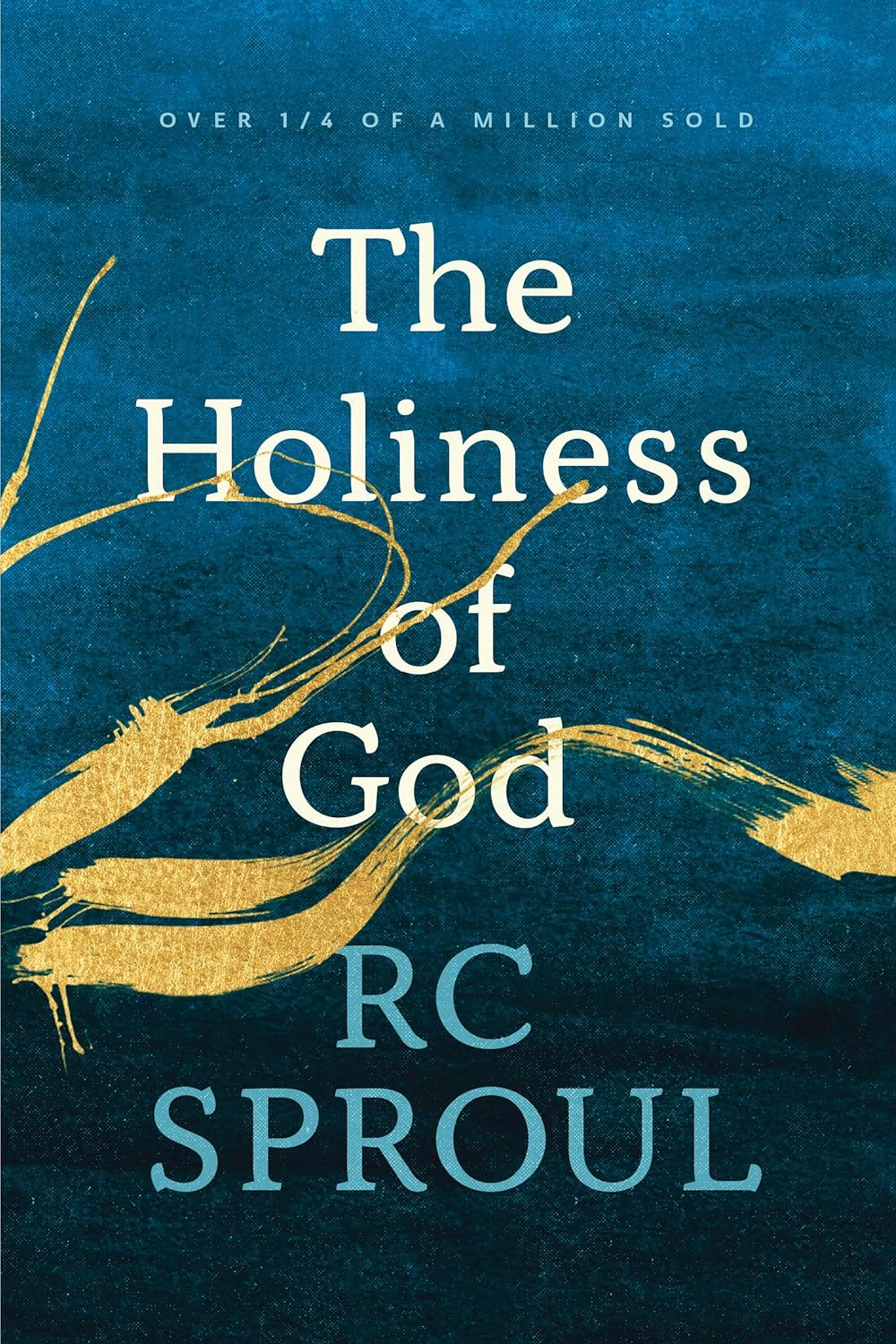
The Holiness of God
Sproul unfolds the blazing holiness of God and why a right fear of the Lord is vital to true worship.
View on Amazon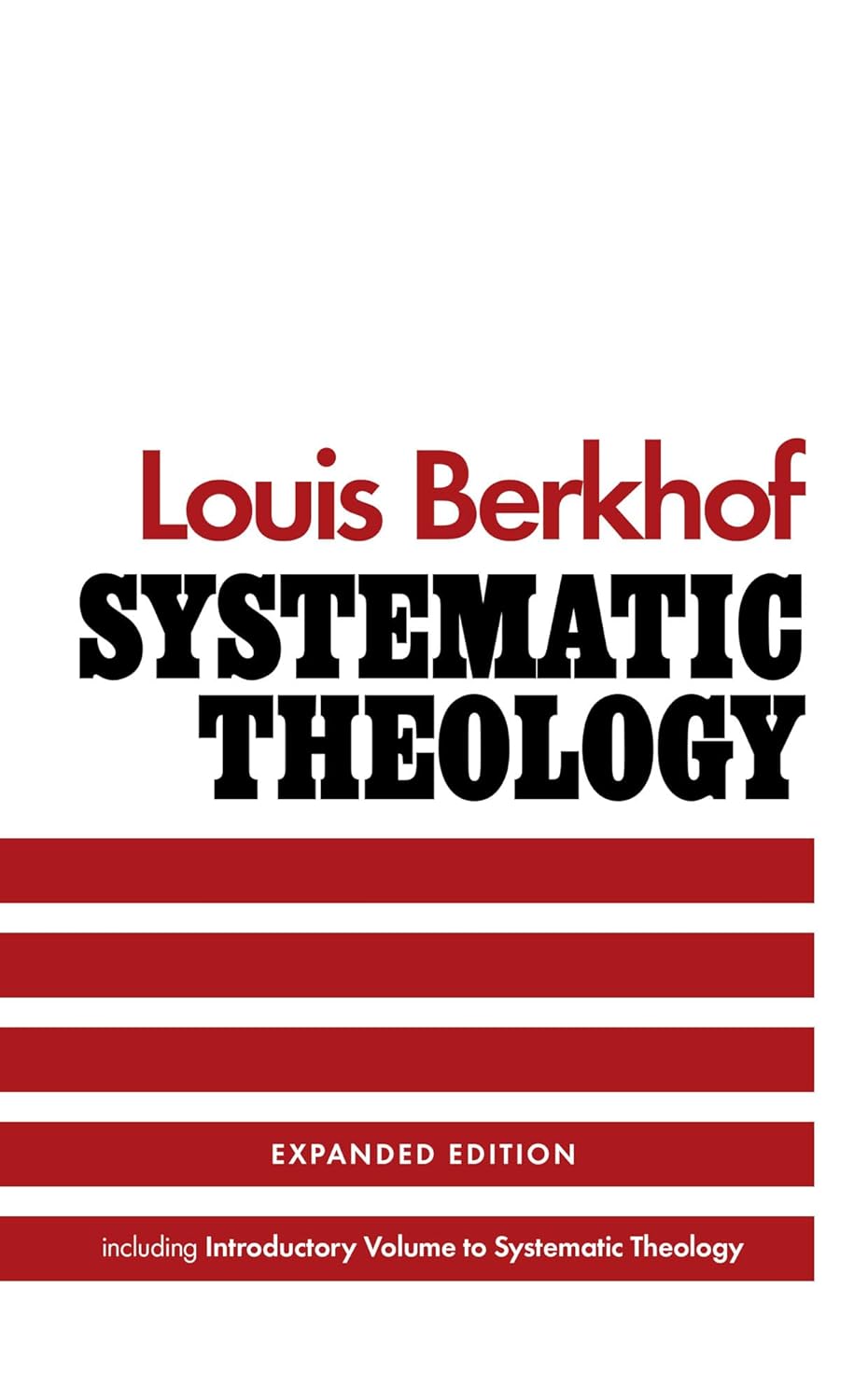
Systematic Theology
A classic Reformed theology text, rich in biblical exegesis and doctrinal clarity.
View on Amazon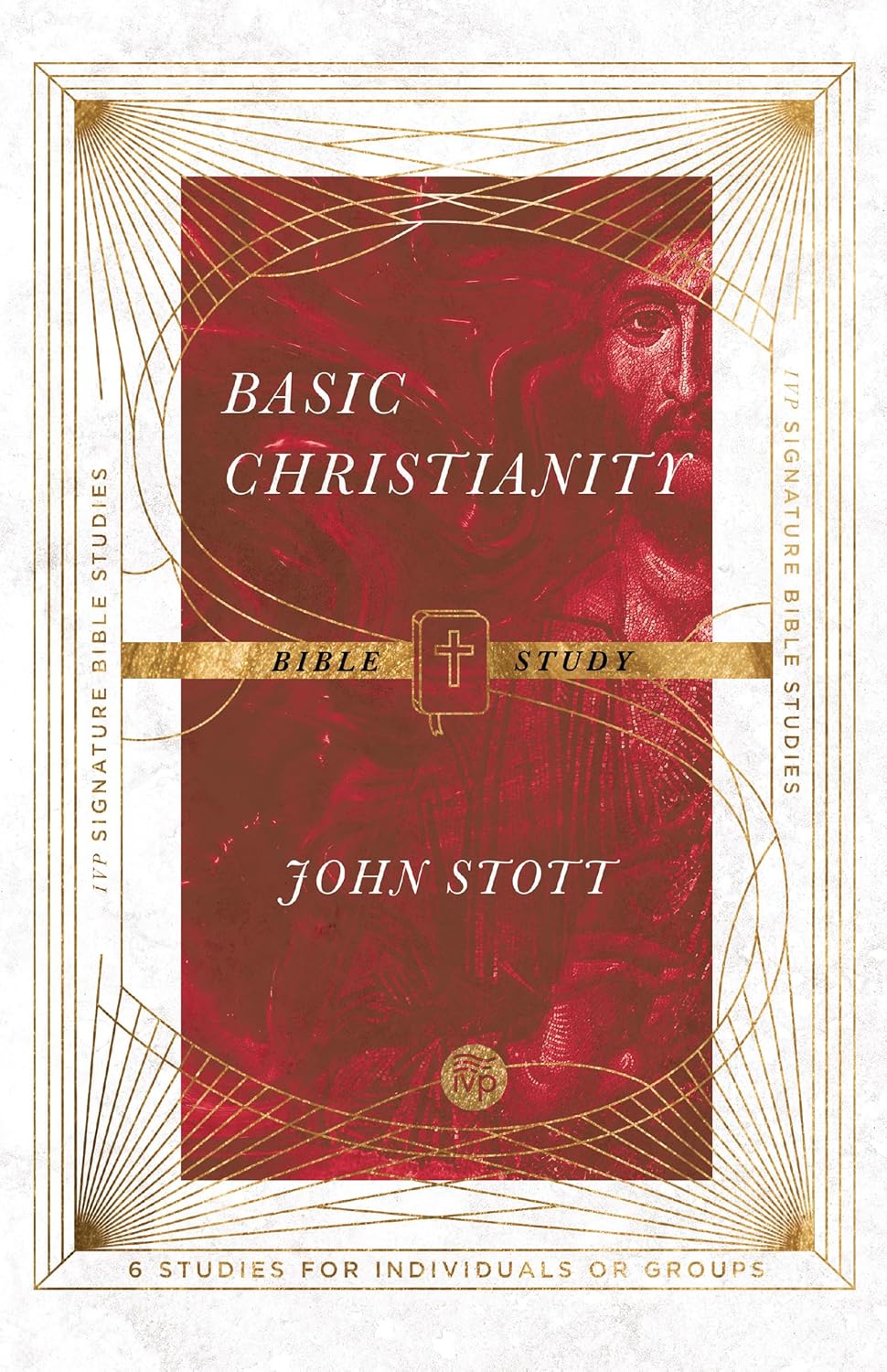
Basic Christianity
A timeless introduction to who Jesus is and what it means to follow Him according to Scripture.
View on Amazon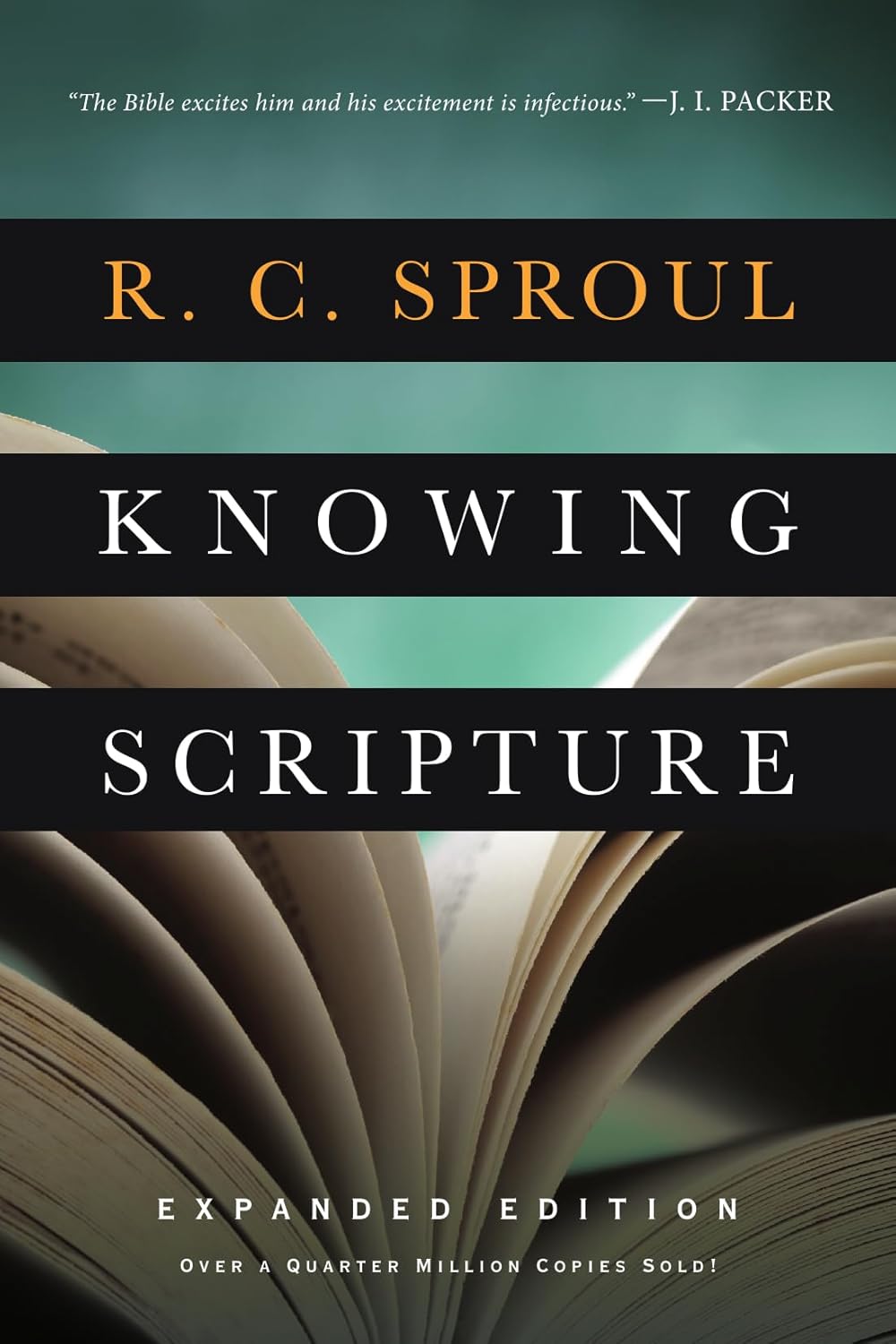
Knowing Scripture
Teaches how to interpret the Bible rightly, emphasizing its clarity and our responsibility to study it.
View on Amazon
The Gospel for Real Life
Shows how the finished work of Christ applies to everyday struggles and assurance.
View on Amazon
The Enemy Within
A modern, accessible summary of John Owen's teaching on indwelling sin and the believer's battle.
View on Amazon
Redemption Accomplished and Applied
A concise, biblical study of Christ's atonement and the application of salvation to believers.
View on Amazon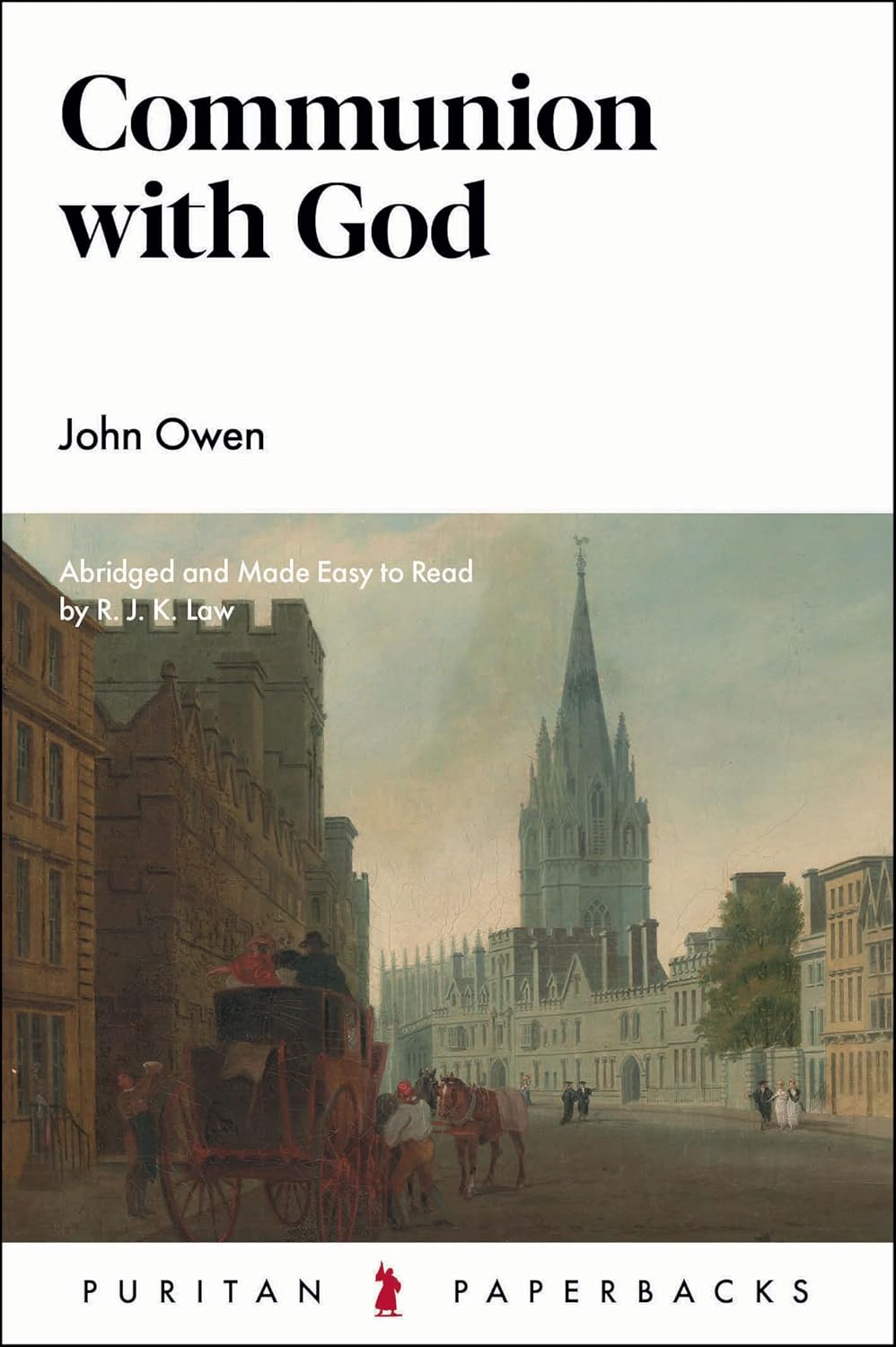
Communion with God
Explores how believers enjoy distinct fellowship with the Father, Son, and Holy Spirit.
View on Amazon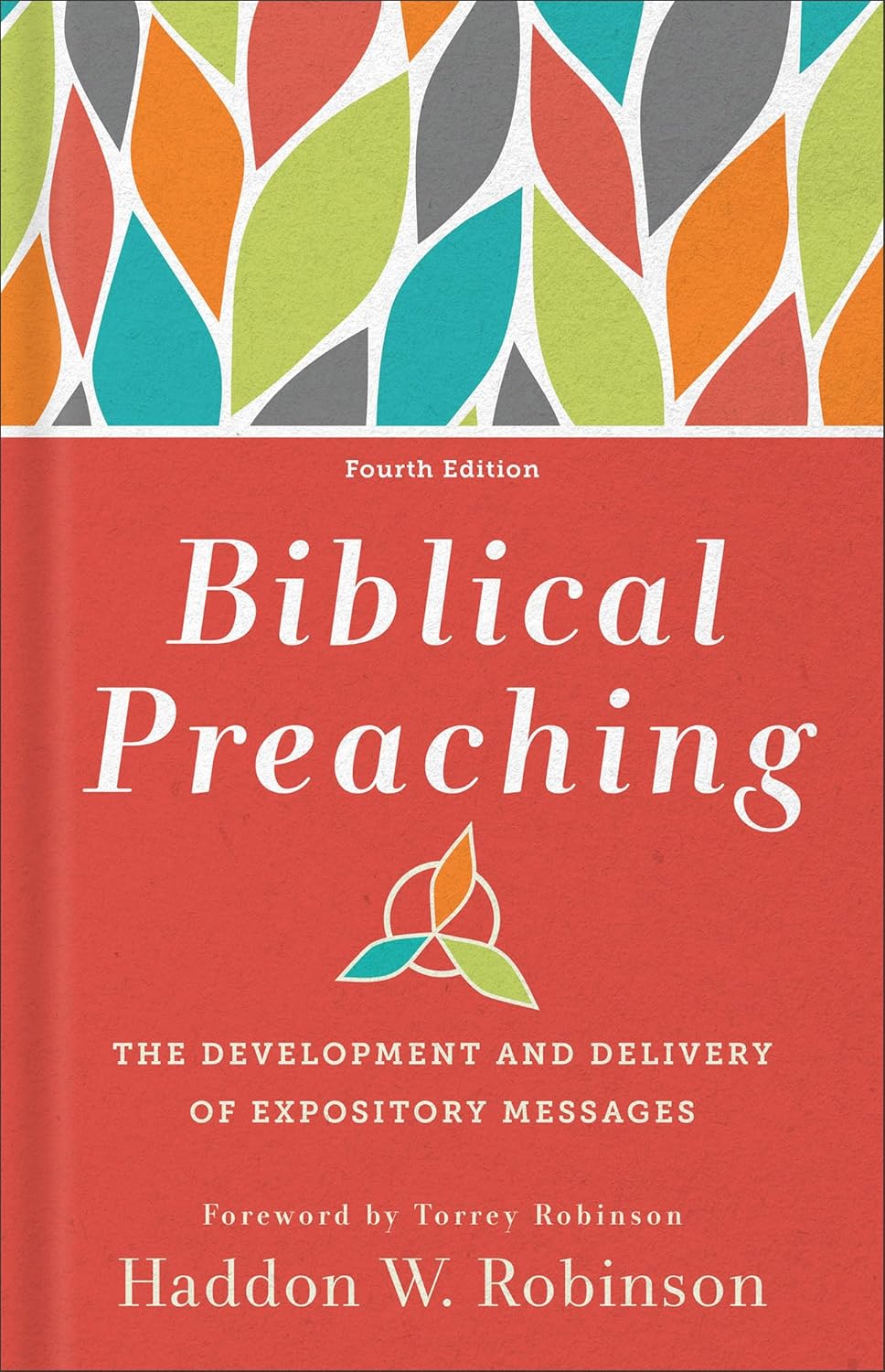
Biblical Preaching
Introduces the "big idea" approach to expository sermons, rooted in the biblical text.
View on Amazon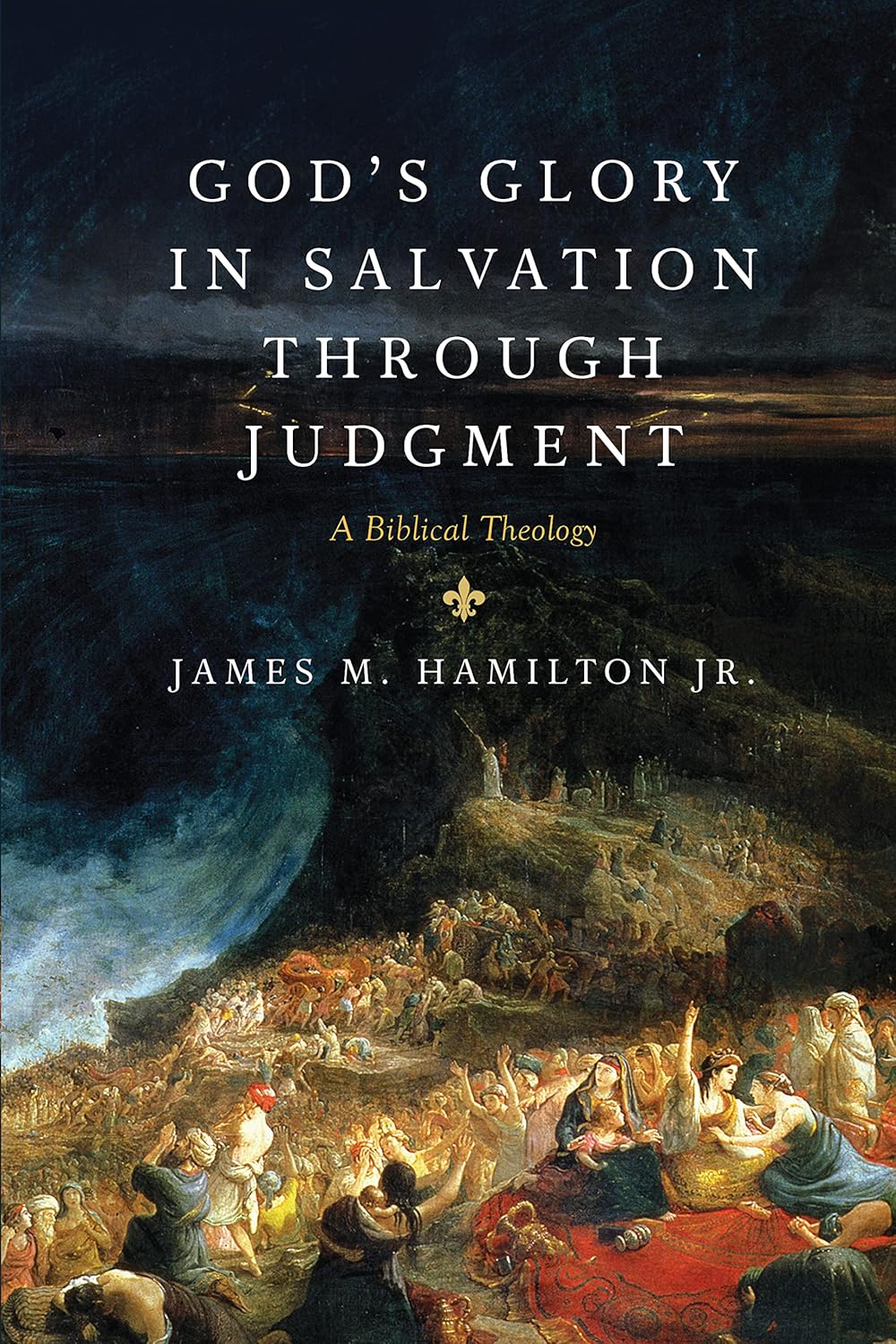
God's Glory in Salvation through Judgment
Argues that God's glory in salvation through judgment is the central theme of Scripture.
View on Amazon
Gentle and Lowly
Meditates on Christ's heart for sinners and sufferers from key biblical texts.
View on Amazon
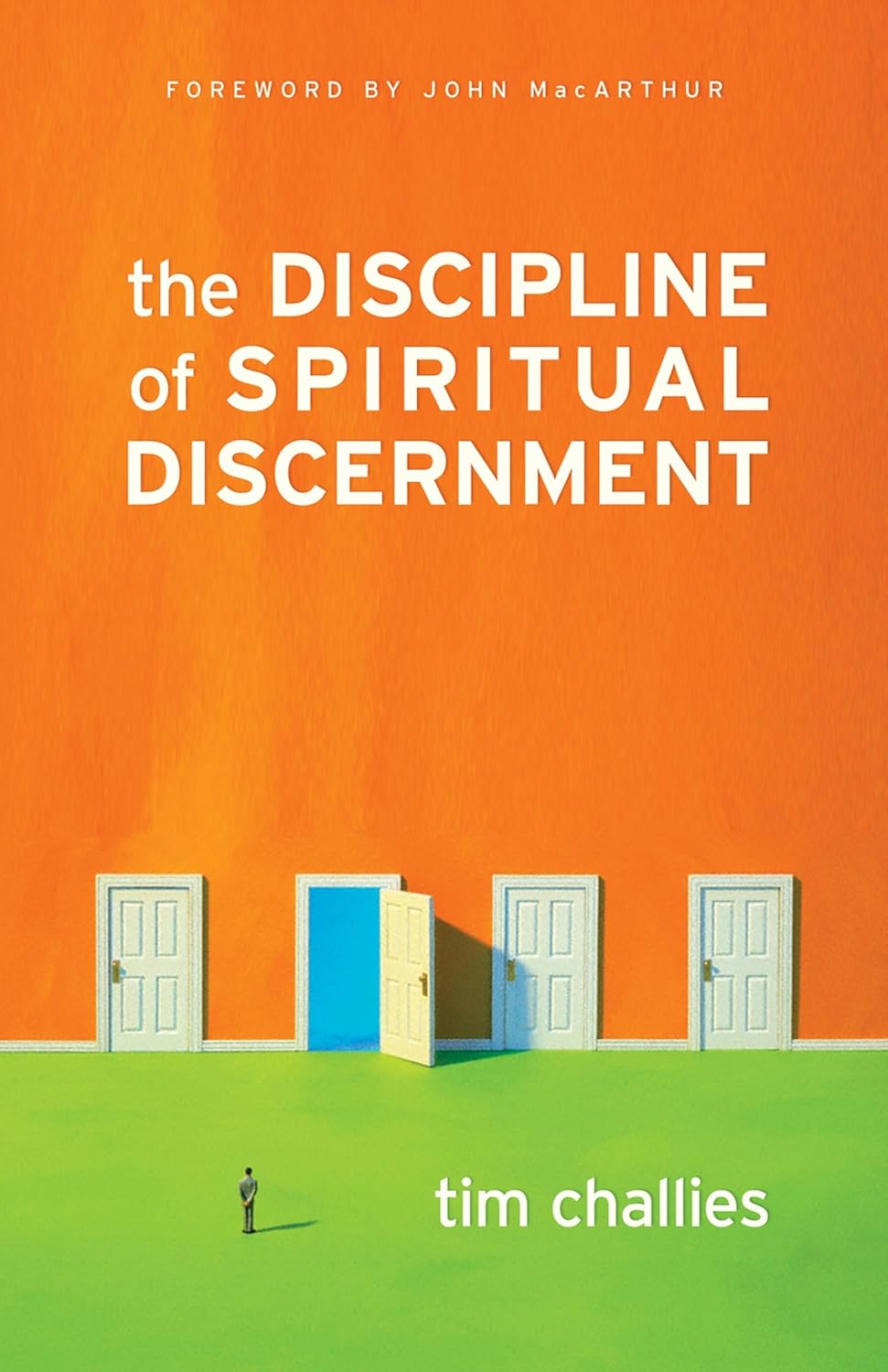
The Discipline of Spiritual Discernment
Teaches believers how to distinguish truth from error using Scripture.
View on Amazon
Idols of the Heart
Helps believers identify and repent of heart-idols through the lens of Scripture.
View on Amazon